At first, I thought it was just ordinary tooth sensitivity. There was a slight aching feeling when I drank cold water, so I figured my teeth had become sensitive, and because it was a molar, I let it go as usual. But strangely, even after several days, it didn’t get better. Instead, I started to feel a subtle discomfort every time I chewed food. As a result, I unconsciously kept chewing only on the other side, and my tongue kept going to that side, making me feel a foreign sensation somewhere in my mouth. Only then did I look into the mirror to check my mouth, but nothing unusual seemed visible on the surface. Of course, that said, going to the dentist is not easy, right? I kept putting it off because I vaguely thought it would hurt, cost a lot, and make my heart feel even heavier the moment I heard the diagnosis. Still, I decided to go before it was too late and received treatment, and I was even more confused when I was told that not only the molar area but also the area around the wisdom tooth had cavities. I could understand the molars, since they are used so much in daily life, but the wisdom tooth was a tooth I had hardly paid any attention to until then.
In this way, although we want to ignore it, symptoms can appear one day and eventually lead to wisdom tooth extraction, and there are also many cases where cavities in the surrounding molars have already developed. That is why the importance of regular checkups at Myeongdong Dental Clinic can grow as we get older, even if there are no symptoms.
Wisdom teeth and molars differ in position and function, but they share the common trait of being vulnerable to cavities and damage. Because of that, even a small lapse in daily care can easily cause problems, and these are also the areas that are frequently treated at the dentist: the wisdom teeth and the area around the molars.
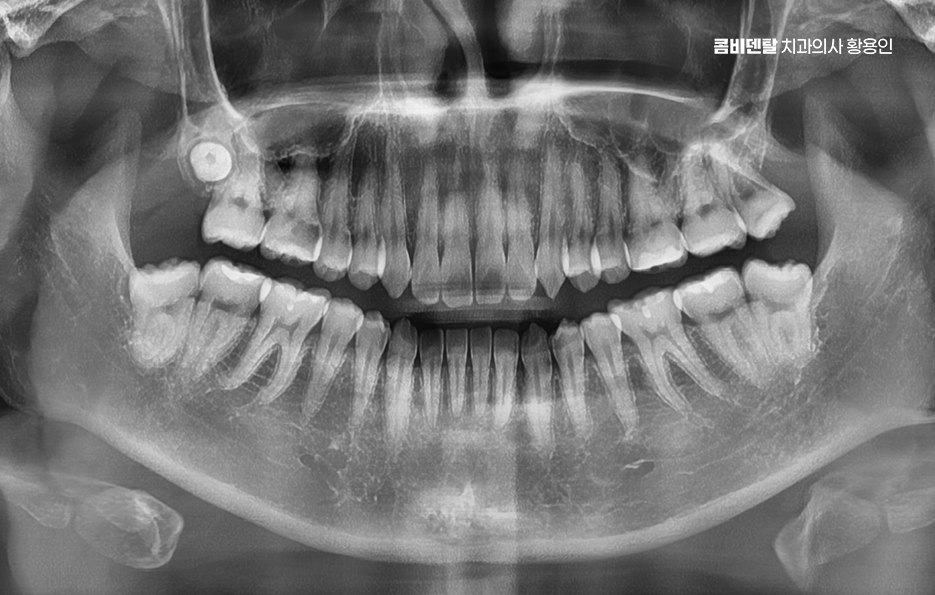
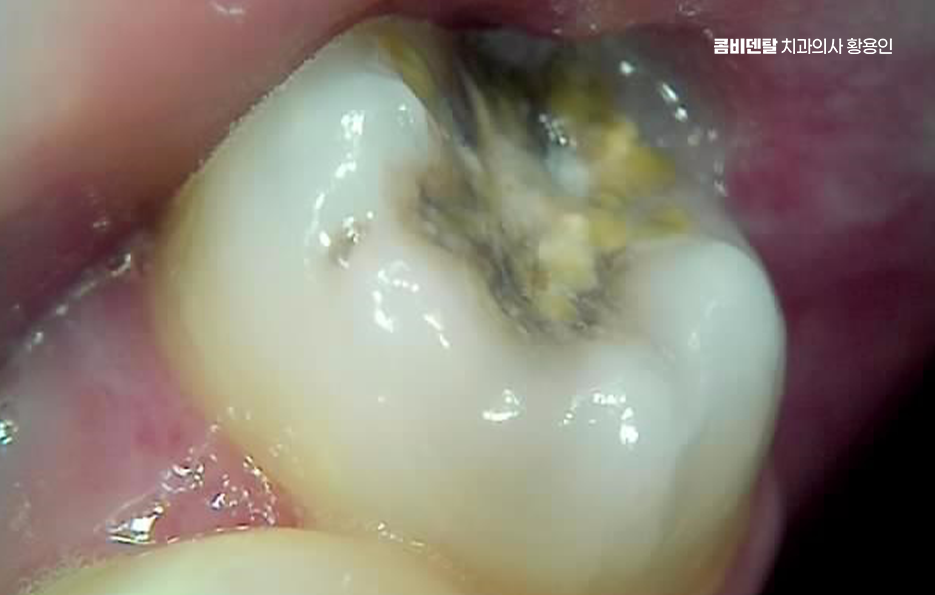
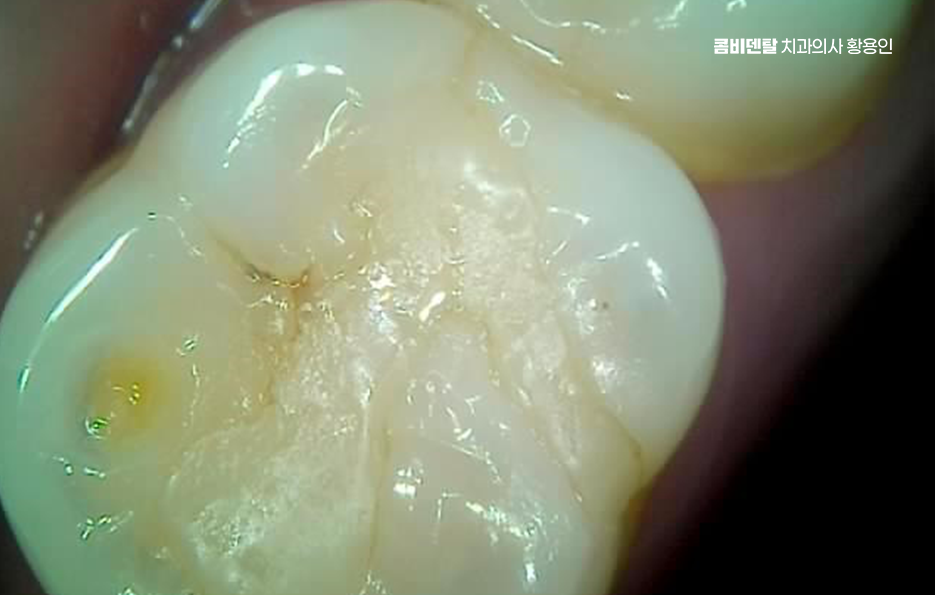
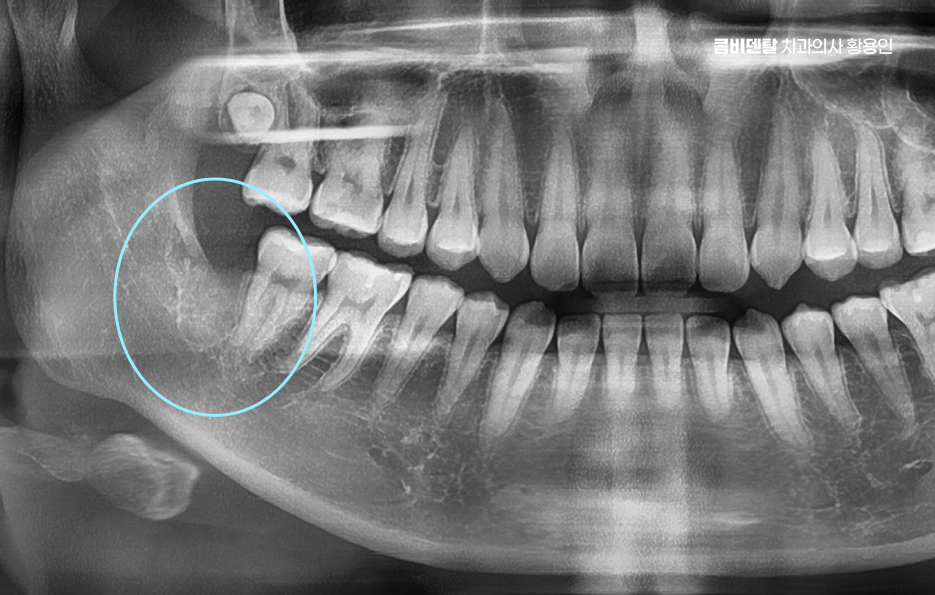
Myeongdong Dental Clinic. The problem, however, is that cavities or damage in these two areas can affect not only those teeth themselves but also the surrounding teeth. That is why it is important to understand the cause properly and quickly choose the right solution. First, wisdom teeth are third molars located at the very back of the mouth. In most cases, they begin erupting between the late teens and early twenties, but because there is often not enough space or they grow in an abnormal direction, they may not fully emerge and can remain impacted in the gums or jawbone.
These wisdom teeth easily trap food around them, and because they are difficult to reach with a toothbrush, cavities and gum inflammation can develop easily. In particular, hygiene management is especially difficult for wisdom teeth that are only partially erupted, so if you let your guard down even a little, inflammation with pain and swelling can follow right away.
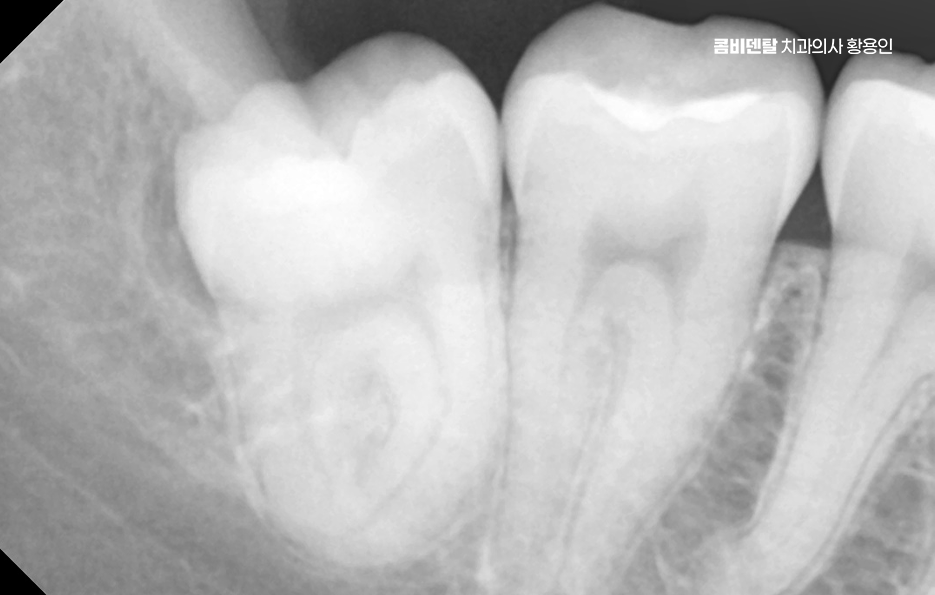
Myeongdong Dental Clinic also has to deal with the fact that the location of wisdom teeth is a problem. Because they are at the very back, they are difficult to brush with a regular toothbrush, and if your brushing habits are even slightly off, tartar and bacteria can quickly build up. If only the wisdom tooth itself has a problem, that would be relatively fortunate, but in most cases, cavities or inflammation can spread to the second molar 바로 in front of the wisdom tooth.
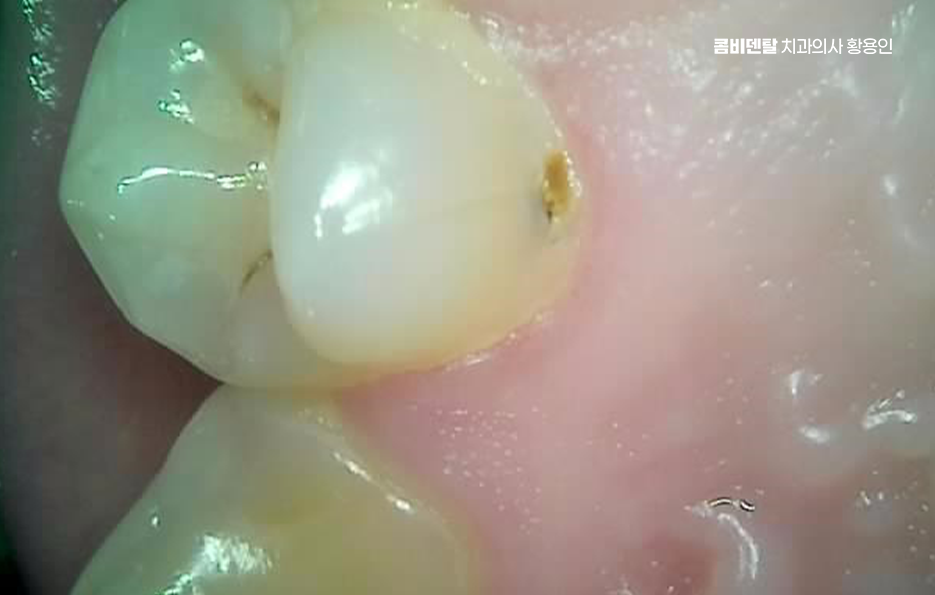
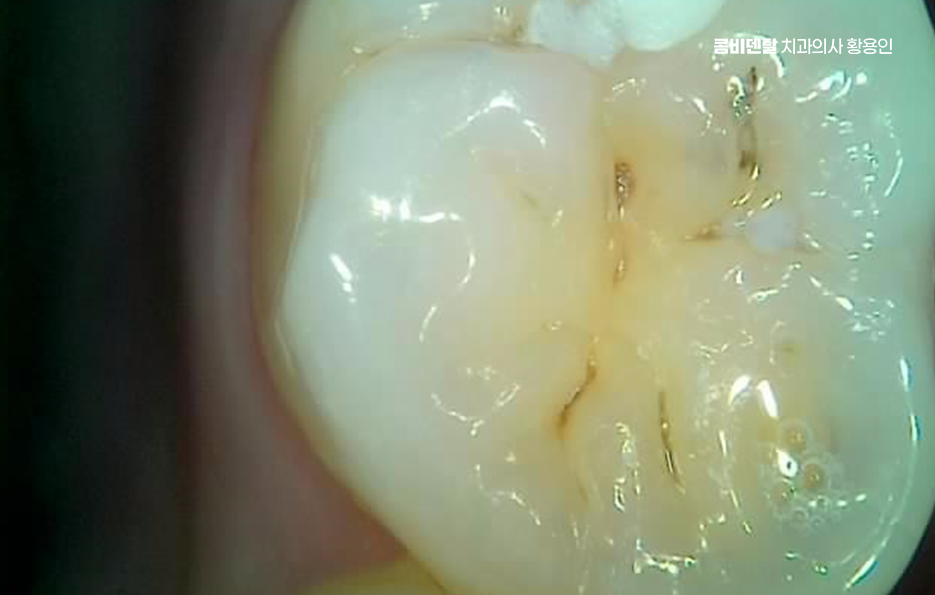
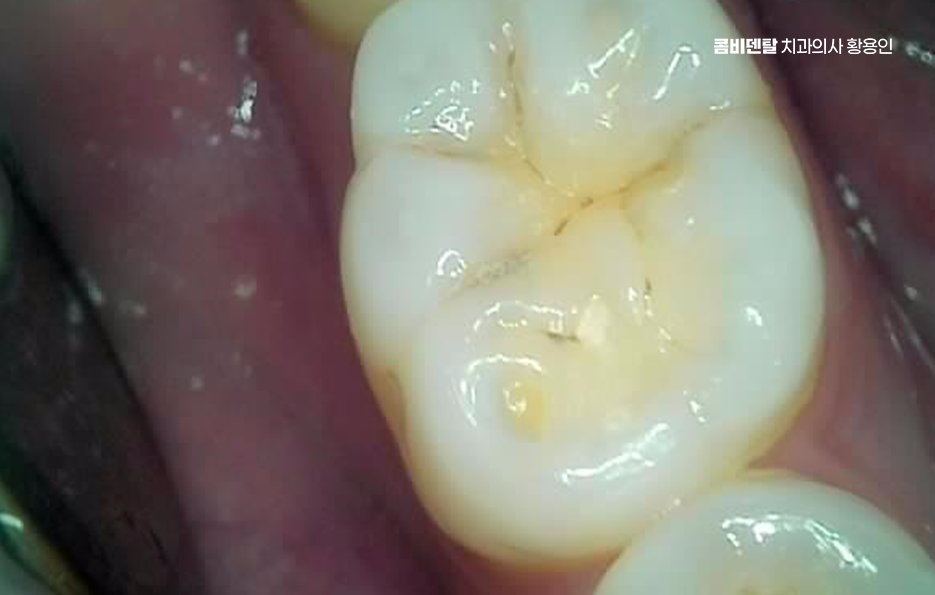
That is why it is surprisingly common for a healthy molar to be lost or for its lifespan to drop sharply because of a single wisdom tooth, and the saying that what is more frightening than a wisdom tooth cavity is damage to the neighboring molar is not said for no reason.
The direction in which wisdom teeth erupt is also a problem. Because they often grow horizontally or at an angle, they can keep pressing against the molar in front. This can cause root resorption or deep cavities between the teeth. Since these problems often cannot be seen from the outside and decay develops from the inside, treatment is often delayed by the time symptoms appear.
Molar teeth are the areas that bear the most chewing force, so they are prone to wear, cracks, and damage caused by impact. In particular, once cavities form, they often progress quickly. Molars have deep grooves and a structure where food easily gets stuck in small gaps, so even if you brush diligently, it can still be difficult to clean them thoroughly.
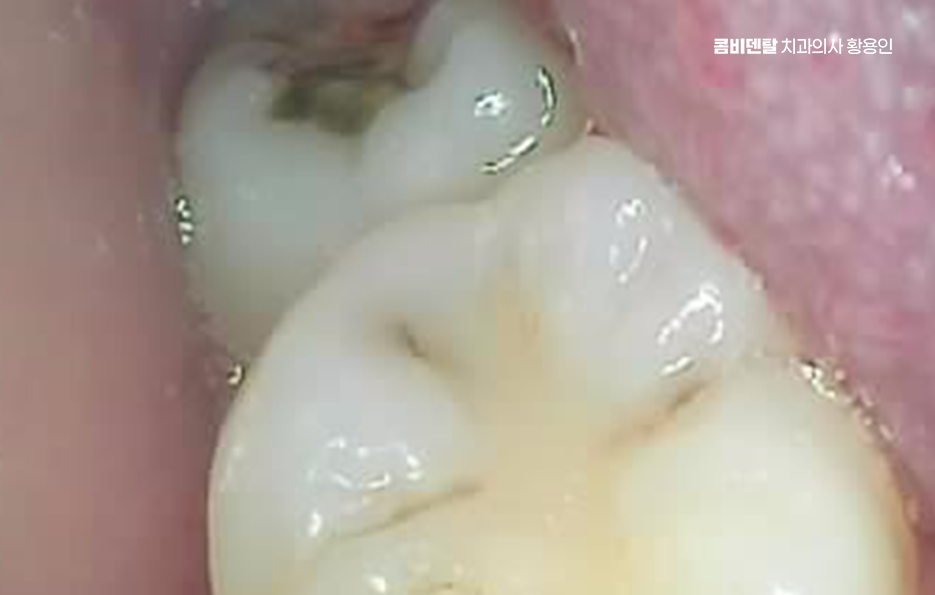
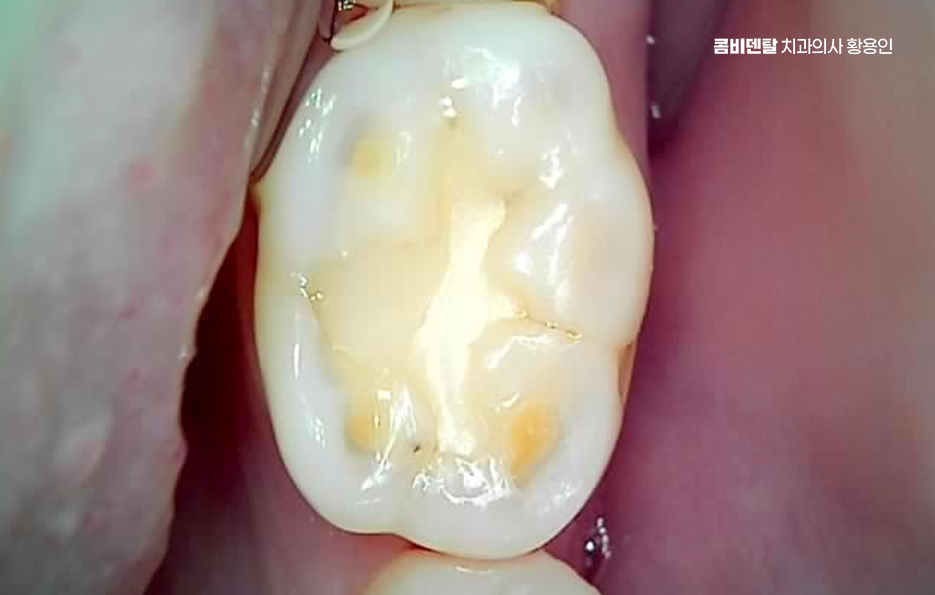
If these cavities or damages repeat, what problem can arise? An imbalance in chewing force. Molars play the role of breaking food down on both sides, but if one side hurts or needs treatment, you end up chewing only on the other side. If this continues, it can place strain on the jaw joint, so when even one molar has a problem, it is important not to think of it as merely a single tooth hurting, but to approach it as a problem connected to the function of the whole mouth.
Myeongdong Dental Clinic. So, if we look at the solution, extraction is a good option for wisdom teeth when they are unnecessary. In particular, if they have only partially erupted, have cavities, or are affecting the molar in front, it is important not to hesitate and to make an extraction plan. Leaving wisdom teeth in place often leads to greater treatment cost and time, and in the end, it can result in losing even healthier molars.
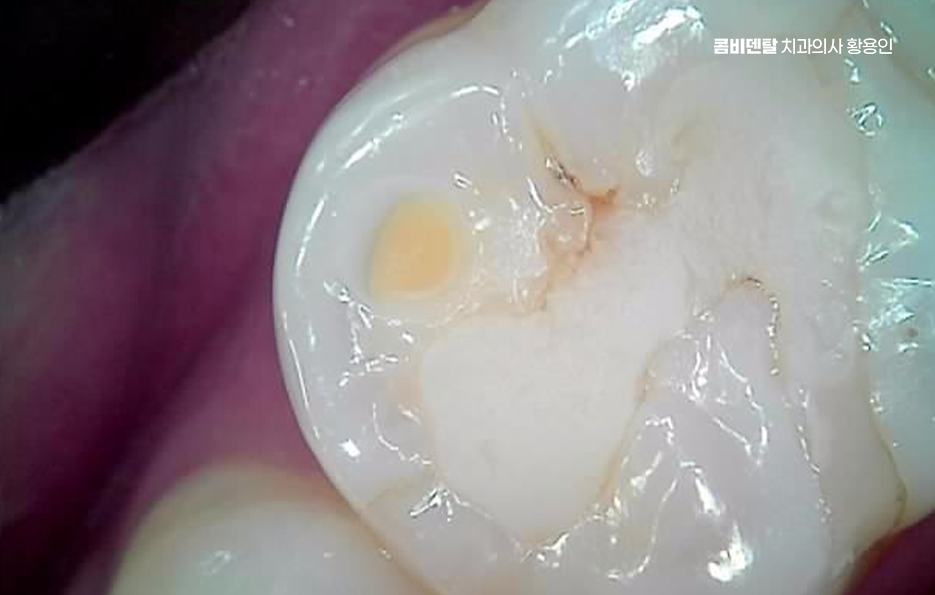
Molar cavities and damage also require early treatment. Small cavities can be quickly sealed with resin, but if the cavity has already become large and deep, prosthetic treatment such as an inlay or crown may be needed. In particular, if the damage has reached the nerve, root canal treatment followed by a crown may be necessary. If treatment is delayed, it can eventually lead to extraction and then an implant, so it can be important to understand and practice the importance of early treatment and regular checkups in everyday life.
In conclusion, wisdom teeth and molars are areas that are vulnerable to cavities and damage because of their position and structure. If care and response are delayed, they are highly likely to develop into bigger problems. For wisdom teeth, if they are unnecessary, bold extraction is the way to protect the surrounding teeth, and for molars, even small problems need to be treated quickly in order to maintain tooth longevity. Because teeth do not heal on their own, the longer they are left untreated, the higher the difficulty and cost of treatment becomes, and recovery becomes that much harder. Problems with teeth around wisdom teeth are common after adulthood, so I hope you will practice proper awareness and care in your daily life.







Previous image
Next image





Previous image
Next image





Previous image
Next image