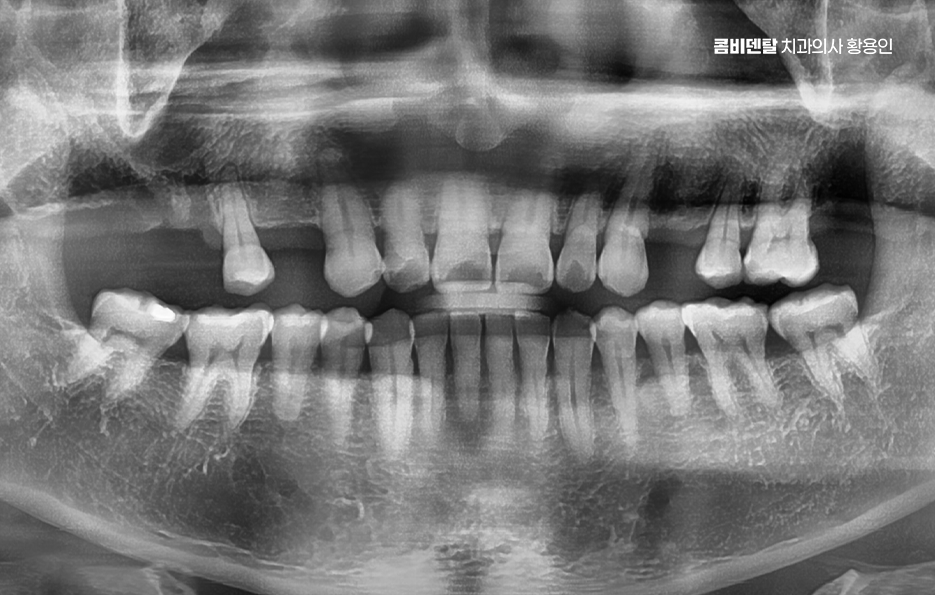
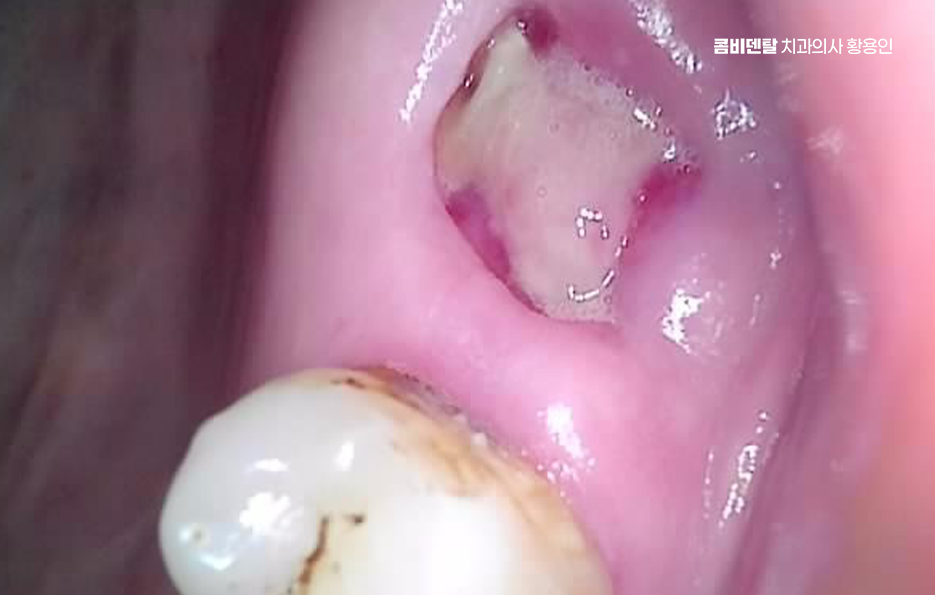
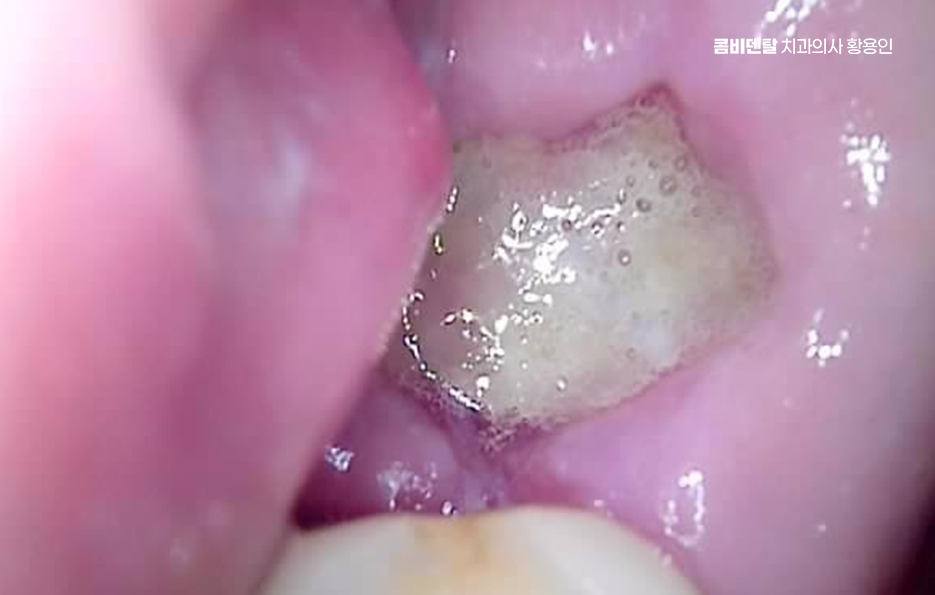
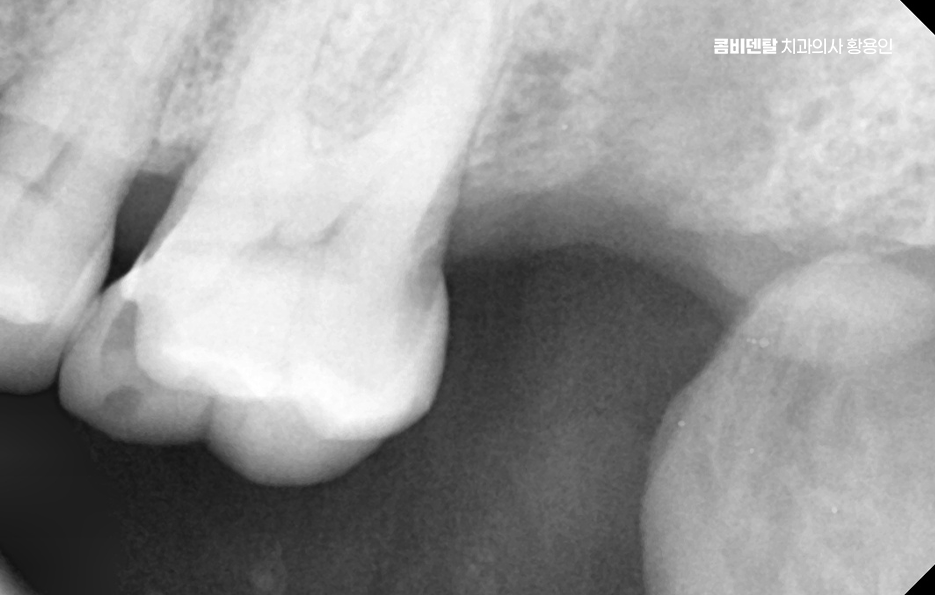
When I first lost a molar, I didn’t think it was that big of a deal. The cavity was so severe that I eventually had to have it extracted, and the dentist recommended filling the empty space with an implant. But honestly, at the time I didn’t have the time or money to spare, and since I figured I could still get through daily life without one tooth, I decided to just put up with the inconvenience. I developed the habit of chewing on only one side, but I adapted to that more easily than I expected, and I gradually became numb to the empty space, thinking I could eat just fine even without one molar. Months and then years passed like that, and looking back now, I’m honestly surprised at how much regret came from putting off treatment back then. The first noticeable change was that the pressure on the opposite molar kept increasing. Because I kept unconsciously using only the other side, fatigue started to build up in those teeth, and one day I began to feel slight pain and discomfort when chewing. Even then, I still thought I could endure it. I brushed it off, assuming the pain would be temporary and that better brushing would make it go away. But I realized too late that the problem wasn’t just simple pain—it had started from a structural imbalance. As the empty space from the missing molar was left untreated, the opposing upper tooth gradually began to descend, and as it started irritating the lower gum, my gums often became swollen and sore. On top of that, the neighboring teeth began to tilt toward the empty space, food got stuck more often, and there were many days when brushing didn’t feel refreshing. In the end, cavities started forming again. Only then did I realize that losing one tooth wasn’t the end of it; it had started affecting the surrounding teeth like dominoes. What was even scarier was the problem with the jaw joint.
In this way, after losing a tooth, people often come to appreciate the importance of implants. In the case of front teeth, because they affect appearance so much, treatment is rarely postponed. But with molars, many people think they can just chew on the other side and delay treatment. However, missing molars can lead to several problems, including changes in facial appearance and speech, issues with the opposite-side teeth due to one-sided chewing, and resorption of the gum bone.
Molars do more than just chew food. They act like pillars that support the jaw and face. In particular, the lower molars are directly connected to the jawbone, so when they are missing, the jawbone itself starts to be absorbed more quickly. Bone needs stimulation to stay healthy, and when a molar is gone, that chewing stimulation disappears from that area, so the bone gradually sinks.
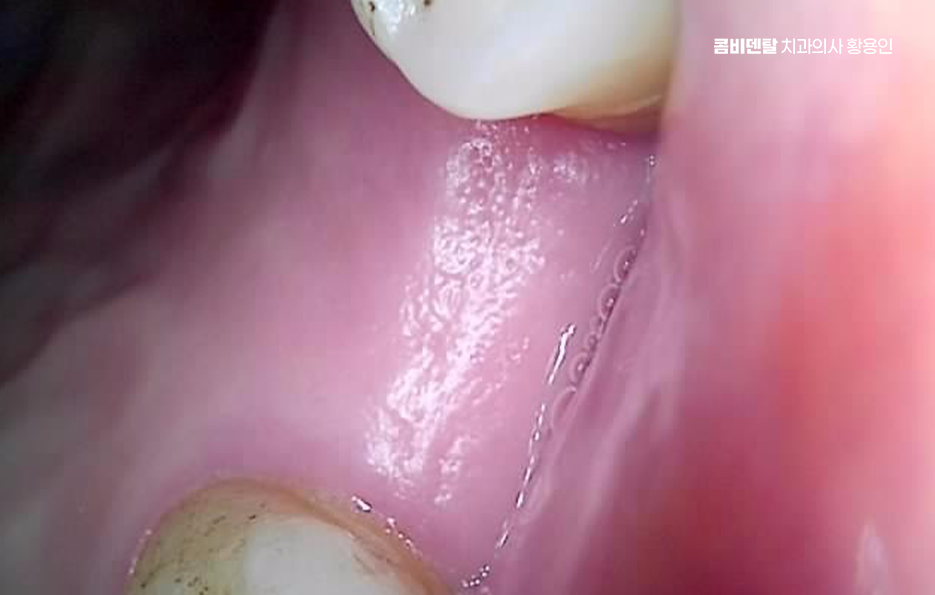
If this repeats, the shape of the jaw can also change, eventually making a person look older or causing noticeable asymmetry. In particular, if both molars are lost, the face may sag downward, the area around the mouth may become sunken, the corners of the mouth may droop, and nasolabial folds may deepen. These changes may not be from aging, but from the loss of molars.
Missing molars can also affect pronunciation. Molars are not directly used to make speech sounds, but they serve as reference points that help position the tongue and cheeks. When that reference is gone, the tongue keeps pressing into the empty space, the airflow in the mouth changes, and as a result, speech may sound slurred or the ends of words may become unclear.
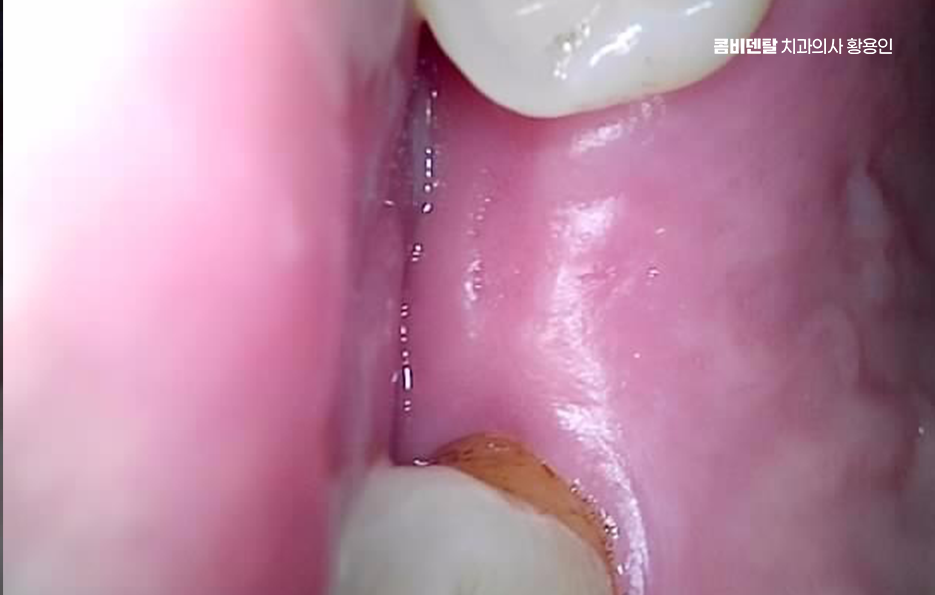
And the most direct problem is a decline in chewing function. Molars play a key role in crushing and grinding food, while front teeth are for cutting and tearing. So if a molar is missing, the front teeth end up taking on too much load.
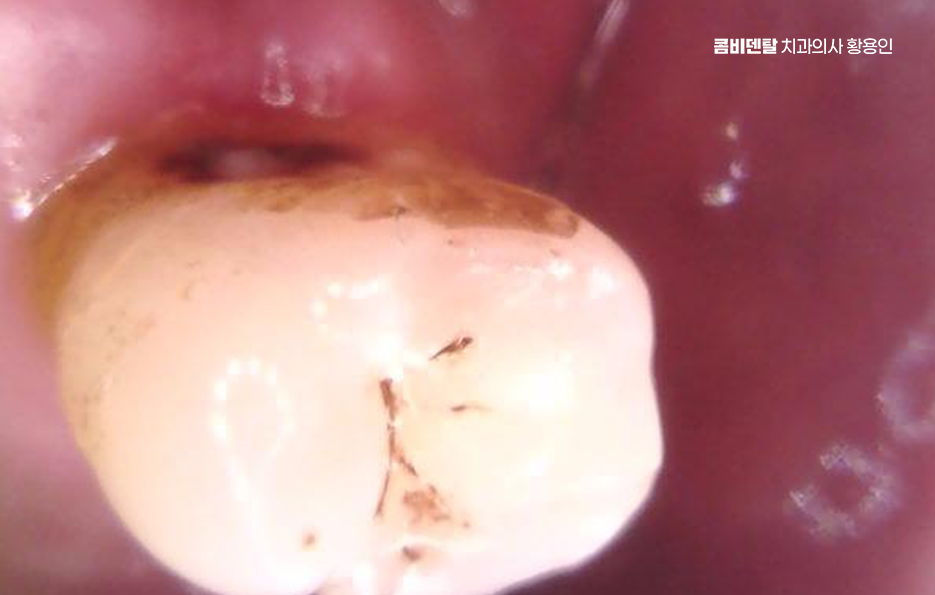
What is more serious is that the entire dental arch can collapse. If a molar is missing and the space is left open, the opposing upper tooth may gradually move downward, or neighboring teeth may tilt into the gap. Because these overerupted teeth do not return to their original position on their own, if you later try to get an implant, the space may no longer fit properly, and orthodontic treatment may be needed first.
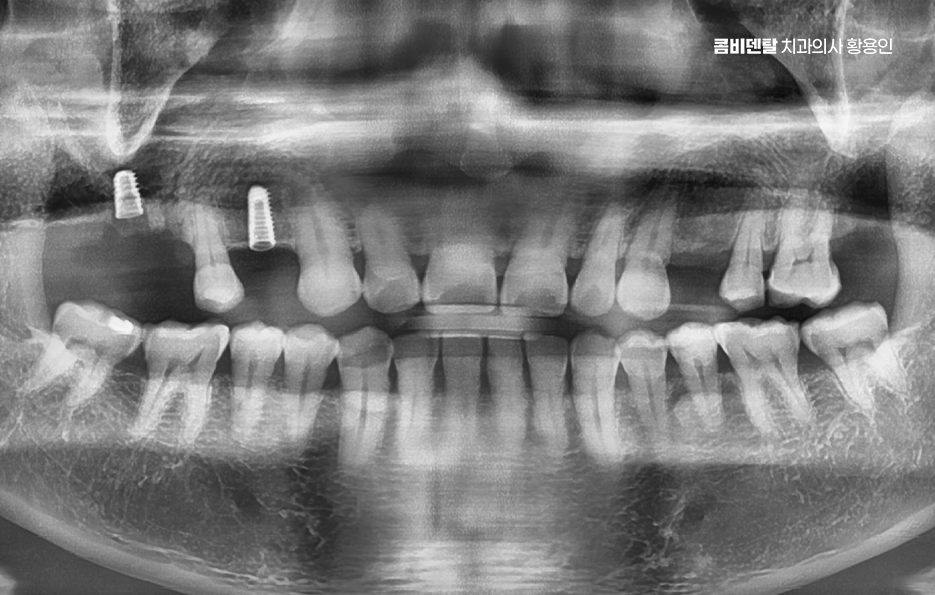
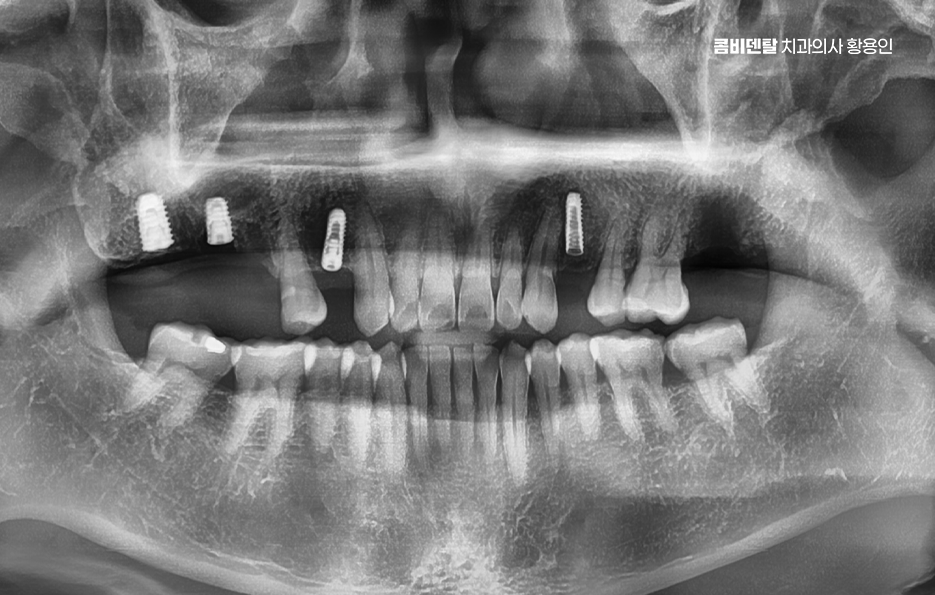
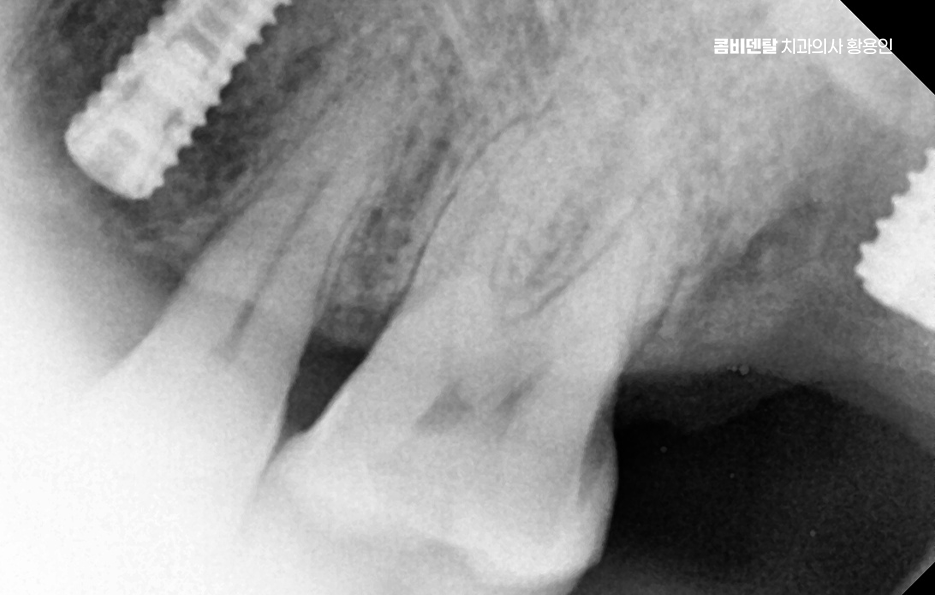
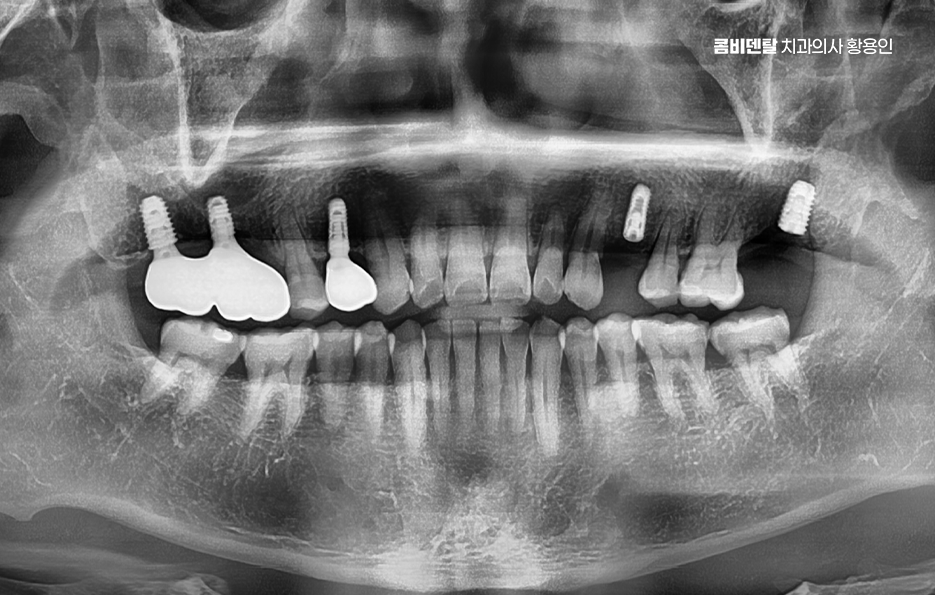
Another easy-to-overlook issue is the jaw joint. To avoid strain on the jaw joint, chewing should be balanced on both sides with the molars. But if one side is missing, you keep chewing on the opposite side, and if that habit continues, the jaw can tilt to one side only. Over time, this can lead to clicking sounds in the jaw joint, pain when opening the mouth, and in severe cases, difficulty opening the mouth.
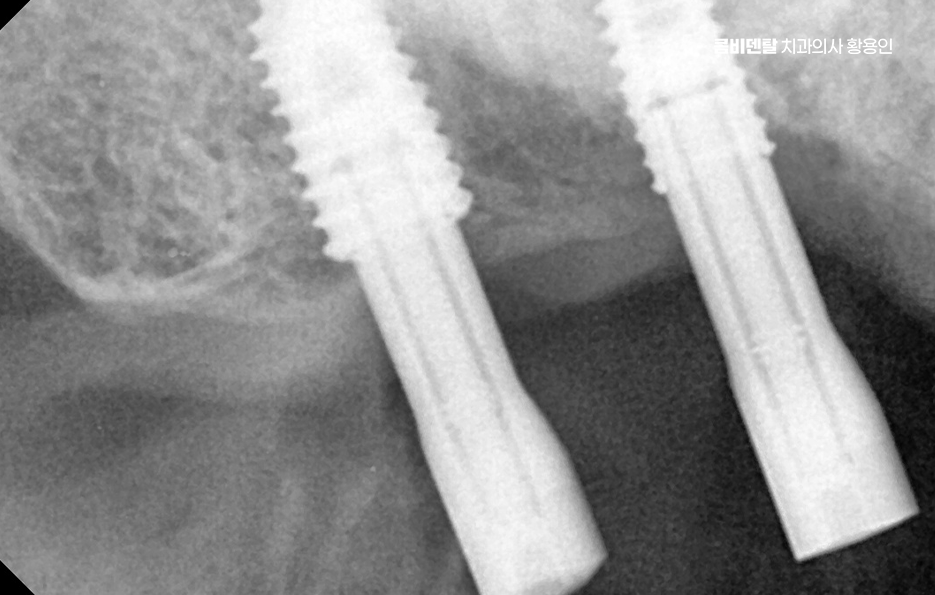
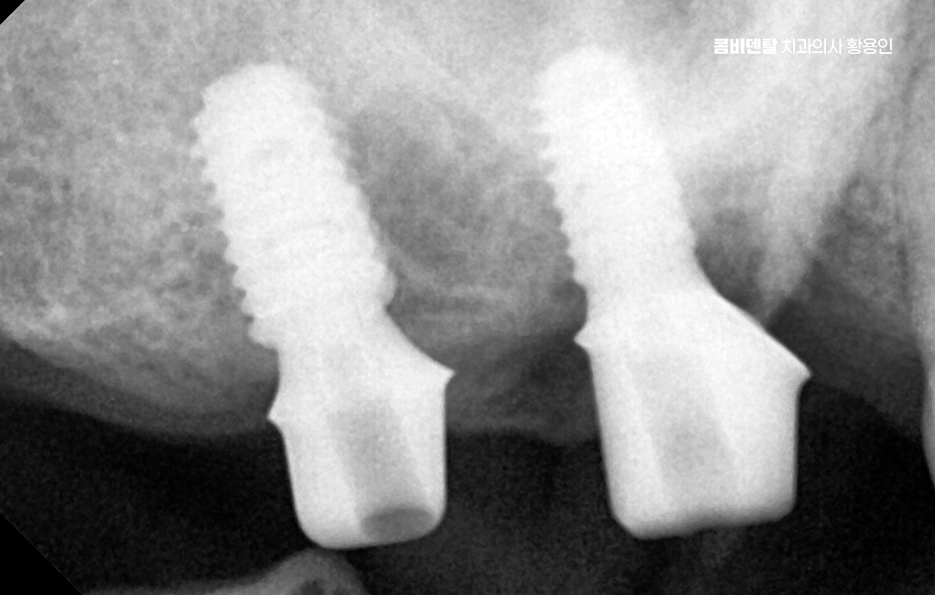
That is why, to prevent these problems, implants are an important treatment option after molar loss. Because an implant also functions like the root of the missing tooth, it does more than simply fill the space. It stimulates the jawbone to help prevent bone resorption, allows the upper and lower teeth to bite together normally, and compared with other prosthetic options, it has advantages in long-term stability and functional recovery.
One reason it is better to get an implant early is that as time passes and the jawbone continues to resorb, there may no longer be enough bone to place the implant. In that case, additional procedures such as bone grafting or sinus lifting become necessary, treatment takes longer, and costs rise significantly. So the longer a missing molar is left untreated, the more complicated the treatment can become. I hope you understand well that missing molars can lead to various problems, including changes in facial appearance and speech as discussed today, and that you will make a prompt treatment plan suited to you while also considering long-term maintenance.








 Previous image
Next image
Previous image
Next image





 Previous image
Next image
Previous image
Next image