
The shock of the day I first came to accept the fact that I had lost a front tooth still feels vivid in a corner of my mind. While eating, a subtle pain suddenly came on, and just as I was trying to brush it off, I felt the front tooth wobble and then it eventually fell out.
I kept pretending I was fine, telling myself it was probably nothing, but in the end my front tooth fell out at an unexpected moment.
That emptiness didn’t end inside my mouth; it cut deep into my heart as well. Because front teeth play such an important role in a person’s appearance, the shock of losing one made me realize, for the first time, that this was not just a medical issue but a reality I had to face.
My tongue kept drifting to the empty space where the front tooth had been, and whenever I tried to speak, air escaped through the space where the tooth should have been, making my pronunciation awkward.
Every time I smiled, I instinctively covered the gap with my lips, and I didn’t want to adapt to this change.
At first, even the thought of the word implant felt burdensome. Because it is a tooth placed in a location where aesthetics matter greatly, such as the front teeth, the process of inserting an artificial tooth and making it look exactly like a natural tooth did not seem easy.
In this way, anyone can lose a tooth, and in particular, when the missing tooth is in a area like the front teeth, the resulting inconvenience affects not only function but also aesthetics and overall impression. So even after deciding to get an implant, concern about the front tooth implant procedure can grow even greater.
Although front teeth are often lost due to accidents, the reasons people lose front teeth in middle age are often not limited to a single cause but instead result from several factors overlapping.
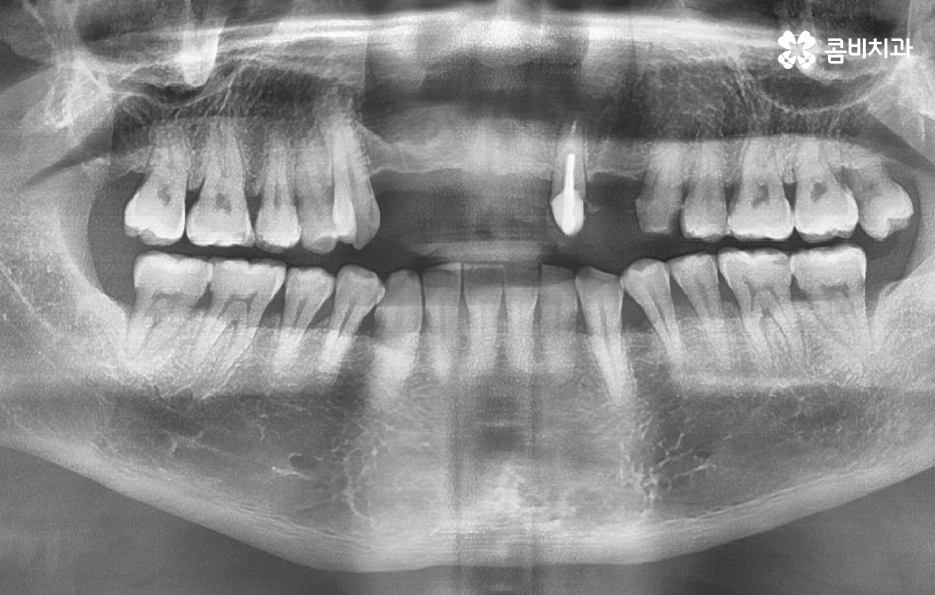
As people enter middle age, the recovery ability of the teeth, gums, and jawbone slows down, and problems begin to emerge in earnest as past treatments accumulate. Front teeth that held up well when younger may suddenly become loose, crack, or, as older bridges can no longer hold up, eventually lead to extraction. Understanding the background behind front tooth loss and, afterward, which points to be careful about during the front tooth implant procedure is necessary for achieving stable results.
The first major reason front teeth are lost after middle age is the long-term progression of periodontitis. Front teeth have relatively thin roots and are structurally vulnerable to periodontitis. When gum inflammation repeats, the bone is gradually resorbed, making the front teeth more likely to become loose. When younger, gums may swell and then recover to some extent, but after middle age the inflammation often does not resolve, bone resorption accumulates, and the support holding the teeth in place weakens rapidly. Many people say their front teeth suddenly became loose one day, but in fact, in many cases, long-standing periodontitis has simply crossed a critical point.
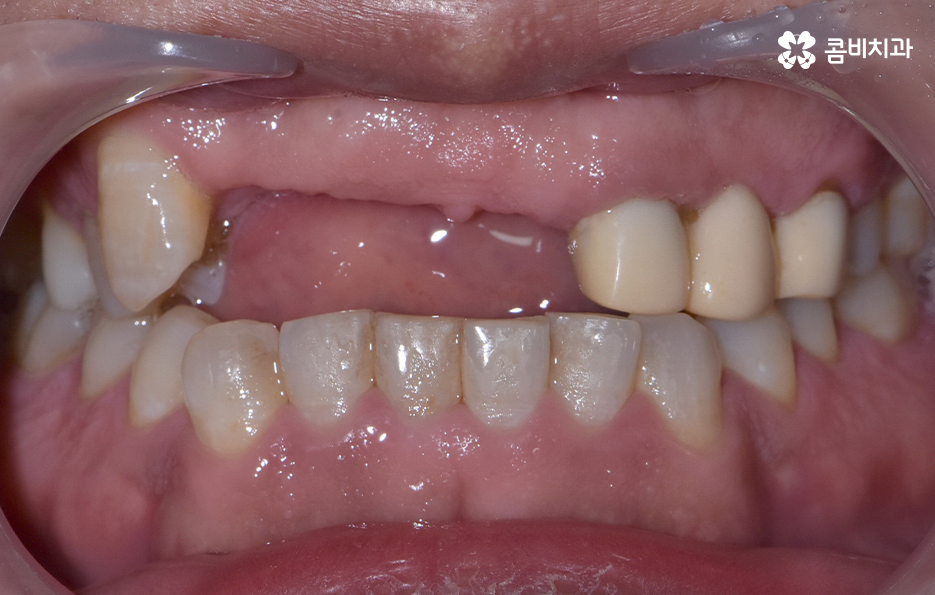
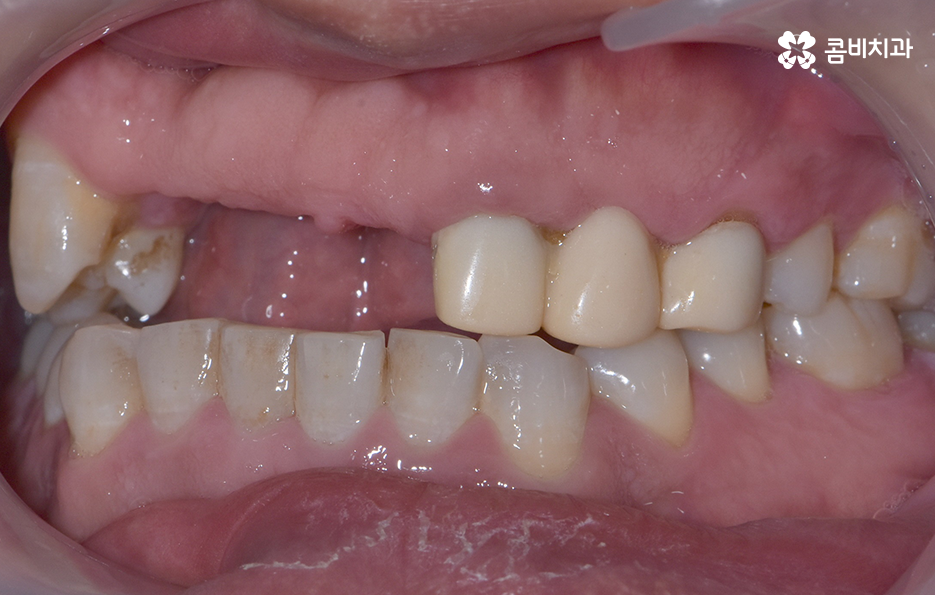
The second cause of front tooth loss is the limitations of old prosthetic work, especially bridge treatment. Front tooth bridges used to be a common way to replace missing teeth, but over time the supporting teeth on both sides weaken, and the entire structure often collapses.
A bridge uses the adjacent teeth as support pillars after shaving them down, but those pillar teeth must withstand greater force than they were originally designed for. As people age, those teeth can weaken due to periodontitis or tooth wear, and if they have also had root canal treatment, their strength can decrease further. As a result, the bridge may suddenly come off, the supporting tooth may break, or the root inside the gum may crack, eventually leading to extraction.
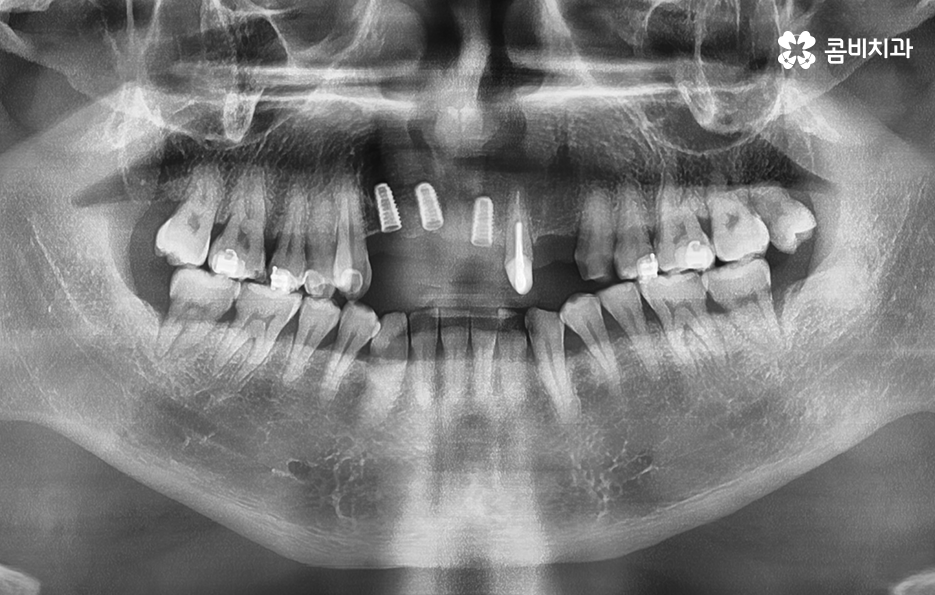
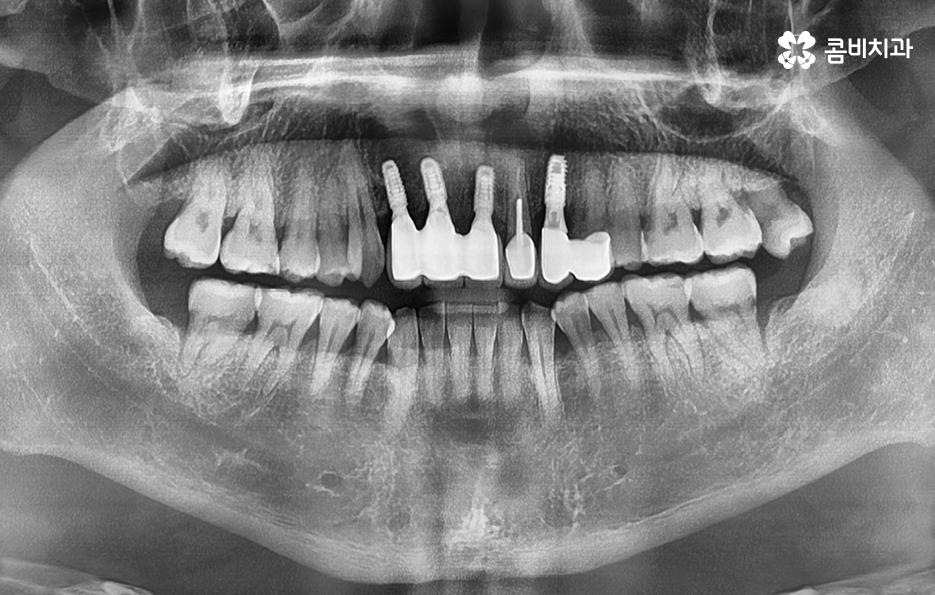
And front teeth can also be lost from falling down or biting something hard. In particular, as people get older, the nerves inside the teeth may already be weakened, or there may be a history of root canal treatment. Such teeth may look stronger, but in fact they are more prone to cracking and fracture, so in many people in their 40s to 60s, front teeth fractures and breakage occur frequently.
Because losing a front tooth causes significant aesthetic and functional inconvenience, many people undergo the front tooth implant procedure. Front tooth implants require more precise treatment than molar implants. Since the front tooth area has thin bone and is a region where aesthetics are important, everything must match for it to look natural, including the gum line, the angle of the front tooth, aesthetics, and harmony with the surrounding teeth. For that reason, it is an area where precise treatment is even more important.
Also, although front teeth seem to bear less chewing force, they are easily burdened by horizontal forces, which can place stress on the implant. If the cause of front tooth loss is periodontitis, bone is often significantly resorbed, so bone grafting is frequently necessary. That is why it is important to understand the points to be careful about during the front tooth implant procedure before proceeding.
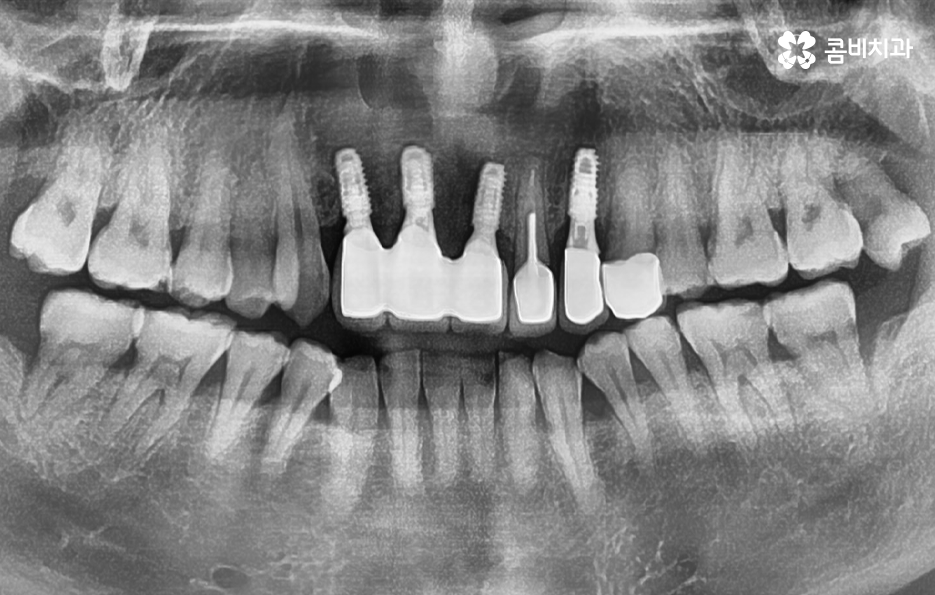
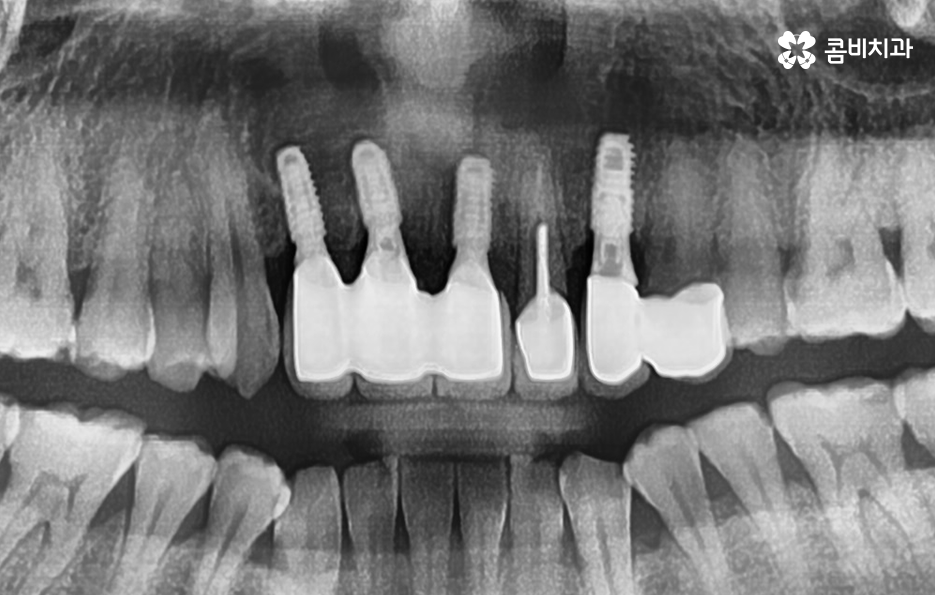
In addition, the shape of the gums has a major effect on aesthetics for front teeth. If the gums are thin, there is a risk that the implant may show through or that the gum line may collapse. In such cases, gum grafting to reinforce gum thickness may be necessary. Not only during the front tooth implant procedure, but also after treatment, gum care is an important factor in the longevity and aesthetic maintenance of front tooth implants.
The cause of front tooth loss differs from person to person, and the current condition of the gums and overall health also differs. In particular, after middle age, it is common for existing prosthetics to age or for teeth to be lost due to periodontitis. So for the front tooth implant procedure, what matters is not simply treating it quickly; rather, a treatment plan that sufficiently considers long-term stability is important. Therefore, I hope you will consult thoroughly with an experienced dentist and, based on detailed examination results, make a decision that considers a treatment plan suited to you as well as long-term maintenance, including follow-up care.
 Previous image
Next image
Previous image
Next image



Previous image
Next image

Previous image
Next image