
When I began to think that the old amalgam might need to be treated again, I did think that retreatment was necessary, but I was not sure where or how to start. In fact, that amalgam was so old that I could not even remember exactly when I had it treated, and because I believed it had been holding up well without any problems, I had also gone along thinking it was not something that needed attention. It was on a molar that was hard to see, and it did not hurt, so I think I treated it like something that simply aged alongside me.
Then, one day, I began to notice a subtle difference when chewing on that tooth.
It was not very painful, but the chewing sensation seemed duller than before, and sometimes I felt food getting stuck more often, which made me unnecessarily aware of it. At first, I tried to dismiss it as just my imagination, but the thought did not easily leave my mind.
There was also a day when I was brushing my teeth and found myself staring closely at them in the mirror.
The old silver-colored amalgam seemed more worn than before, and the color of the surrounding tooth also felt somehow uneven, which made me uneasy. There was nothing major that I could see, but strangely, from that day on, I became increasingly aware of the amalgam.
I started remembering things I had heard before, one by one: that amalgam may need to be replaced as time passes, and that gaps can form when it becomes old. I had only vaguely taken those comments as background information back then, but now, looking back, it felt as though each of those words was becoming real.
I also worried that decay might have developed again underneath that amalgam.
Even if it looks fine on the outside, I kept imagining that a problem could already be progressing inside, and that by ignoring it simply because there was no pain, I might later need a larger treatment. Nothing had definitely happened yet, but my mind was already several steps ahead.
As such, old amalgam eventually reaches a time when replacement is needed. In fact, not only amalgam but restorations as a whole have a lifespan and a replacement cycle, and because there are individual differences depending on a patient’s management habits and lifestyle, it is necessary to understand the proper way to replace and retreat old restorations.
Among people who have old restorations or teeth treated with amalgam, many wonder, “It still works fine now, so do I really need to replace it?” And in reality, if there is no pain and there seems to be no major problem on the surface, leaving it alone can feel like the right choice. But as time passes, old restorations or amalgam accumulate changes that are not visible to the eye, and those changes are not uncommon to suddenly show up as problems. So rather than judging the need for replacement only by age or by the name of the material, it is important to consider both the current condition of the tooth and its future lifespan.
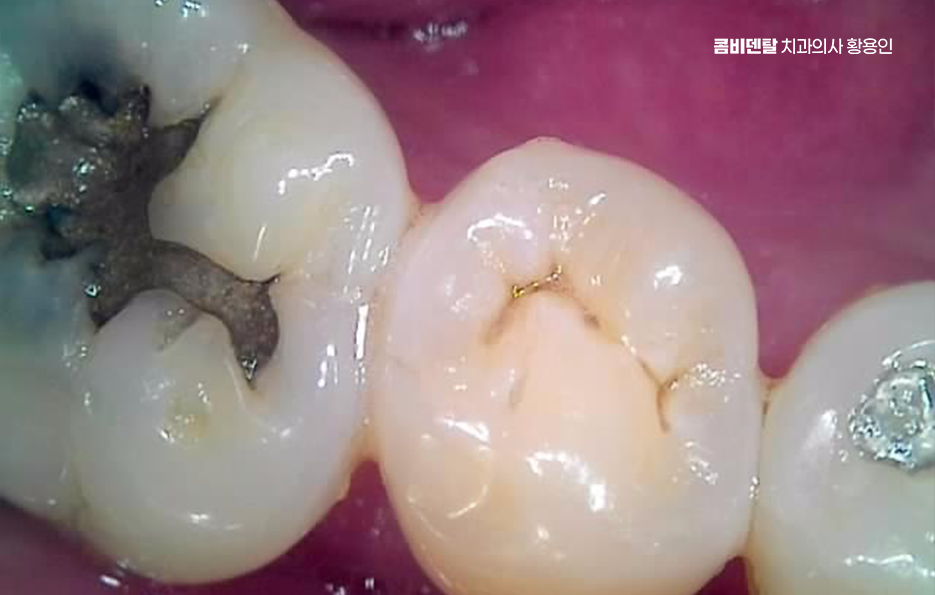
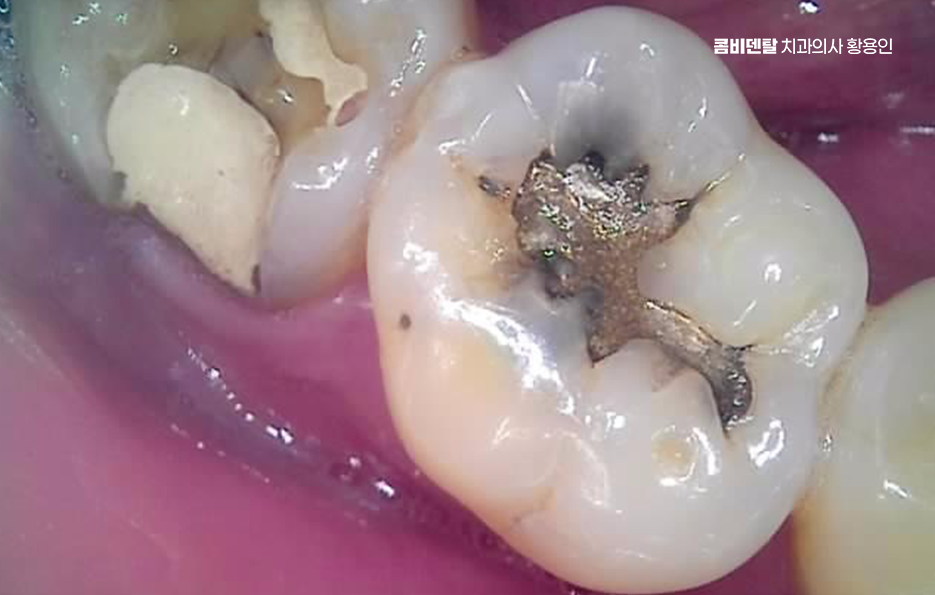
Amalgam was a material widely used in the past for cavity treatment. Because it is strong and relatively affordable, it was often used for molar cavities.
Many people still have amalgam in their mouths, and some have used it for a long time without major issues. However, because amalgam is a metal material, it changes differently from tooth structure over time. Repeated expansion and contraction due to heat can create tiny gaps between the tooth and the amalgam, and bacteria can enter through those gaps, causing decay to progress again from the inside.
The problem is that this kind of secondary decay is not easily visible from the outside. Even if the amalgam looks firmly attached on the surface, the tooth underneath may already have become significantly weakened.
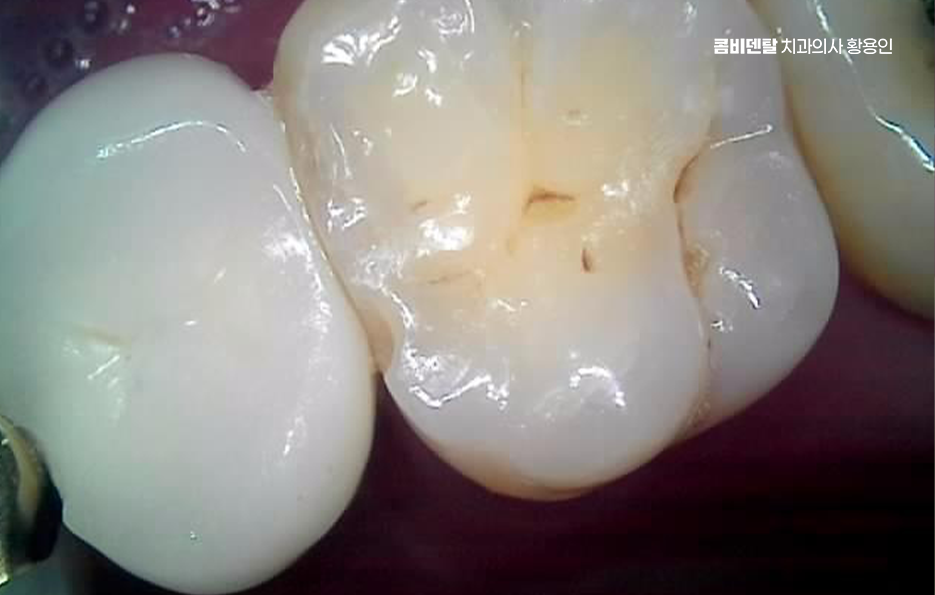
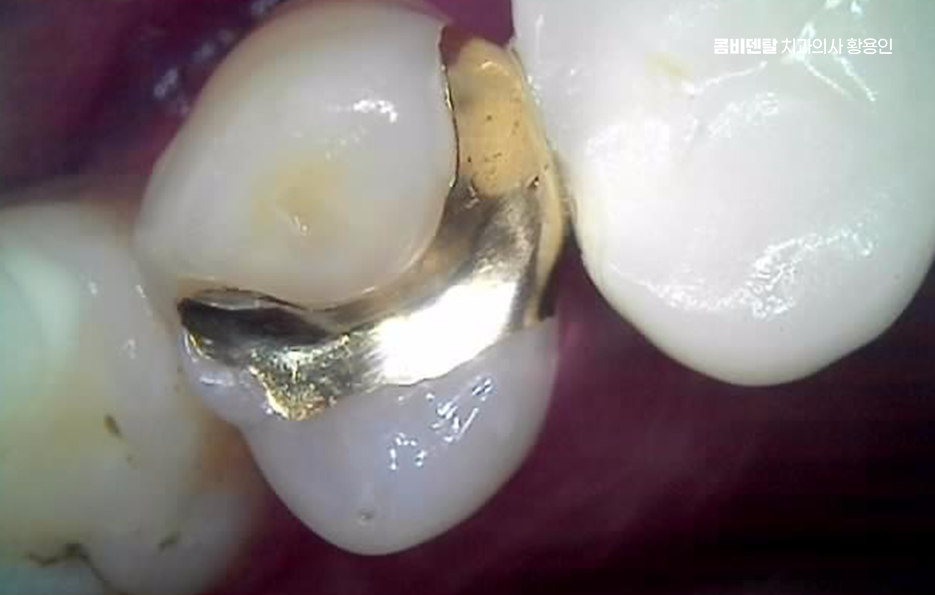
In this condition, people often realize there is a problem only when the tooth suddenly cracks one day or pain appears while chewing, so thinking, “It’s fine until the amalgam falls out,” can be risky.
Not only amalgam but old restorations have similar issues. Restorations such as crowns and inlays protect teeth, but they are not permanent. Over time, tiny gaps can form at the margins of the restoration and the gum line, and decay can progress underneath. In particular, old restorations may have a lower level of fit by today’s standards because of the technology or material characteristics at the time they were made.
The time when restoration replacement is needed often appears through several signs. One common sign is repeated sensitivity or discomfort in a specific tooth. If you have become sensitive to cold water or hot food, or if you feel brief pain only when chewing, there may have been a change in the condition of the tooth under the restoration.
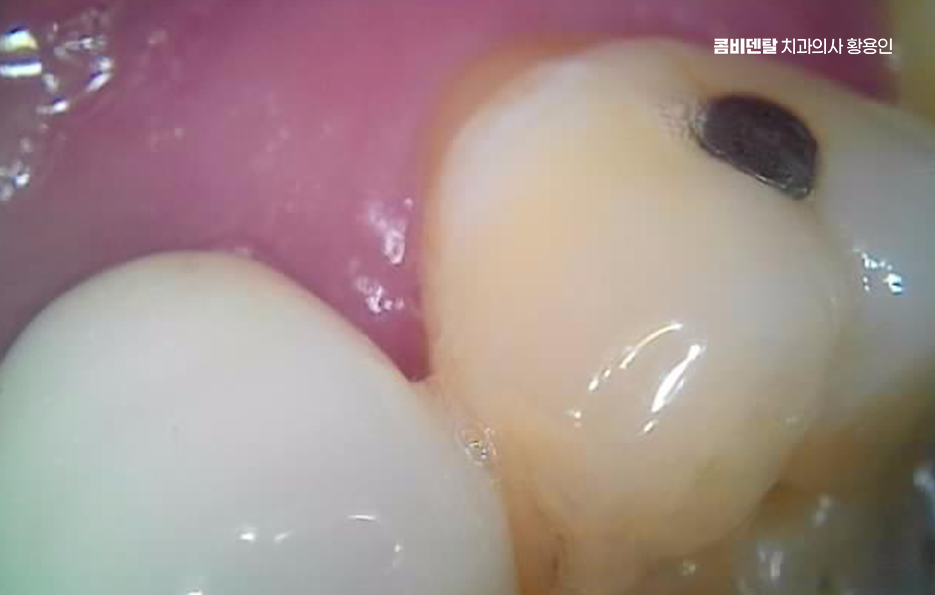
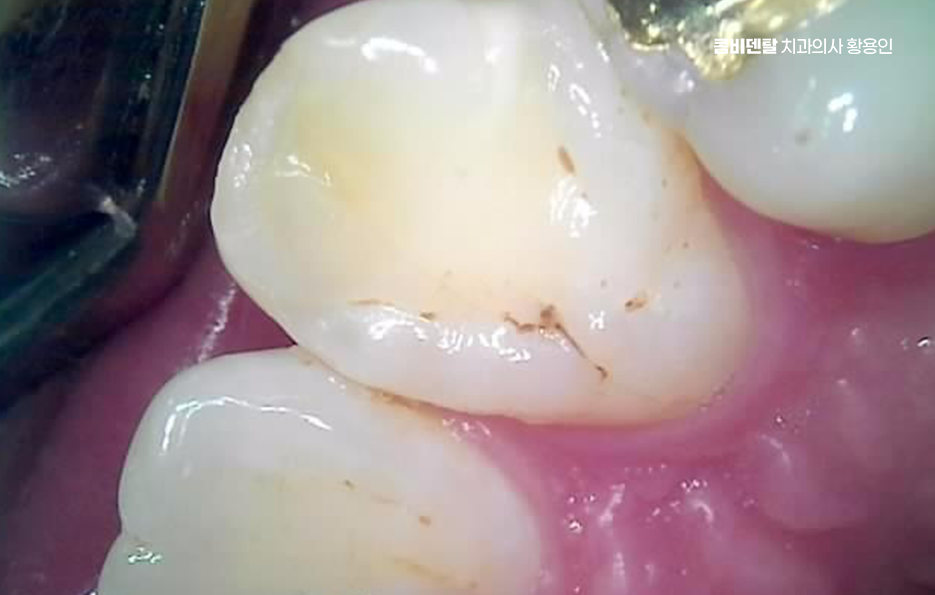
Food getting stuck frequently is also an important sign. If things were fine before, but from some point on food keeps getting stuck around a certain restoration and does not come out easily, the fit between the restoration and the tooth may have weakened. This condition is likely to lead to decay and gum inflammation, and if a bad smell starts, changes may already be progressing inside.
In the case of amalgam, problems can also appear in the form of cracks in the tooth. Amalgam is strong but not very elastic, so repeated chewing force can place stress on the surrounding tooth. As a result, tiny cracks may form in the tooth around the amalgam, and over time those cracks can grow and lead to the tooth breaking.
Then does old amalgam or an old restoration always have to be replaced? Not necessarily. If the current condition is stable and there are no problems with the surrounding tooth or gums, it is also possible to leave it in place and observe it regularly. That is why, when making a retreatment plan, an accurate diagnosis is needed first. Not only the visible condition but also whether decay is progressing inside, how much tooth structure remains, and what the condition of the gums and bone is should all be checked together. Through this process, it becomes possible to judge whether a simple replacement is enough or whether treatment over a broader area is needed.
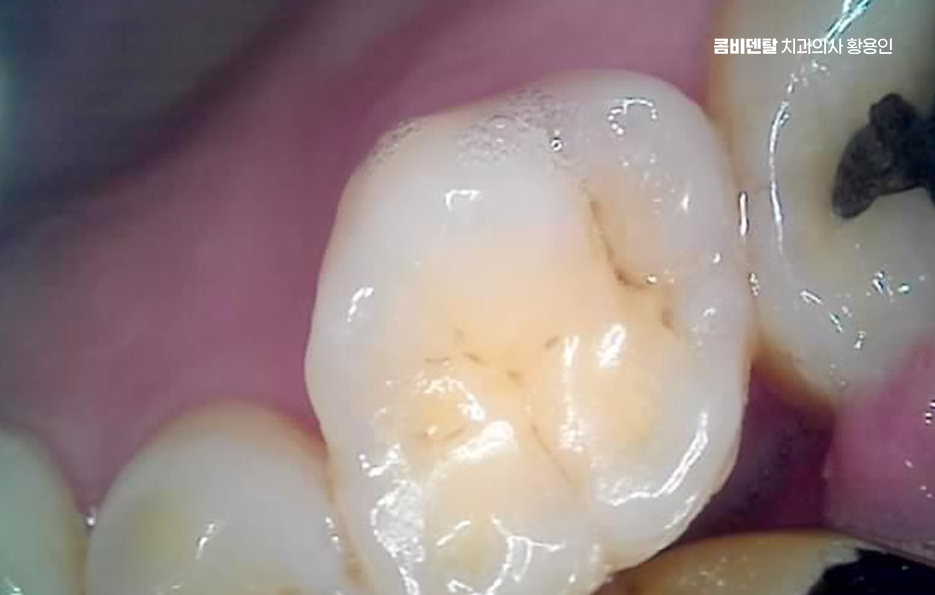
When replacing amalgam, it is often not just a matter of removing the amalgam and filling it with another material. During the removal process, the already weakened tooth structure can be exposed, and the extent of the damage may be greater than expected.
In such cases, treatment to protect the tooth should also be considered, and the choice of material should be made by taking into account the current condition of the tooth, the chewing force, and how manageable the tooth will be. When planning retreatment, many people worry most about cost and time. Of course, these are important factors, but if decisions are made only based on the immediate burden, it can instead lead to more extensive treatment.
If the problem is addressed early while it is still small, treatment may remain relatively simple. But if it is left untreated and the tooth cracks or the nerve is damaged, the scope of treatment and the burden can increase significantly.
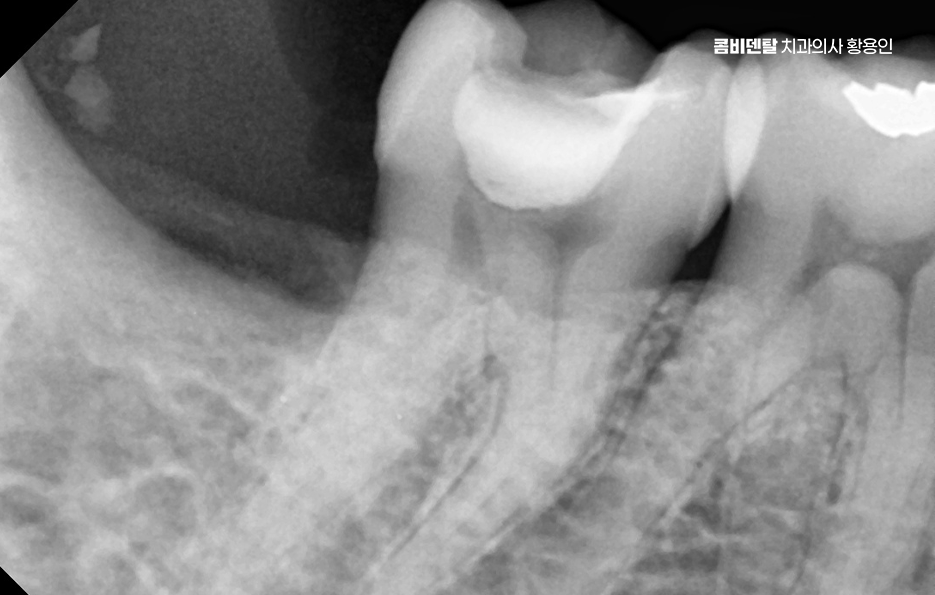
Old restorations and amalgam are less something you can use indefinitely and more something you should use while checking them regularly. Just as a car is managed by replacing consumable parts, teeth also need inspection and reinforcement over time. In particular, the older the tooth treatment, the more important it may be to check its condition at least once by today’s standards.
In conclusion, the right time to replace old restorations and amalgam is not when the problem has already become obvious, but before it grows larger. Checking them when there is no pain and responding when there are small changes is a practical way to protect tooth longevity. There is no need to view old restorations and amalgam with unnecessary fear, but knowing the current condition accurately and treating only as much as is needed at the right time—that is a wise way to manage old restorations and, in turn, help protect natural teeth.

Previous image
Next image

Previous image
Next image



Previous image
Next image




Previous image
Next image