
When I was younger, I didn’t think my teeth were particularly misaligned. But as I got older, every time I took a photo, my upper front teeth caught my eye first. Especially in photos where I smiled straight at the camera, one front tooth looked slightly tucked inward while the neighboring tooth seemed to protrude forward, which made my expression look awkward too.
My lower teeth didn’t bother me much, and even when my mouth was closed, it didn’t cause any problems in daily life. So when I thought about whether I would need full orthodontic treatment, it felt like too much of a burden, and I came to feel that it would be enough if just the upper front teeth were a little more even.
I typed “upper teeth partial orthodontics” into the search bar several times. Some posts said the front teeth could be adjusted within a short period, while others said full orthodontics might be needed depending on the case, so my feelings kept swinging back and forth between hope and worry.
Honestly, what made me hesitate the most was not the treatment itself, but the fear that I might start it and then make things bigger than they needed to be. I worried that if I went in saying I only wanted upper-teeth orthodontics, I might be told there were bite issues too, and I couldn’t bring myself to press the dental clinic reservation button because I was afraid the cost and treatment period would end up being greater than expected.
Still, while practicing smiling in front of the mirror and noticing myself constantly closing my lips, I realized I couldn’t keep putting it off. I did want to look better, but more than that, I wanted to break the habit of hiding my teeth every time I smiled.
The day before going to the dentist, I kept touching my upper teeth for no reason. I wondered whether only the front teeth were the problem, or whether the neighboring teeth would also need to move, and as I imagined things on my own, what seemed like a small concern turned out to be deeper than I expected.
In cases like this, when people consider orthodontics for only the upper teeth, it is usually because the front teeth visible when smiling are slightly misaligned or one or two teeth protrude and make the overall impression look awkward. Of course, there are cases where orthodontics limited to the front teeth or upper teeth is possible, but first it may be necessary to check whether the bite with the lower teeth remains stable even if only the upper teeth are moved.
Partial orthodontics is not a treatment that dramatically changes the entire dental arch. It is closer to refining the visible alignment and small spacing issues within a limited area. So even if the treatment seems short and simple, it can be important to distinguish between suitable cases and cases that should be avoided.
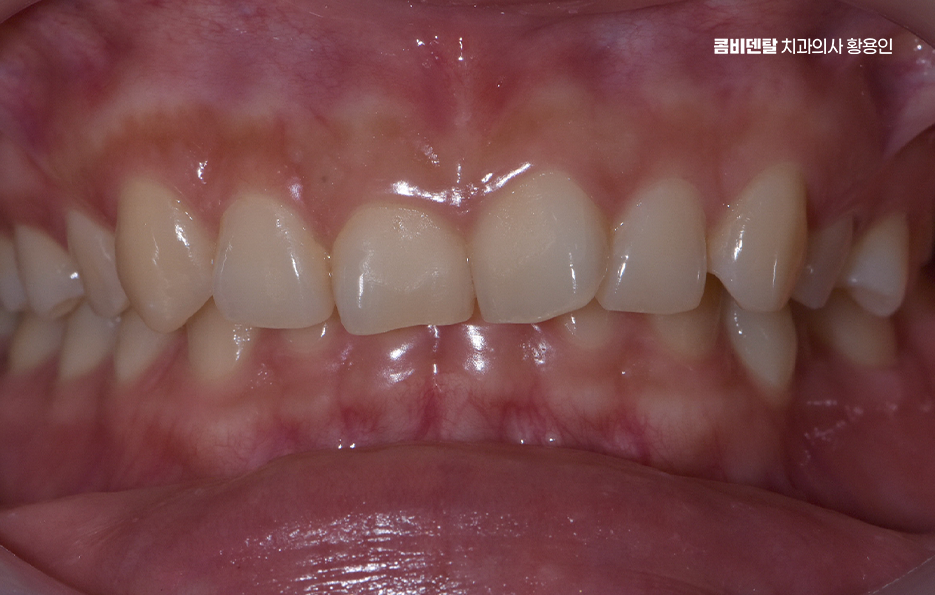
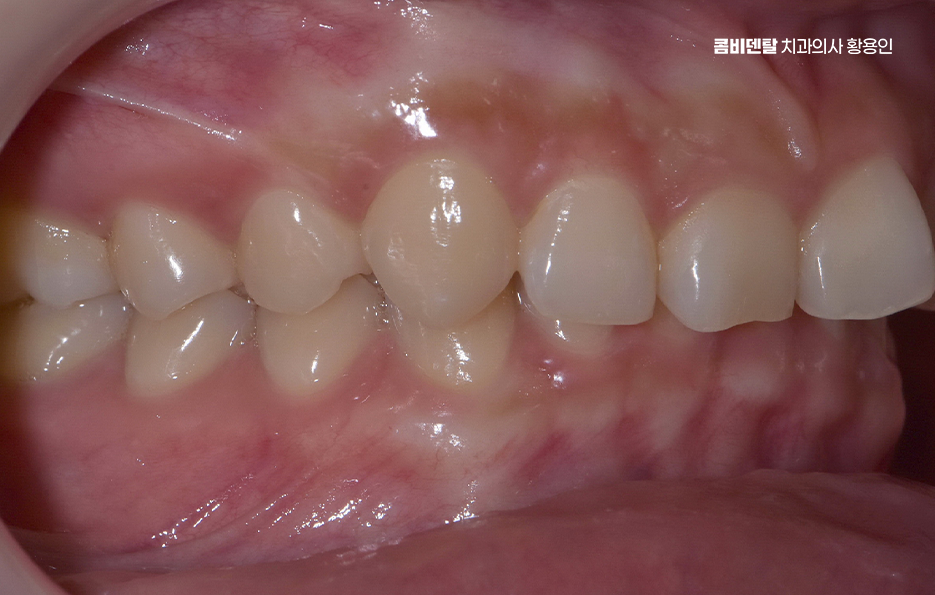
A typical case where upper-teeth partial orthodontics may be possible is when the upper front teeth overlap slightly or one front tooth is turned a little. If the bite with the lower teeth is not significantly problematic and the molar occlusion is stable, alignment can be improved mainly around the upper front teeth.
Another case that can be considered for partial orthodontics is when, after having orthodontic treatment in the past, the upper front area has shifted slightly because the retainer was not worn properly. If the amount of tooth movement is not large and the gum condition is good, the teeth can often be realigned with a relatively simple plan.
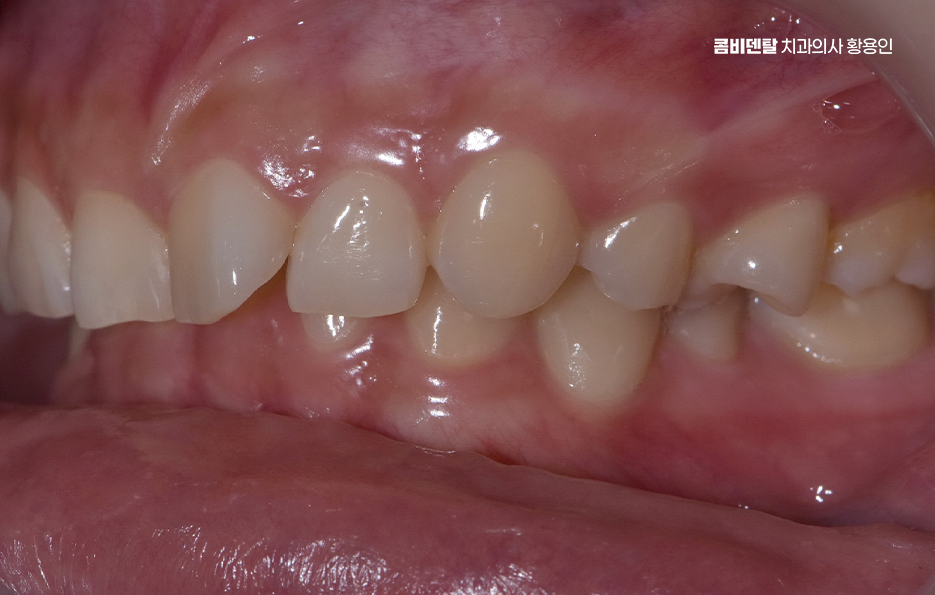
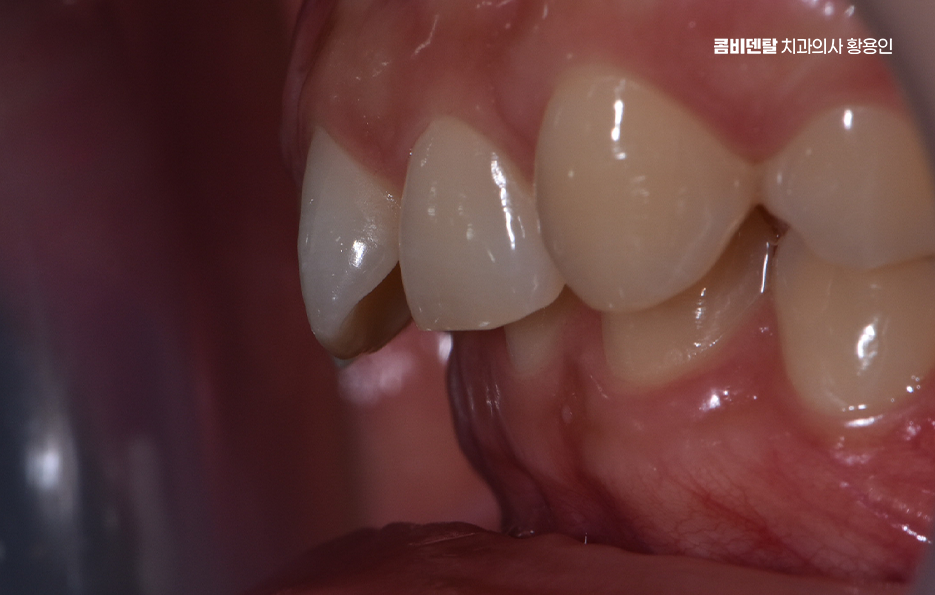
Upper-teeth gaps can also be treated with partial orthodontics depending on the cause. However, it is first necessary to determine whether the teeth have spread due to weakened gums from aging, or whether the cause is congenital or acquired, so that reopening after treatment can be prevented.
On the other hand, if the upper teeth protrude severely or the lips cannot close easily, partial orthodontics limited to the upper teeth may have its limits. In many cases, moving the front teeth backward requires checking the available space, the position of the molars, and the relationship with the lower teeth as well. That is why it can be important to make a treatment plan suited to me based on a comprehensive diagnosis.
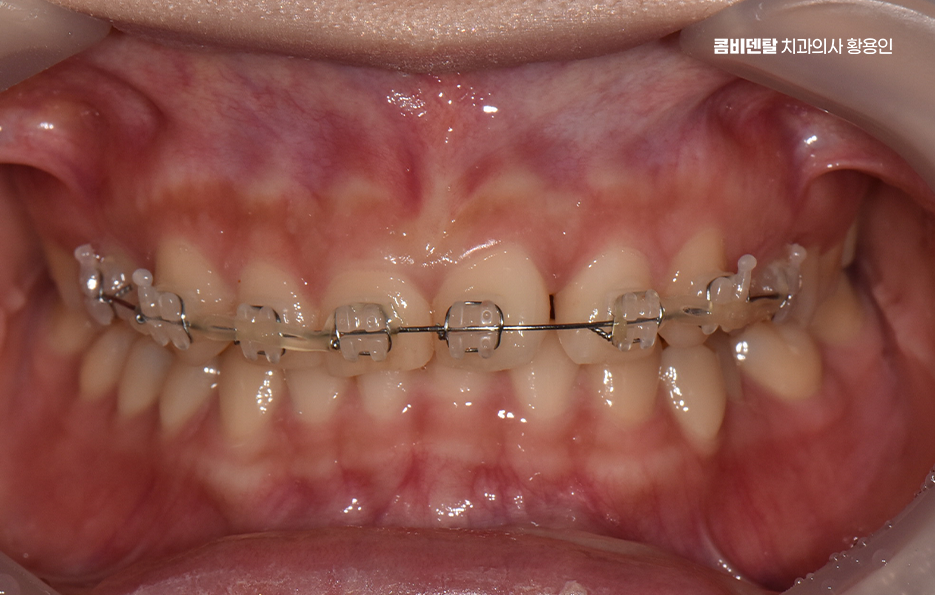
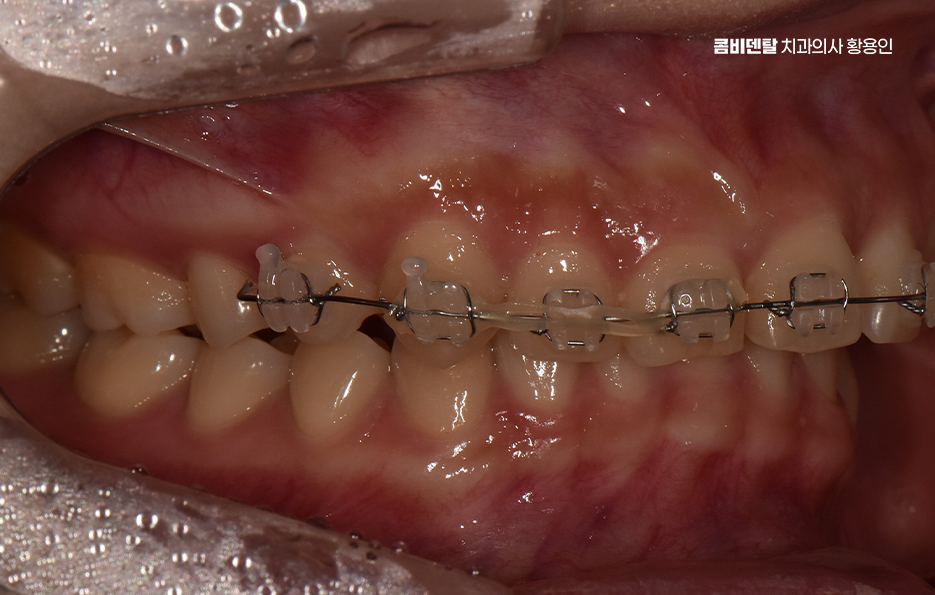
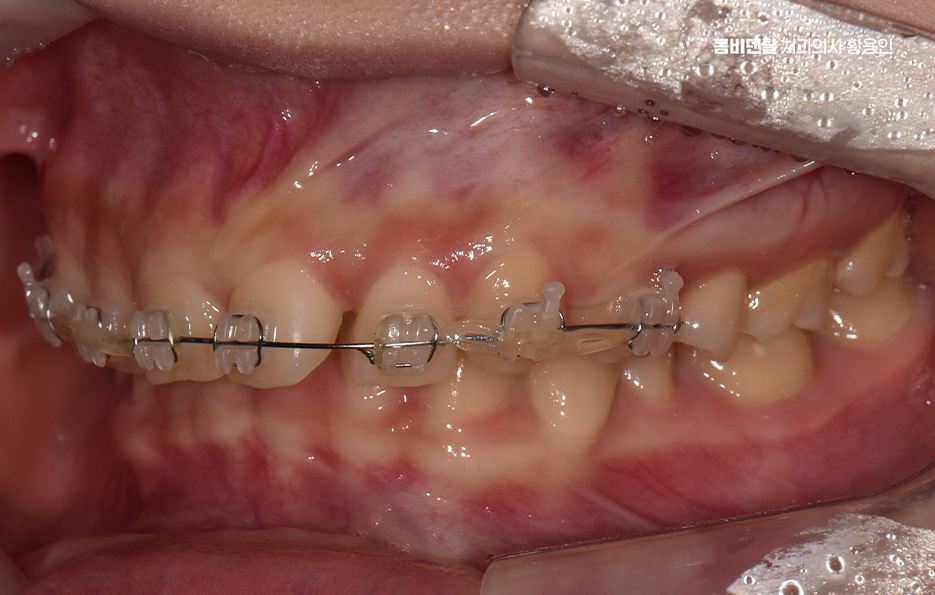
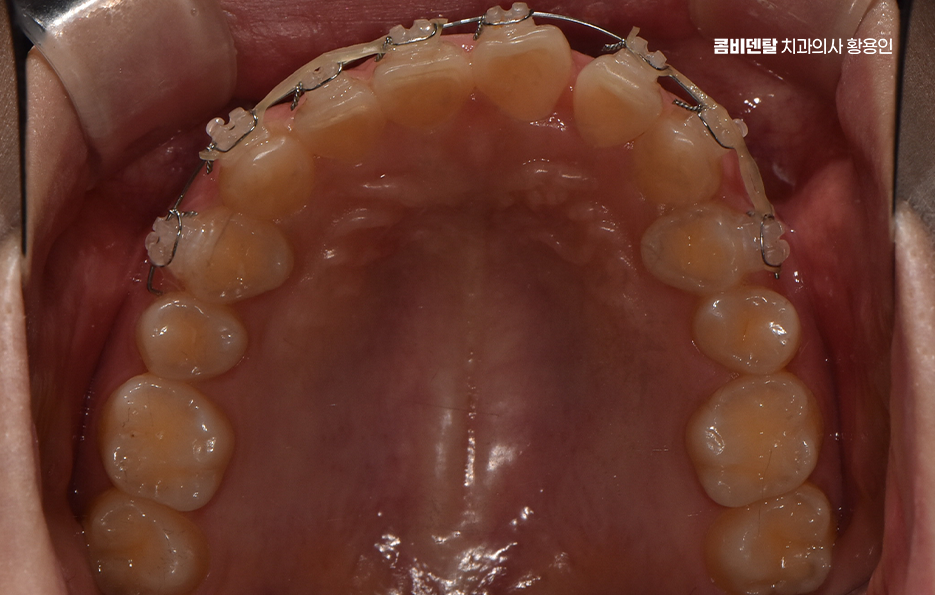
Therefore, when making a treatment plan, the first step is to check through facial photos, intraoral photos, X-rays, and 3D CT scans whether only the upper front teeth need to be moved. If there is a slight lack of space, sometimes a very small amount is adjusted between the teeth or the angle of the front teeth is modified to create space, and the treatment proceeds only as much as needed within a range that does not harm tooth health.
When it comes to upper-teeth orthodontics, partial orthodontics has a narrow treatment scope, so it is important to clearly define the initial goal. Deciding realistically how straight the front teeth should be made, how the gaps between the teeth should be closed, and how far the midline should be matched can help reduce unnecessary gaps between expectations and results.
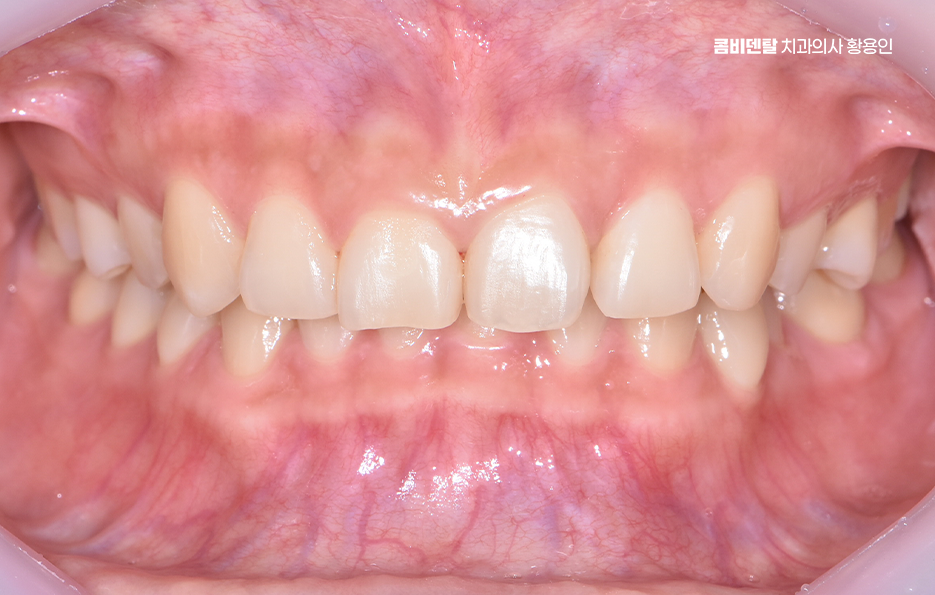
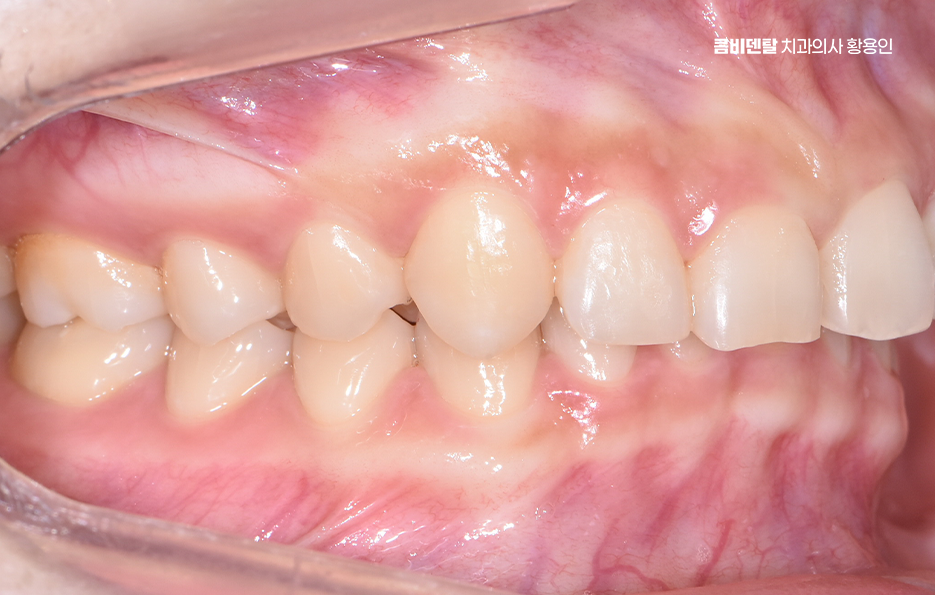
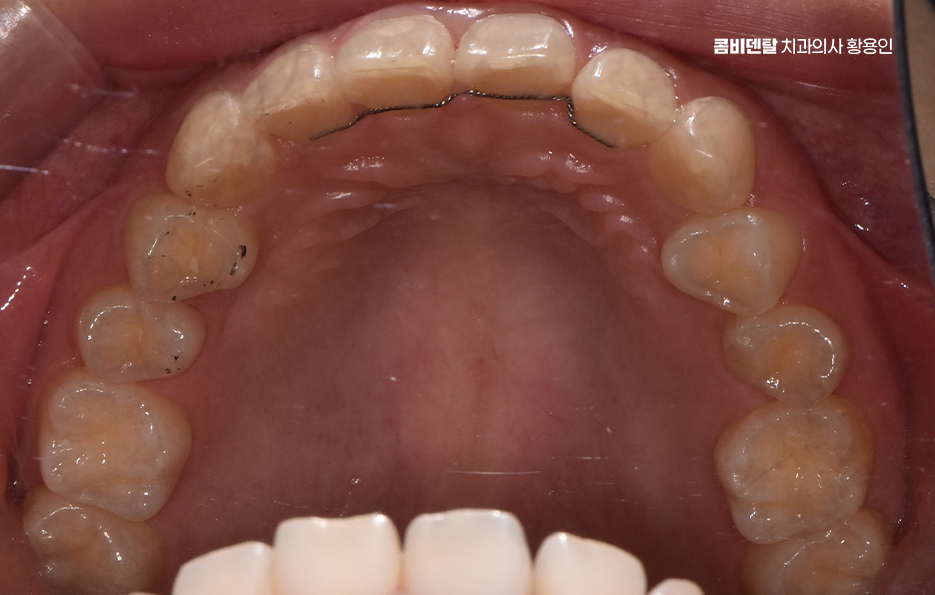
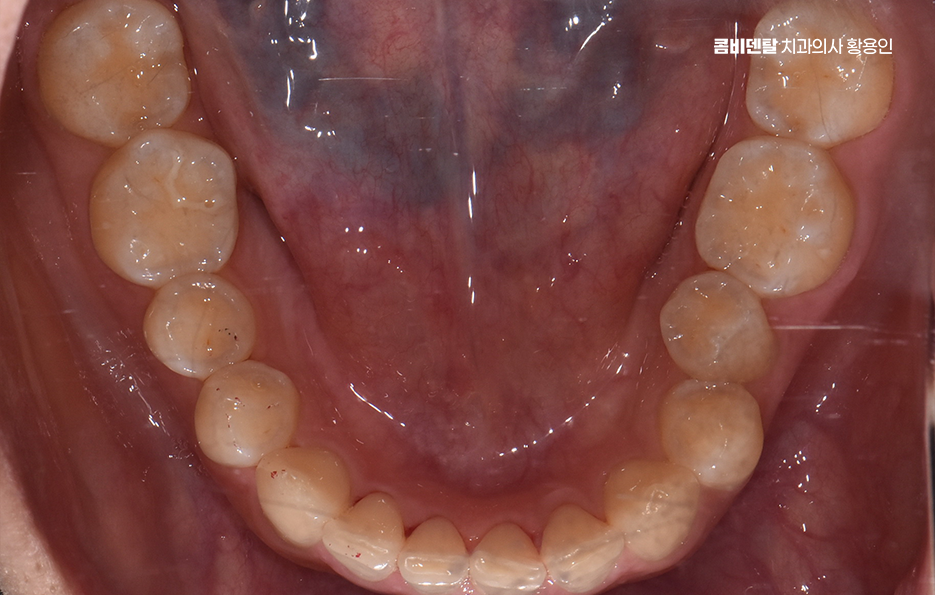
One important point to keep in mind is that partial orthodontics does not mean lighter care. If food residue remains around the appliance, the gums can swell or cavities can develop. So you need to brush carefully and use floss or interdental brushes to keep the spaces between teeth clean. After treatment ends, wearing a retainer is absolutely necessary. Because the upper front teeth are in a position that continuously receives pressure from the lips and tongue, even after they have been straightened they can spread again or shift back if you let your guard down. Careful retention management is what allows the results of a short treatment to last.
In conclusion, a case in which upper-teeth partial orthodontics may be possible is one where the upper front teeth have a mild alignment issue and the lower teeth and molar bite are stable. Rather than simply choosing the faster and easier treatment, it is first necessary to check whether your teeth meet the conditions for partial orthodontics. I hope you will make your decision through an accurate examination.
 Previous image
Next image
Previous image
Next image
 Previous image
Next image
Previous image
Next image
 Previous image
Next image
Previous image
Next image
 Previous image
Next image
Previous image
Next image