
I had forgotten that I had received an amalgam filling in a molar during cavity treatment many years ago. Then one day, while looking inside my mouth in the mirror, I noticed that the old silver-colored area looked particularly dark, and I began to wonder whether it might be time to have it replaced.
At first, I thought it would be fine to leave it alone because there was no pain and no significant discomfort when chewing. However, once I remembered how long ago the treatment had been, I could not easily put my mind at ease.
The amalgam had been in my molar for more than ten years. It seemed to have held up without any particular problems, but I became concerned after hearing that, over time, the edges could wear down or gaps could develop, allowing decay to form again underneath or around it.
I could not see the area clearly in the mirror, but when I touched it with my tongue, the surface seemed slightly rougher than before. Whenever I occasionally felt a dull sensation while chewing, I kept wondering whether a problem might have started inside the tooth.
I was worried that touching a treatment area that seemed fine might mean removing more of the tooth or undergoing a more extensive procedure. On the other hand, I was also afraid that if I missed the right time for replacement and decay deepened inside, it might eventually require root canal treatment.
Because a molar receives a great deal of chewing force, I also wondered whether a habit of eating hard foods as usual might be worsening the problem if tiny cracks had formed around the old amalgam. I found myself being careful every time I ate.
At the same time, I was bothered that the silver-colored amalgam was slightly visible when I smiled. Since many people now replace amalgam with tooth-colored materials, both functional and cosmetic considerations made me think about having it changed.
However, I was concerned about sensitivity after treatment and the cost, and I had read that removing existing amalgam could be more complicated than expected. As a result, I could not easily make an appointment.
In this way, amalgam replacement is not performed simply because an old silver-colored filling is unattractive. It may be necessary when the tooth around the filling has weakened, a gap has formed, or decay has begun to develop again.
Amalgam has long been widely used to treat cavities. It is hard and durable, but over time, the boundary where it meets the tooth can become rough or begin to separate.
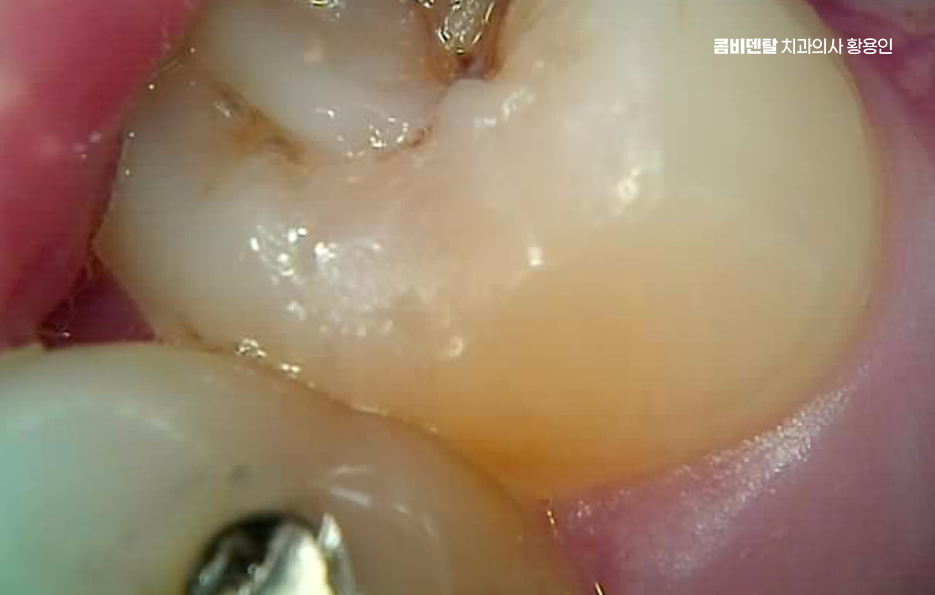
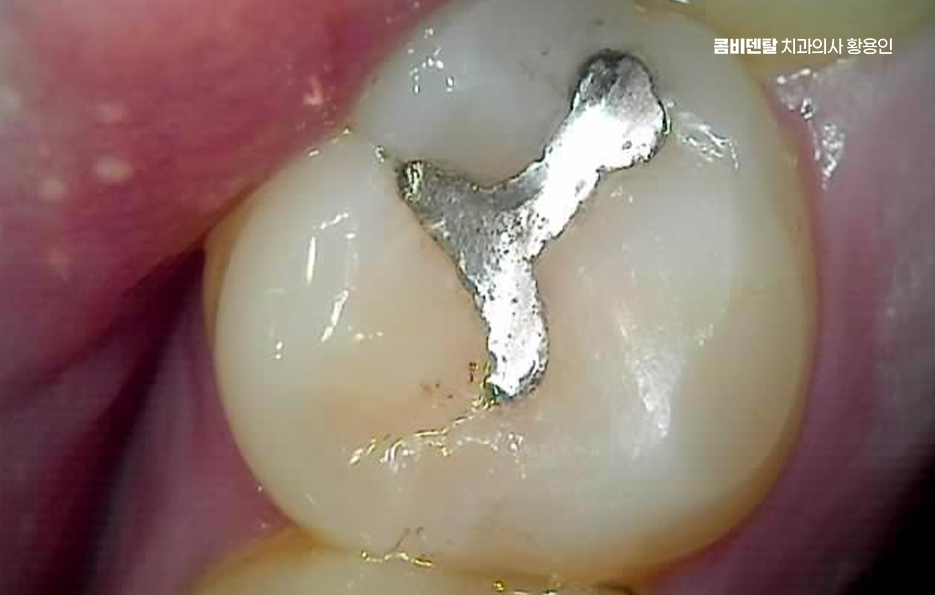
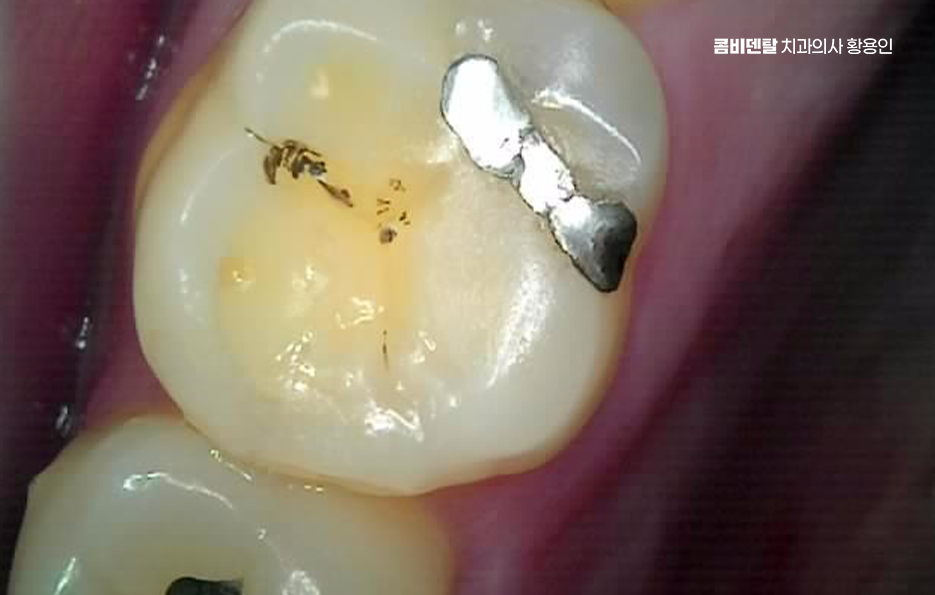
A typical situation in which amalgam replacement may be considered is when a black line or brown discoloration around the amalgam becomes more extensive. This may be simple staining, but it may also indicate that secondary decay has developed through a gap at the margin. If sharp pain in a particular area when chewing or repeated sensitivity to cold water occurs, the tooth should be checked, as decay may be progressing beneath the old amalgam or a tiny crack may have formed in the tooth.
Amalgam replacement should also be considered if the amalgam has fractured or part of it has fallen out. Food can become trapped in the gap and bacteria can enter, allowing decay to deepen quickly. Even when the filling itself appears intact, the surrounding tooth walls may have become thin. In areas that receive substantial chewing force, such as molars, the tooth beside an old amalgam may crack or break.
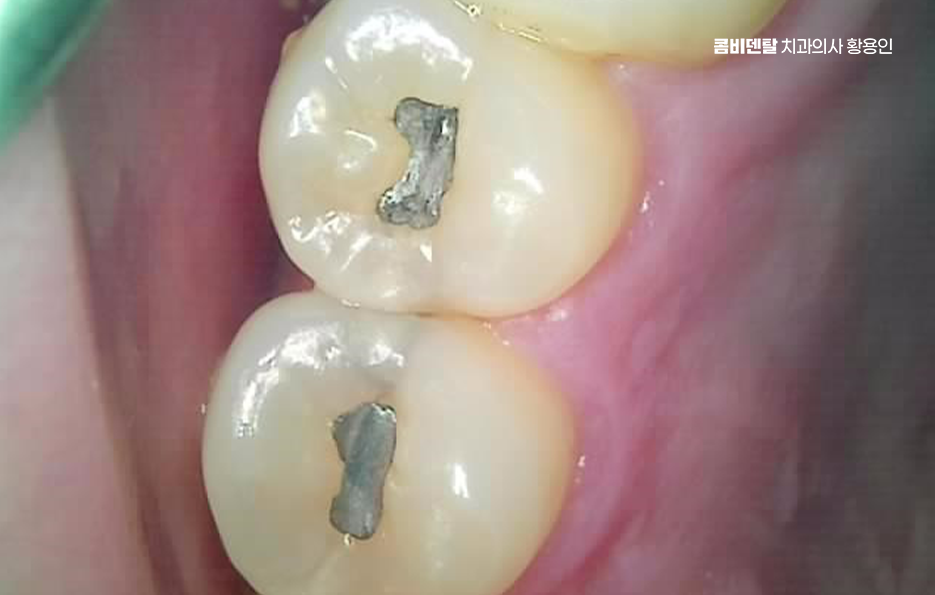
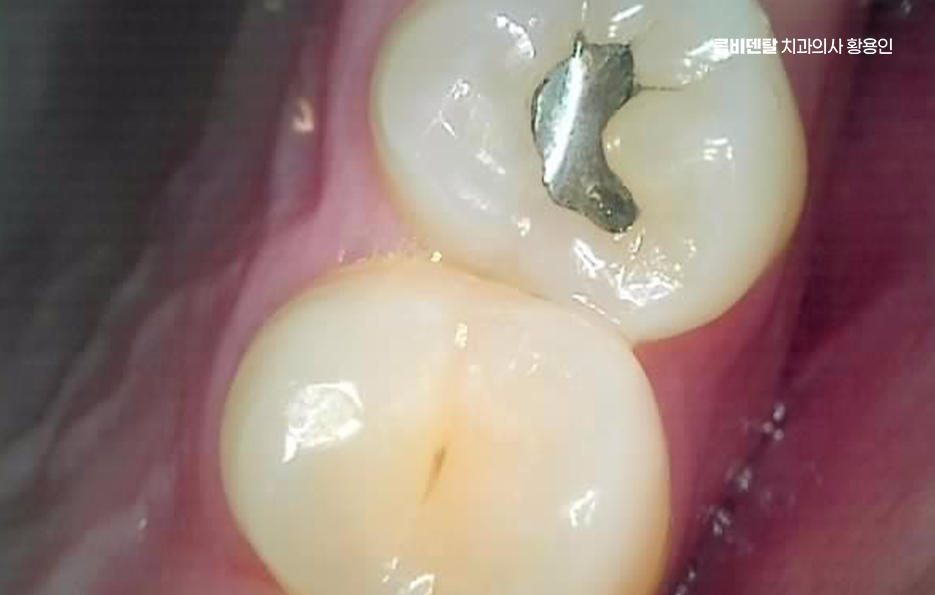
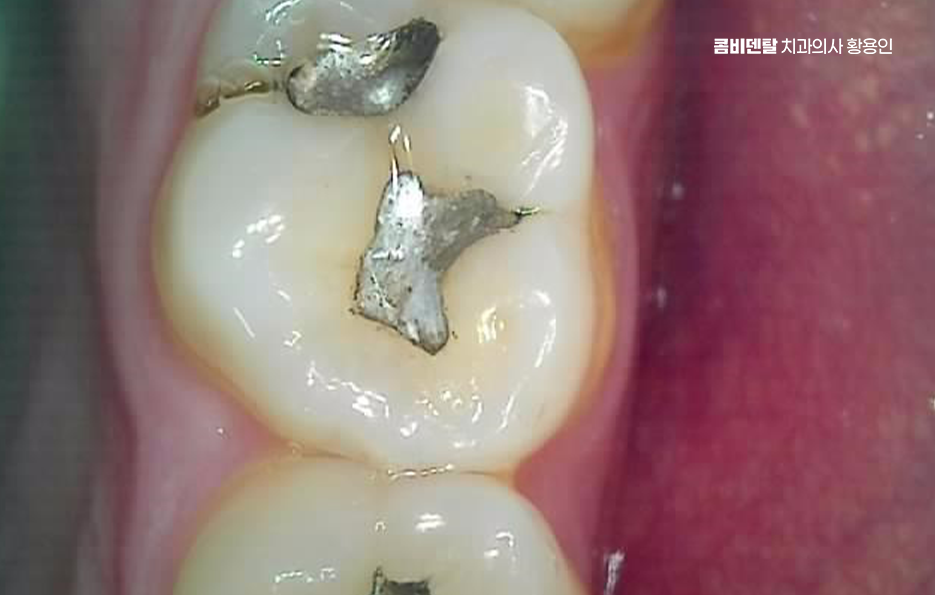
Decay beneath amalgam is often difficult to see from the outside. Even without pain, it is advisable to have the tooth examined if the margin feels raised, there is an odor, or food frequently becomes trapped. If an old amalgam is very large and occupies most of the tooth, the timing of replacement should be considered more carefully. If little tooth structure remains after removal, simply placing another filling may be difficult.
The timing of amalgam replacement is not determined only after discomfort develops. If a routine examination reveals a gap, fracture, secondary decay, or a crack in the tooth, a treatment plan can be made in advance even when symptoms are mild.
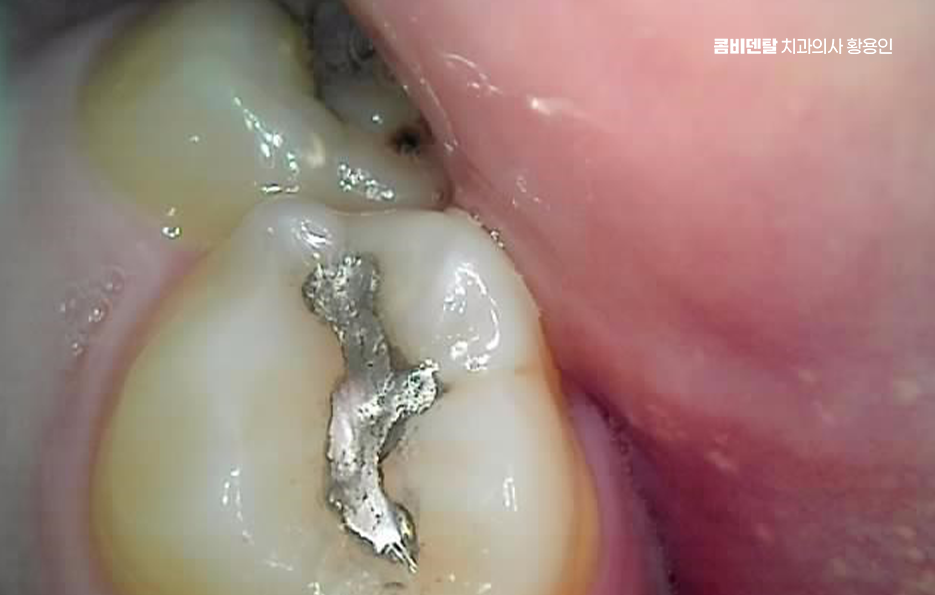
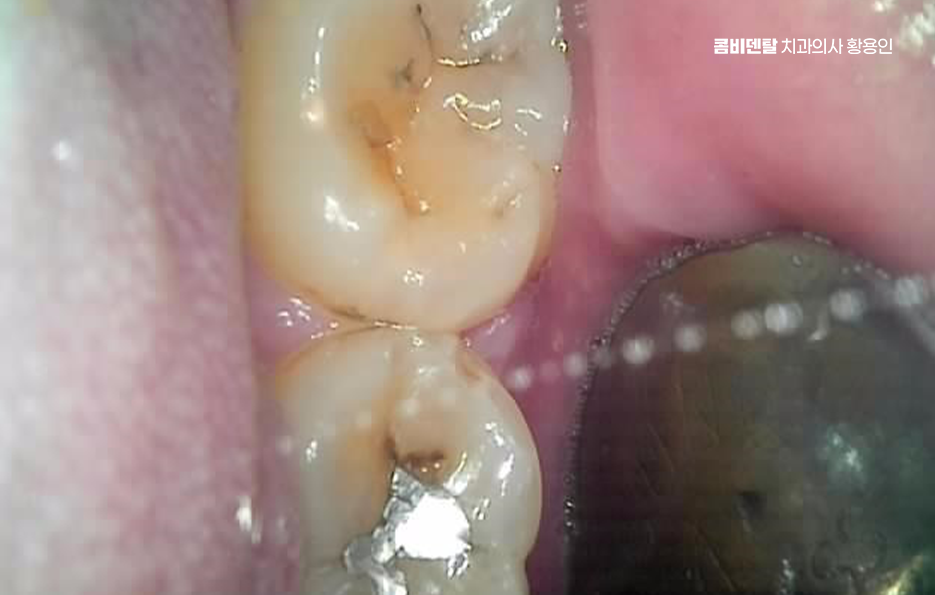
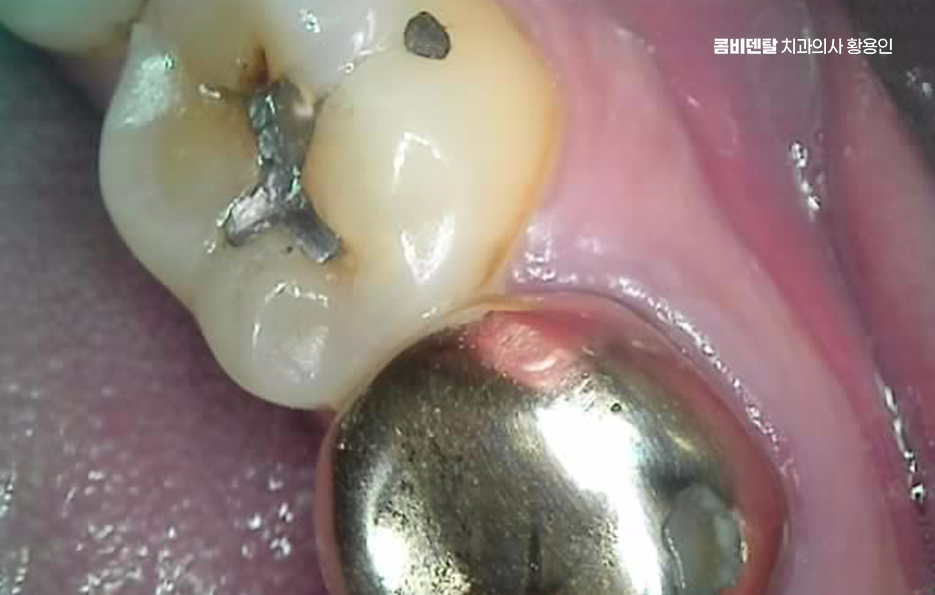
However, not every intact amalgam needs to be replaced simply because it is old. If the margin fits well, there is no decay or crack, and there is no discomfort when chewing, it may be monitored and maintained.
When replacement treatment is performed, the depth of any decay beneath the amalgam is first assessed using X-rays and an oral examination. The treatment method may depend on how far the decay has spread inward beyond what is visible. If the area of decay is small and sufficient tooth structure remains, the amalgam may be replaced with composite resin. Because its color is similar to that of the tooth, it looks natural, and the procedure can often be completed relatively simply by removing only the necessary area.
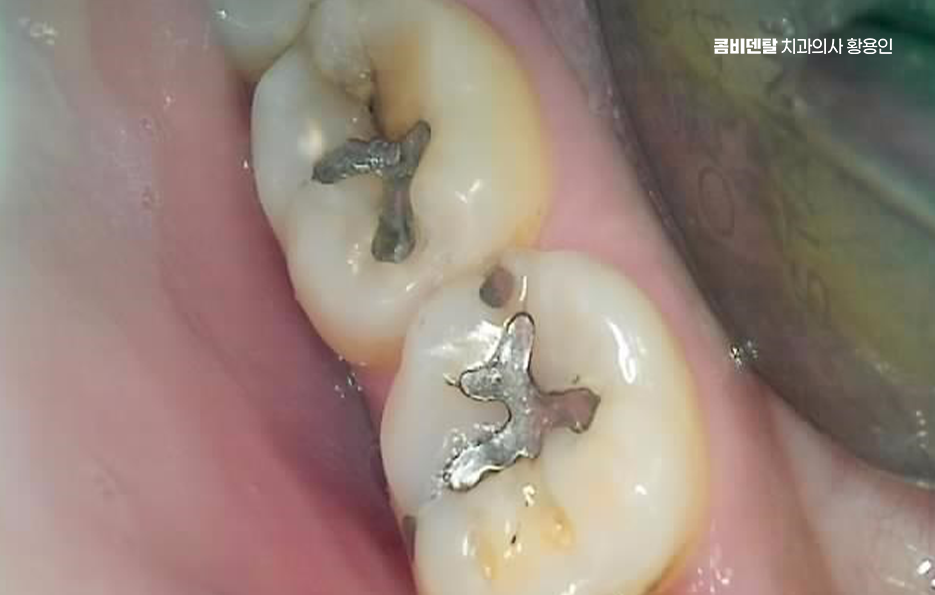
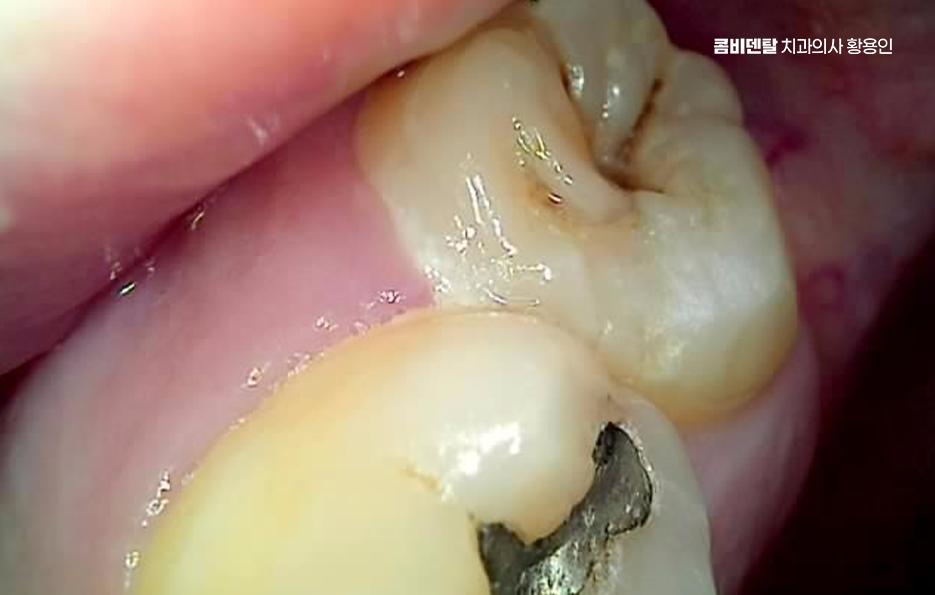
If the chewing surface of a molar is extensively damaged or is subject to substantial force, an inlay may be considered. This reinforces the weakened area with a material that is harder than composite resin. If, after removing the amalgam, the tooth walls are very thin or a large crack is visible, a crown may provide greater stability. Covering the remaining tooth structure as a whole can help reduce the risk of additional fracture.
In conclusion, the need to replace an amalgam is determined not only by the lifespan of the material itself but also by the condition of the surrounding tooth. It is important to check for gaps between the tooth and filling, decay, breakage, sensitivity, and cracks, and to develop a treatment plan that helps the tooth remain functional for as long as possible. Regular checkups and visiting a dentist whenever something seems concerning can help preserve the natural tooth.





Previous image
Next image






Previous image
Next image




Previous image
Next image



Previous image
Next image