
I knew that my front teeth protruded noticeably, but because my teeth were not severely misaligned, I had never thought that I would need orthodontic treatment.
However, as I got older, I began to seriously consider treatment for protruding front teeth. From the side, my lips seemed to protrude first, and it became noticeable that my chin tensed whenever I tried to close my lips comfortably.
When I looked at myself straight on in the mirror, I did not feel that my face looked particularly unusual. However, when I looked at my profile in a mirror or in photographs, my mouth seemed to protrude much more than I had expected. I became especially concerned about my profile because the area around my mouth looked awkwardly prominent.
Because my front teeth angled forward, my upper lip looked slightly lifted even when my mouth was closed. My mouth also often fell open when I was relaxed, which made me feel unnecessarily tense in front of other people.
Even so, I could not make an easy decision about orthodontic treatment. Wearing an appliance for a long time was a concern, but more than anything, I had often heard that removing teeth was highly likely in order to retract protruding lips and teeth. The thought of possibly having four healthy premolars removed frightened me, and I was also worried about what would happen if the spaces did not close properly later.
When I asked people around me who had undergone orthodontic treatment, some said that extraction was completed more quickly than expected, while others said they experienced considerable pain after the anesthesia wore off.
Looking up reviews online was not as helpful as I had expected, either. When I read posts saying that their profiles looked more natural after extraction-based orthodontic treatment, I wanted to start immediately. But when I saw posts from people who regretted that their mouths had been retracted too far, I became worried instead.
The more I learned, the more I understood that each person has a different facial structure and treatment plan, but it was still difficult to judge hastily which outcome would apply to me.
Many people who are considering treatment for protruding front teeth worry about whether extraction-based orthodontic treatment is necessary. However, not everyone with protruding front teeth needs extraction-based treatment. The decision about extraction can only be made accurately by considering the degree of lip protrusion, the angle at which the teeth are angled forward, the range within which the teeth can move inside the jawbone, and the amount of space deficiency in the upper and lower arches together.
Extraction-based treatment is generally considered first when the front teeth are significantly tilted forward, making it difficult for the lips to close naturally; when the chin tenses upon closing the mouth; or when the lips protrude substantially beyond the reference line connecting the nose and chin in profile. If the teeth are arranged without extraction despite these conditions, the dental arches may expand, which can sometimes make the front teeth and lips appear even more prominent.
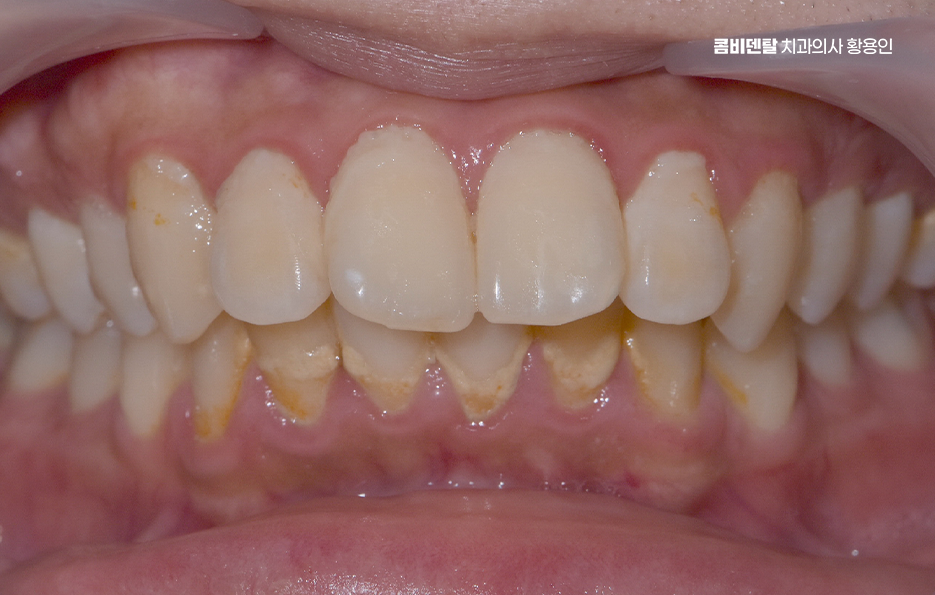
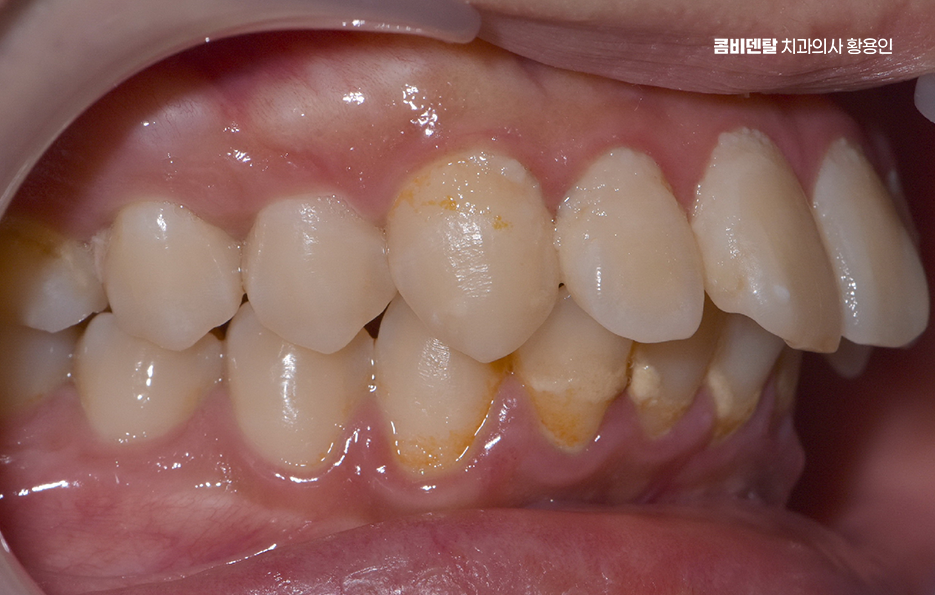
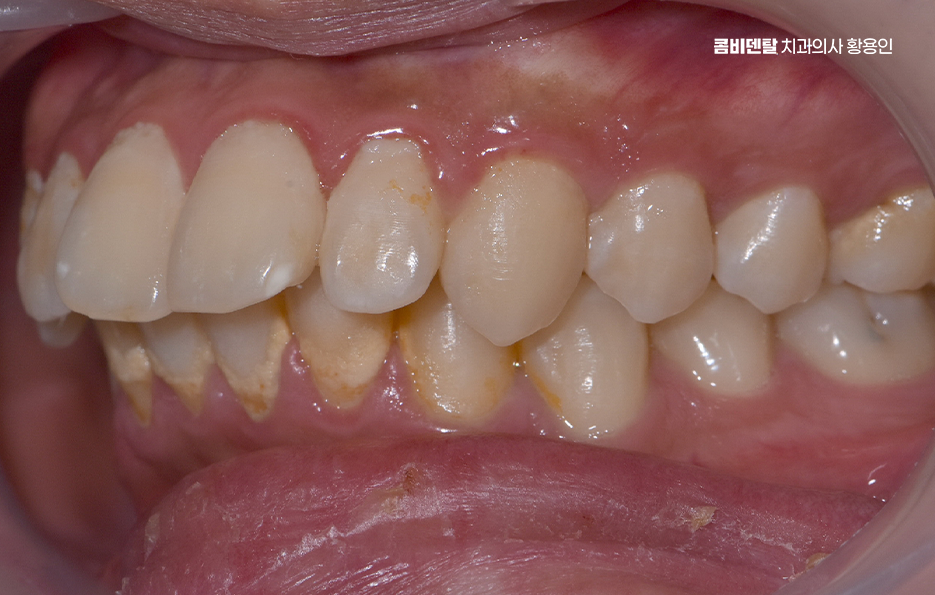
When there is not enough room for the teeth to move into alignment and protruding front teeth are also present, extraction is more likely to be necessary. If teeth are already overlapping and rotated, using interproximal reduction and pushing the front teeth outward to resolve the lack of space may straighten the alignment, but it can instead make the facial profile look more prominent.
Even when the protrusion is not severe, extraction may be more stable when the teeth are large relative to the jawbone and the crowded teeth overlap significantly. If an attempt is made to align all the teeth without extraction, the dental arches may expand excessively, which can cause nasolabial folds to appear or make the mouth look more prominent.
In addition, patients with thick lips or relatively retruded noses and chins may show more noticeable protrusion even with the same front-tooth angle. Therefore, the decision about extraction should not be based only on the dental alignment. It needs to be made by comprehensively reviewing detailed examination materials, including frontal and profile facial photographs and 3D CT scans.
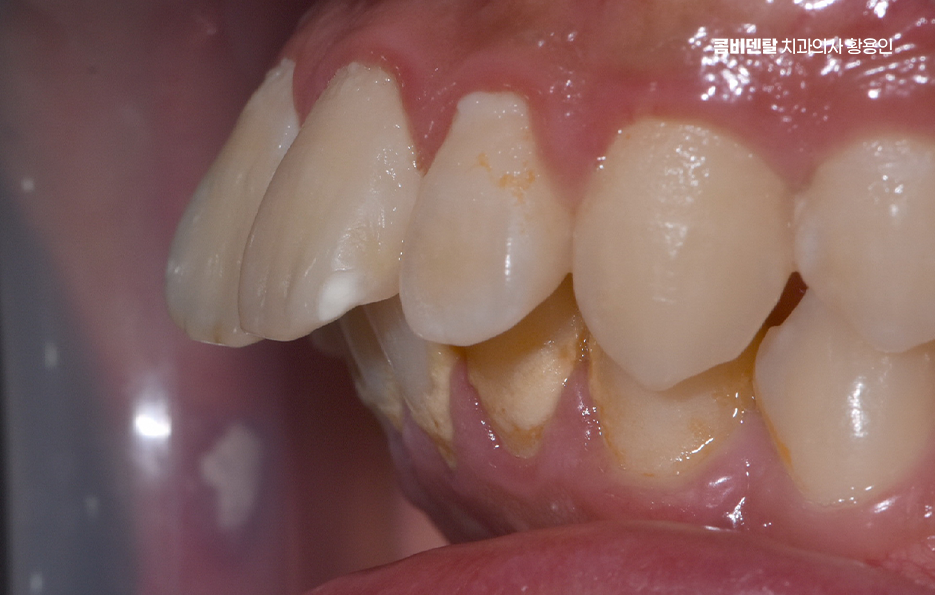
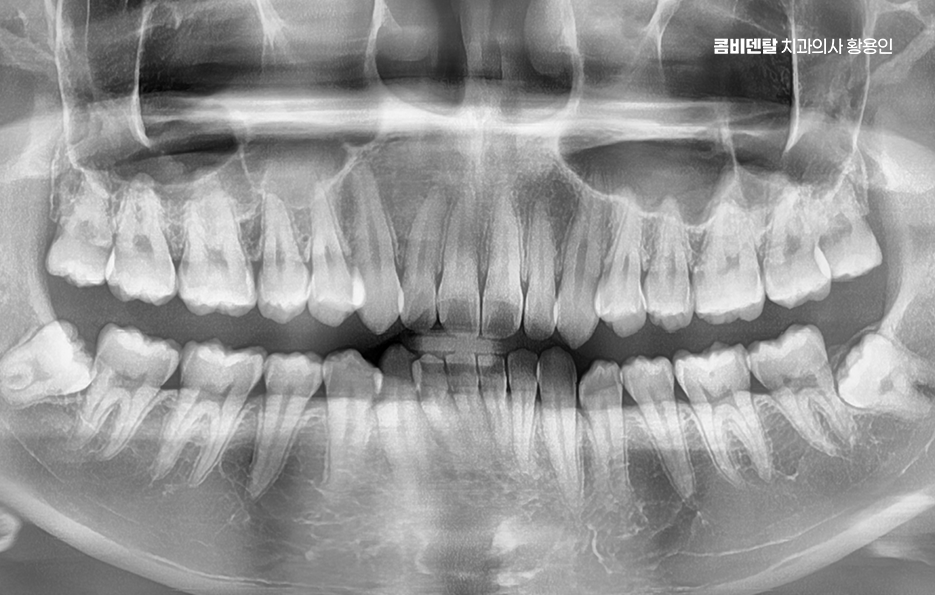
When imagining orthodontic treatment for protruding front teeth, people often assume that moving the front teeth significantly backward will also retract the lips to some extent. However, the amount of tooth movement and the degree of lip change do not always occur in a fixed ratio. Because the extent of facial change can vary depending on lip thickness and elasticity, muscle strength, and the shape of the nose and chin, an individualized orthodontic plan suited to each person is important.
Therefore, during the consultation stage, it is advisable to discuss the expected changes from treatment for protruding front teeth thoroughly with an orthodontic specialist and set realistic treatment goals. Retracting protruding front teeth too far can lead to side effects such as a flattened facial appearance or a sunken-looking area around the nasolabial folds. In particular, because skin and soft-tissue volume tend to decrease after middle age, the amount of tooth movement should be adjusted by considering not only the current face but also the impression after treatment.
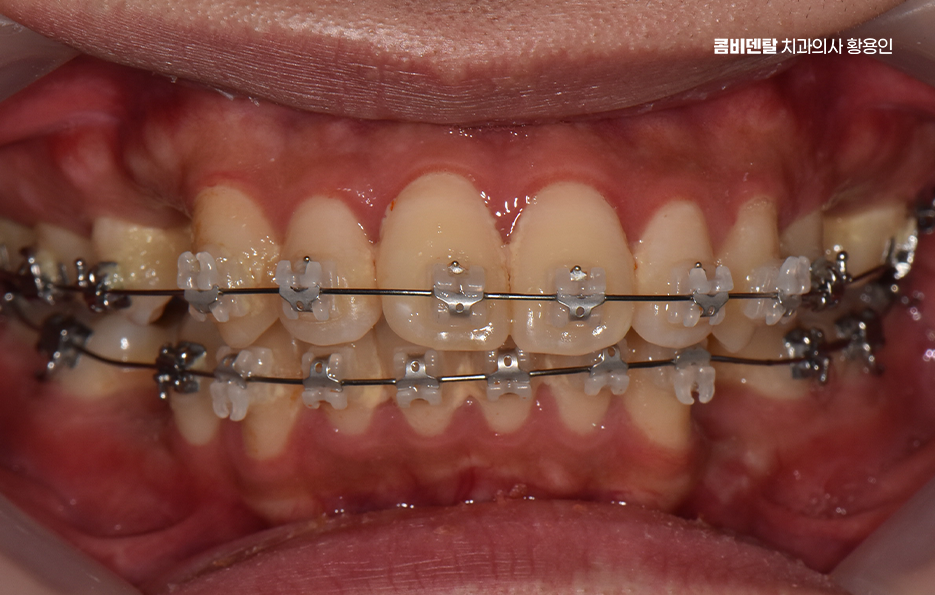
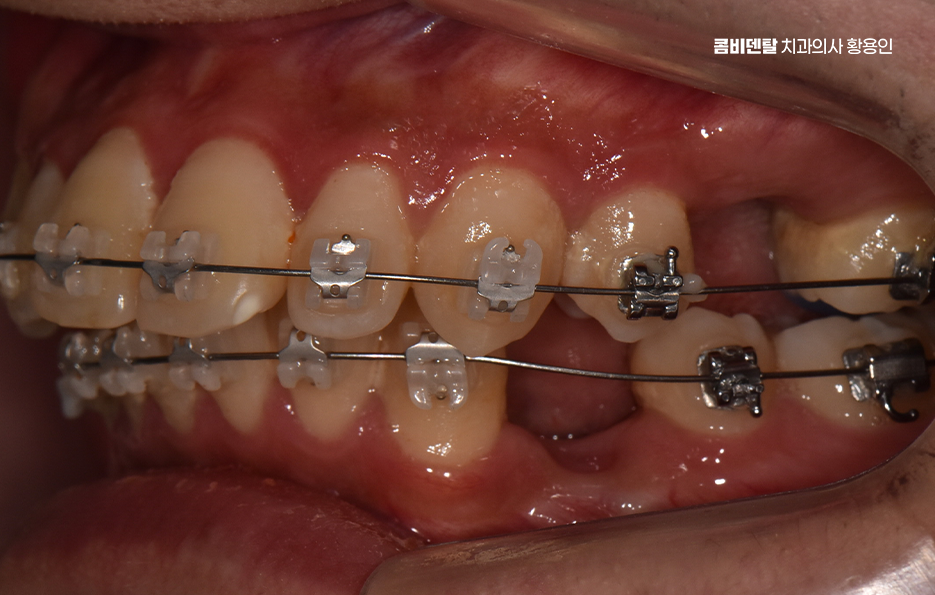
Although many cases of treatment for protruding teeth do involve extraction-based orthodontic treatment, there are also cases in which non-extraction treatment is more suitable. Space for tooth movement can be created through non-extraction methods such as interproximal reduction, moving the molars backward, and expanding the dental arches. For this reason, please make sure to determine whether extraction-based orthodontic treatment is necessary through a personalized, one-on-one treatment plan.
One point to be cautious about is that continuously applying strong force in an attempt to move the teeth backward quickly may increase risks such as root resorption. Orthodontic force is not necessarily more effective when it is stronger. It may be important to apply it within a consistent range so that the teeth move stably while allowing the periodontal tissues time to recover.
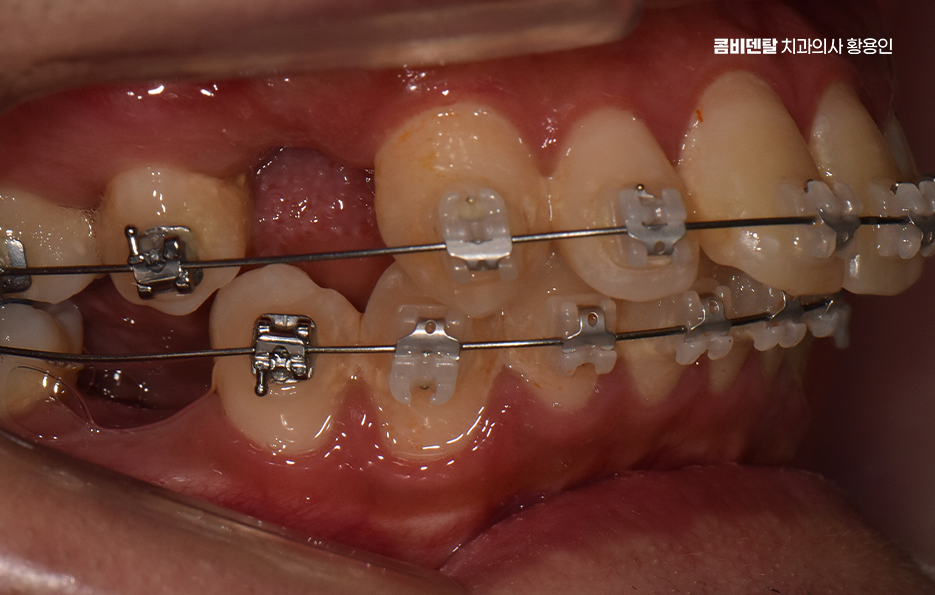
In addition, during extraction-based orthodontic treatment, it is important to close the extraction spaces naturally and achieve a precise bite. The treatment is not complete simply because the extraction spaces appear to have closed from the outside. To obtain a high-quality result, it is necessary to check whether the left and right roots are aligned parallel to each other, whether the front-teeth angles are appropriate, whether the molars meet stably, and whether the relationship between the teeth and lips looks natural when smiling.
In conclusion, treatment for protruding front teeth is not simply a process of straightening the dental alignment. It involves adjusting the profile and harmony of the entire face, lip function, the limitations of the jawbone, and the upper and lower bite together. When extraction-based treatment is necessary, it is advisable to establish a systematic treatment plan by comprehensively considering why extraction is needed, which treatment plan is suitable for you, and what aftercare will be required.






Previous image
Next image





Previous image
Next image



Previous image
Next image

Previous image
Next image