
I first heard that one of my wisdom teeth was lying sideways a few years ago when I went in for a dental cleaning.
While looking at the X-ray, I was told that my lower wisdom tooth was completely lying on its side. However, I had no pain at the time, and I only remembered being told that it did not need to be removed immediately. I casually put it aside, thinking I would deal with it someday if it really started to hurt.
Looking back, I think I wanted to believe that there was no problem simply because it did not hurt.
In fact, the biggest reason I postponed having the wisdom tooth removed was not a lack of time or the cost—it was simply that I was afraid.
Whenever I heard people say that their gums had been cut open and the tooth removed in several pieces, it frightened me just to imagine it. I also thought the anesthetic injection would hurt, and when I heard that their faces had swollen and they had eaten only porridge for several days, I wondered whether it was really necessary to disturb a tooth that seemed perfectly fine and put myself through all that trouble.
I eventually forgot about it, but one day I began to feel a heavy pressure inside the lower-right gum. At first, it was not severe pain—just a mild, dull ache extending to the tip of my jaw on days when I was tired—so I dismissed it as having slept in an awkward position. A few days later, however, the area began to sting whenever I chewed hard foods.
When I touched it with my tongue, the gum felt thick, as though it were swollen, and I gradually began to worry about it.
Even so, I was afraid that going to the dentist would mean being told that the wisdom tooth had to be removed. I took painkillers I had at home and brushed my teeth more vigorously to endure it. After reading that gargling with salt water could calm inflammation, I tried that for several days as well. It seemed to provide temporary relief, but by nighttime the gum would start throbbing again.
The most unsettling part was that I began to notice bad breath. Even immediately after brushing my teeth, I sensed a stale, strange taste around the wisdom tooth. When a little blood appeared on my toothbrush each time I brushed, I became concerned that food was continually getting trapped between the sideways tooth and the neighboring molar, causing inflammation.
The odor around the wisdom tooth eventually progressed into pain. From that point on, what worried me most was not just the wisdom tooth itself, but whether the neighboring molar might also develop a problem.
Pain from a sideways-lying wisdom tooth can result from several overlapping causes, including inflammation of the surrounding gum, food impaction, decay in an adjacent tooth, and odor.
A common cause of pain from a sideways-lying wisdom tooth is bacteria and food entering beneath the gum covering the tooth when only part of its crown has emerged. If inflammation develops in a deep area that is difficult for a toothbrush to reach, the area may swell and throb, and opening the mouth may become uncomfortable.
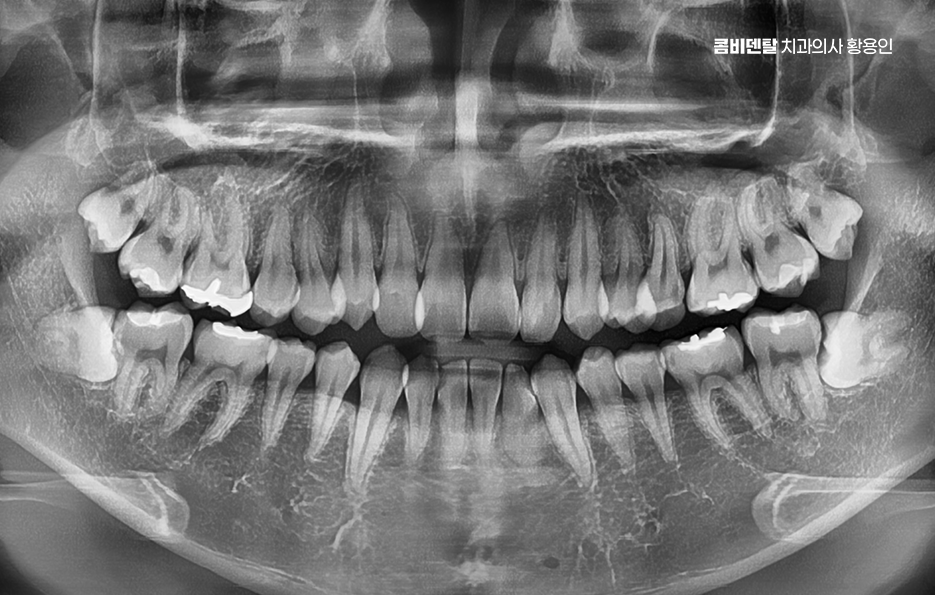
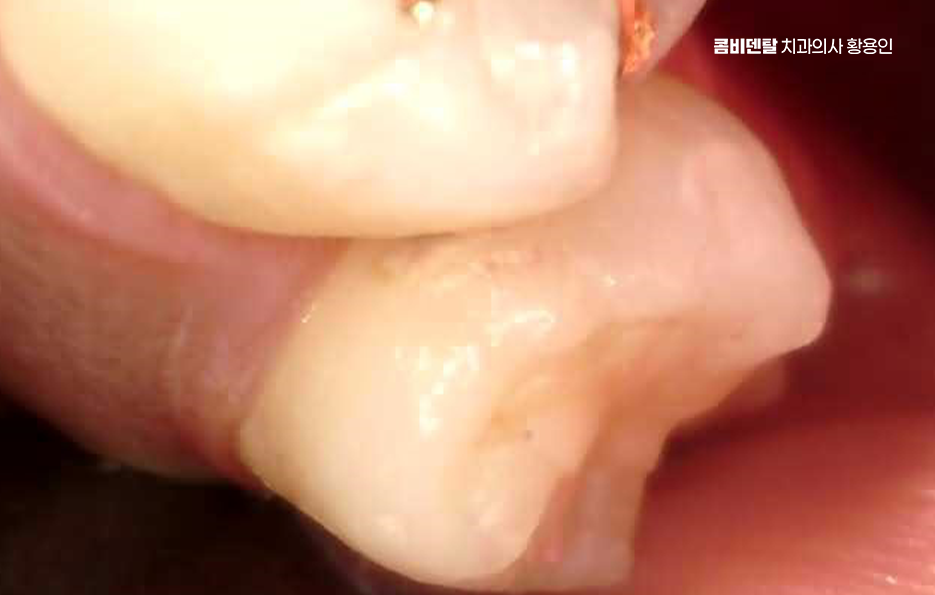
In some cases, pain from a sideways-lying wisdom tooth may feel as though it extends beyond the wisdom-tooth area to the region around the ear, beneath the jaw, or toward the neck. If inflammation irritates the surrounding muscles and lymphatic tissue, the jaw may feel stiff or achy, and discomfort when swallowing or symptoms resembling a headache may also occur.
Many patients describe pain from a sideways-lying wisdom tooth as pain in the front molar. This often occurs because food repeatedly becomes trapped between the wisdom tooth and the adjacent molar, allowing gum inflammation or decay to progress. In particular, if the crown of the wisdom tooth touches the root or crown of the front tooth, it can be difficult to see between the two teeth and proper brushing may be impossible. If decay develops in this area and is discovered late, not only the wisdom tooth but also the front molar that should be preserved may be damaged and require treatment.
When deciding whether to remove a sideways-lying wisdom tooth, it is necessary to assess more than whether pain is present at the moment. The tooth’s angle and depth of impaction, its distance from the adjacent tooth, the location of the nerve canal, and the condition of the surrounding gums and jawbone should all be examined accurately, using methods such as 3D CT imaging.
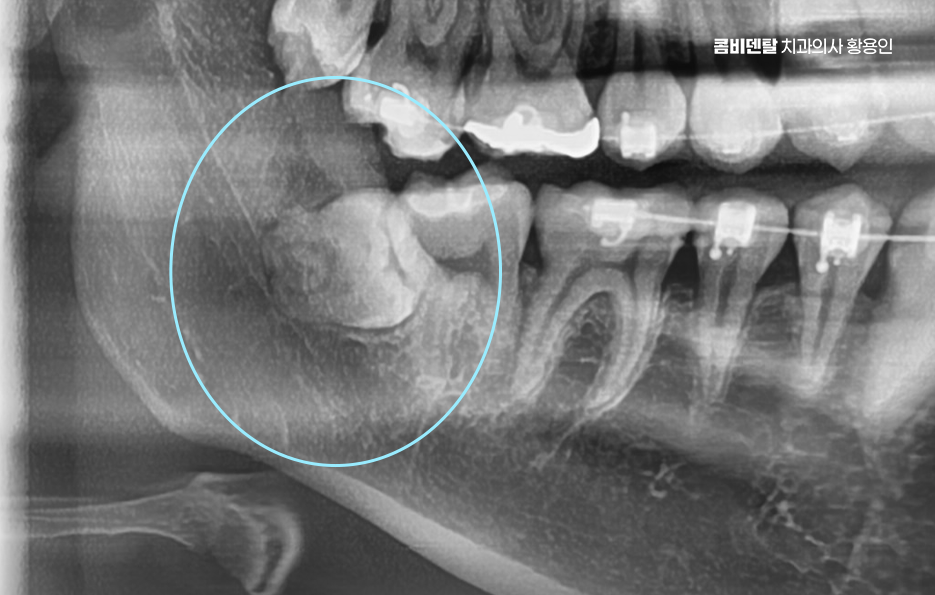
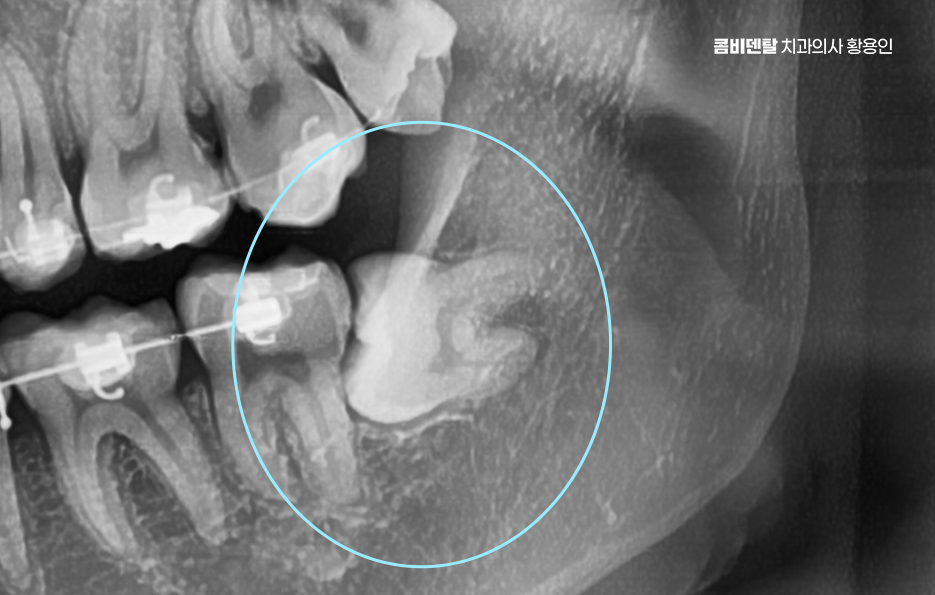
A sideways-lying wisdom tooth in the lower jaw may have roots located close to the inferior alveolar nerve. In such cases, it may be difficult to determine the exact distance using a standard X-ray alone. If the nerve canal and roots appear to overlap or the root shape is complex, the risks of extraction should be evaluated with a 3D CT scan. If the area around the wisdom tooth is severely swollen, pus is present, and the mouth can barely be opened, it may be necessary to reduce the inflammation first rather than extract the tooth immediately. After cleaning and disinfection and the use of any necessary medication, the timing of extraction can be determined once mouth opening and swelling have improved.
Upper wisdom teeth may appear simpler to remove than lower ones, but they can be located close to the maxillary sinus. Because a precise treatment process may be needed to prevent a sinus perforation, it is important to establish a treatment plan suited to each individual.
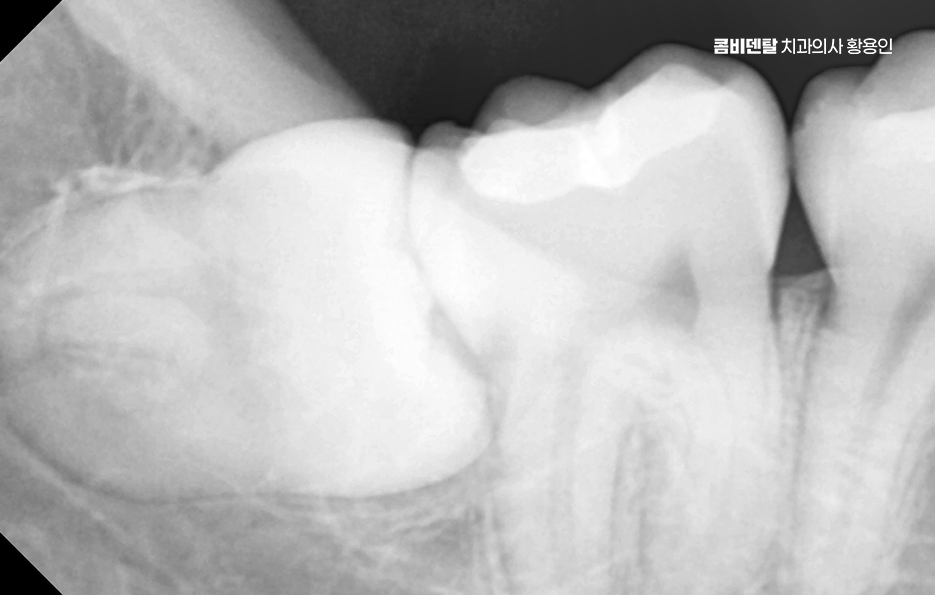
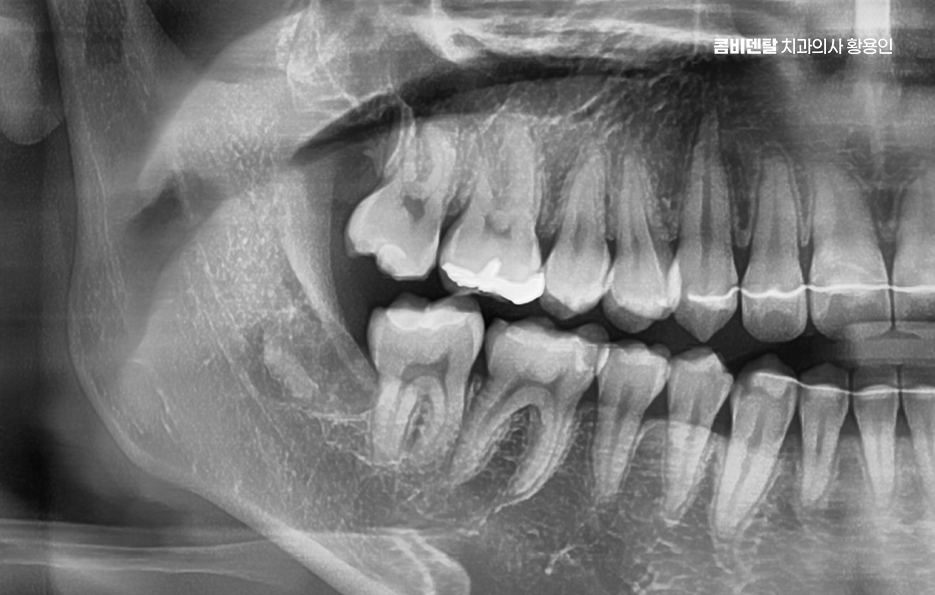
The extraction plan for a painful sideways-lying wisdom tooth may vary depending on how much of the tooth is exposed outside the gum and how deeply it is buried in the jawbone. If part of the crown is visible, the gum may be incised as minimally as possible. However, a deeply impacted wisdom tooth may require a gum incision, removal of some jawbone, and sectioning of the tooth for extraction.
Before extraction, medications currently being taken, allergies, bleeding disorders, and systemic conditions such as high blood pressure, diabetes, and osteoporosis should be checked. In particular, stopping blood-thinning medication without authorization can be dangerous, so the timing of extraction and whether medication adjustments are needed should be decided in consultation with the prescribing clinician. Pain and swelling after surgery can vary depending on the difficulty of the extraction, the procedure time, and each person’s recovery response.
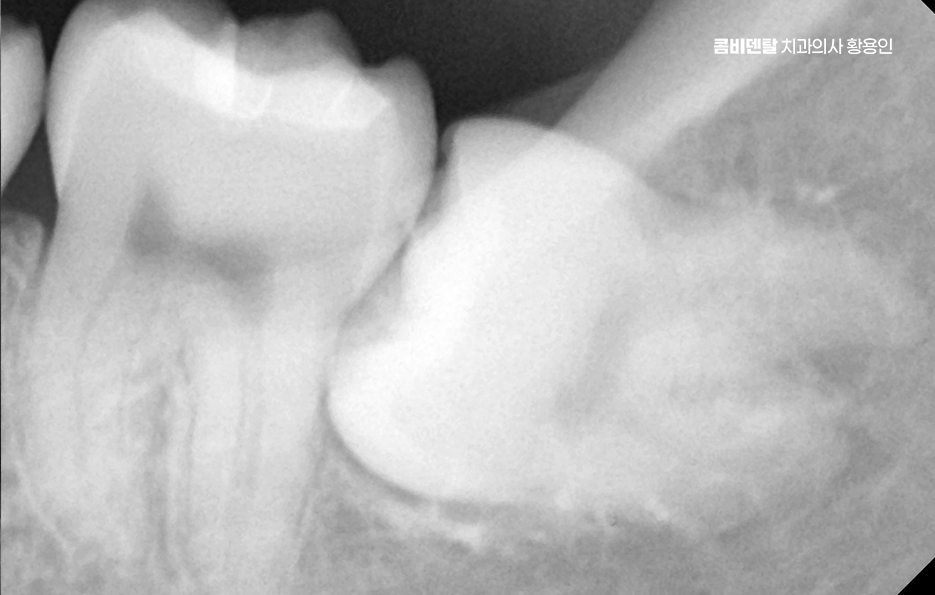
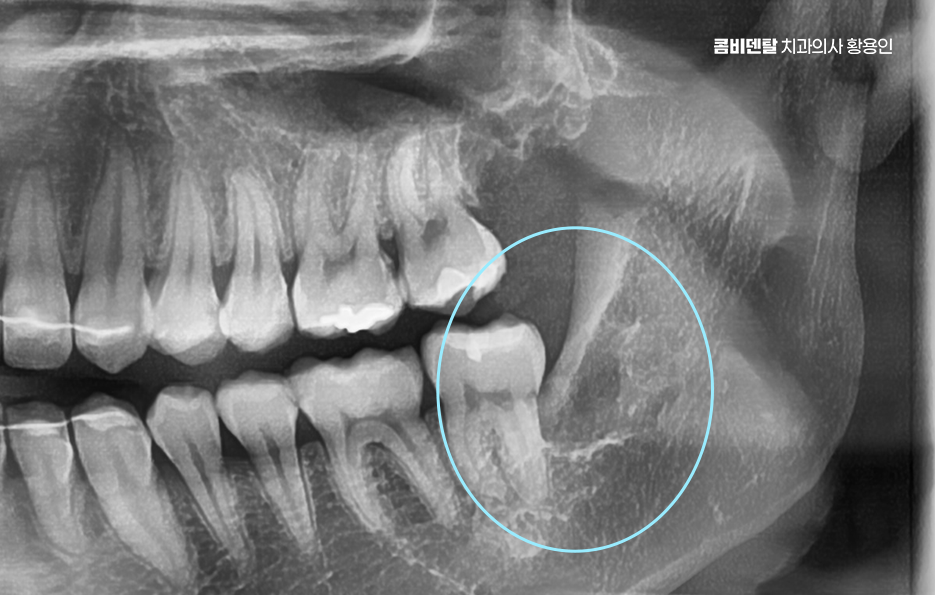
In the early stages, applying a cold compress, taking prescribed medication as directed, and avoiding touching the wound with the tongue or hands may be helpful. On the day of extraction, repeatedly spitting because of bleeding or rinsing vigorously can dislodge the blood clot covering the wound, so it is important to hold the gauze firmly in place and allow the bleeding to stop steadily.
Smoking and drinking alcohol can delay wound healing and increase the risk of infection. Using a straw, strenuous exercise, and hot foods can also increase early bleeding and pain, so these should be avoided for the period recommended after extraction. It is advisable to eat soft, lukewarm foods. If severe pain continues even after some time has passed, or if the face swells rapidly, fever develops, and bad breath and pus occur together, this may be difficult to regard as a normal recovery process, so contacting a dentist for appropriate care may be necessary.
In conclusion, pain from a sideways-lying wisdom tooth requires consideration of gum inflammation, damage to adjacent teeth, and the possibility of recurring infection. Rather than merely reducing the symptoms temporarily, determining a safe time and method for extraction can be important for the extraction itself, the recovery process, and the overall health of the mouth.
Previous image
Next image
Previous image
Next image




Previous image
Next image





Previous image
Next image