
When I first heard the term “deep overbite,” honestly, it did not feel like it was describing me. I simply thought that my upper teeth covered my lower teeth a little more than usual. Since it was not especially noticeable when I smiled, I wondered whether I really needed to start orthodontic treatment as an adult when the subject came up at the dental clinic.
I had known since childhood that my lower teeth were barely visible when I clenched my teeth.
However, while people around me could easily recognize crooked teeth, they did not readily notice a deep bite. So I thought orthodontic treatment was only meant to straighten the teeth.
As I got older, I gradually began to feel more discomfort. When chewing, the sensation of my front teeth coming together felt constricting, and sometimes it felt as though my lower teeth were touching the gum tissue on the inside of my upper teeth. On days when I was tired, I also noticed tension in my jaw and a worsening habit of clenching my teeth, which made me wonder whether this was more than just a problem with tooth alignment.
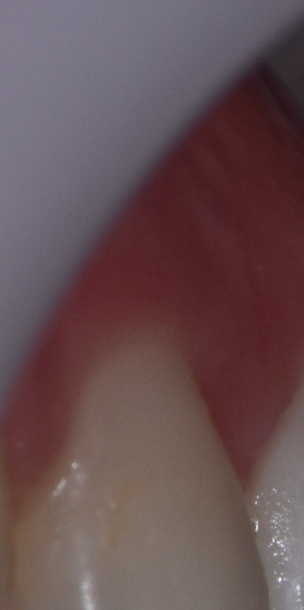
At first, I thought the stiffness in my jaw was simply caused by stress. Work was busy and I was not sleeping well, so I assumed it was because I was clenching my teeth. But one day, when I looked in the mirror while biting down, I realized that my upper teeth covered my lower teeth more than I had expected. There was also an area that looked like a mark where the gum had been pressed by the edge of the lower teeth, which made me unnecessarily concerned.
When I went for a dental examination, I was told that even without significant pain right away, excessive coverage of the front teeth could lead to tooth wear, gum irritation, and stress on the temporomandibular joints. Hearing this made me realize that the jaw fatigue and tight feeling in my front teeth might not have been merely in my imagination.
Even so, I could not immediately decide to undergo deep overbite treatment. Having orthodontic appliances attached as an adult felt burdensome, and I was also concerned about them showing when I spoke or smiled at work.
More than anything, I had already adapted to my teeth as they were and had been living with relatively little discomfort. I was not sure whether this was really a problem worth enduring several years of treatment to change.
Deep overbite treatment felt particularly difficult because I was told that the depth at which the teeth meet would need to be adjusted. I had assumed that attaching orthodontic appliances simply made the teeth look better, but after hearing that the molar height, the angle of the front teeth, and even jaw movement had to be evaluated to establish a proper bite, I realized there were many aspects to consider.
Deep overbite refers to a bite in which the upper front teeth cover the lower front teeth excessively. It is not merely an issue with the appearance of the front teeth biting deeply; it can be viewed as an imbalance in the bite that may also lead to tooth wear, gum damage, and stress on the temporomandibular joints.
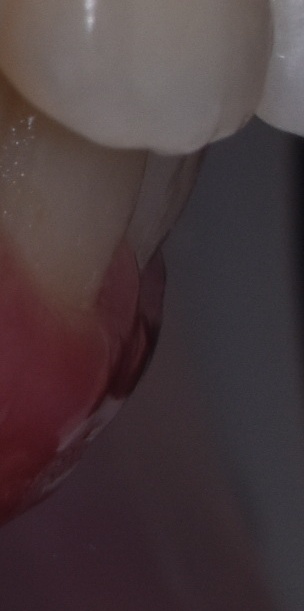
A deep overbite can sometimes be present even when the teeth do not look noticeably misaligned when smiling. If the lower front teeth are barely visible, or if the edges of the lower front teeth press against the gum behind the upper front teeth when the mouth is closed, a detailed examination may be necessary.
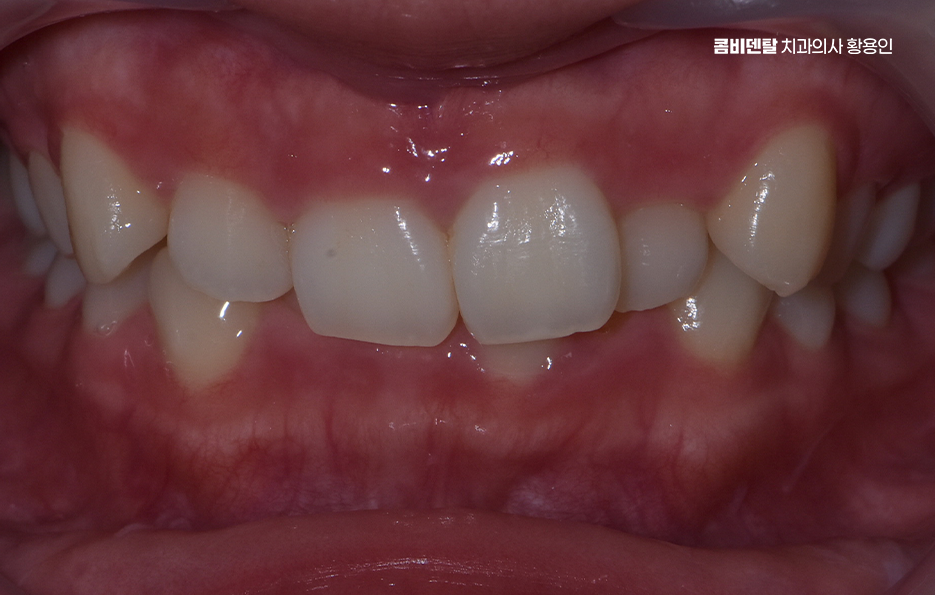
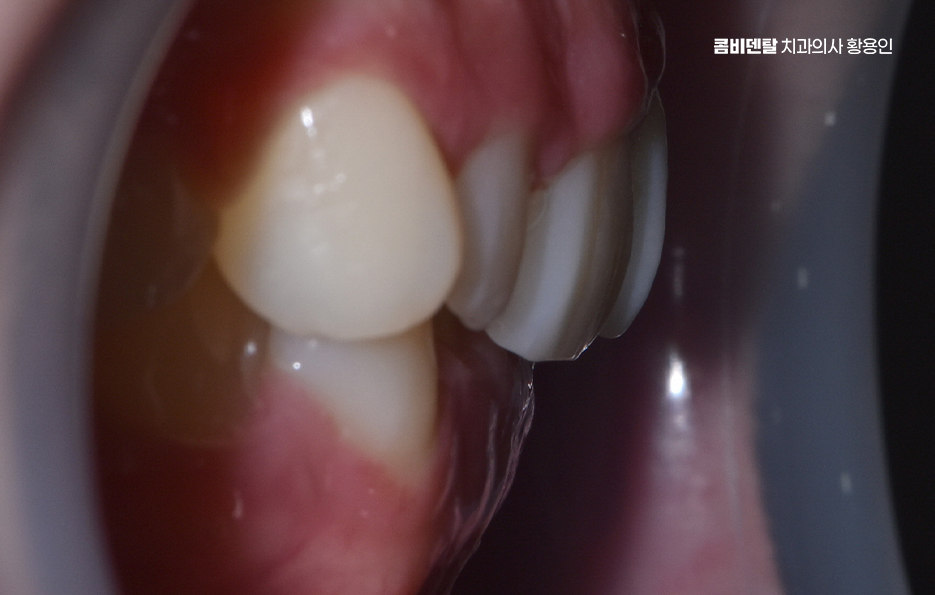
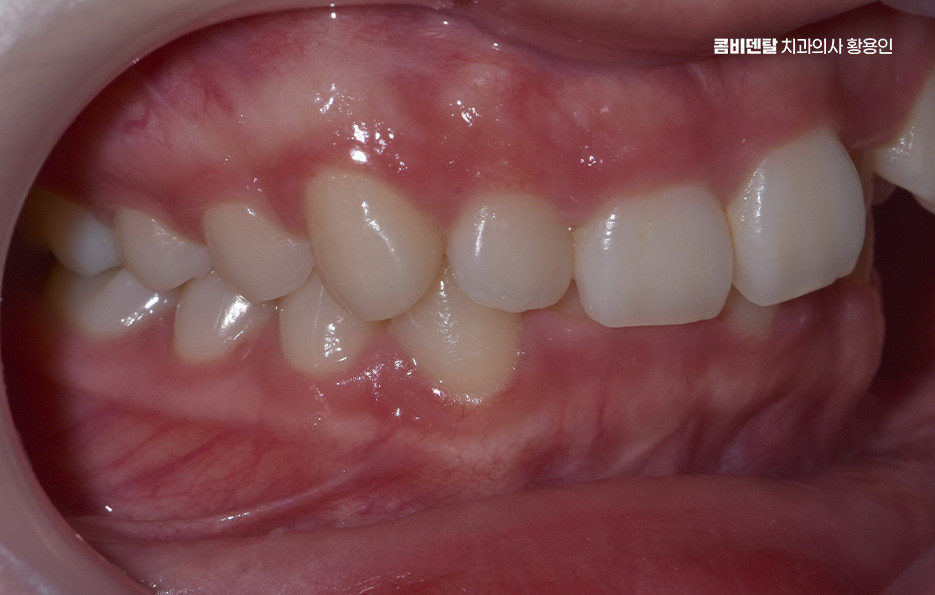
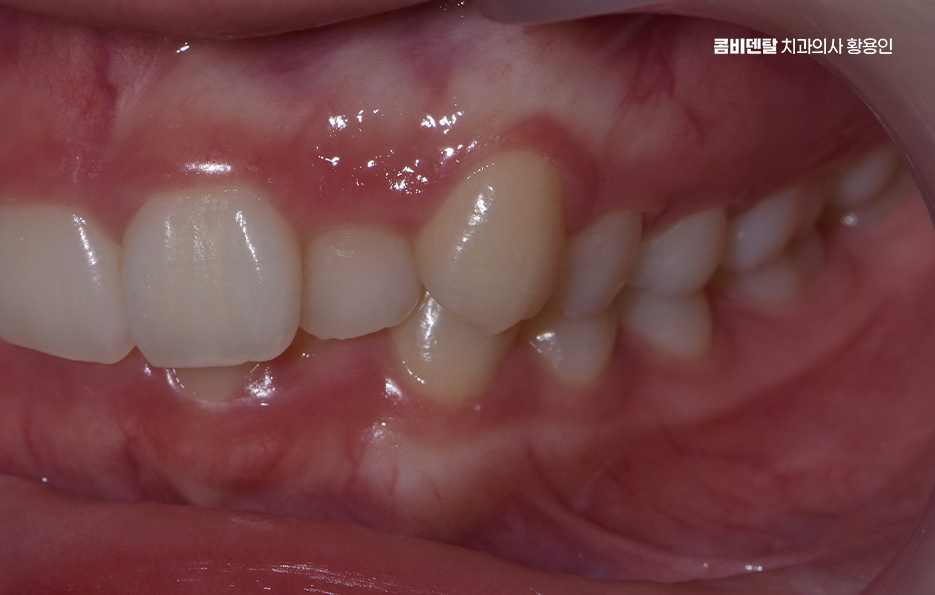
People with a deep overbite often experience wear or flattening of the tooth edges because the front teeth come into forceful contact. Over time, the front teeth may look shorter, cracks may develop on their surfaces, and sensitivity to cold or sweet foods may occur. If the lower front teeth repeatedly irritate the gum behind the upper front teeth, the gums may swell or become wounded. Although the discomfort may initially be mild, if it continues for a long time, the condition may require consideration of the risk of gum recession and loose teeth.
The purpose of deep overbite treatment may be less about simply improving appearance and more about restoring the normal functions assigned to the front teeth and molars, evenly distributing chewing forces, and helping the teeth remain usable for longer. When determining whether treatment is necessary, it is not enough to look only at how much the front teeth overlap. The angles of the upper and lower front teeth, the height of the molars, harmony with the facial structure, and the direction of jawbone growth must all be analyzed together to establish an appropriate plan.
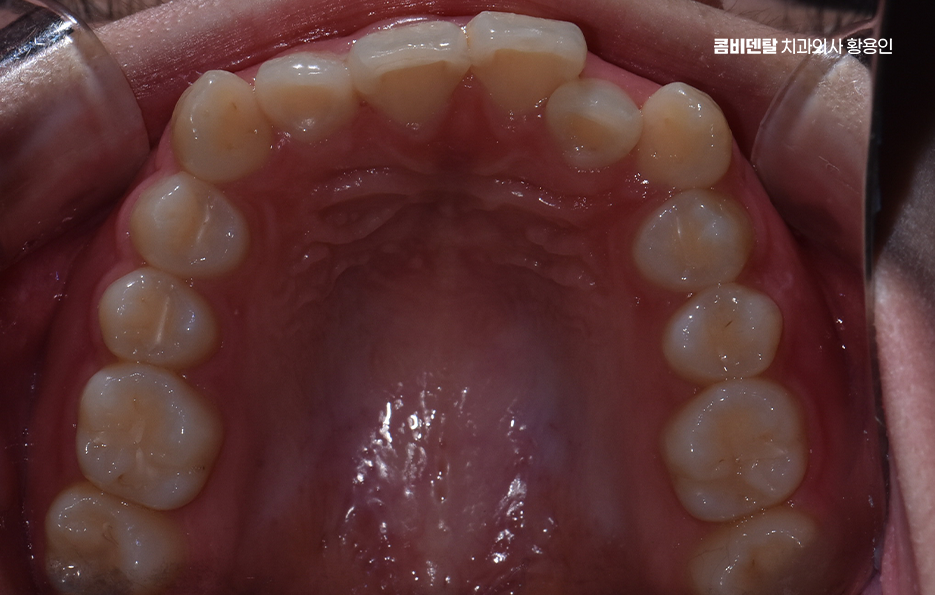
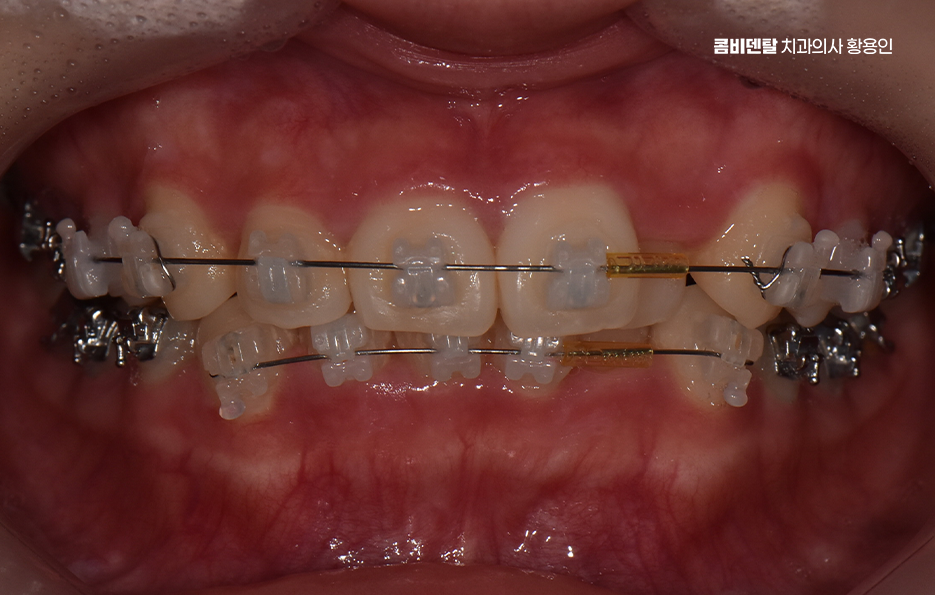
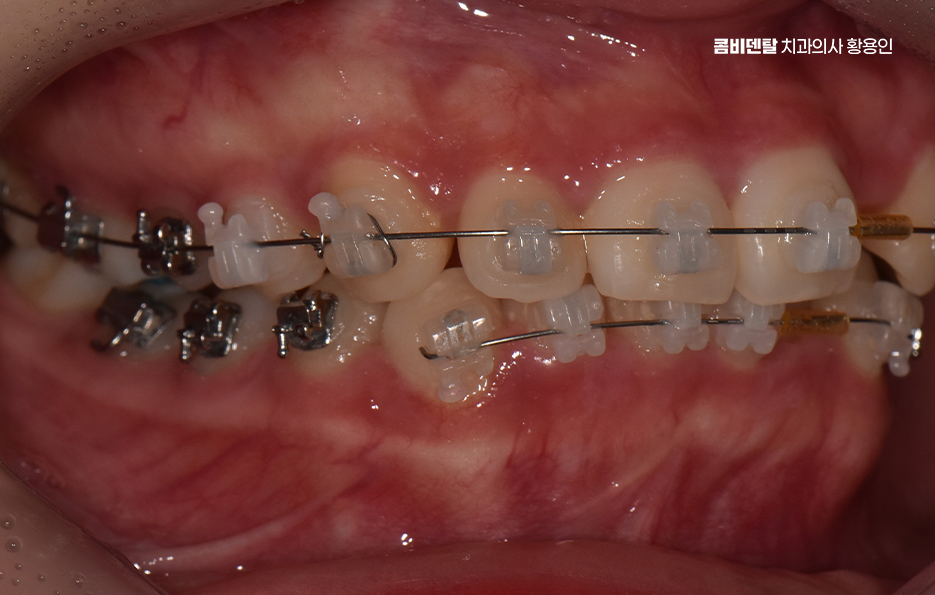
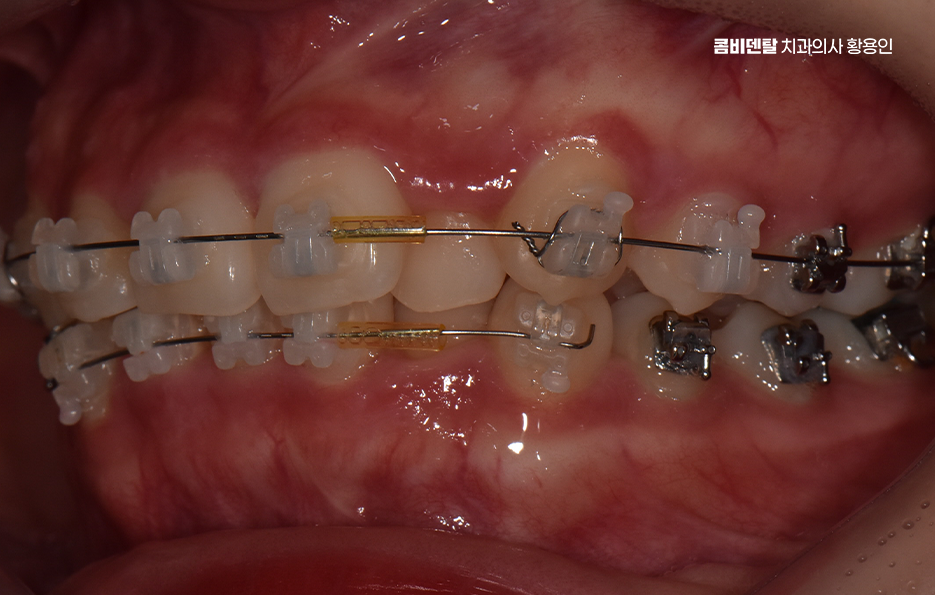
For growing patients, the bite can be adjusted relatively advantageously by making use of jaw growth and tooth eruption. If the lower jaw is positioned backward or the upper front teeth are tilted inward, treatment may be needed to manage the direction of growth together with tooth alignment.
In adults, jawbone growth has already ended, so deep overbite treatment often focuses on reconstructing the bite through tooth movement. Common approaches include appropriately intruding or raising the front teeth, adjusting molar height, and correcting tooth angles to reduce the depth of the bite.
When the upper front teeth extend significantly downward and create a deep bite, their vertical position needs to be adjusted. The amount of movement must be determined by considering together how much gum shows when smiling, whether the front teeth are actually long, and where the lip line falls. In some cases, the bite becomes deeper because the molars are low or there is insufficient posterior occlusal support. In such situations, moving only the front teeth has limitations, so a plan may be needed to restore the occlusal height and contact of the molars as well.
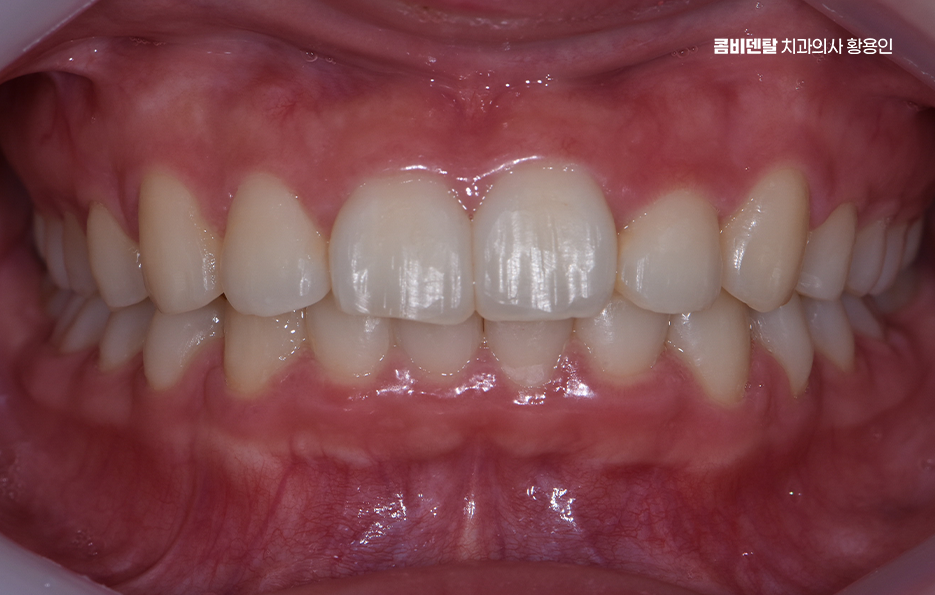
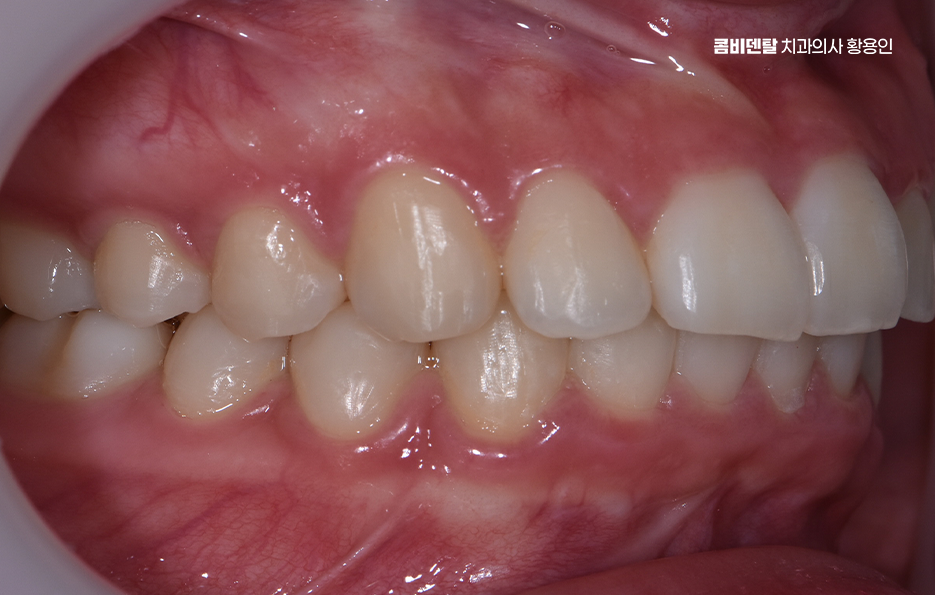
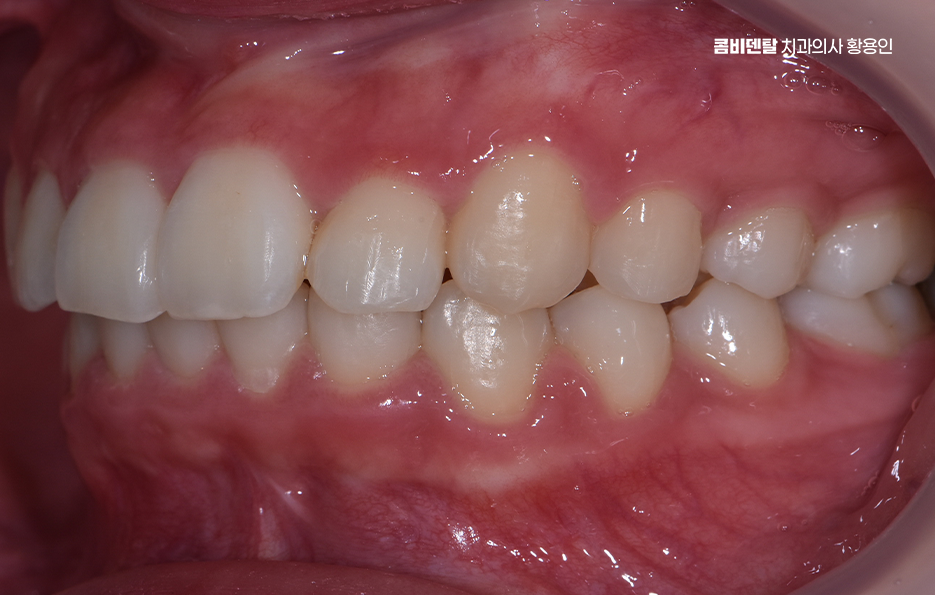
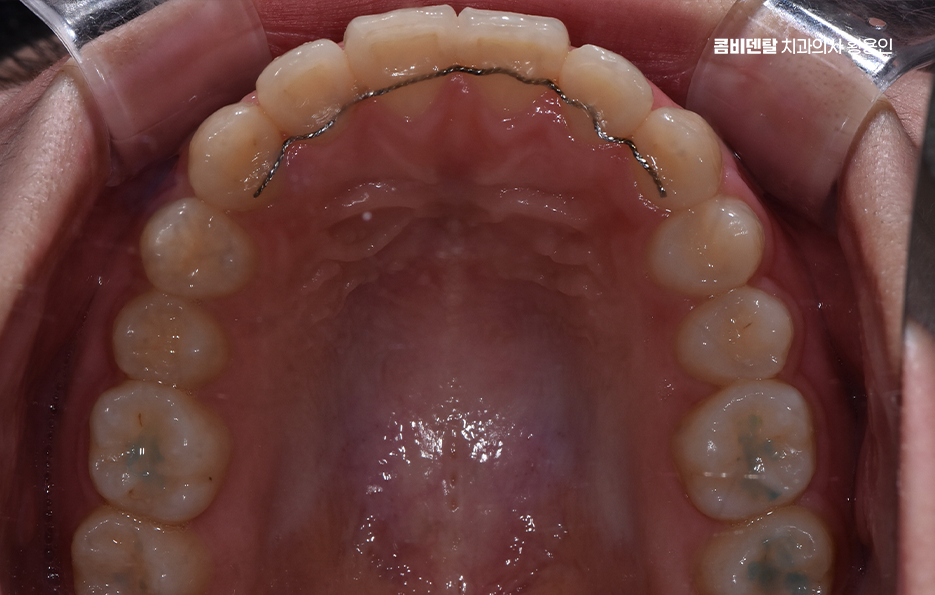
Whether teeth need to be extracted during deep overbite treatment may vary depending on how much space is lacking for alignment, whether the lips protrude, whether the front teeth need to be moved backward, and the degree of discrepancy between jawbone and tooth size. When protrusion and a deep bite occur together, treatment may be considered that uses the extraction spaces to move the front teeth backward while making the bite shallower. If sufficient space is available for tooth movement, treatment may also be planned without extractions.
In summary, deep overbite treatment is not merely a way to straighten deeply overlapping front teeth for a better appearance. It is important to create a plan that also considers each patient’s individual front-tooth angles, molar height, and facial balance. Even when the condition is the same, patients can differ considerably in whether extractions are needed, the extent of facial changes, and the appropriate type and method of orthodontic appliance. Therefore, it is advisable to undergo a detailed examination and discuss your options thoroughly with an experienced orthodontic specialist to establish a treatment plan suited to you.




Previous image
Next image




Previous image
Next image
Previous image
Next image
Previous image
Next image