Bangbae-dong Dermatology Clinic: Facial Redness Should Be Treated by Treating the Blood Vessels, Not by Covering It with Makeup
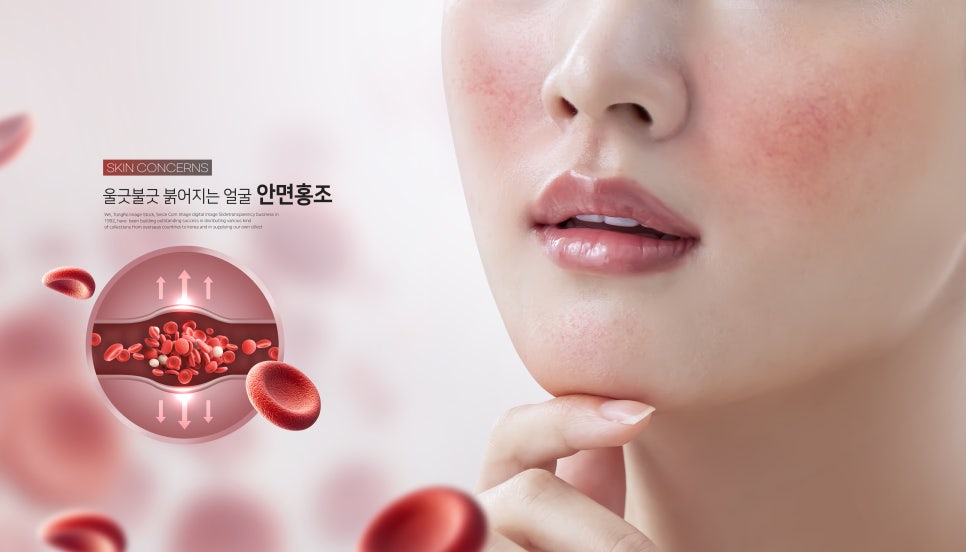
When I talk with patients who visit the clinic for facial redness, many of them are suffering not only from a simple skin concern but also from misunderstandings in interpersonal relationships and the stress that comes with them. “I keep getting asked if I’ve been drinking.” “When I give a presentation or get nervous, my face turns so red it feels like it’s about to burst, and I’m afraid people are staring at me.” “When I wash my face and come out, it feels hot and stings so much that I can’t sleep.” Many people think redness is just a temporary symptom caused by being shy or having thin skin. So they focus only on covering the redness with heavy foundation or concealer.
However, facial redness is not something that resolves on its own with time, and if left untreated, it is a progressive vascular condition that can worsen into telangiectasia, where capillaries become permanently dilated, or into rosacea with inflammation. Today, I would like to talk about the medical mechanism behind facial redness and the step-by-step treatment principles for improving it.
Redness is a state in which the blood vessels’ ability to constrict and dilate has become impaired
Bangbae-dong Dermatology Clinic: Facial Redness Should Be Treated by Treating the Blood Vessels, Not by Covering It with Makeup
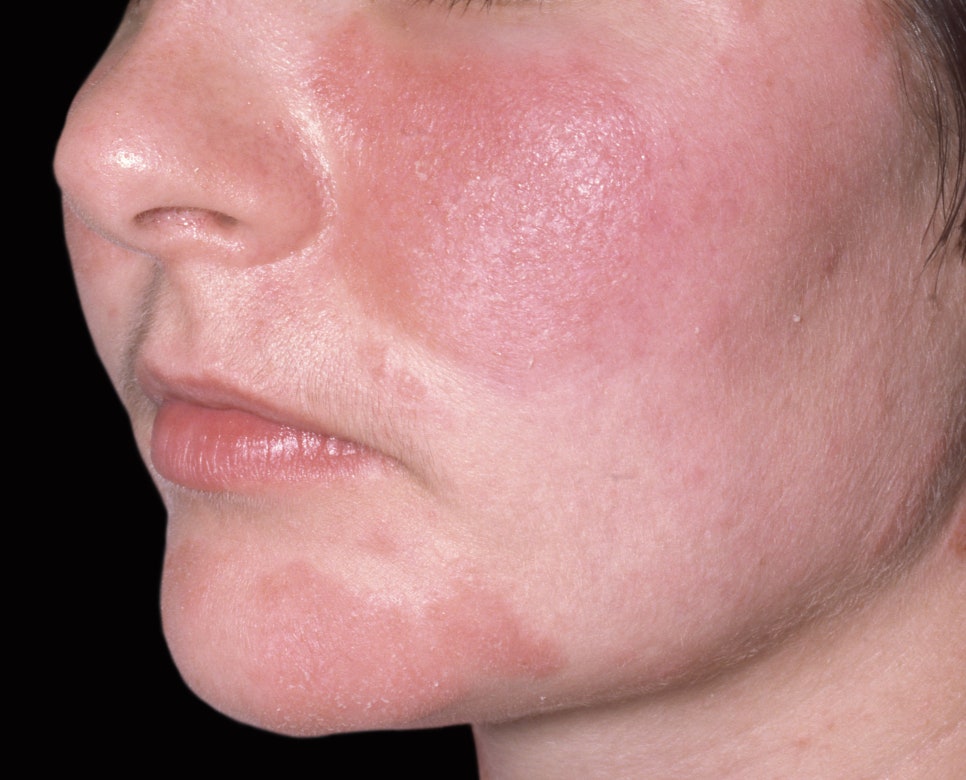
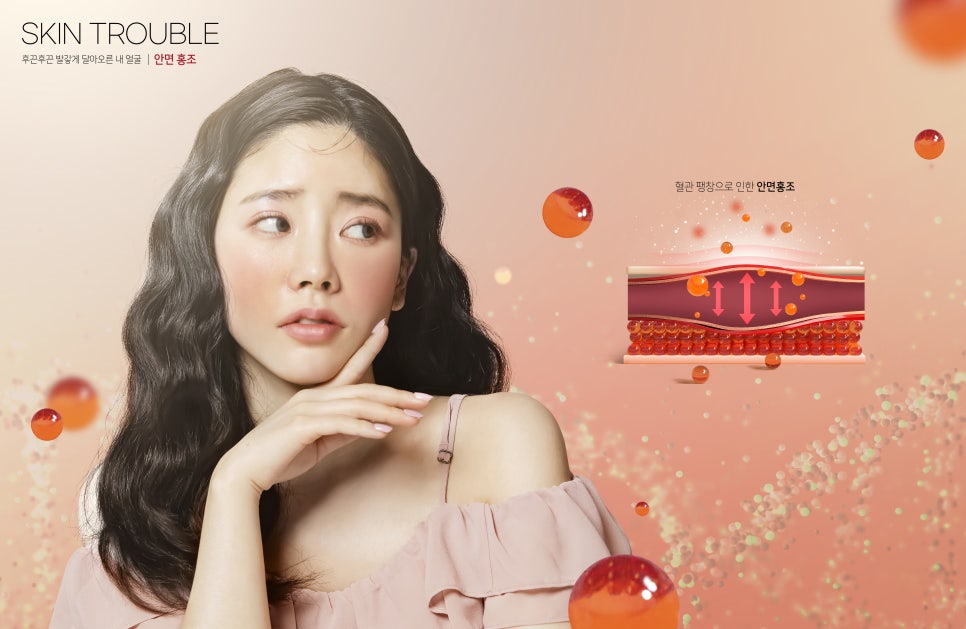
Our faces contain countless capillaries intertwined like a net. Healthy blood vessels expand and then quickly constrict back to their original thickness in response to changes in external temperature or emotions. But the blood vessels of patients with facial redness are different. Because of ultraviolet rays, aging, overuse of steroid ointments, or genetic factors, the elastic fibers surrounding the blood vessels are damaged.
It is like an old rubber band that stays stretched and does not return to its original shape: once the vessels expand, they cannot constrict again, and this stretched state continues. More blood remains in these enlarged vessels than usual, and this red blood shows through the thin layer of skin, making the face look persistently red. A bigger problem is that inflammatory cells gather around these stretched vessels, which can cause the skin to become uneven and bring symptoms such as stinging and dryness.
Inflammation must be controlled and vascular hypersensitivity reduced through medication
Bangbae-dong Dermatology Clinic: Facial Redness Should Be Treated by Treating the Blood Vessels, Not by Covering It with Makeup
The first step in treatment is to stabilize the overly sensitive skin environment. In most people with severe redness, the skin barrier is broken down and there is often microscopic inflammation that is not visible to the eye. In such cases, treatment is done using a combination of oral and topical medications. Oral antibiotics do more than simply kill bacteria; they have an anti-inflammatory effect that suppresses inflammatory reactions around the blood vessels and helps prevent the vessels from expanding excessively.
In addition, topical ointments containing vasoconstrictors are used together to temporarily reduce redness and help restore the weakened skin barrier caused by inflammation, creating a healthier skin base that can better tolerate laser treatment.
Laser treatment that selectively removes enlarged blood vessels is the key

Bangbae-dong Dermatology Clinic: Facial Redness Should Be Treated by Treating the Blood Vessels, Not by Covering It with Makeup
Once medication has calmed the acute problem, the enlarged blood vessels that are the root cause must be addressed. Blood vessels that have already lost their elasticity and become stretched are difficult to recover naturally, so physical treatment using vascular lasers is essential.
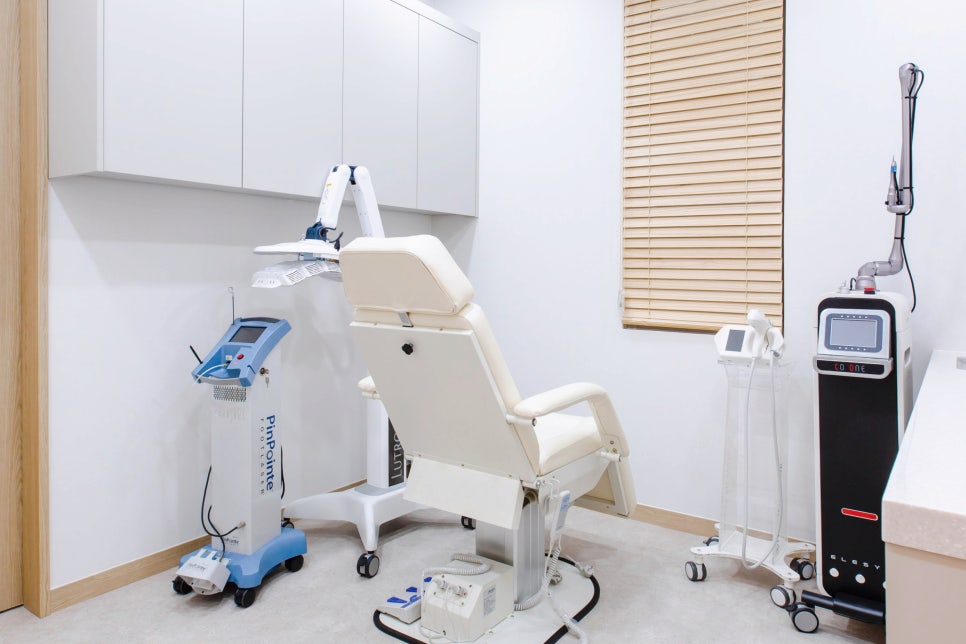
Vascular lasers use wavelengths that respond selectively to hemoglobin, the red pigment in blood. The laser energy penetrates into the dermis without damaging the skin surface and finds only the enlarged blood vessels, causing them to coagulate or break down. The destroyed vessel debris is then naturally eliminated through the body’s lymphatic circulation system.
What matters is that the thickness and depth of blood vessels vary from person to person and from one facial area to another. To prevent recurrence, treatment must carefully address not only the visible redness but also the larger vessels hidden deep within the skin, layer by layer. Therefore, it is not something that ends with a single procedure; repeated treatment in line with the skin’s renewal cycle is necessary to gradually restore the skin’s natural color.
Lifestyle changes are necessary to minimize vascular irritation
Bangbae-dong Dermatology Clinic: Facial Redness Should Be Treated by Treating the Blood Vessels, Not by Covering It with Makeup
In addition to medical treatment, managing the patient’s lifestyle must be done together to maximize the treatment effect. The most important thing is sun protection. Ultraviolet rays are the main culprit in destroying the elastic fibers that support blood vessels, so sunscreen should be applied carefully whenever going বাইরে, regardless of the season.
You should also avoid sudden changes in temperature. Hot saunas, jjimjilbangs, or suddenly moving from a cold place to a hot place can rapidly dilate blood vessels, so caution is needed. Alcohol, as well as spicy and hot foods, are also factors that dilate blood vessels, so it is better to reduce their intake.
Facial redness is not a condition that can be completely cured in a short period of time, but with an accurate diagnosis and steady treatment and management, it can improve sufficiently. To keep red facial skin from diminishing your confidence, please consult a dermatologist and establish a systematic treatment plan suited to your skin condition. Only an accurate diagnosis and principled treatment can help restore clear and comfortable skin.