Underarm Sweat Odor
Causes and How to Improve It
Have you ever experienced sweating in some parts of your body
when it is hot or when you feel nervous?
Sweat plays an important role in regulating body temperature
and is secreted by sweat glands in the skin.
Sweat itself is odorless, but bacteria can cause an unpleasant
smell or discomfort due to body odor.
There are broadly two types: eccrine sweat glands and apocrine sweat glands.
Let’s take a brief look first!
Eccrine Sweat Glands and Apocrine Sweat Glands
- Eccrine sweat glands
Eccrine sweat glands are mainly distributed throughout the skin,
and they secrete sweat to regulate body temperature when the
body temperature rises; nearly 99% of it is made up of water.
It contains small amounts of minerals and salt.
Eccrine sweat has almost no odor and is mainly secreted during
activity to regulate body temperature.
- Apocrine sweat glands
Apocrine sweat glands are concentrated in the underarms, groin,
and around the breasts.
This sweat contains proteins, fatty acids, amino acids, and more,
and as these are broken down by bacteria, they can produce a
characteristic odor. Apocrine sweat glands
are mainly activated by stress or emotional stimulation, and while
the sweat itself does not smell, odor is created through bacterial action.
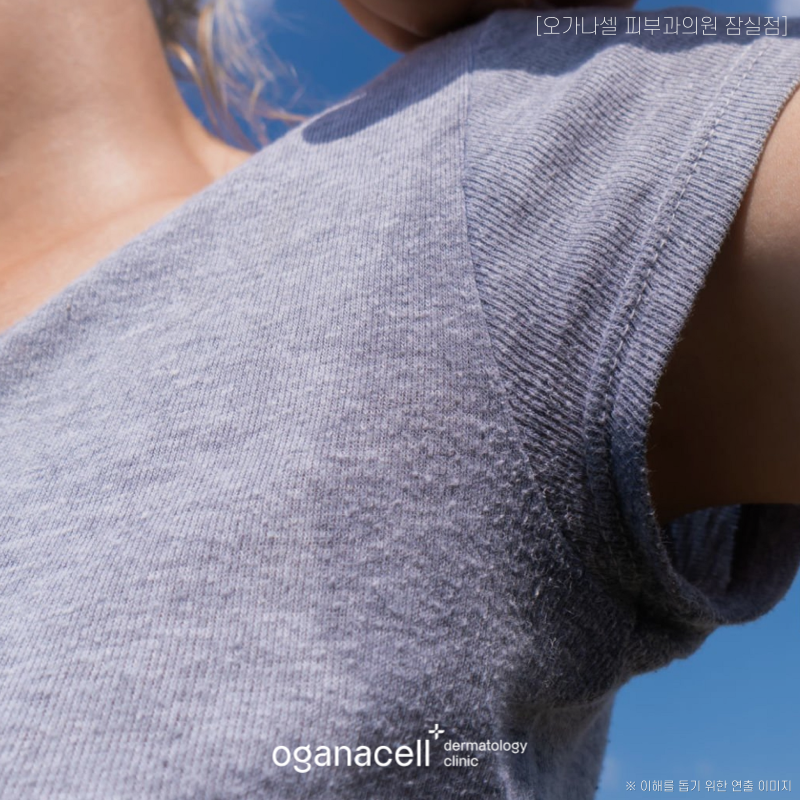
What is body odor?
Body odor is commonly known as "underarm odor," and it is
characterized by a strong unpleasant smell from the underarms.
It occurs when substances contained in sweat secreted from the
apocrine sweat glands react with bacteria on the skin.
Body odor can be caused by various factors, including an individual's
genetic factors, environmental factors, and lifestyle habits.
Main causes of body odor
- Genetic factors
Body odor can occur genetically.
Certain genes can cause body odor, and this is related to the
secretion of apocrine sweat glands.
Body odor often also has a family history.
- Bacterial activity
Body odor is the smell that occurs when proteins and fats in sweat
are broken down by bacteria on the skin.
In particular, bacteria such as Corynebacterium break down the
substances contained in apocrine sweat and produce a distinctive
smell, and these bacteria thrive in warm, moist areas such as the
underarms.
- Hormonal changes
Hormonal changes can also affect body odor.
When there are hormonal changes such as puberty, pregnancy,
or menopause, apocrine sweat glands can become more active,
which may make the odor stronger.
Stress or anxiety can also trigger hormonal changes and affect
sweating more heavily.
- Health conditions
Some diseases can cause body odor.
For example, diabetes, obesity, liver disease, kidney disease,
and similar conditions can affect the body's metabolic processes
and alter the composition of sweat. In addition, certain medications
or treatments can also affect sweat odor.
How to improve body odor
It may be difficult to completely eliminate body odor,
but there are ways to help relieve the symptoms.
Although it varies from person to person, finding an improvement
method that suits you and sticking with it consistently may help.
- Personal hygiene management
The most basic method is to maintain cleanliness.
It is important to wash the underarms frequently and prevent
sweat and bacteria from building up.
- Use of antiperspirants and deodorants
Using antiperspirants or deodorants is also an option, but
it may not suit everyone depending on their skin.
Antiperspirants work by reducing sweat gland activity and lowering
sweat secretion, while deodorants help neutralize odor, but overuse
can cause irritation.
- Improving eating habits
It is important to avoid foods that can cause sweat odor and
maintain a healthy diet.
It is good to limit foods that can cause strong odors, such as
garlic, onions, and coffee, and to drink enough water to help
support smooth metabolism in the body.

It is important to prevent bacteria from growing through cleanliness
management, rather than focusing on odor from sweat itself.
Body odor does not come from the smell of sweat itself,
but rather from the interaction between sweat secreted from
the apocrine sweat glands and bacteria,
so it can be affected by genetic factors, hormonal changes,
and lifestyle habits.
I hope basic cleanliness, appropriate product use, and dietary
improvements can be helpful^^
#UnderarmSweatOdor #UnderarmBodyOdor #BodyOdor #CausesOfBodyOdor