Scars generally fade over time.
However, some scars become more noticeable over time, and their color
may remain red or appear like brown spots.
They may also protrude more than the wound area itself.
In cases like this, it may be possible that it is a 'keloid.'
So, shall we take a closer look at the raised scar called a 'keloid'?
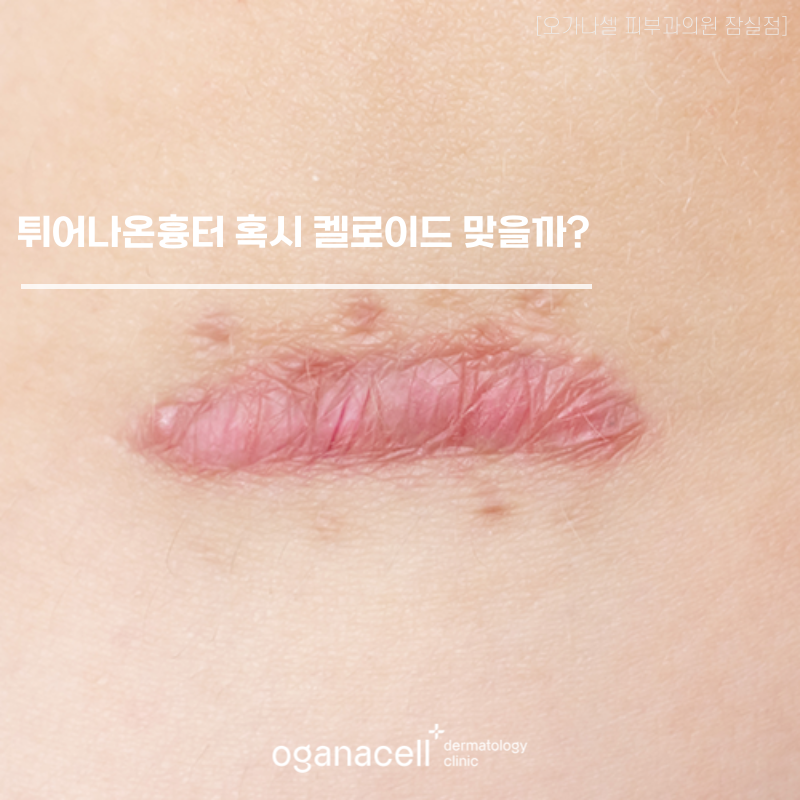
What kind of scar is a keloid?
A keloid is different from a regular scar.
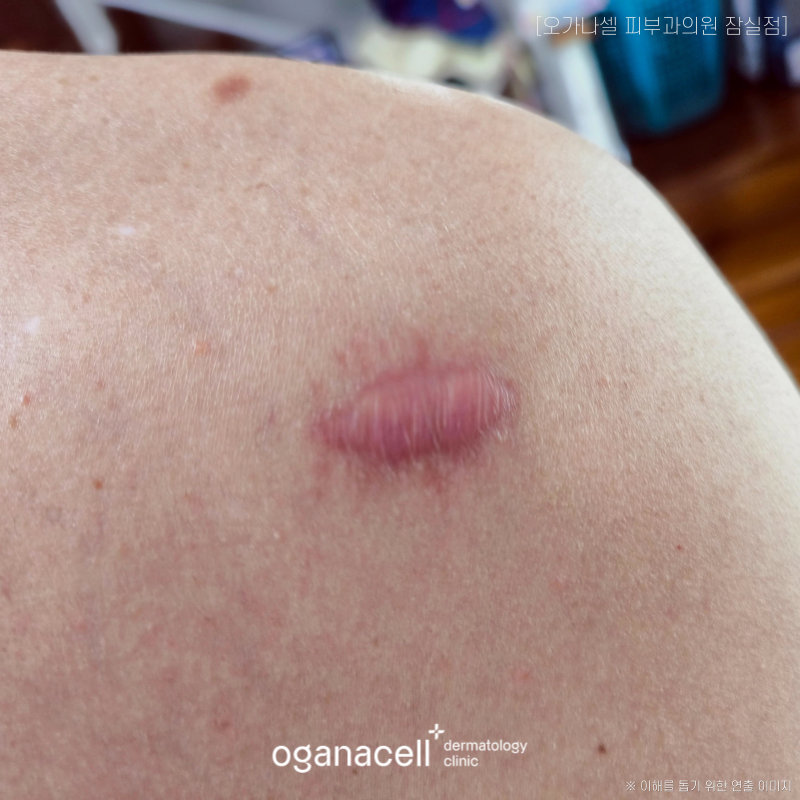
The skin around the scar gradually becomes red and firm,
swells up, and often does not shrink over time—
instead, it gets larger.
A regular scar usually stays within the wound area,
but a keloid is characterized by extending beyond that boundary
and affecting the surrounding skin.
Also, even if there is no pain, it may itch or throb,
which can cause discomfort in daily life.
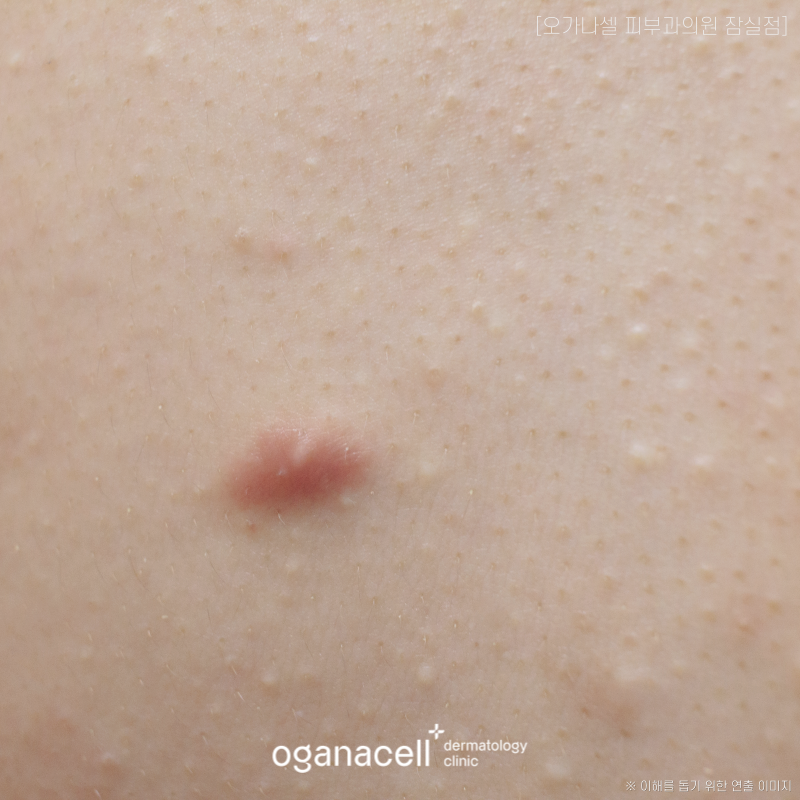
What is the difference between a regular scar and a keloid?
A regular scar and a keloid are clearly different.
Looking first at the characteristics of a regular scar, it is red at first,
then gradually fades in color and can feel similar to the skin surface or slightly
sunken.
Its size also remains limited to the wound area, and it usually does not feel irritated.
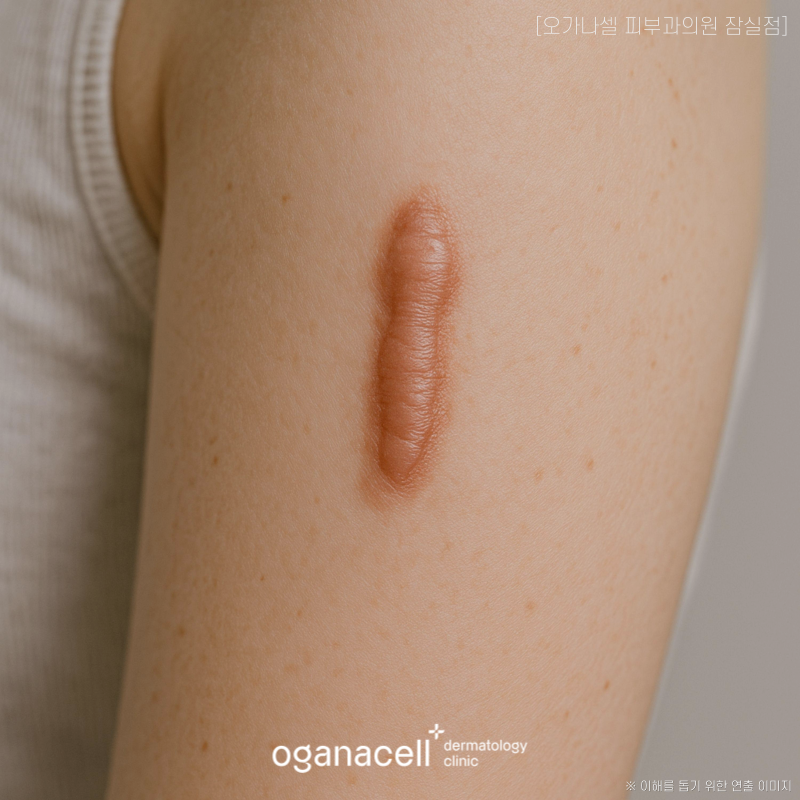
In contrast, in the case of a raised scar keloid,
the red or purplish color is maintained for a long time.
It becomes larger than the wound and stands out.
It appears hard and unevenly raised, and pressing on it may
cause throbbing, with itching symptoms also possible!
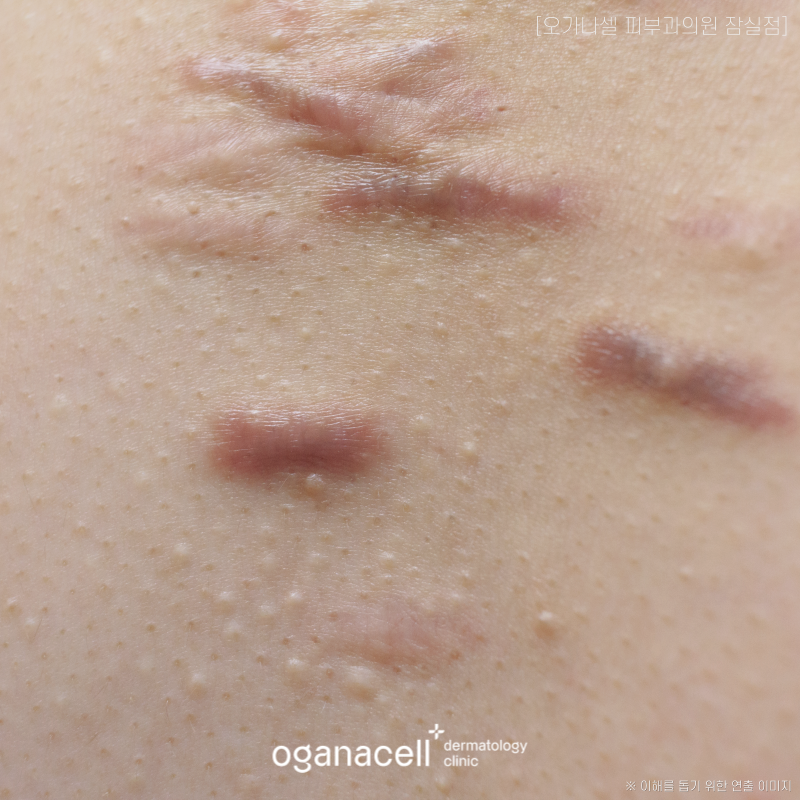
Why do keloids form?
Keloids are one type of scar that develops from various
causes rather than a single clear cause.
They can appear depending on factors such as genetics and skin type!
- Genetic factors
If someone in your family has had a similar experience,
you are more likely to develop one as well.
- Skin type
It has been reported that they tend to occur more easily in darker skin
or in skin types that produce more sebum.
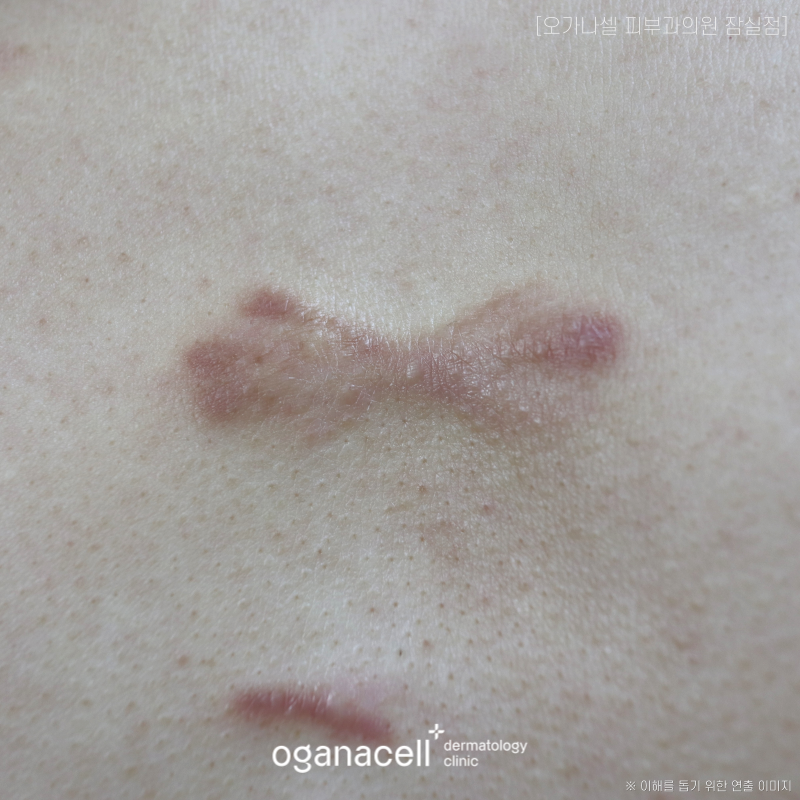
- Wound irritation
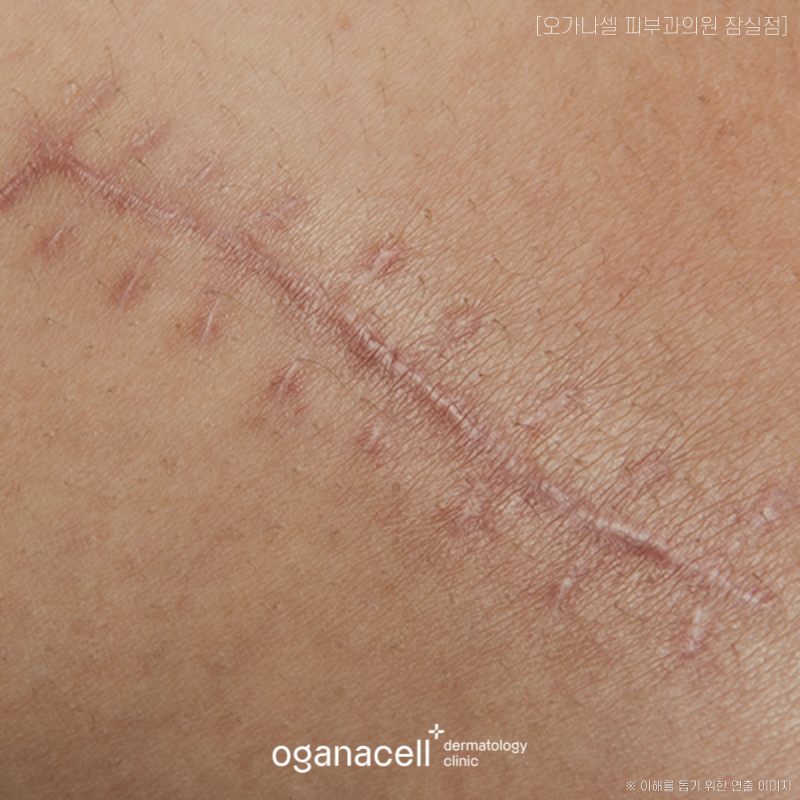
After ear piercing, after acne or folliculitis develops,
scars from surgery, insect bites, and similar marks can,
when continuously irritated or inflamed, develop into a raised-scar
keloid.
They often occur especially in areas where the skin is thin or stretched,
such as the center of the chest, shoulders, under the chin, and behind the ears!
Care methods you can try in daily life
Since keloids do not easily disappear once they form,
it is important to reduce irritation and manage them consistently.
They are one of the scars that need careful management from the early stage.
- Avoid touching them repeatedly
Touching, scratching, or squeezing the scar area repeatedly with your hands can
actually make the scar condition worse.
- Be sure to protect it from UV rays
Keloids are sensitive to ultraviolet rays, so pigmentation may
remain darker. For that reason, we recommend low-irritation
mineral sunscreen or products containing soothing ingredients.
- Avoid tight clothing
If the scar area keeps rubbing against clothing or is pressed,
repeated irritation can make the scar thicker.
Especially if it is on the shoulders or chest, it is a good idea to pay a little more attention to clothing choices.
Ingredients that may be helpful when choosing skincare products
If you are unsure about skincare products to use in daily life,
you may consider products that contain the following ingredients.
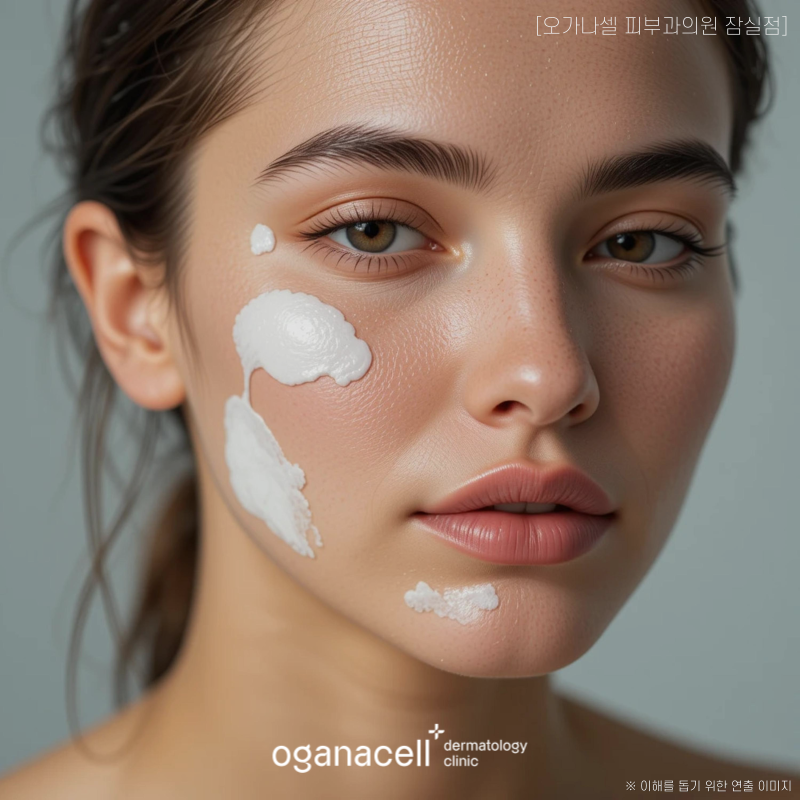
Silicone gel, which helps form a moisturizing barrier over the scar area and reduce external irritation,
and centella asiatica (cica), which helps soothe redness and irritation, as well as panthenol and allantoin,
which help support the skin barrier and moisturization.
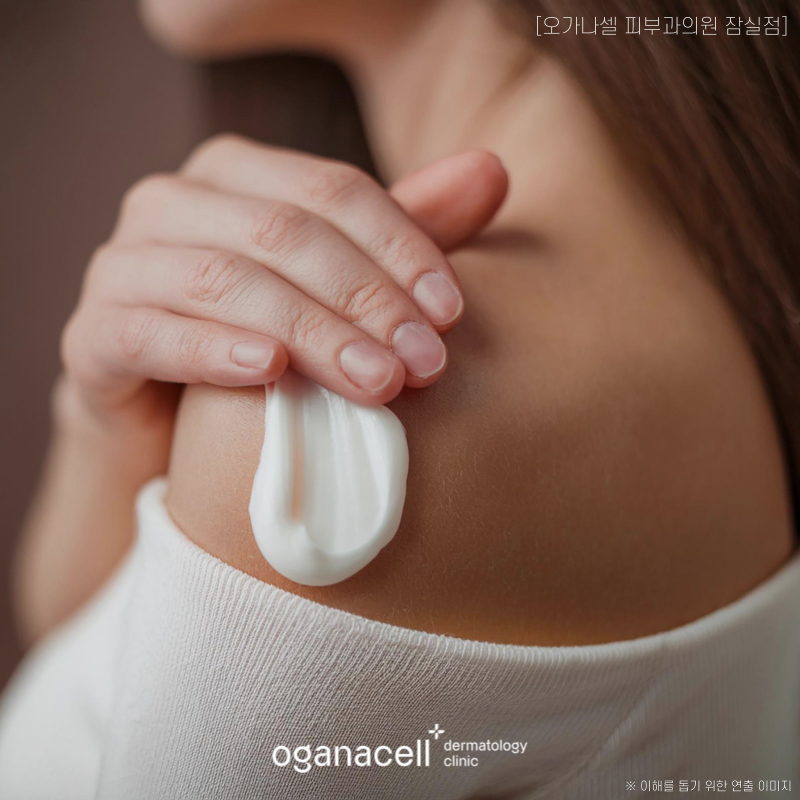
Vitamin E helps with antioxidant effects and skin soothing.
However, not every product is suitable for keloid-prone skin,
so when using one for the first time, you should test a small amount first.
Above all, it is important to choose and use products that suit your skin and scar area.

Take care of scars in the way that suits you best!
Among scars, keloids are not simply traces left after a wound heals,
but a special type of scar formed when the skin overreacts.
So rather than simply applying products that help reduce scars,
we recommend starting with care that reduces irritation in daily life.
If a scar keeps rising and does not go away, or if a scar gradually grows larger after ear piercing,
for example, you may suspect a raised-scar keloid.
Thank you^^








#RaisedScar #RaisedWound #Keloid #Keloid #KeloidScar