Axillary Hyperhidrosis
Why Does It Smell?
Do you sweat a lot under your armpits even when it’s not hot?
Does sweat start running as soon as you feel a little nervous?
In some cases, this can even cause discomfort in daily life due to an unpleasant smell mixed with a scent.
These symptoms are commonly referred to as “axillary hyperhidrosis” or
bromhidrosis, and they can interfere with everyday life.
So, let’s take a look at why axillary hyperhidrosis causes odor
and how it can be managed.
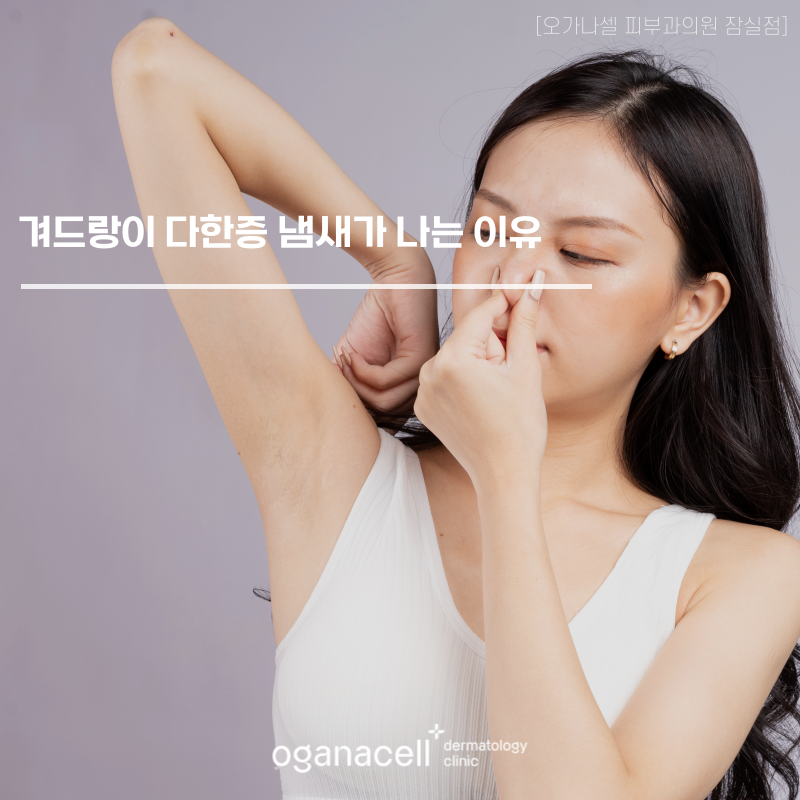
Why do we sweat?
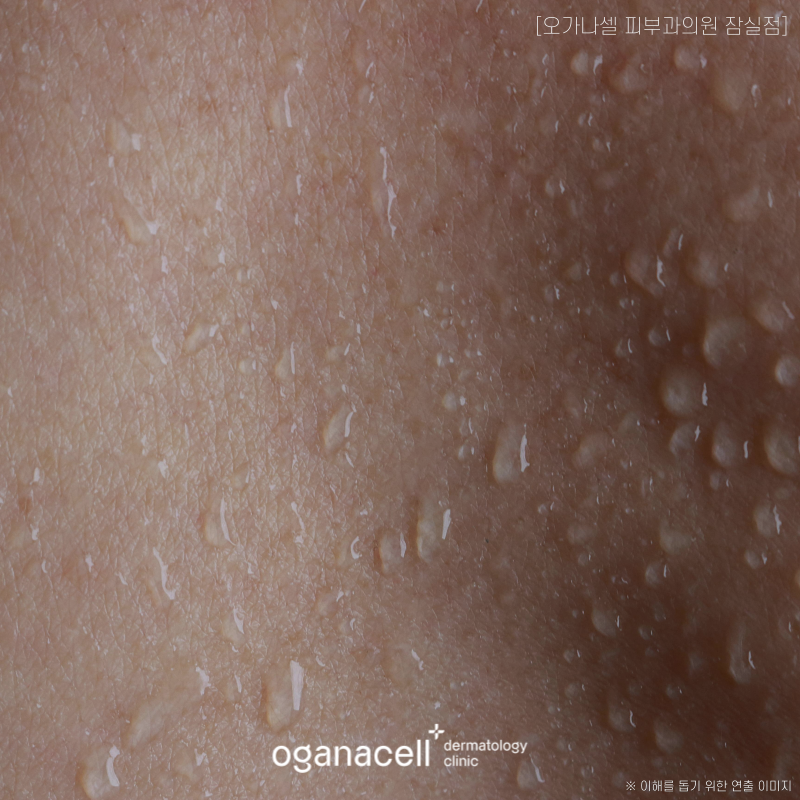
Sweat glands are broadly divided into eccrine glands and apocrine glands.
Sweat secreted from apocrine glands is initially almost odorless,
but as it is broken down by bacteria living on the skin,
odor is produced.
When this sweat is secreted excessively, it can leave yellow stains
on clothes or cause a damp, uncomfortable feeling.
- Eccrine glands
Produce sweat for body temperature regulation.
(transparent like water and odorless)
- Apocrine glands
Distributed in the armpits, groin, and similar areas,
and secrete sebum components together with proteins.
Conditions that make odor worse
Odor becomes stronger when it is not caused by sweat alone,
but by multiple factors acting together.
In particular, bacteria, lifestyle habits, and possibly genetic factors
can play a role.
1 ) Bacterial growth
The armpit does not get much air circulation, so bacteria can multiply easily,
which can cause odor.
- Clothing material
Synthetic fibers have poor breathability, so odor can linger longer
and may contribute to odor formation.
- Stress
Because of sympathetic nervous system activation, apocrine gland secretion increases,
which can contribute to odor formation.
- Stimulating eating habits
Although it can vary by individual, spices, garlic,
and meat consumption can make body odor stronger.
What is the difference between ordinary underarm sweat
and hyperhidrosis?
Ordinary sweating and hyperhidrosis can be viewed differently.
Sweating caused by hot weather or exercise is usually
a temporary symptom,
whereas hyperhidrosis can occur regardless of temperature or physical activity
and may appear due to nervousness, stress, and similar triggers.
Excessive sweating may be produced more than necessary,
either all the time or in specific situations.
Hyperhidrosis often occurs in localized areas such as the hands, feet, face,
and armpits, and the degree of discomfort varies from person to person.

Ways to manage it in daily life
Management as part of preventive lifestyle care should start from the daily routines
we all do every day.
After showering, it is best to dry thoroughly so that moisture can evaporate well
before putting on a gown or clothes.
Also, clothing with good breathability, such as cotton sleeves or linen, is recommended,
and please avoid stimulating foods such as caffeine and alcohol.
Above all, excessive stress can trigger sweating,
so habits that help relieve tension are also important.
In addition, thorough hygiene care for the armpits is helpful
for keeping odor from developing.

Sweat itself is not bad
Sweat is an important physiological process that helps the body regulate temperature
and eliminate waste products.
However, if sweat is continuously and excessively secreted in certain areas,
or if it causes an unpleasant odor and discomfort in daily life,
it is necessary to check your lifestyle habits
and maintain thorough personal hygiene.

The key to body odor management is “habits”!
Axillary odor and hyperhidrosis are not simply hygiene issues,
but the result of skin structure and physiological characteristics,
and small habits in daily life can go a long way toward maintaining a comfortable skin environment.
If the odor is severe or the yellow staining on clothes is significant,
a more clear diagnosis may be needed.
Above all, I recommend starting with daily management. Thank you^^








#armpitodor #odorfromhyperhidrosis #causesofarmpitodor #whydoesarmpitsmell #hyperhidrosis