Peanut-Shaped Face
Why It Looks More Noticeable as You Get Older
“Has my face gotten longer?”
“Has the cheek fat moved down?”
“Lately, my face looks strange every time I take a photo.”
In particular, some people have hollowed or sunken cheek areas on both sides, or gradually lose volume in the cheeks and begin to sag.
Some people have a peanut-shaped face from the start, but for most people, it becomes noticeable due to structural changes in the face as they age.
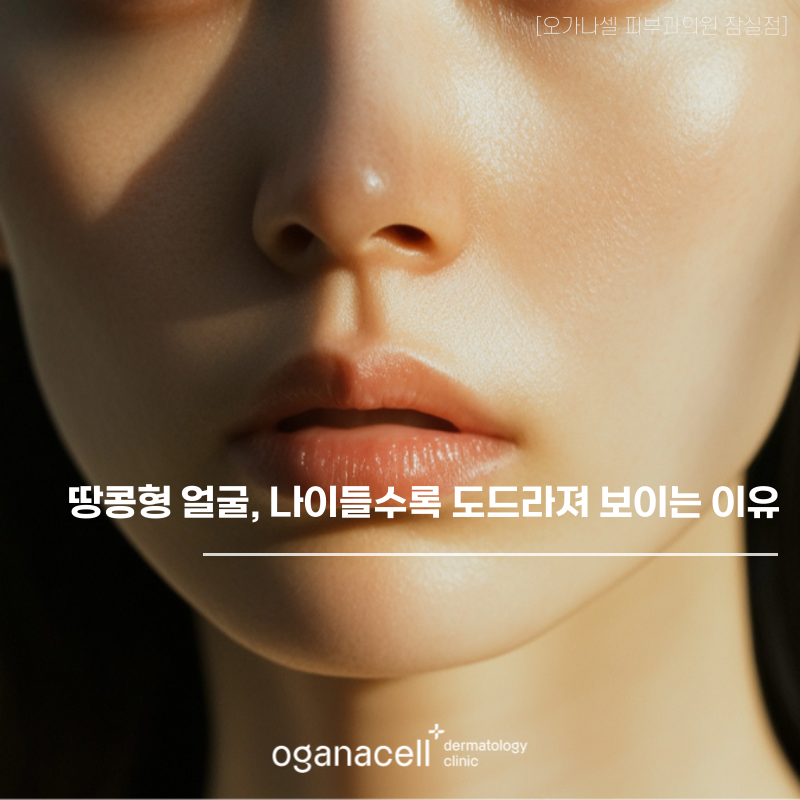
What Exactly Is a “Peanut-Shaped Face”?
A “peanut-shaped face” is not a medical term, but it generally includes the following features.
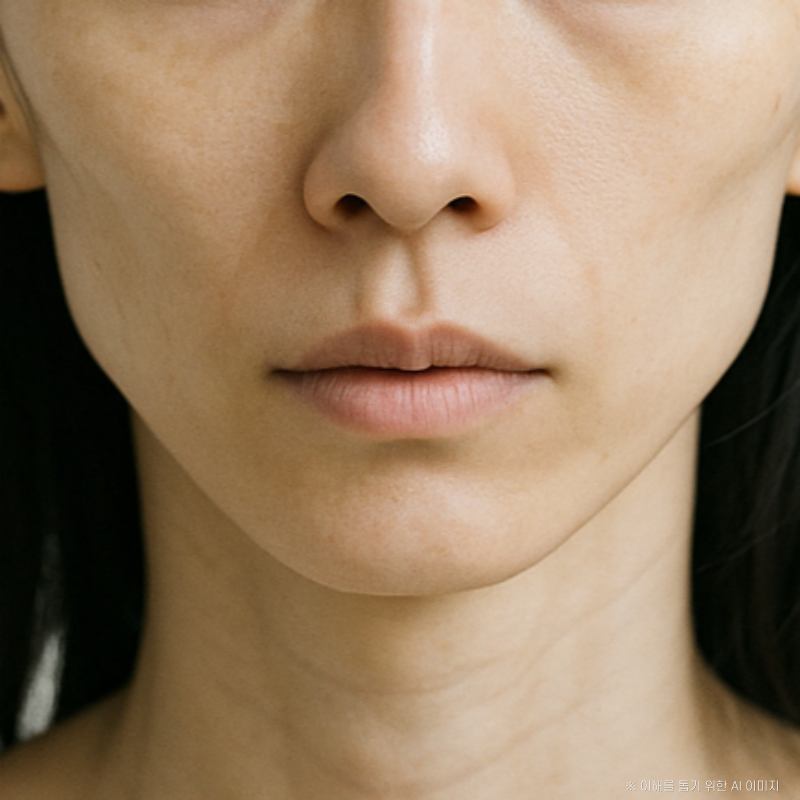
A face where the mid-face volume decreases because the cheek area below the cheekbones becomes hollow or saggy, or a face where fat or skin has moved downward around the area under the chin and along the jawline.
Overall, it gives the impression that the lower part looks heavier.
In other words, a face in which the three-dimensional balance has been disrupted is often described as a peanut-shaped face.
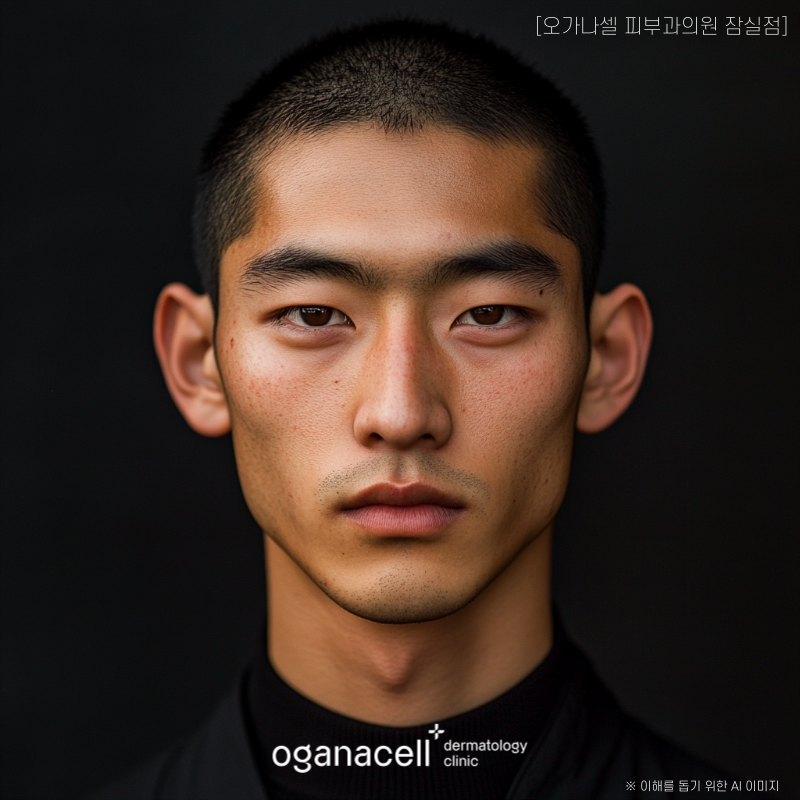
Why Facial Volume Matters
The three-dimensional quality of the face is not just a cosmetic factor.
Volume also has a major effect on how old the face looks.
When we are young, the center of the face has more volume and elasticity, which can create a youthful impression, but as time passes
As volume decreases with age, a flat and sagging face can look tired and older.
In particular, when the central areas such as below the cheekbones, the front cheeks, and the deep fat layer decrease, the face looks flatter,
and the three-dimensional harmony is disrupted.
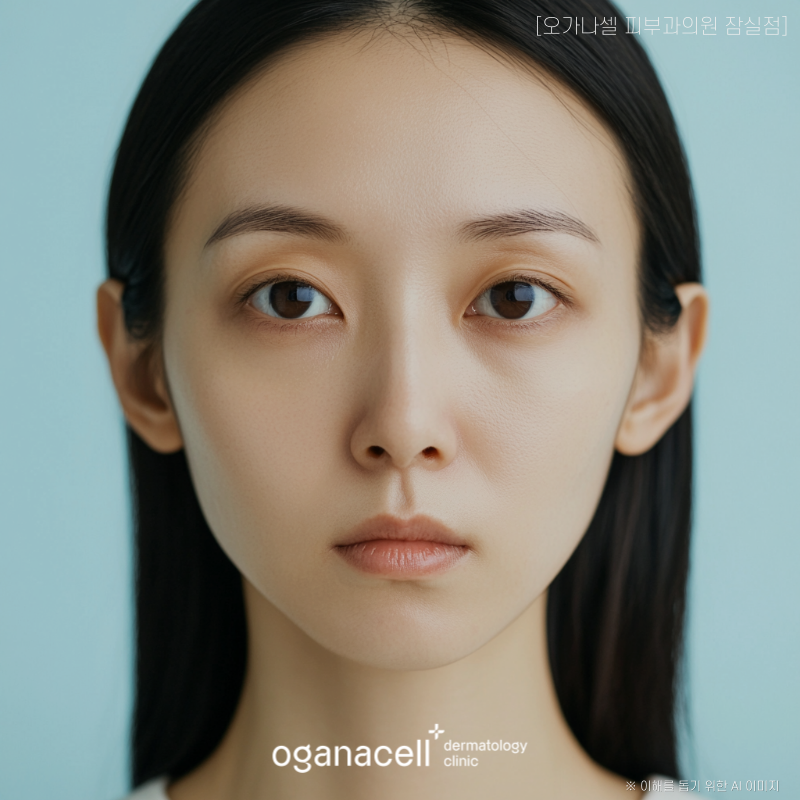
Why a Peanut-Shaped Face Becomes More Noticeable With Age
These changes are all part of the natural physiological process of aging. So what are the main causes?
- Changes in the tissues that support facial volume
As collagen and elastin, which play important roles in supporting skin tissue, decrease, the skin loses elasticity and begins to sag.
In addition, as subcutaneous fat is redistributed, the upper cheek volume decreases, and the fat moves downward, creating a heavier appearance.
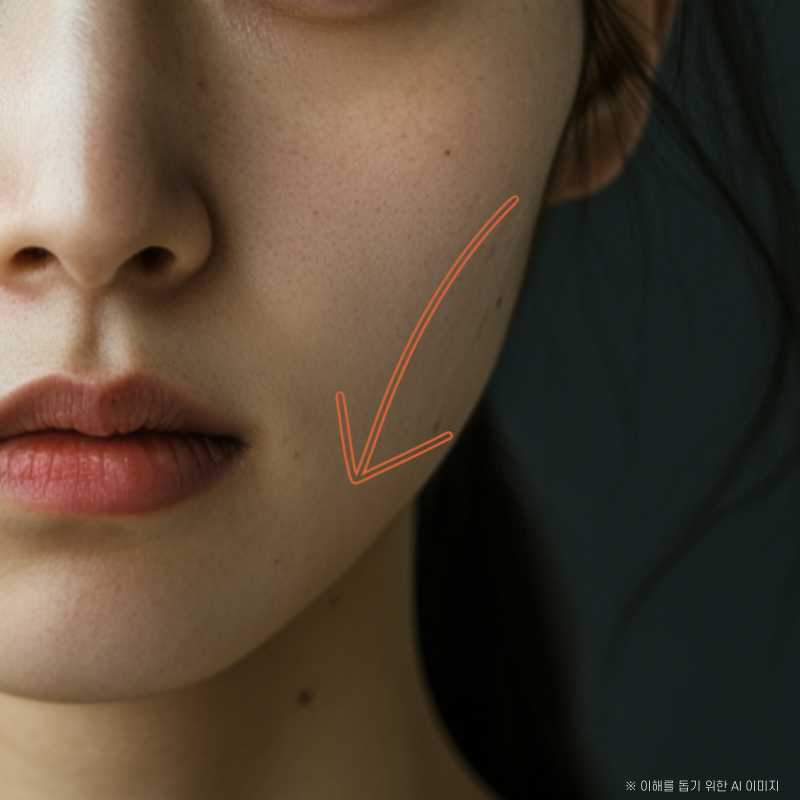
- Changes in the fascial and skeletal structure
The strength of the SMAS layer and ligaments that supported the facial structure weakens, causing sagging.
The facial bones also undergo subtle changes with age, which can reduce support.
When these complex causes work together, the center looks hollow and the sides appear spread out, making a peanut-shaped face stand out.
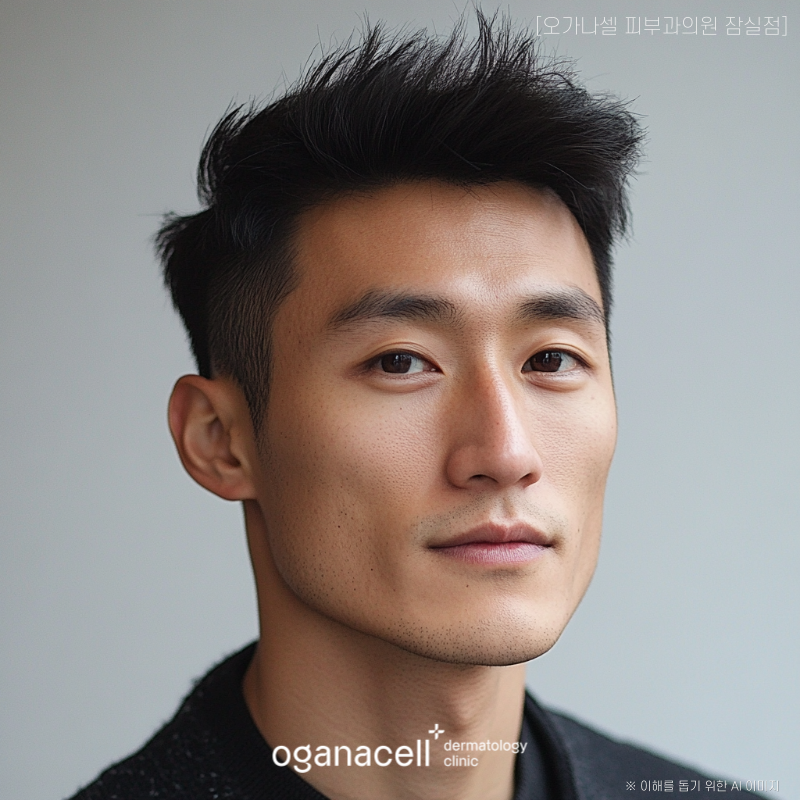
When You Notice Changes,
What Should You Observe?
First, understanding your own face and observing the causes of change can be the starting point for care.
Does the face line in photos feel different from usual?
Does the cheek area below the cheekbones look more hollow than before?
Does the center of the face look flatter in a straight-on expression than when smiling?
Does the jawline not look clear, and feel like it is sagging downward?
Recognizing changes is part of understanding yourself better and accepting the process of aging in a healthy way.
Facial Volume Changes,
How to Slowly Delay Them in Daily Life
Everyone experiences changes in the face, but the speed can vary depending on lifestyle habits.
Even without special care, it may help to pay attention to the following in daily life.
✔ 충분한 수면과 수분 섭취
Skin and tissues regenerate during sleep.
Also, hydration is closely related to skin volume.

✔ Sun Protection
Sun protection is something I always emphasize! UV rays can damage collagen and reduce skin elasticity.
It is important to make a habit of using sunscreen indoors and outdoors, regardless of the season or weather.
✔ Watch Your Facial Habits
A blank expression, resting your chin on your hand, and frequently touching your face can affect facial balance and elasticity.
It is good to move naturally, but reduce excessive expressions and repetitive movements.

✔ A Balanced Diet
A diet rich in vitamin C, protein, and antioxidants helps with collagen formation and maintenance.
✔ Observe Your Face With a Long-Term Perspective
Being able to notice gradual changes rather than sudden ones also helps you accept your face as it is.
It Is a Natural Process That Everyone Experiences.
A “peanut-shaped face” may be less of a special problem and more of one aspect of facial aging.
When you realize that you are not the only one experiencing it, it can help you adapt to the changes and look for balance rather than engaging in unnecessary comparison or self-blame.
Unlike care that can help in daily life, methods commonly managed at dermatology clinics may include Juvelook Volume, Sculptra, and others. However, these are not suitable for everyone, and side effects may occur.
Jamsil Dermatology Ogana Cell Dermatology Clinic Jamsil Branch is located inside the Medical Center on the 11th floor of Lotte World Tower.
Thank you.








#PeanutShapedFace #JamsilDermatology