

With the weather getting warmer,
it seems many people are planning outings and trips.
I can tell, since the number of patients coming in for whitening treatment in preparation for winter has increased a lot.
Today, I’d like to introduce a very common complication that can appear after whitening treatment, and one that may be quite surprising if you are seeing it for the first time.
Calling it a complication may sound a little scary,
but it gradually goes away over time.
And there is also a way to address it.
Its name is:
White spot.
Various white spots in the mouth
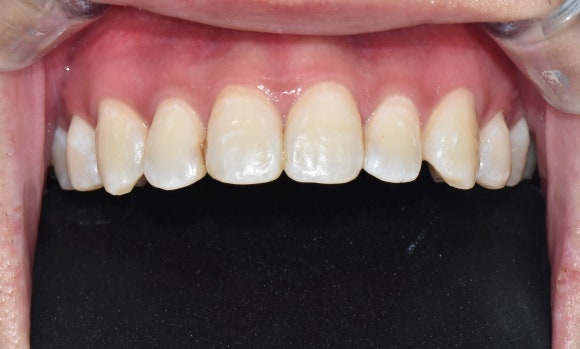 20240628
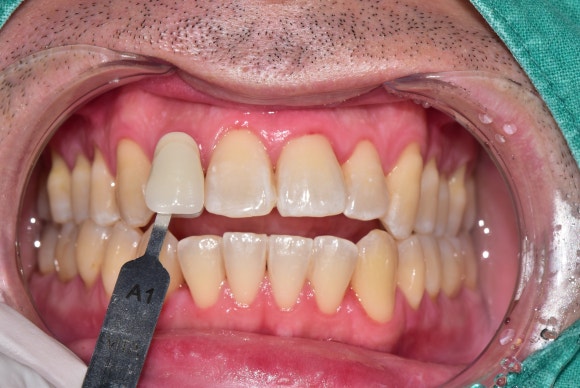 20250327
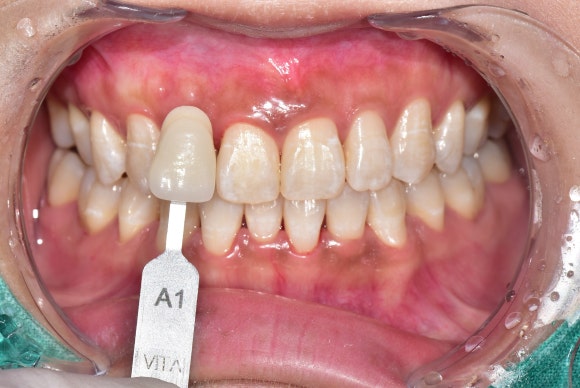 20250326
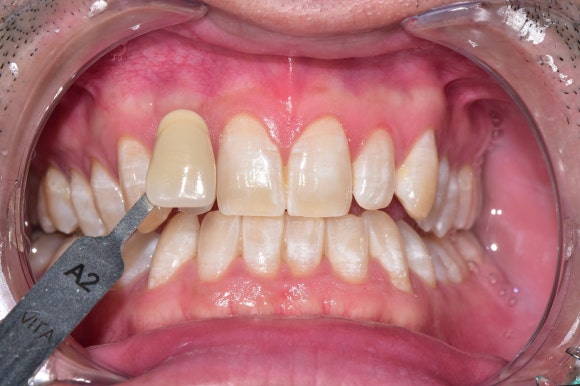 20250331
The reason white spots appear after teeth whitening is that the tooth surface has demineralized, or because pre-existing white spots become more noticeable during the whitening process.
The first thing you should know is:
A tooth is not a single mass (monobody),
but an aggregate of tiny crystals.
Even within one tooth,
there are places where the crystals are packed more densely,
and places where they are a bit more loosely arranged.
White spots do not occur only after whitening.
Due to genetics or the conditions present at birth,
some parts of the crystal structure may be looser,
and due to acidic foods or early cavities,
there may be areas where the tooth’s mineral content has been partially lost.
These are collectively called white spots.
So why do they become more noticeable after whitening treatment?
Below, I will explain the cause and mechanism in detail:
Causes of white spots
- Pre-existing demineralized lesions:
-
White spots occur due to demineralized lesions caused by mineral loss in the enamel on the tooth surface.
-
Before whitening, they may not be very noticeable because their color is similar to the tooth surface tone, but after whitening, as the surrounding teeth become brighter, they may stand out more relatively.
- The action of whitening agents:
-
Whitening agents (in professional whitening, hydrogen peroxide is used. It breaks down pigment molecules very powerfully) break down the pigments inside the tooth, but at the same time may temporarily alter the balance of moisture and minerals on the tooth surface.
-
As a result, dehydration may occur temporarily right after whitening, making the tooth surface look more uneven and causing white spots to stand out.
-
- Structural unevenness:
-
Tiny structural defects or uneven optical properties on the tooth surface may be emphasized even more after whitening.
White spots — do they go away?
-
Temporary cases:
-
White spots that appear because of dehydration of the tooth surface right after whitening may disappear over time once the tooth comes into contact with saliva and is rehydrated. This usually takes from several days to several weeks.
-
Persistent cases:
-
If pre-existing demineralized lesions are the cause, the white spots are more likely to persist. In this case, additional treatment may be needed.
How are white spots managed?
Is treatment necessary?
- Natural recovery:
- Some white spots may improve naturally through remineralization by saliva after whitening. To support this, adequate water intake and good oral hygiene are important.
- Remineralization treatment
-
Fluoride application: Fluoride is applied at the dental clinic to promote enamel remineralization.
-
CPP-ACP (casein phosphopeptide-amorphous calcium phosphate): Professional toothpaste or gel that helps remineralize white spots can be used.
-
Nano hydroxyapatite (Nano-HAp): An ingredient that helps improve the gloss of the tooth surface and supports remineralization.
- Minimally invasive treatment:
-
Icon treatment: A minimally invasive resin infiltration method that fills white spot lesions with resin to improve their appearance.
-
Microabrasion: White spots can be reduced by gently abrading the tooth surface.
- Additional whitening:
- Additional whitening may be considered to make the tooth shade more uniform. However, excessive whitening can damage the teeth, so caution is needed.
How can it be prevented?
If it is not partial demineralization caused by genetics or congenital factors, demineralization usually occurs because of poor oral hygiene management, bad eating habits, and similar causes.
-
Thorough oral hygiene management and fluoride use are important.
-
Consultation before whitening: Before whitening treatment, it is a good idea to have the dentist assess whether white spots are present, and if necessary, to combine remineralization treatment before and after whitening.
Conclusion
White spots may become relatively more noticeable after whitening because the surrounding tooth color becomes brighter, or they may appear due to temporary changes on the tooth surface during the whitening process. In most cases, they improve over time, but if the problem persists, additional treatment at the dental clinic should be considered.