Please stop clogging the bathroom drain...
Could there be a problem with your scalp-care routine?
How do you take care of your scalp?
Have you ever used a shampoo because it was supposed to be good, but found that it was not very effective?
Or tried something because you heard it would help, only to feel that things were gradually getting worse? (I’m talking about myself.)
Today, let’s take some time to talk about those concerns!
What kinds of scalp problems are there?
What are the most common scalp problems?
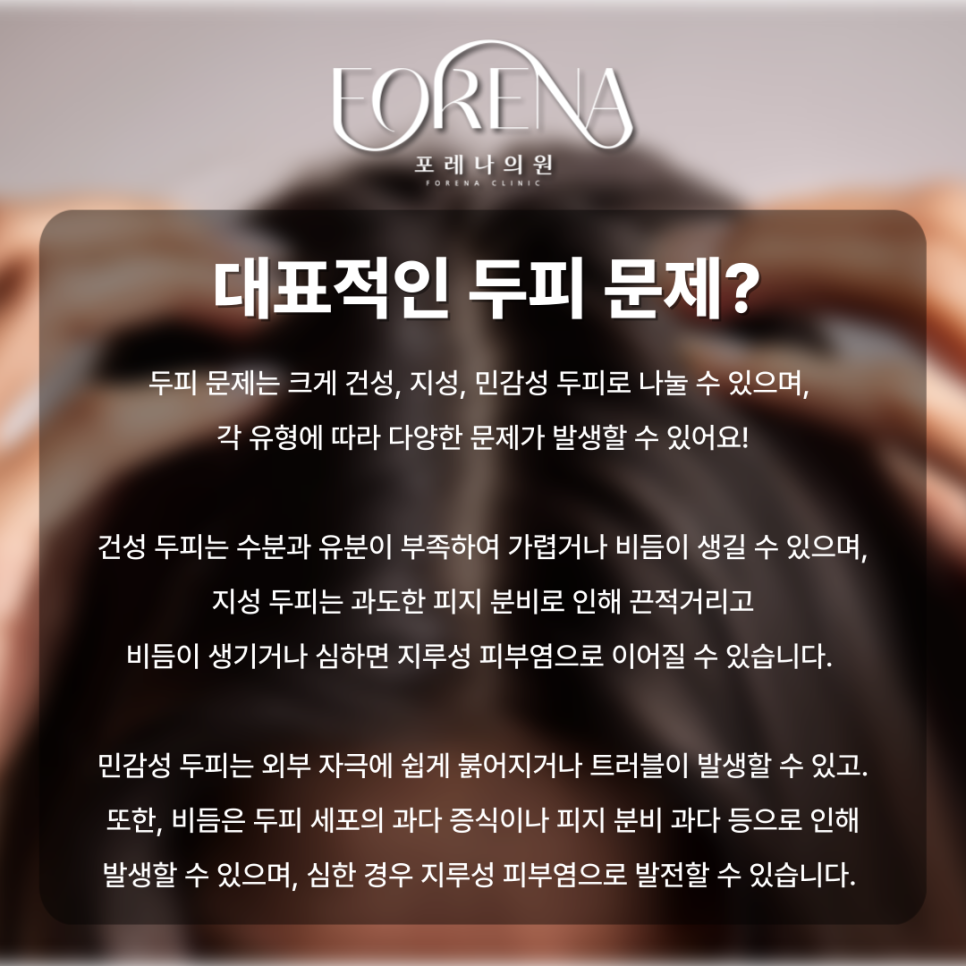
Scalp types can generally be divided into dry, oily, and sensitive scalps,
and various problems can occur depending on the type!
A dry scalp may itch or develop dandruff due to a lack of moisture and oil,
while an oily scalp may feel sticky because of excessive sebum production.
It may also develop dandruff and, in severe cases, lead to seborrheic dermatitis.
A sensitive scalp may easily become red or develop irritation in response to external stimuli.
In addition, dandruff can occur due to excessive growth of scalp cells or excessive sebum production,
and in severe cases, it may progress to seborrheic dermatitis.
Skin concerns by scalp type
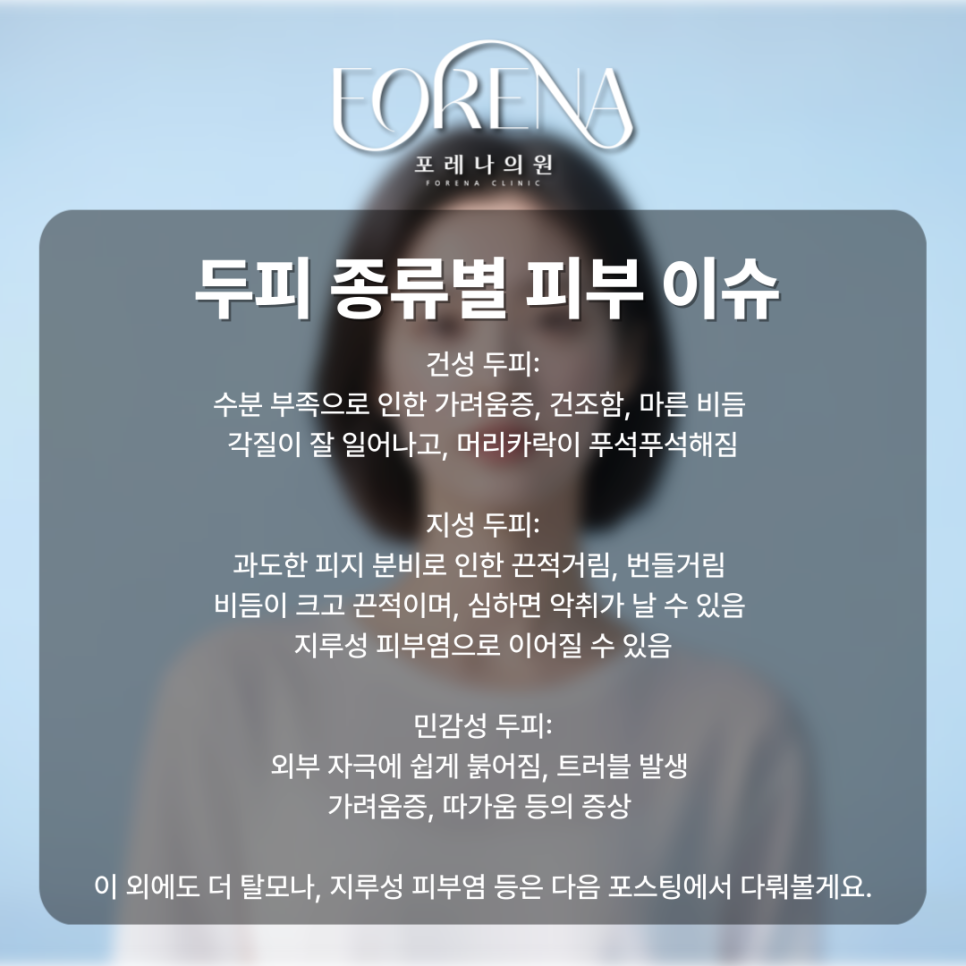
Dry scalp:
Itching, dryness, and dry dandruff caused by a lack of moisture
Easily developing flakes, with hair becoming dry and brittle
Oily scalp:
Stickiness and greasiness caused by excessive sebum production
Dandruff may be large and sticky, and in severe cases, an unpleasant odor may occur
May lead to seborrheic dermatitis
Sensitive scalp:
Easily becoming red in response to external stimuli and developing irritation
Symptoms such as itching and stinging
We will also cover hair loss and seborrheic dermatitis in a future post.
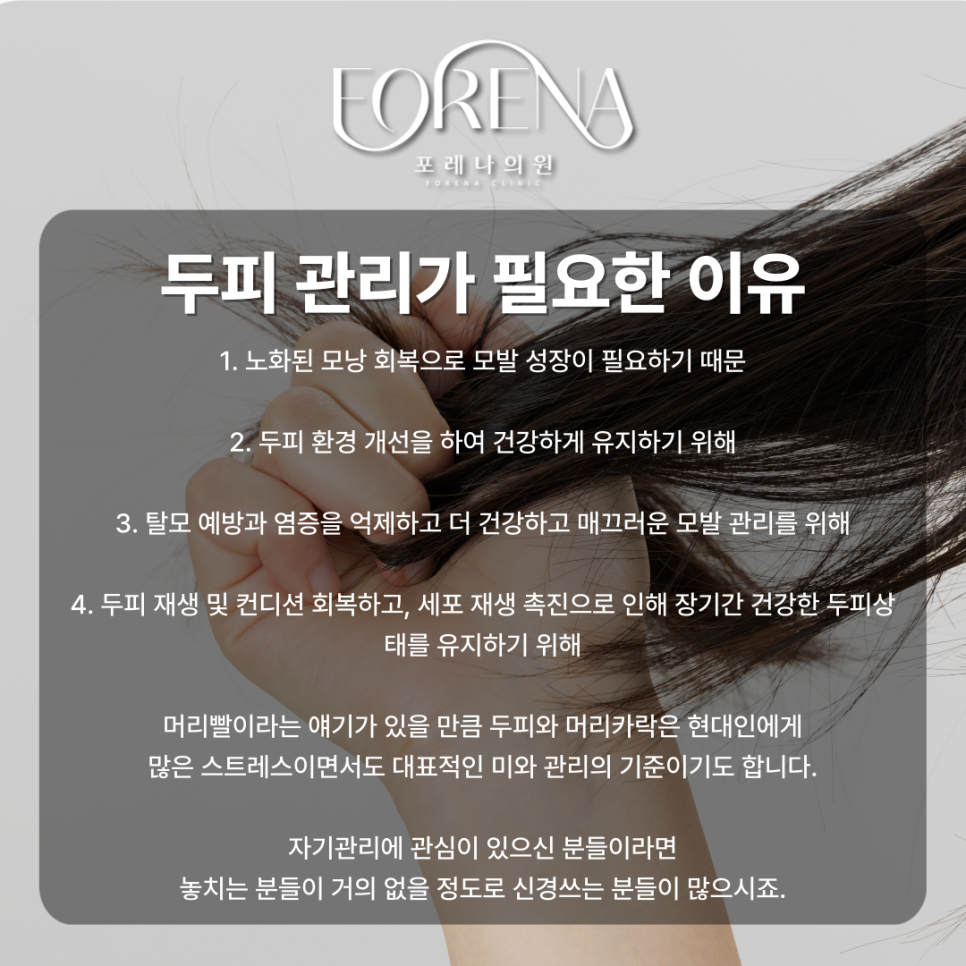
Why scalp care is necessary
-
Because aging hair follicles need to be restored to support hair growth
-
To improve the scalp environment and keep it healthy
-
To help prevent hair loss, suppress inflammation, and maintain healthier, smoother-looking hair
-
To restore the scalp and its condition, and maintain a healthy scalp over the long term by promoting cell regeneration
The saying that “hair makes the look” reflects how the scalp and hair are a major source of stress for people today,
while also being key standards of beauty and grooming.
For those interested in self-care,
many people pay close attention to their scalp and hair, to the point that very few overlook them.
Previous image
Next image
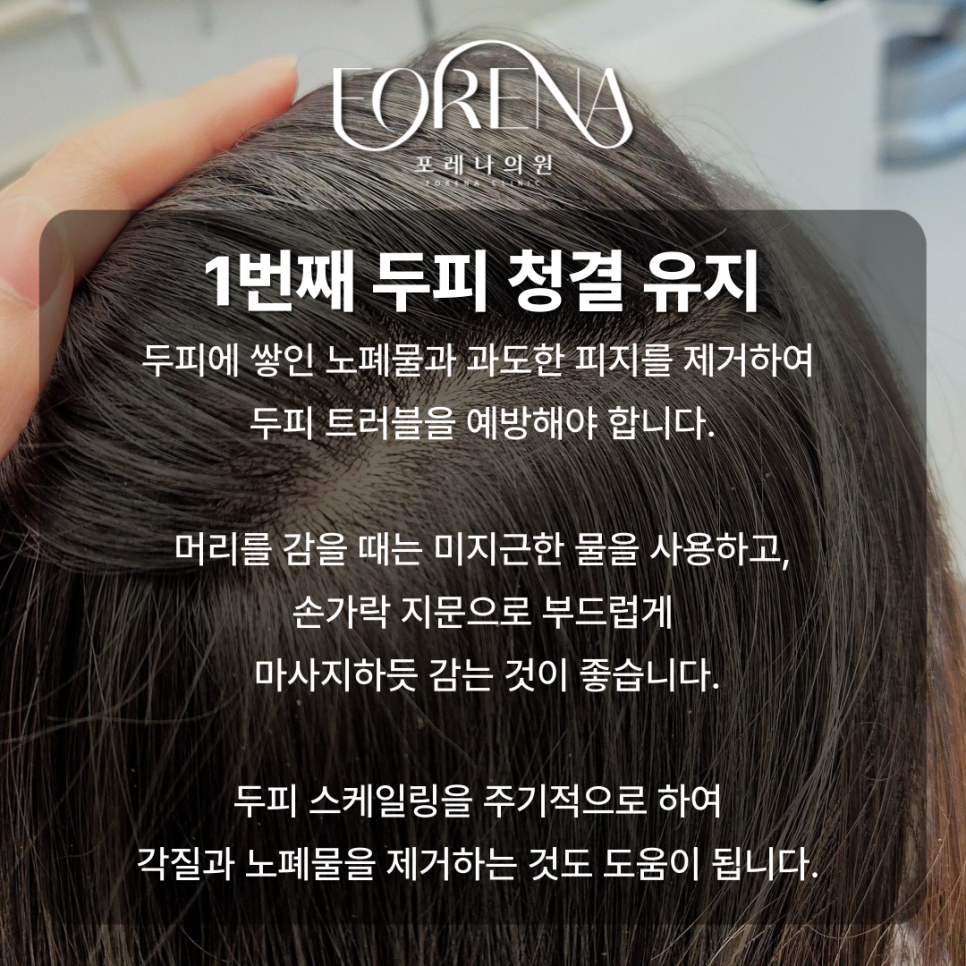
First: Keep the scalp clean
Remove waste and excess sebum accumulated on the scalp to help prevent scalp irritation.
When washing your hair, use lukewarm water and gently massage the scalp with your fingertips.
Regular scalp scaling can also help remove flakes and waste.
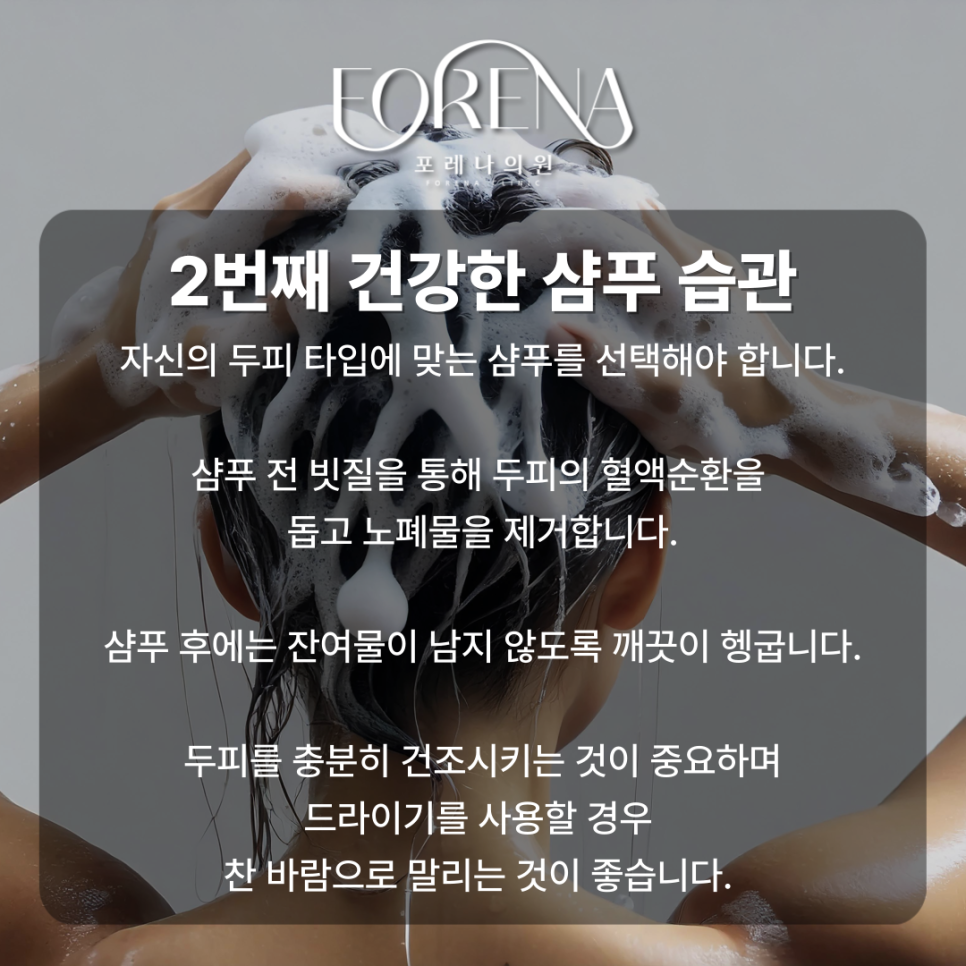
Second: Healthy shampoo habits
Choose a shampoo that suits your scalp type.
Brush your hair before shampooing to help promote circulation in the scalp and remove waste.
After shampooing, rinse thoroughly so that no residue remains.
It is important to dry the scalp thoroughly. If you use a hair dryer, it is best to dry your hair with cool air.
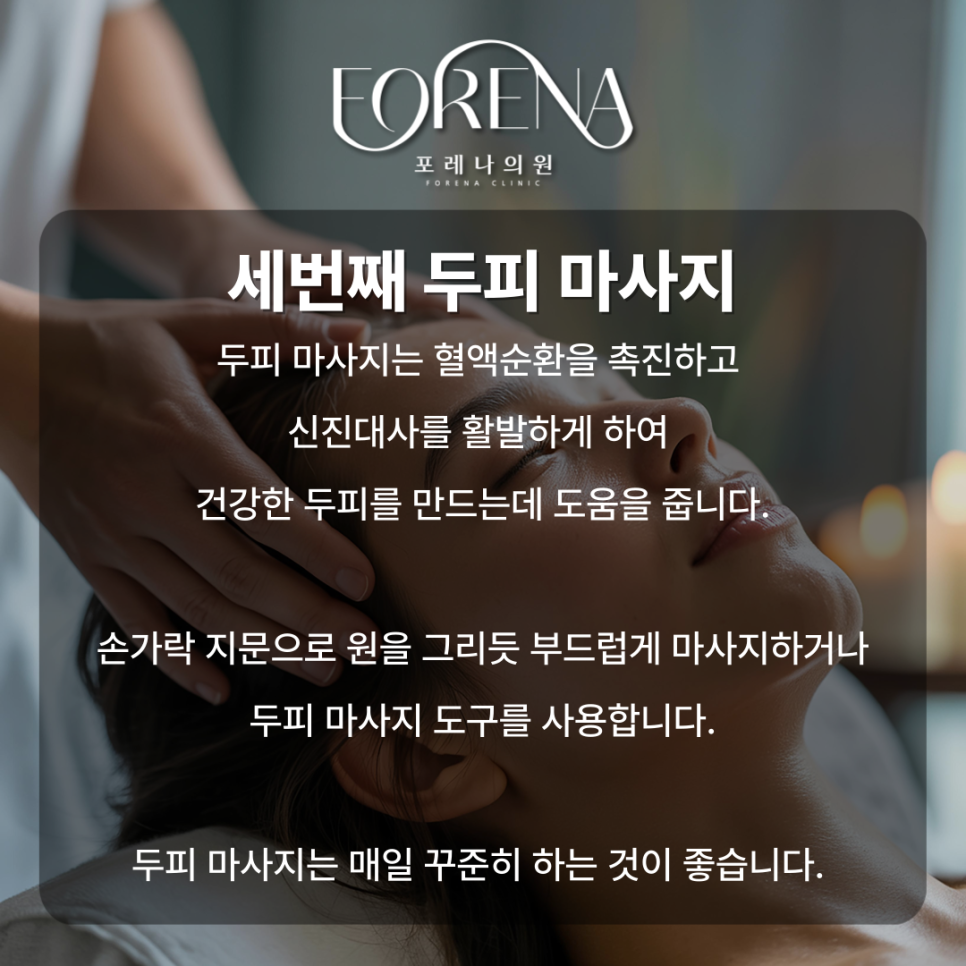
Third: Scalp massage
Scalp massage helps create a healthy scalp by promoting circulation and stimulating metabolism.
Gently massage in circular motions with your fingertips, or use a scalp-massage tool.
It is best to massage your scalp consistently every day.
Fourth: Healthy eating habits
When the scalp is dry, problems such as dandruff and itching may occur, so adequate hydration is important.
A balanced diet also has an important effect on scalp health.
Consume foods rich in vitamins, minerals, and protein to maintain healthy hair and a healthy scalp.
Instant foods, fried foods, and caffeine may have a negative effect on scalp health,
so it is best to avoid them.
Fifth: Dermatology care
Options include exosomes (Exo-Healer), scalp scaling, laser treatment, medication injections,
and scalp MTS (Microneedle Therapy System).
These procedures are intended to remove waste from the scalp, improve circulation, promote hair growth, and help prevent hair loss.
The appropriate scalp-care procedure may vary depending on each individual’s scalp condition and symptoms.
You must consult with a specialist before deciding on a procedure.
This information has been written as a basic overview of the procedures.
Because a procedure may not be suitable depending on each person’s skin condition and circumstances, please consult with a qualified medical professional before proceeding!
Wrapping up
In today’s world, the scalp and hair may affect self-esteem even more than the skin.
This is because we often hear people express concern about hair loss and say that whoever solves hair loss should win the Nobel Prize!
I think everyone has at least one concern about their hair.
Scalp care means more than simply keeping your hair clean.
To leave you with one thought as we wrap up this post: the fastest way to start scalp care is to begin today.
Because eventually, you will start someday!
Today, together with Hongdae 포레나의원,
we took a look at concerns about the scalp!
Next time, we will also talk about hair loss, so please look forward to it!
👇Scalp Concerns Special👇
👇Pigmentation Concerns Special👇
👇Make a reservation through Naver Place👇
👇Directions via Naver Map👇
✅This post was written directly by 포레나의원 for the purpose of providing medical information, in compliance with Article 56, Paragraph 1 of the Medical Service Act.
✅Because results can vary greatly depending on the patient’s skin condition and the medical professional’s clinical experience, please make your decision after fully consulting with a doctor.
✅The treatment photos in this post were taken with the patients’ consent. We confirm that the before-and-after photos were not manipulated and were taken under the same conditions.
✅Please use this post for personal reference only. For more detailed information, we recommend visiting a medical institution in person for a consultation and examination.
✅All procedures performed after a visit may cause side effects, ranging from minor to significant, depending on the individual. Please consult with a qualified medical professional, fully understand the possible side effects and precautions, and then proceed.