
When we are considering correction because we are unhappy with the shape of our nose,
we often first think of reshaping the central axis.
Many people expect that smoothing the line
from the nasal bridge to the tip
will create an ideal shape.
However, those with a refined sense of aesthetics
know that a beautiful nose can only be completed
when the shape of the nasal alae attached to both sides
of the central axis is properly addressed.
As standards of beauty have become more sophisticated,
more people have begun to show interest in procedures
such as alar lifting and alar reduction.
Because the nose is a highly three-dimensional structure,
the vertical central axis and horizontal width
must be harmoniously balanced.

For alar lifting,
it is first necessary to understand
the ideal shape of the nasal alae.
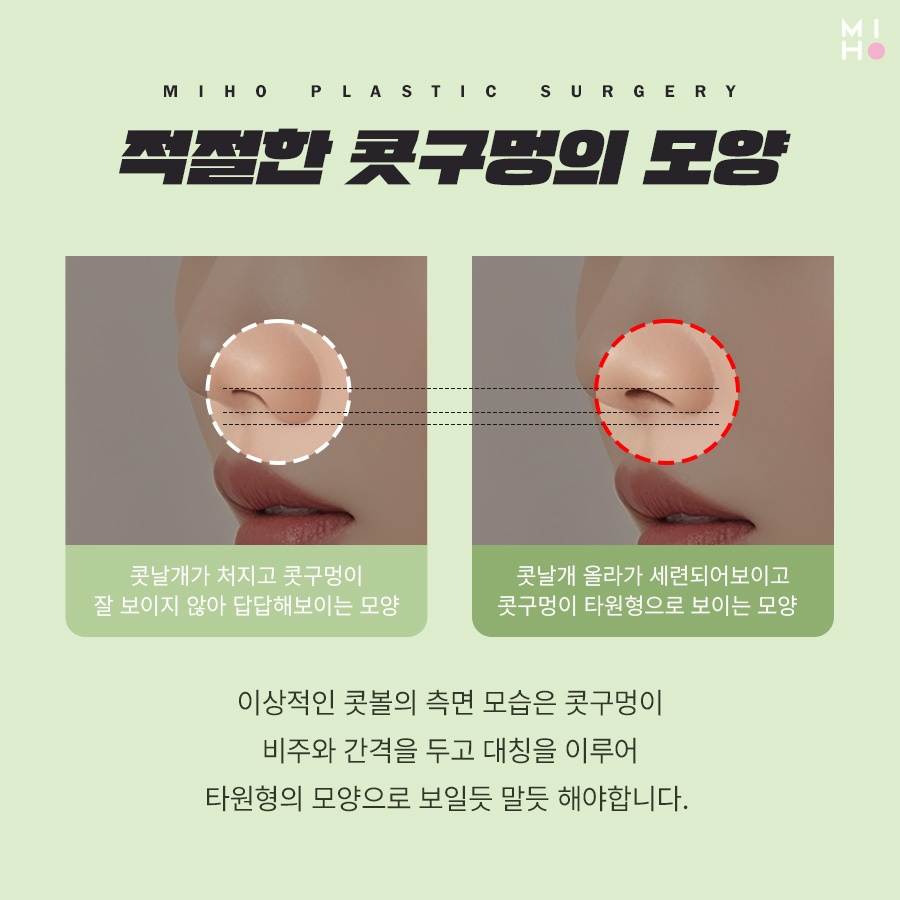
Because visible nostrils from the front
can give an unclean impression,
they should generally not be visible.
However, it is desirable for the tip of the nose
to turn slightly upward and reveal a small amount.
If the tip droops and the columella is not visible,
the midface may appear longer,
or the face may look closed off.
It is also generally more refreshing in appearance
when part of the columella is slightly visible
from the side.
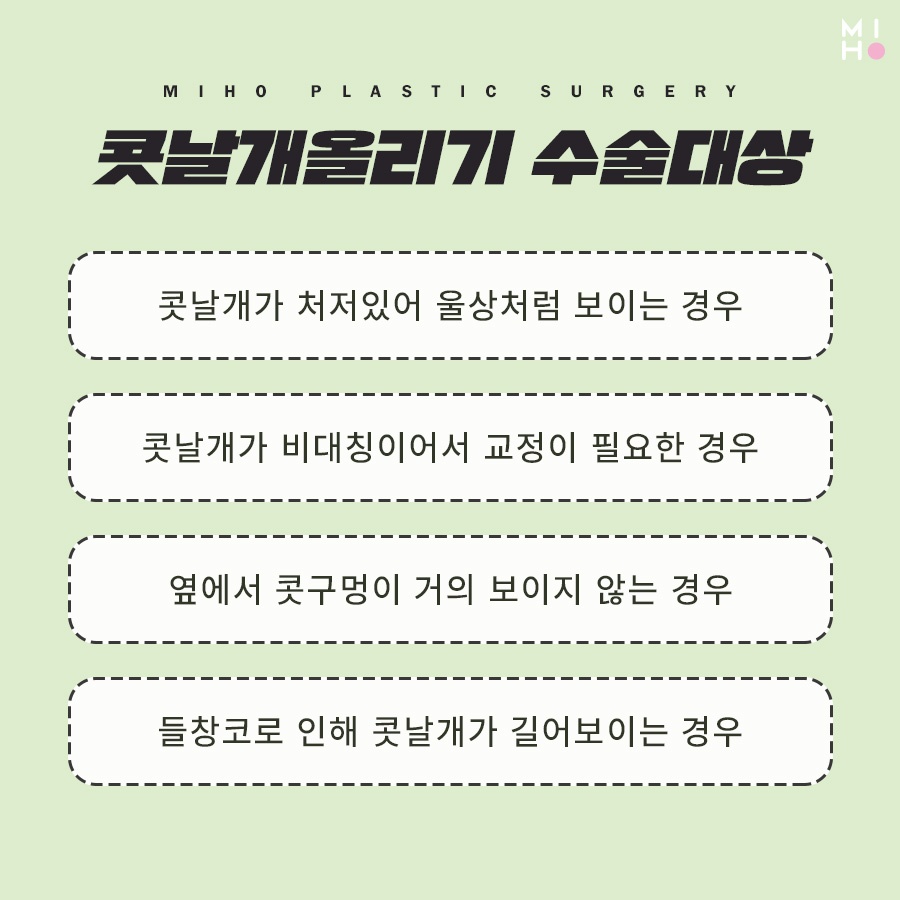
To create an ideal shape in which the columella is slightly visible
from both the front and side,
the attachment points where the alae meet the face
should be positioned at approximately the same height
as the starting point of the columella.
If the attachment points are too low,
the nostrils will be visible from the front,
which may result in the unfavorable appearance of a “pig nose.”
In addition, the columella may not be visible from the side,
which can make the face look closed off,
while the midface may appear long and dull.
Because the overall balance of the nose is disrupted,
it may also create a subtly awkward impression
or even cause discomfort when viewed.
Alar lifting can help people
who are concerned about these issues.
People concerned about an upturned nose
may wonder whether to choose lifting the alae upward
or lowering the nasal tip.
Since the nasal tip is part of the central axis,
pulling it downward
will produce a noticeable change.
The overall impression of the nose may change,
and the proportions of the facial features
may also appear different.
Therefore, lowering the tip should be decided carefully,
taking various factors into consideration at the same time.
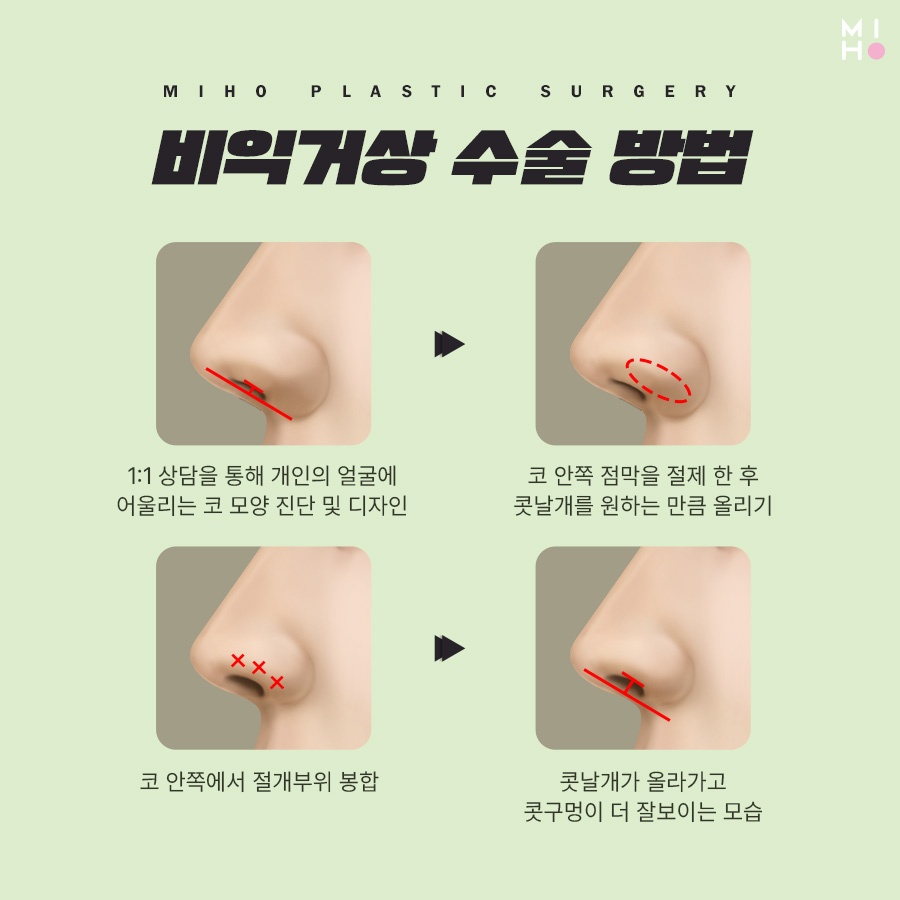
When the attachment points are lifted through alar lifting
to adjust the angle of the nostrils,
the shape of the nose does not change dramatically.
Because the procedure corrects only the proportions and shape
of the nostrils or alae that were sources of concern
while preserving the existing overall impression,
it has the advantage of being less burdensome.
Recently, many more people have come to prefer
a shorter midface,
so more people are choosing the method
of raising the attachment points.
However, rather than simply following trends,
it is important to consider the shape of the face
and the proportions of the facial features
to find the method that suits you.
If you decide to raise the attachment points,
you should carefully assess the effect
on the alae and the nasal tip.
If both alae droop downward,
making the nasal tip appear wider,
it is beneficial to narrow and refine the alae
while adjusting their position.
On the other hand, if only the attachment points are too low
and the alae are not drooping,
the focus should be on lifting the base of the alae
to bring them into a level position.
Care must also be taken during the correction
so that the nose does not appear weakened or underdeveloped,
or so that the nasal tip does not look weak.
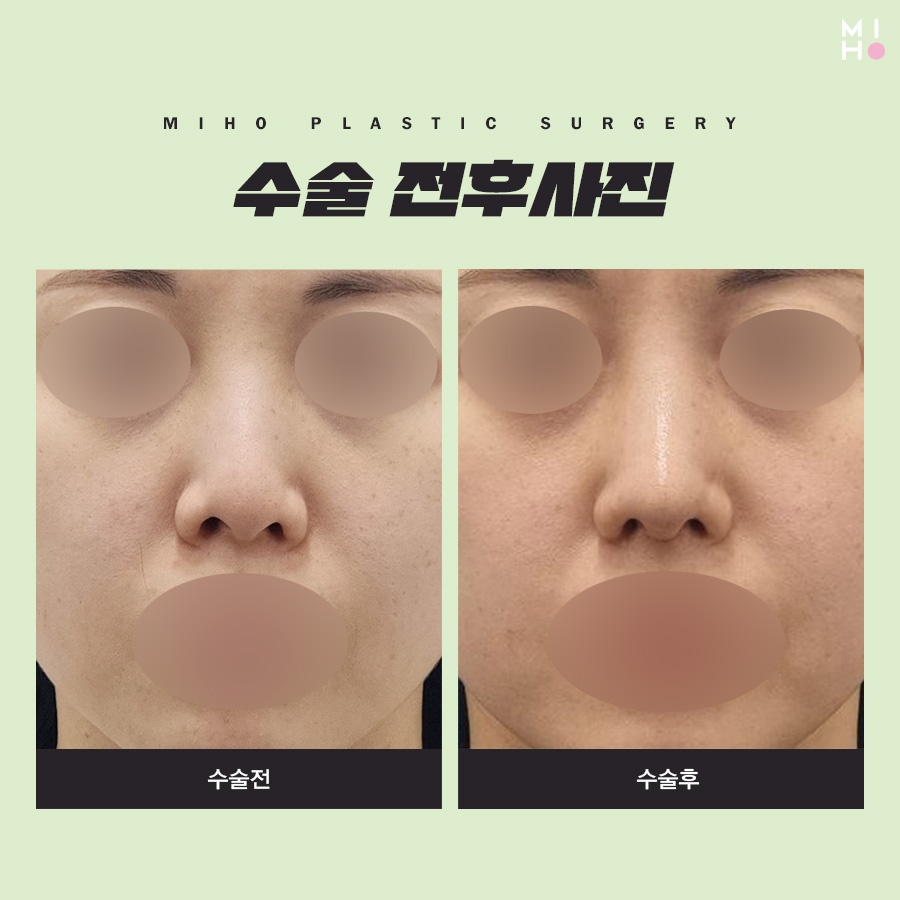
The underside of the nose is more noticeable than one might expect
and can easily draw attention,
so careful scar management is also necessary.
It is important to minimize the size of the incision,
and, whenever possible,
complete the incision and suturing inside the nostrils.
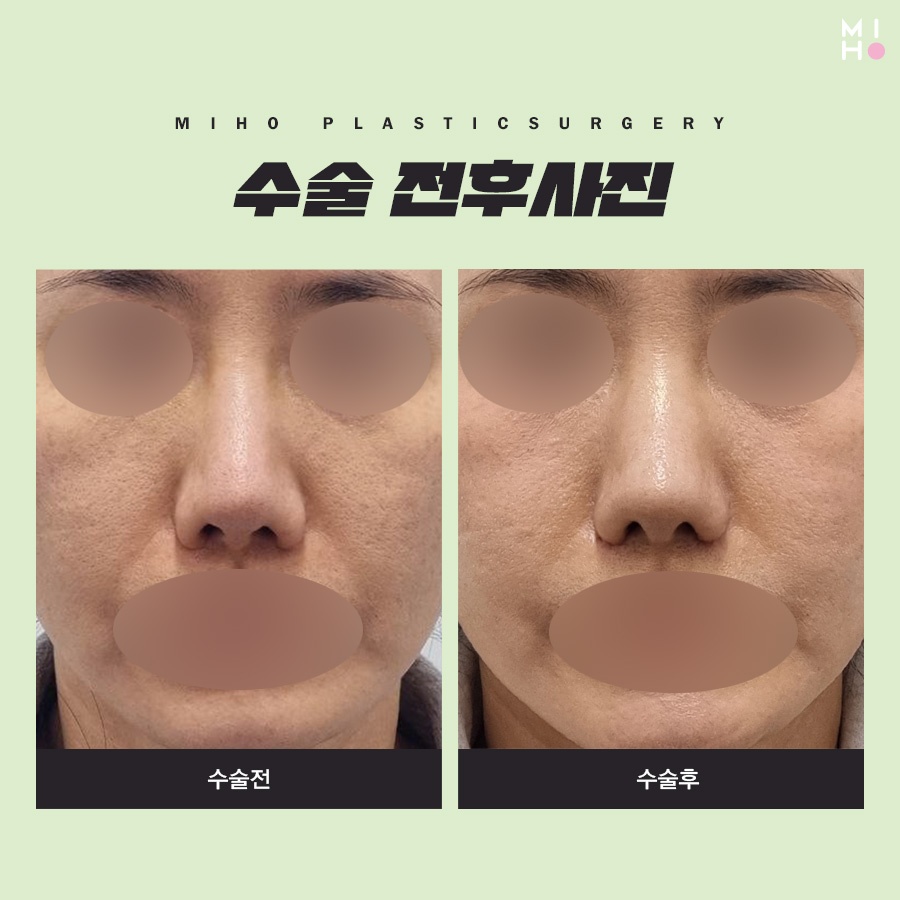
Many people have drooping attachment points without drooping alae,
so in many cases the procedure can be completed
without exposing scars externally.
If care is taken to prevent scarring
by using an internal incision and fine suturing,
a natural appearance can be maintained
even when the head is tilted backward.
Some people mistakenly believe that,
to perform alar lifting properly,
an external incision must be made
while accepting the possibility of a scar.
However, the skin surrounding the alae
is relatively thick and oily,
making it a difficult area to suture.
As the sutures used for closure loosen,
unsatisfactory results such as the alae drooping again
can occur more easily.
Therefore, it is advantageous for an experienced medical team
to choose an internal incision approach
and pursue both aesthetic results
and functional stability.
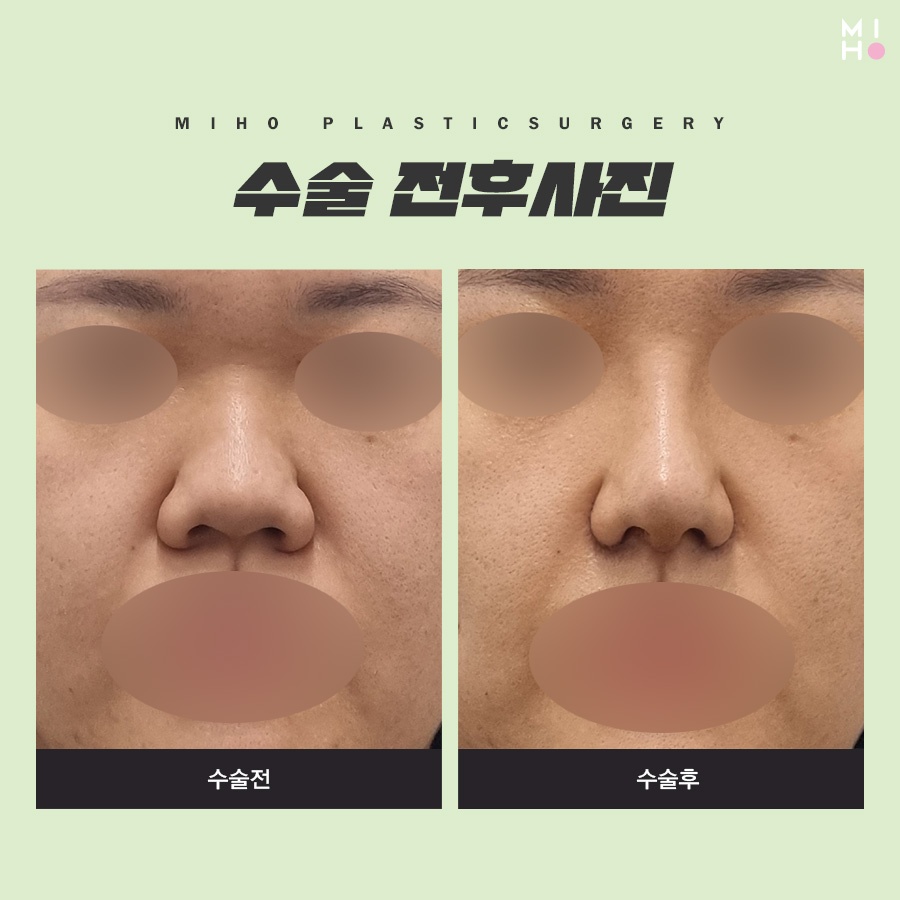
Although a somewhat technically demanding surgical method is used,
the procedure takes only about 20 minutes,
which is said to place less burden on the patient.
Because the incision and suturing are completed quickly,
many evaluations report that issues such as bleeding,
swelling, and bruising occur less frequently.
Internal incisions also conceal the sutures,
so many people consider it important
that they can return to daily life
and carry on normally right away.
The precautions that patients need to take themselves
are explained in advance by the medical team,
so aftercare is not difficult.
Because the inside of the nostrils is not easily exposed
to external irritation,
it tends to heal smoothly.
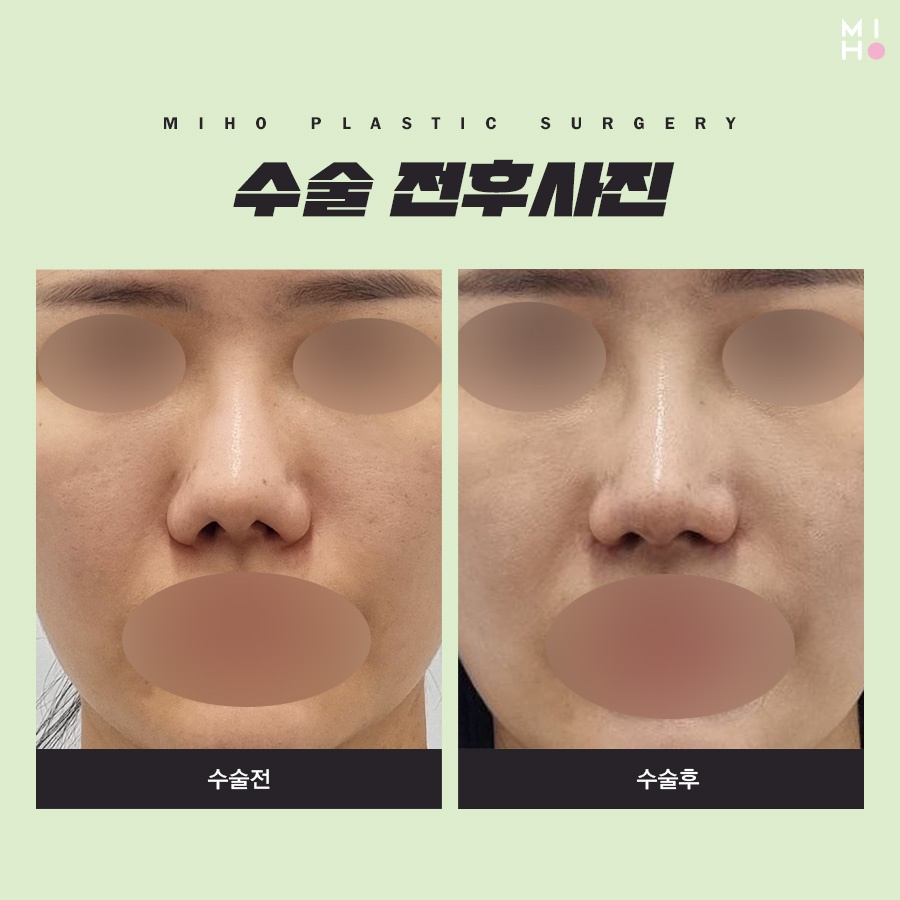
Lifting the drooping attachment points
and correcting the angle of the underside of the nose
creates a neat overall impression.
Although the change in the facial features is not substantial,
removing an undesirable feature such as visible nostrils
can result in considerable patient satisfaction.
However, because this procedure requires an internal incision,
if you are preparing for alar lifting,
it is recommended that you check the medical team's
clinical experience in advance.
It is also important to choose a clinic
where the medical team provides thorough guidance
on complementing existing shortcomings
and highlighting strengths,
taking the patient's individual facial features
and proportions into account.
If you carefully follow a few precautions,
you can simply improve the balance of the underside of the nose
and address the feature that concerns you.



Previous image
Next image