
The nose plays an important role
in determining a person's overall image.
This is true for women as well, but especially
for men, the overall impression could change
dramatically depending on the shape of the nose.
Even without altering the eyes or jawline,
improving only the nose could significantly
change the overall appearance.
No matter how sharp the jawline or how
defined the eyes were, a round nose could
inevitably diminish one's appeal.
Broad nostrils and a low nasal bridge could
create a plain and heavy-looking image,
which was why many people considered
improving the male nose.
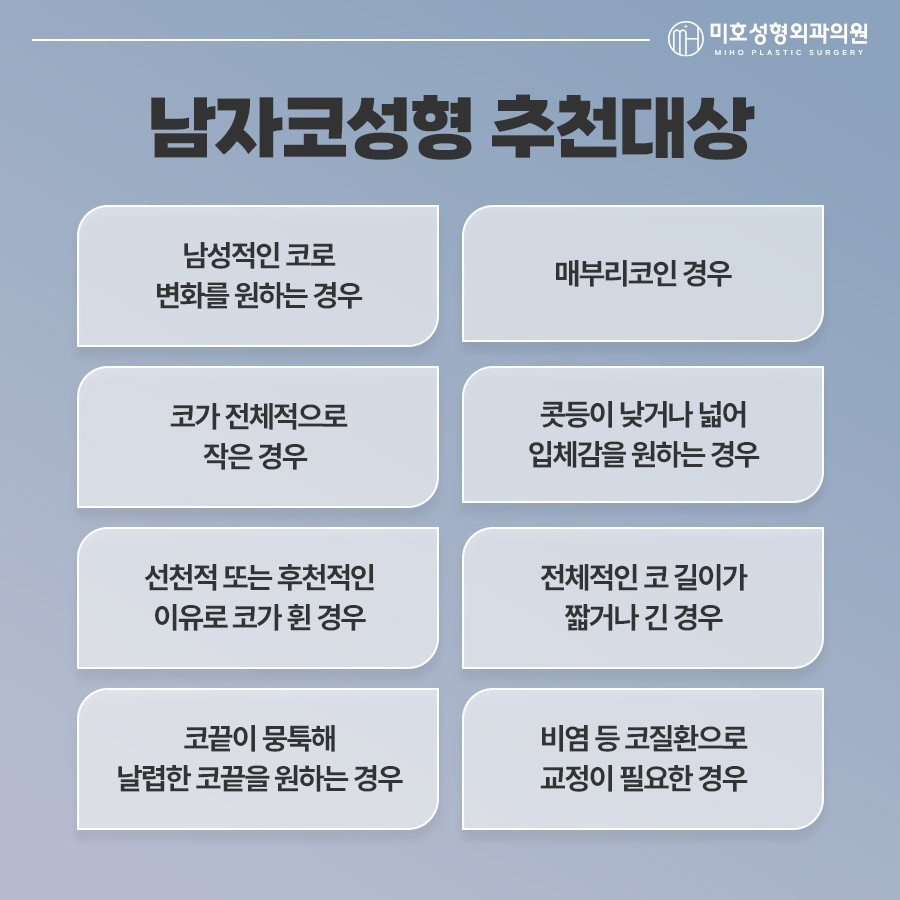
While a low, rounded nose could be perceived
as giving women a cute image,
that was difficult to achieve with
a male nose in reality.
Whenever they looked in the mirror or took
photos, their faces could appear flat and broad,
which often lowered their confidence in their
appearance and caused stress.
In addition, glasses could slip repeatedly
because the temples were not securely held,
and the lack of a shadow between the eyebrows
could make the face look even wider than it was.
As surgical solutions became more widespread
and appearance came to be regarded as a type
of qualification, more people sought to improve
their perceived shortcomings.
A male nose needed to be approached
from a somewhat different perspective
than a female nose.
Because men generally had thicker and
more pronounced facial lines than women,
designs emphasizing curvaceous beauty
did not suit them.
A natural shape that looked as though
nothing had been done could go completely
unnoticed, so in some respects a bolder
approach was also necessary.
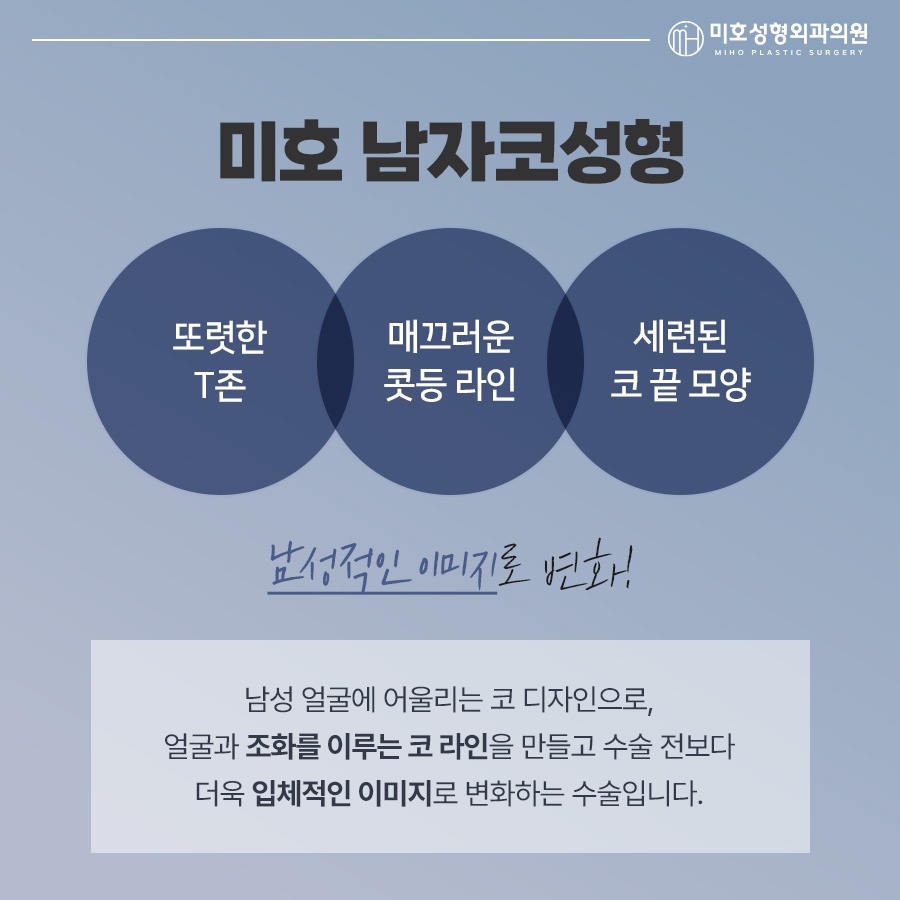
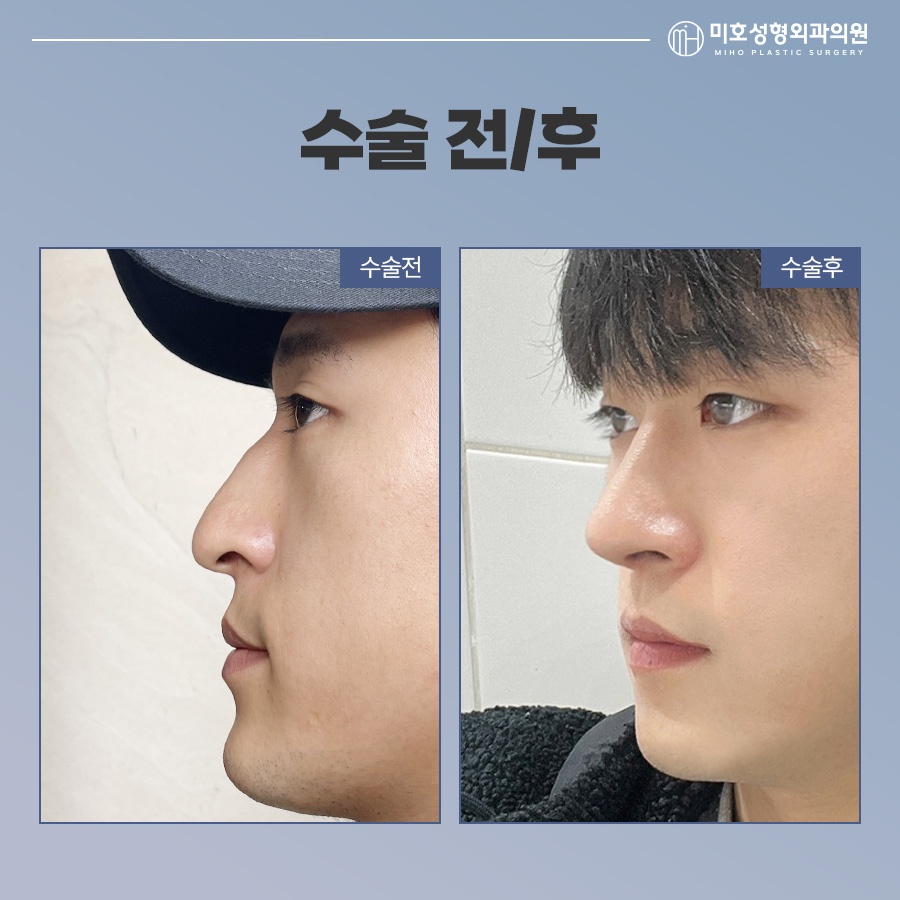
It was preferable to raise the nasal bridge
slightly higher to create a distinct T-zone.
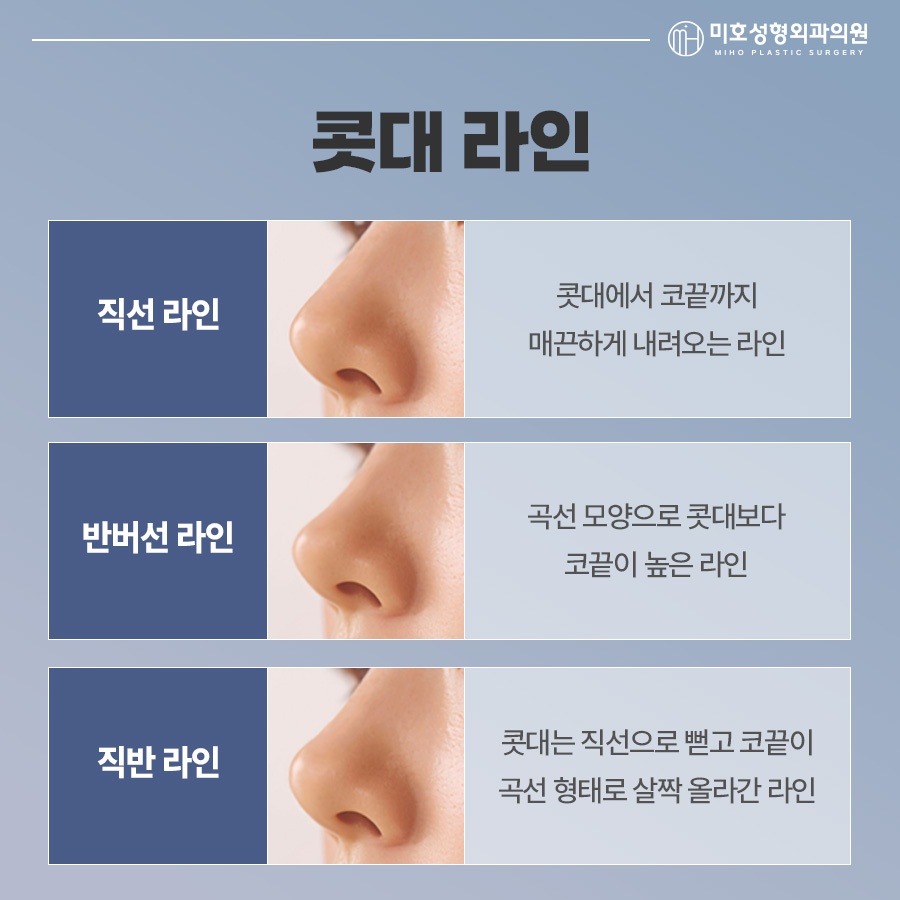
A straight line leading to the tip of the nose
was also more suitable than a softly curved line.
At the same time, care had to be taken to ensure
that the tip was not too sharp or that the nostrils
did not tilt upward and become visible from the front.
Another reason the approach differed
according to sex was that soft tissue,
bone structure, skin thickness, and the amount
of sebum production were different.
Because men generally had thicker skin
and larger bone structures than women,
slightly larger implants were needed to create
a noticeable before-and-after difference.
However, excessive ambition was to be avoided,
as inserting an implant that was too large
could lead to side effects such as implant visibility
through the skin or capsular contracture.
A customized design had to be planned after
examining the harmony with the other facial features,
vertical and horizontal dimensions,
as well as the widths of the nasal dorsum and nostrils
from multiple perspectives.
The recovery stage was particularly important
when improving a male nose, although the solution
process itself was also significant.
Since men tended to be more physically active,
they could be more easily exposed to external impact,
and sweat and sebum could contaminate the incision,
increasing the risk of infection.
During the recovery period, strenuous exercise
had to be avoided, and the nose had to be protected
from strong impacts and excessive pressure.
Keeping the incision clean was also important,
but rather than disinfecting it with an improper method,
it could be better not to touch it at all.
It was recommended to avoid saunas and swimming pools
for the time being, while smoking and drinking alcohol
had to be avoided because they could slow recovery
and cause inflammation.
If you wanted to reduce swelling and bruising quickly,
it was advisable to alternate cold and warm compresses
as appropriate and sleep with a high pillow.
If prescription medication was provided,
it had to be taken diligently according to the instructions.
If swelling or pain did not subside over time,
or became worse, you needed to visit a medical institution
without delay for treatment.
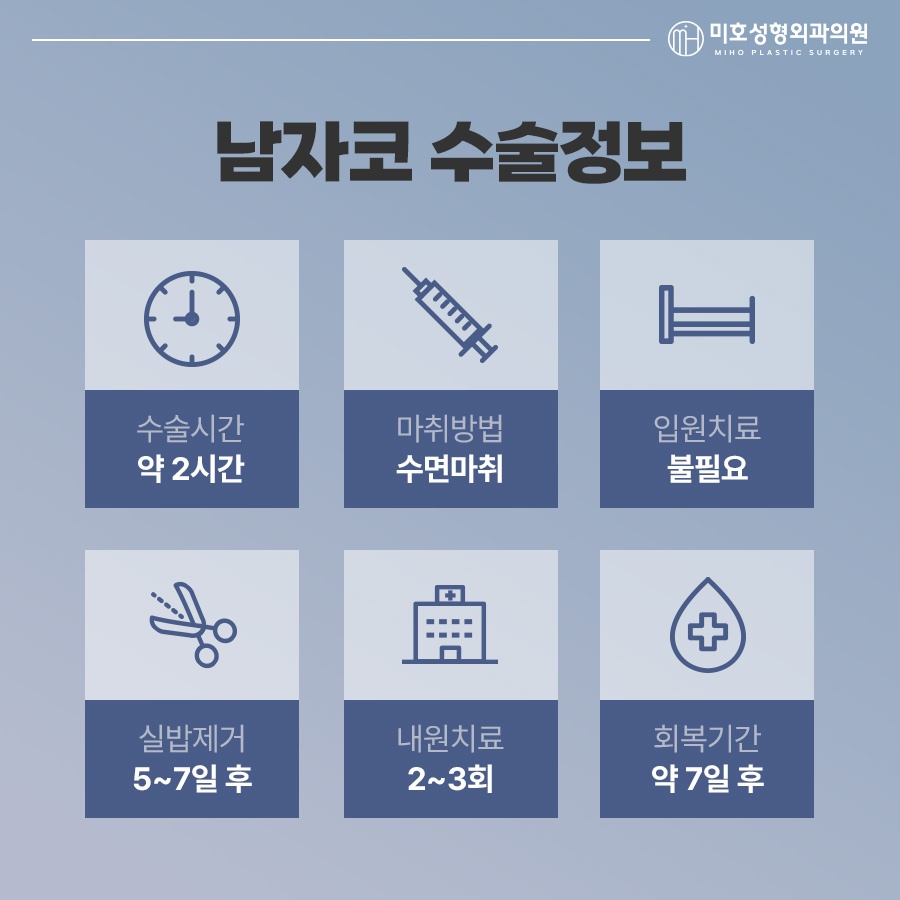
Although the recovery period varied by individual constitution,
on average, significant swelling and bruising subsided
within about 1–2 weeks, while residual swelling
completely resolved in approximately 6 months to 1 year.
A relatively high proportion of male nose cases
were accompanied by internal problems.
These could be congenital deformities,
but in most cases, the tissues had been altered
by a strong impact to the nose during strenuous activities.
For this reason, various examinations had to be performed
in advance to carefully assess the internal structure as well.
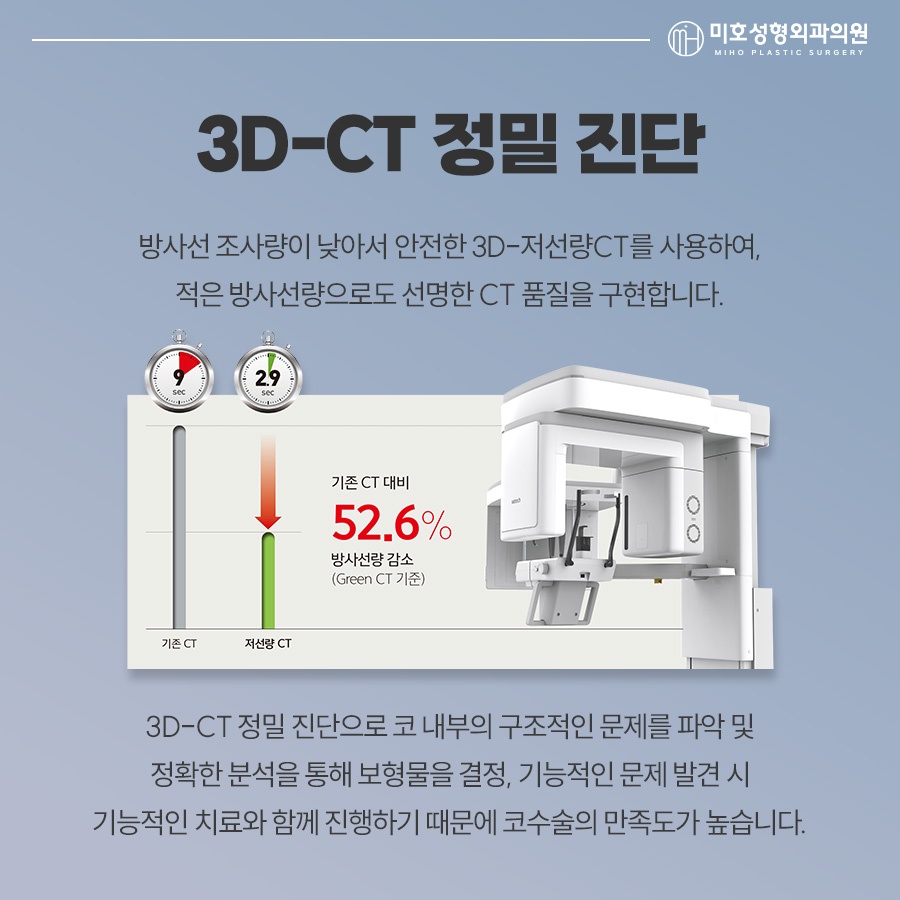
The most commonly observed conditions
were deviated septum and nasal valve stenosis.
A deviated septum meant that the cartilage forming
the partition inside the nose was bent rather than straight.
When the cartilage was displaced toward one side,
more air entered through only one nostril,
placing an excessive burden on the mucous membrane
and causing it to gradually swell.
One side became narrowed because of the deviated cartilage,
while the mucous membrane on the other side swelled,
ultimately blocking both sides.
This made breathing difficult and caused
continuous nasal discharge, throbbing headaches,
reduced concentration, and even sleep disorders.
Nasal valve stenosis was also a condition
in which the airway inside the nose became narrowed,
so it affected breathing as well.
If you were experiencing functional problems like these,
it was advisable to undergo improvement for therapeutic purposes.
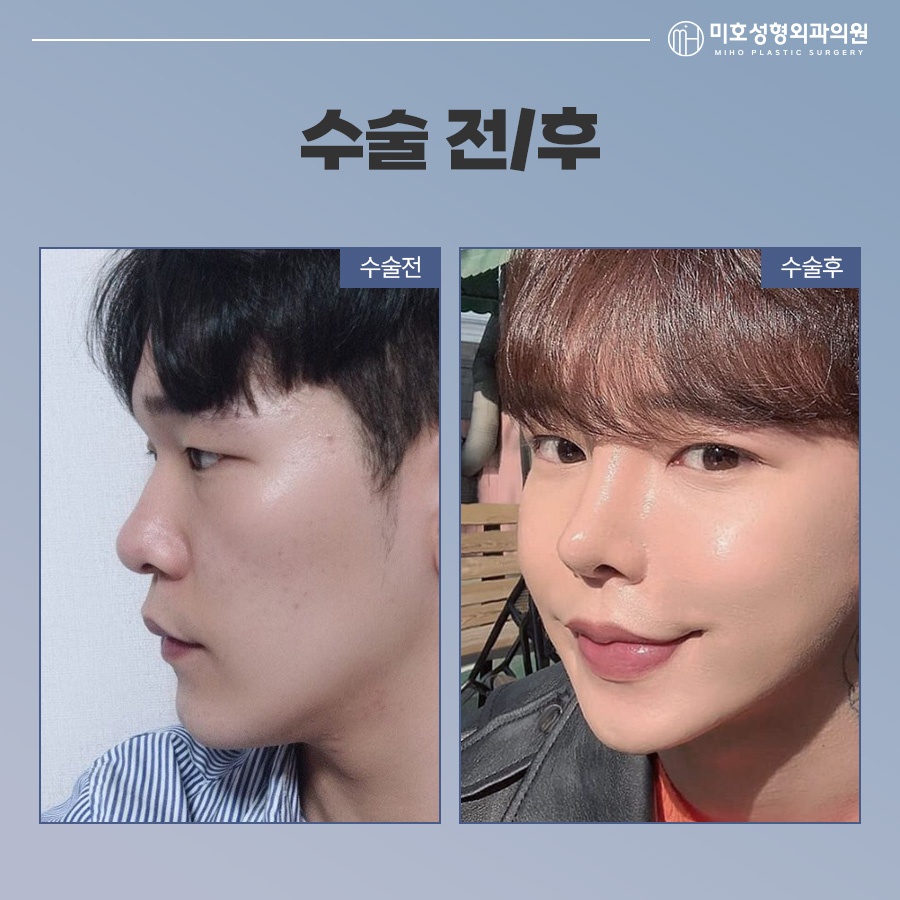
The solutions offered at this clinic included
implant-free procedures, low nose correction,
short nose correction, bulbous nose correction,
and upturned nose correction.
The procedure that had recently become popular
was an implant-free solution using autologous tissue,
such as rib cartilage or ear cartilage.
Although artificial materials could produce dramatic changes,
an incorrect procedure could unnaturally alter one's appearance,
and the risk of capsular contracture meant they were
less preferred than in the past.
By contrast, autologous tissue had a lower risk
of an inflammatory response and could produce
natural-looking results, as though one had been born with them,
which was why many people chose it.
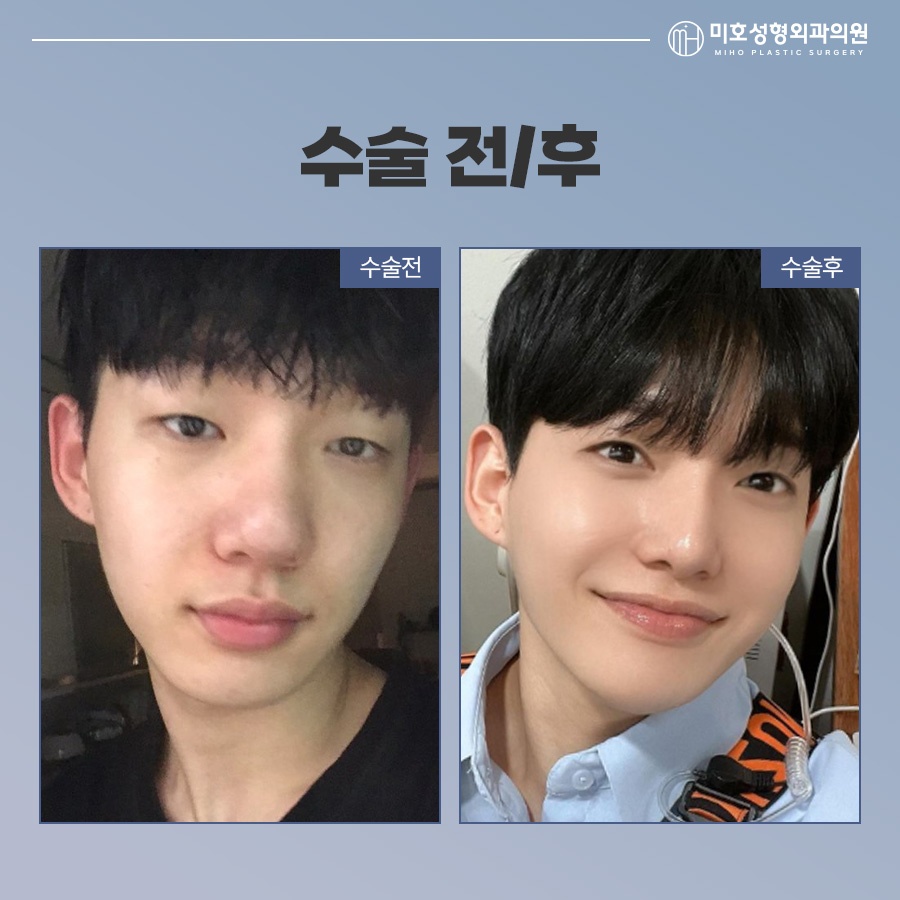
By undergoing a surgical solution,
it was possible to partially address appearance-related
concerns and regain confidence.
Since this process brought about permanent changes,
it had to be decided on carefully after sufficient
research and consultation.
The cost and location of the medical institution
were also factors to consider, but the top priority
was whether it offered an approach that could bring out
each individual's unique appeal.
Rather than copying a celebrity's nose shape
or following trends, the goal was to create a design
that suited you best and achieve a natural and attractive
male nose.


Previous image
Next image