
Rather than changes in appearance, more people than expected were considering surgical treatment for functional restoration.
Because breathing was difficult due to problems with the internal structure of the nose, people came to look for a solution and naturally ended up learning about nasal valve reconstruction.
The nasal valve is the passage through which air enters and exits the nose, so when this area becomes narrow, it becomes difficult to breathe through the nose.
Since this is different in nature from solutions for cosmetic purposes, it was necessary to gather plenty of information in advance. Today, we decided to look at the structure and role of the inside of the nose, the candidates for reconstruction, and the procedure.
- Location and role of the nasal valve
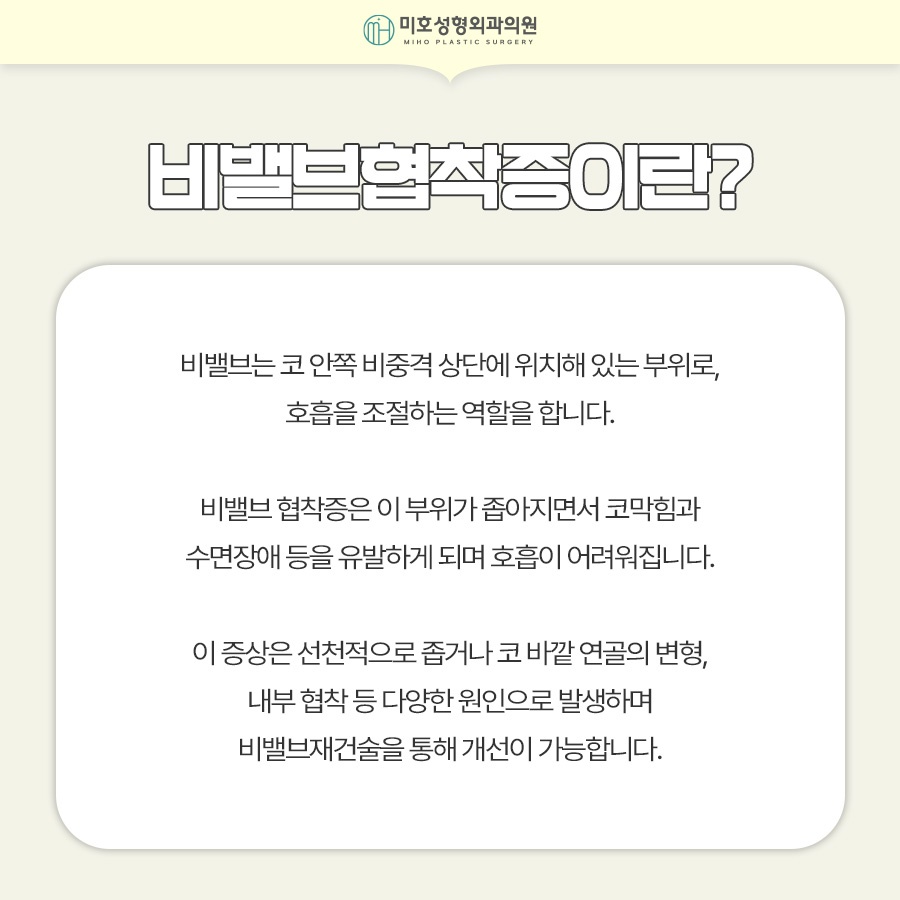
About 7 to 8 mm inward from the entrance of the nostril, in the upper part, there was a roof-like space called the nasal valve.
Air moved in and out through this space, making it very important for breathing.
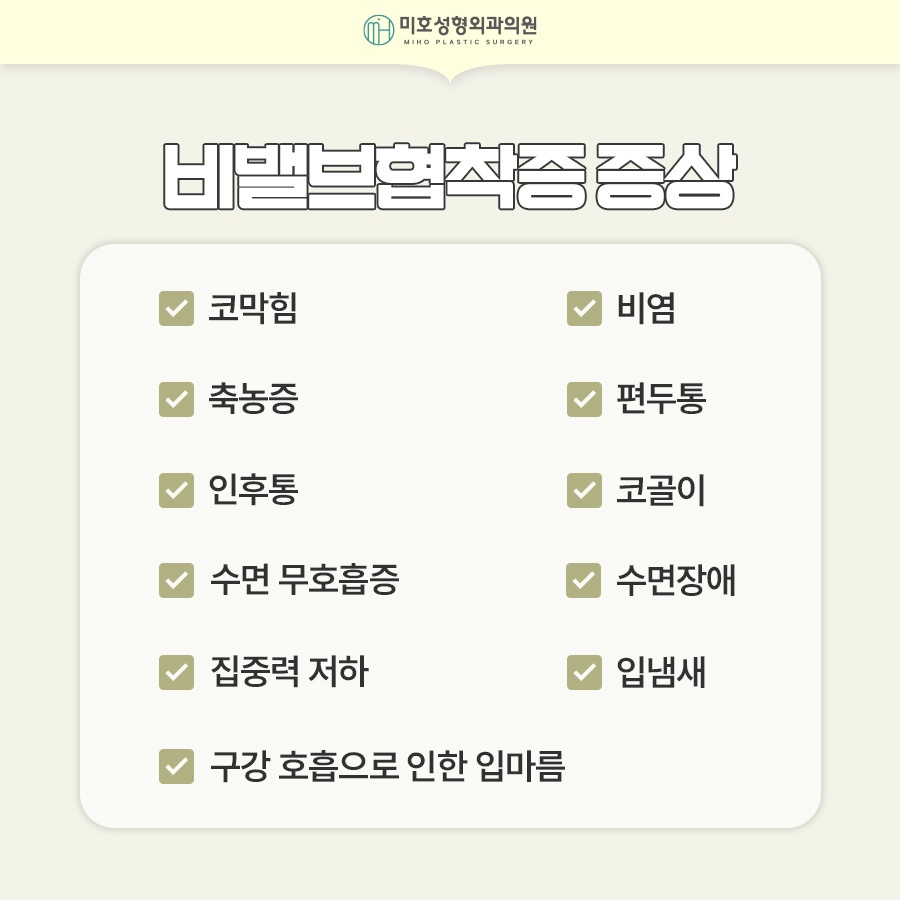
If this area becomes narrow or collapses, it causes nasal congestion and creates a sensation that the inner part of the nostril is being drawn inward.
This happens because of a deviated septum, sinusitis, rhinitis, a malignant tumor, saddle nose, or septal perforation.
By raising the roof of the nose with nasal valve reconstruction, breathing became much easier.
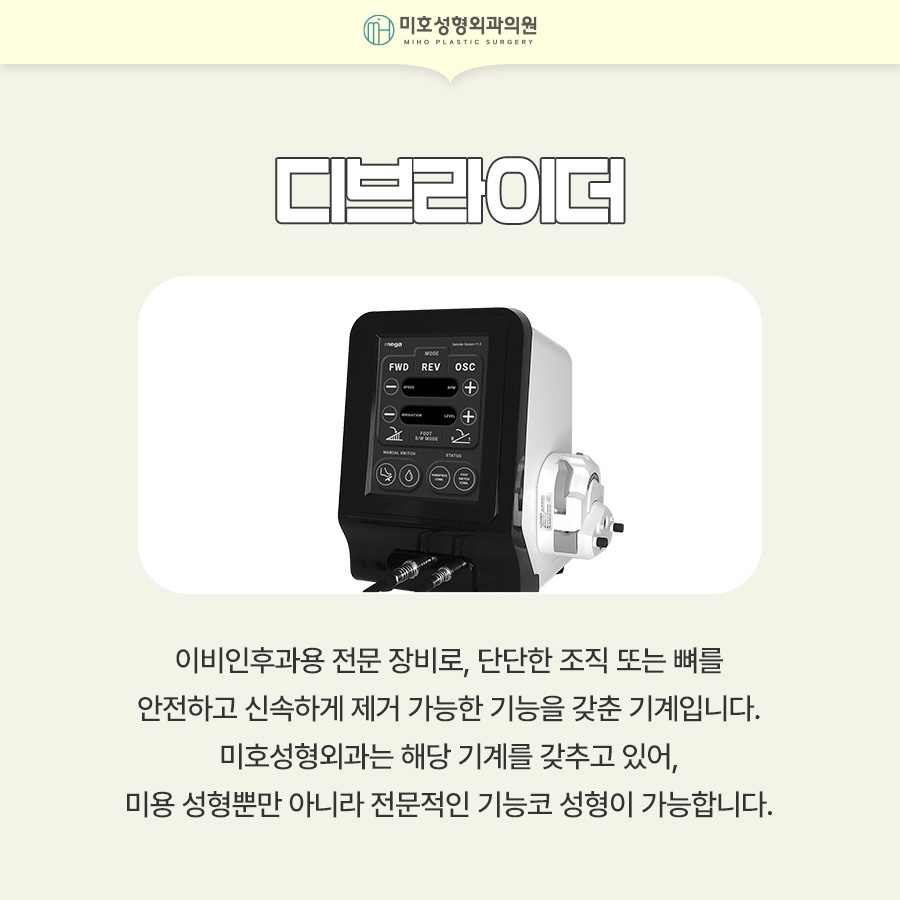
The general approach to nasal valve reconstruction was to reinforce the support structure or add cartilage.
By grafting cartilage on both sides of the septal roof, it was possible to widen the narrowed roof.
If the strength of the alar cartilage was weak, cartilage or skin was grafted to reinforce that area.
Because the degree of narrowing differed from person to person, the procedure was not applied in a uniform way; instead, it was performed with slight variations to suit each situation.
Unlike other solutions, it was carried out in a relatively localized area and was characterized by its focus on functional restoration.

- Candidates for reconstruction and points to consider
The people recommended for this solution were those who frequently experienced nasal congestion or whose breathing was especially uncomfortable in one nostril.
If symptoms were fine when sitting or standing but worsened when lying down, or if you became very short of breath during exercise, it was necessary to examine the internal structure of the nose.
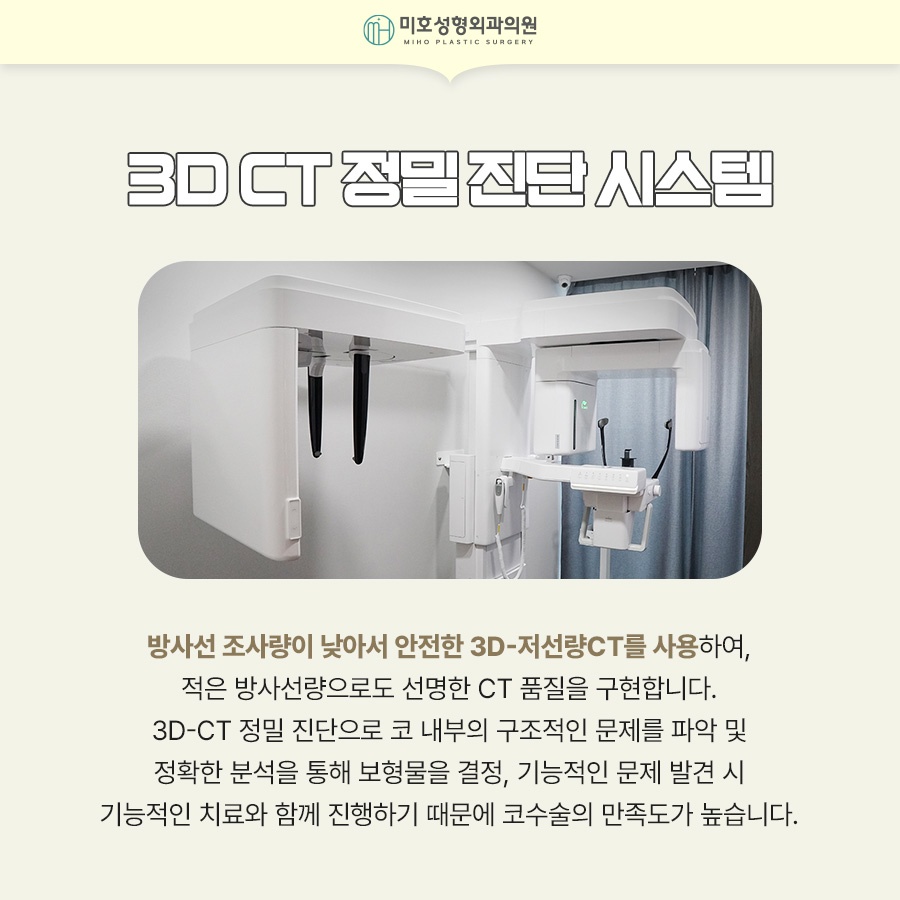
Through 3D-CT imaging, it was possible to clearly determine whether rhinitis or sinusitis was the cause, or whether the passage itself had narrowed.
There were also many people whose condition had worsened after repeated surgical procedures.

The more incisions were repeated, the more the tissue could adhere and become deformed, weakening support.
If that degree of damage was severe, it was advisable to relieve it with nasal valve reconstruction.
Although the area involved in the solution was relatively localized, it still included an incision, so it inevitably came with some burden.
People with active social lives were especially concerned about the recovery period.
There were individual differences depending on constitution and skin type, but on average, major swelling and bruising subsided in about two weeks.
Although the focus was on functional restoration, it was necessary to understand that it could also affect appearance.
- Procedure and aftercare methods
Before beginning the full procedure, counseling and pre-examinations were carried out.
At our clinic, detailed 3D-CT diagnosis was used to directly check the internal structure and evaluate the airflow.
In addition, it was possible to broadly assess the width of the nasal bones, whether there was a fracture, and the degree of a hump, asymmetry, and curvature.
Rather than making a judgment solely based on the patient's complaint of discomfort, we repeatedly emphasized the importance of identifying the underlying cause.
After explaining the points to be careful about before and after the procedure and designing the plan according to each person's condition, the procedure was carried out.
If the patient was taking medication or had an underlying condition, this had to be disclosed in advance.
It was usually performed under local anesthesia or sedation, and depending on the anesthesia method, fasting for about 6 to 8 hours might be required.
Immediately afterward, a feeling of tightness or a foreign-body sensation could occur, and as the anesthesia wore off, pain might gradually be felt.
For 1 to 2 days, blood could appear on the gauze.
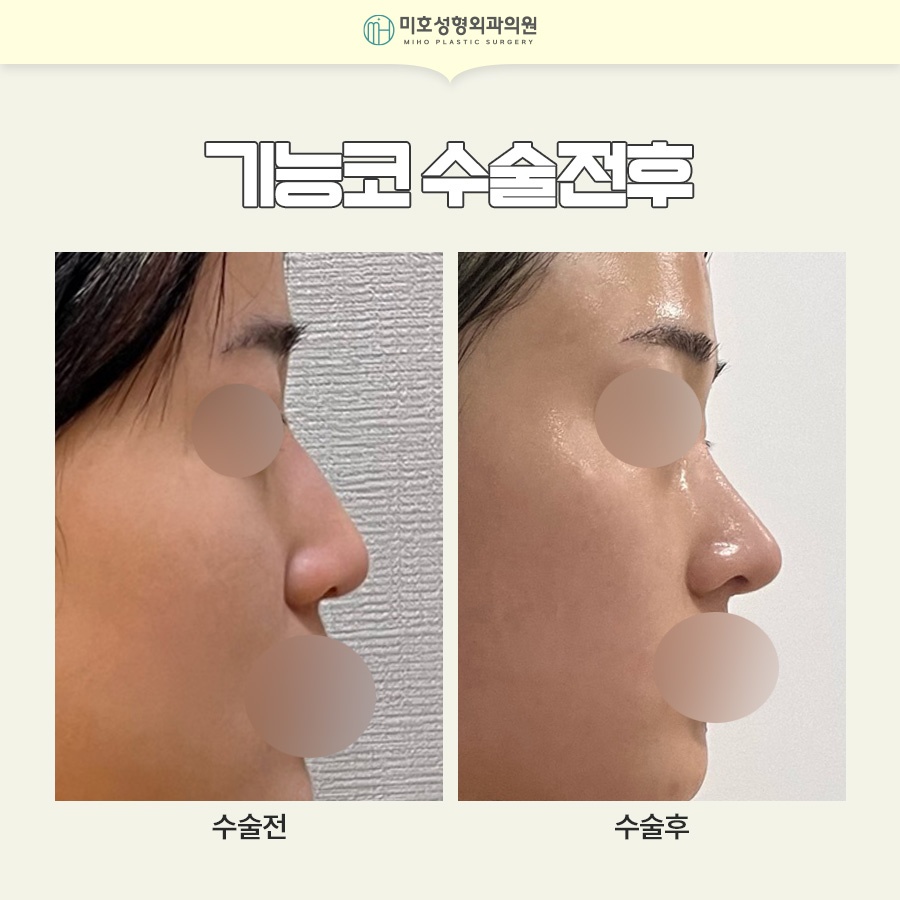
If secretions come out, it was important not to blow the nose and instead gently wipe them away.
Blowing the nose would create pressure inside and could cause the sutured area to tear.
For the first 3 days, cold compresses were used to reduce swelling, and from day 4 onward, they could be changed to warm compresses.
Sleeping at an incline while resting helped reduce swelling, and above all, it was important to keep the incision site clean.
For at least 4 to 6 weeks, glasses should not be worn, and care should be taken to avoid strong impact or pressure.
It was most realistic to think of the recovery period as about 3 weeks.
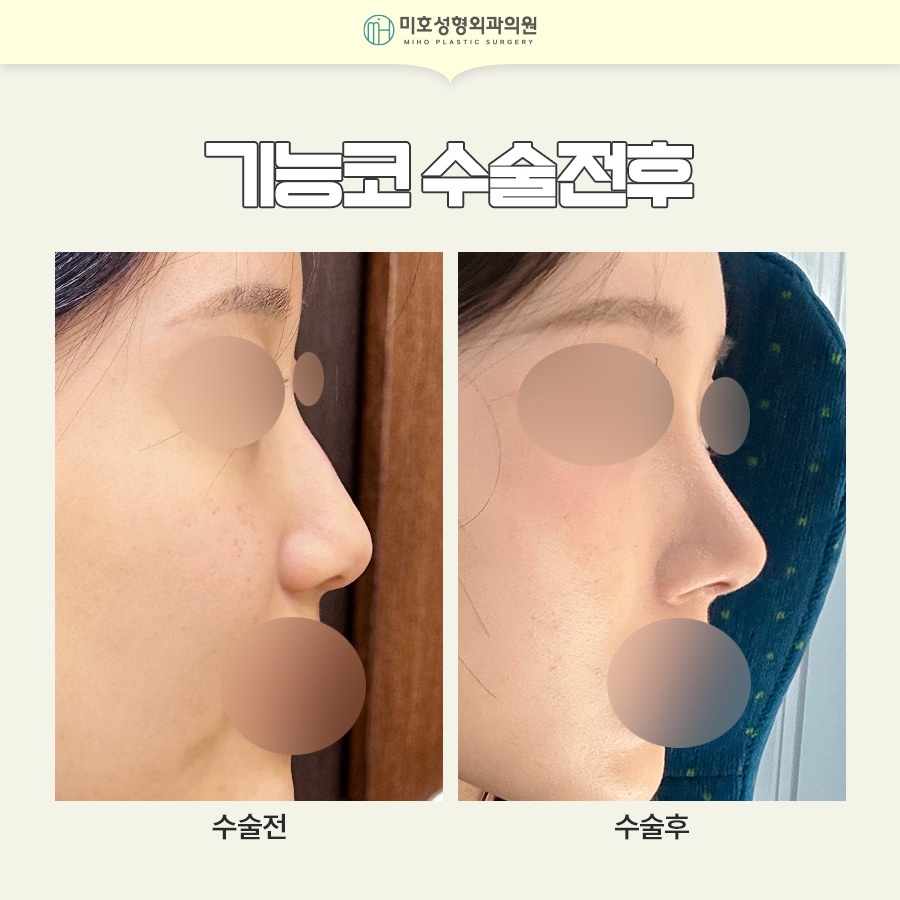
While swelling remained, it was difficult to feel much difference from before, but as time passed, the flow of air gradually felt different.
This solution aimed to relieve discomfort rather than create external changes.
If breathing felt persistently uncomfortable even though the nostrils were not blocked by mucus, a structural problem could be suspected.
Surprisingly, many people were not aware of the nasal valve structure, and most did not know that this area was important.
During counseling, people naturally encountered various pieces of information and opinions, but knowing the overall flow in advance could be very helpful in making aftercare plans.
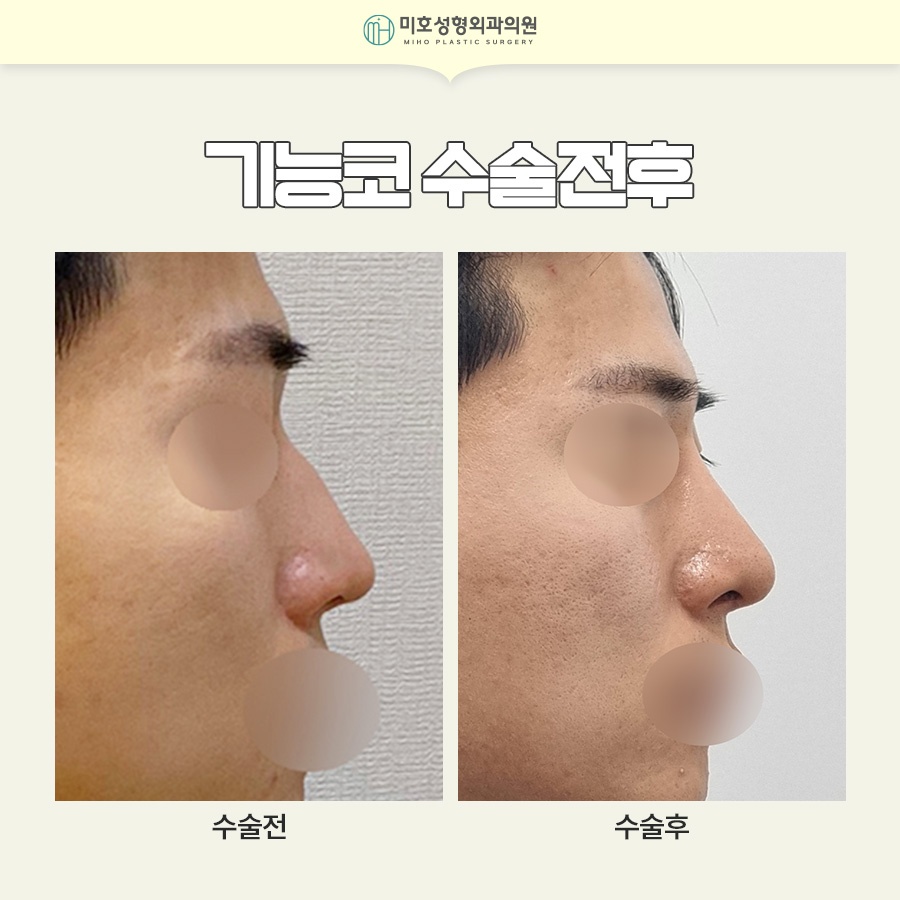
If you are considering nasal valve reconstruction, understanding the basic information and characteristics at least roughly can help reduce confusion.
Rather than expecting discomfort to disappear immediately or quickly in the short term, it was mentally easier to know that improvement would come gradually and progressively.
The internal nasal structure gradually regenerated and stabilized during the recovery period, so there was a gap between what was felt at first and the final outcome.
It would be best to stay calm and focus on recovery.



Previous image
Next image