
The nose is located at the center of the face,
forming a person’s image.
Unlike the eyes, mouth, and facial muscles,
which change shape with movement,
the nose always maintains the same form,
and in that sense became a point of reference.
Because of its position and shape,
a small touch alone could change the image
and alter the proportions.
Many people were dissatisfied with their appearance
because of the characteristics of East Asians,
who tend to have a low bridge and wide nostrils.
To improve this,
more people have been considering
Shin Nonhyeon nose surgery.

Compared with Westerners, East Asians generally
have a lower nasal bridge and a wider nasal tip.
Since the nose itself is smaller,
the overall impression can feel flat
and less defined.
In some cases, the bridge is crooked or
the middle protrudes, creating a more rigid impression,
and some people have a drooping tip like an arrow.
In this way, concerns can take many forms,
and depending on each person’s preferences,
there could be dozens or hundreds of desired outcomes.
If you are considering
Shin Nonhyeon nose surgery
to improve your appearance, the first step is to
objectively understand your own condition.
Rather than vaguely wanting to resemble a celebrity’s nose,
or simply wishing it were higher and slimmer,
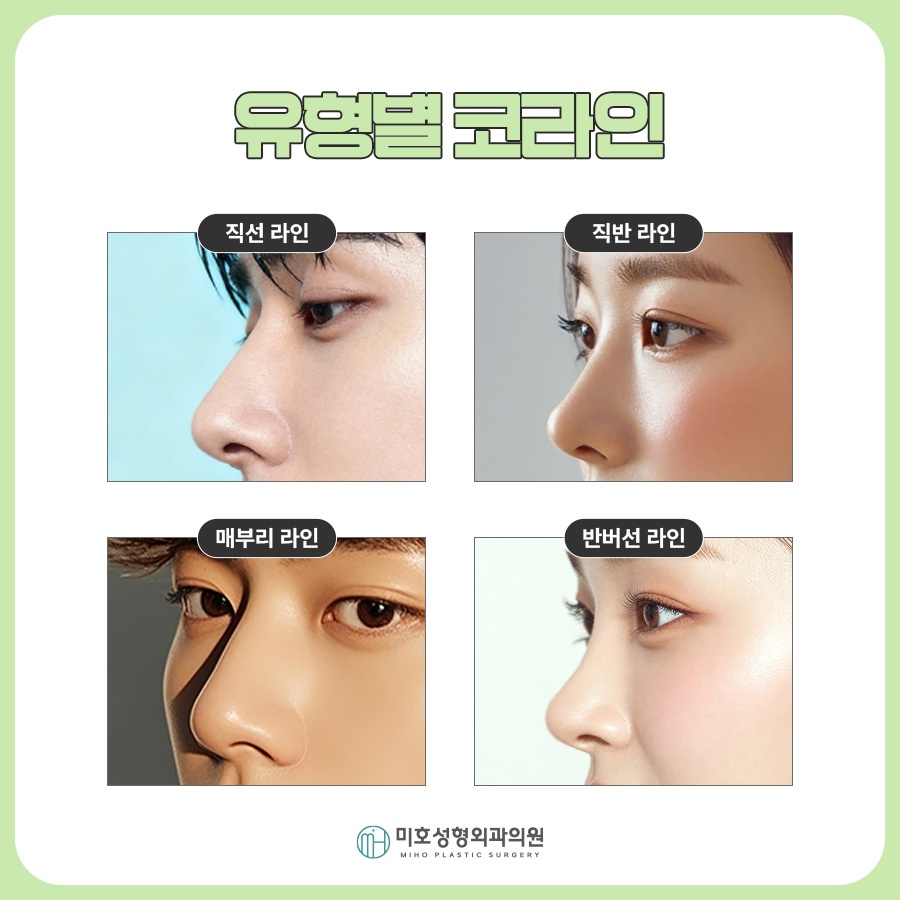
it was important to look from the front, side,
and at an angle, and examine each concern carefully.
You needed to identify what exactly you were unhappy with,
whether it was a low bridge, or a problem with the nostrils
or the tip of the nose,
and then consider how to improve it.
Without this process, if you went ahead with
Shin Nonhyeon nose surgery
based only on the opinions of others or the medical team,
the chance of being dissatisfied was very high.
As the risk increases with repeated revisions,
it was very important to make a careful decision from the start.
Our bodies are organically connected,
and the nose is no exception.
From the forehead down to the glabella,
the bridge, tip, columella, and upper lip are all connected.
The distance between the eyes was also important.
It was necessary to adjust the proportions appropriately
so that they were neither too close nor too wide.
Because every part of the face is connected to one another,
it was not desirable to think of one area in isolation.
Even when trying to adjust only the bridge,
the height had to be set while considering the line
descending from the upper face.
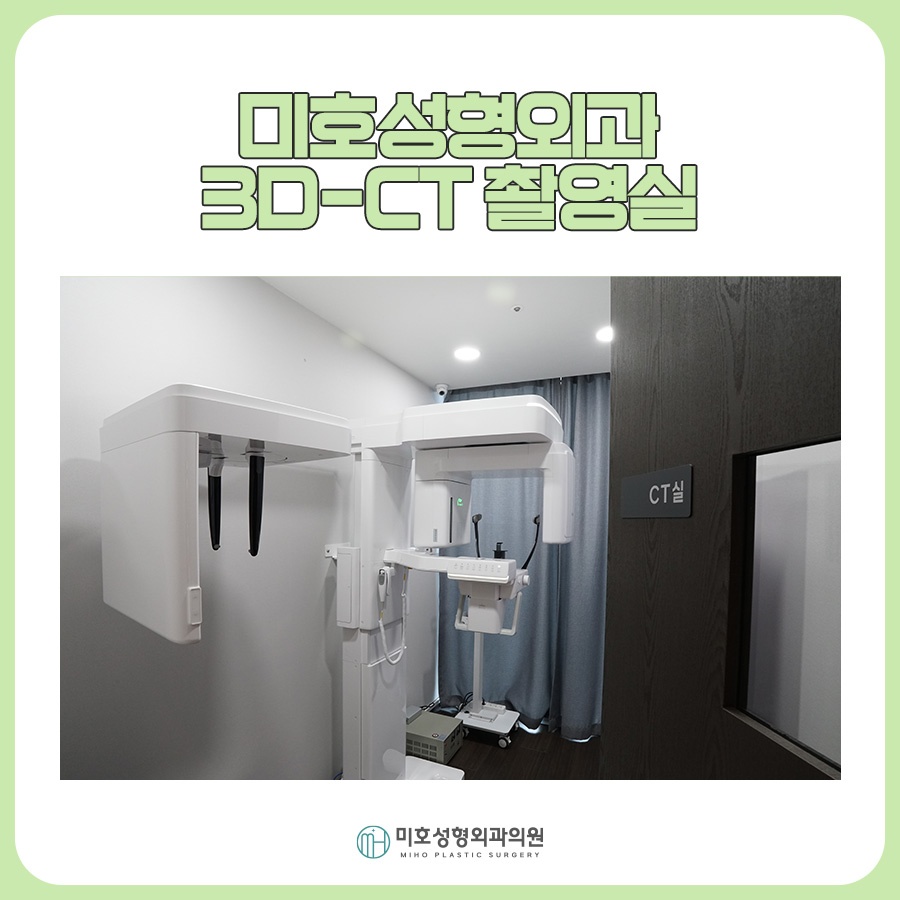
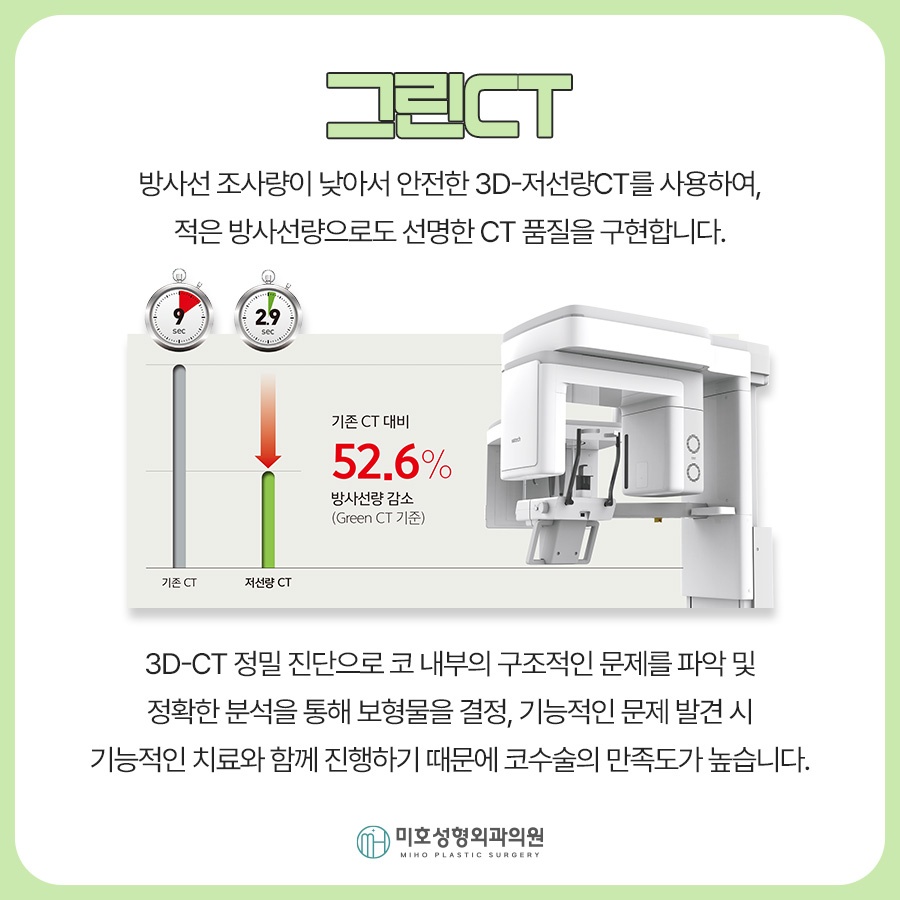
The internal structure was also an important consideration.
It was responsible for important functions such as breathing
and sensing smell, and these were made possible by the internal structure.
If deformities in the nasal cartilage became severe,
they could also become visible externally.
If this was ignored and the procedure was forced ahead,
it could quickly recur, so internal correction had to be performed
either together with or before the surgery.
In this way, only by proceeding with
Shin Nonhyeon nose surgery
while considering both the internal and external aspects,
as well as harmony with the facial features,
could both functional and aesthetic satisfaction be improved.
Once the design had been planned, the next step was
to choose the materials to be used for
Shin Nonhyeon nose surgery.
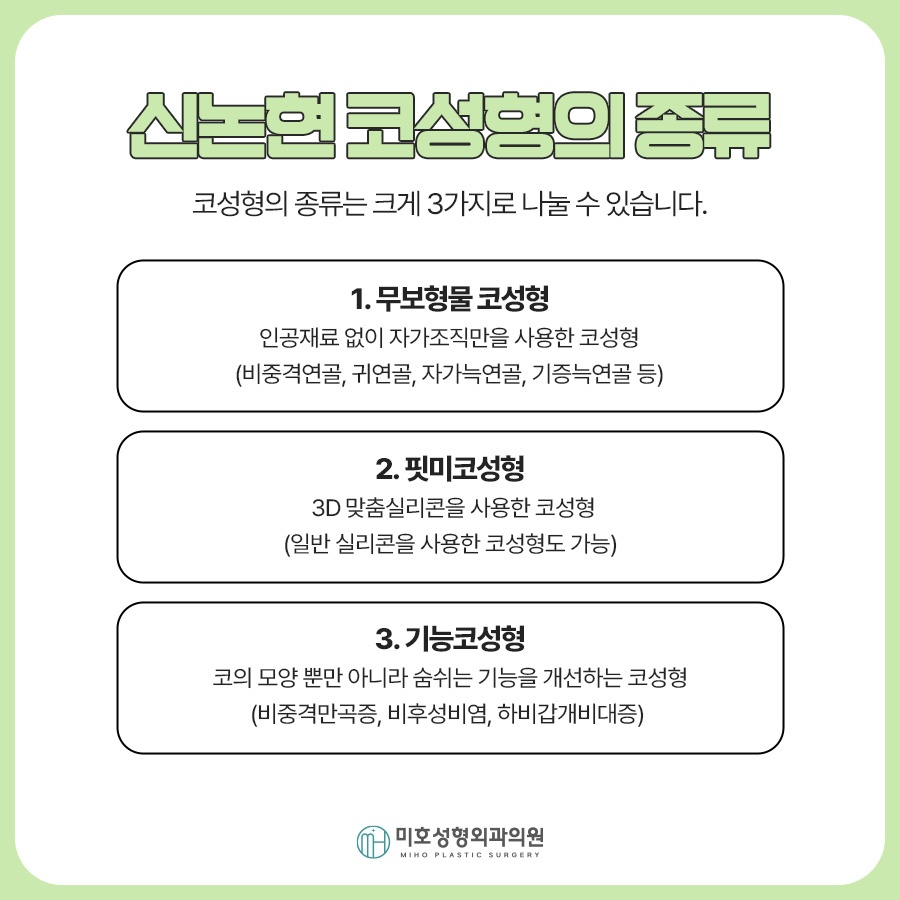
Broadly speaking, these could be divided into artificial materials,
such as silicone and Alloderm,
and autologous tissue harvested from the body.
Each material has distinct characteristics
and different advantages and disadvantages,
so it could not be said that one was simply the right choice.
Artificial materials were advantageous for maintaining shape
and creating a more dramatic line.
They were among the materials often used in the era when
a Western-style beauty standard was preferred.
However, because they are foreign substances to the body,
an immune reaction can occur and side effects such as
capsular contracture may appear.
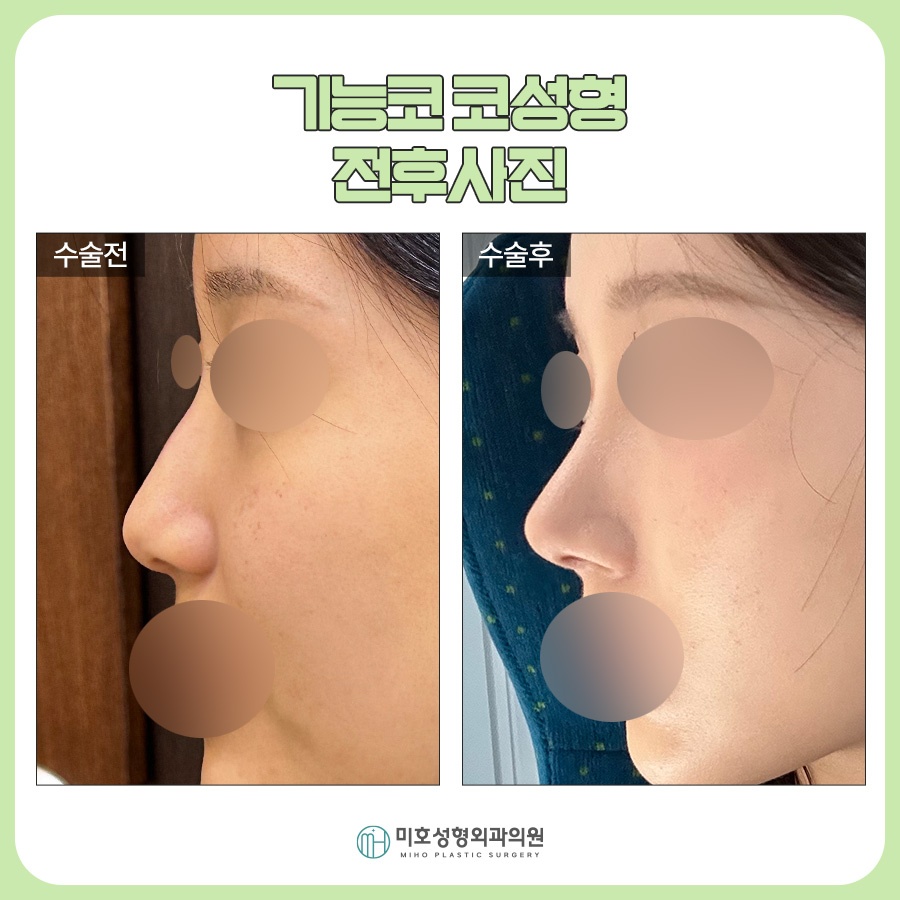
On the other hand, autologous materials use tissue
obtained from one’s own body, so the likelihood of an
immune reaction was low.
Because the risk of side effects was lower,
they were often used in revision procedures,
and these days they are also used from the first procedure
to create a more natural shape.
Their characteristics differed slightly depending on where
the material was harvested from.
Costal cartilage, cartilage between the ribs, is the strongest,
allowing the bridge to be formed stably and in sufficient quantity.
Septal and ear cartilage are more flexible,
so they are mainly inserted into the nasal tip,
but they have the drawback of being limited in quantity.
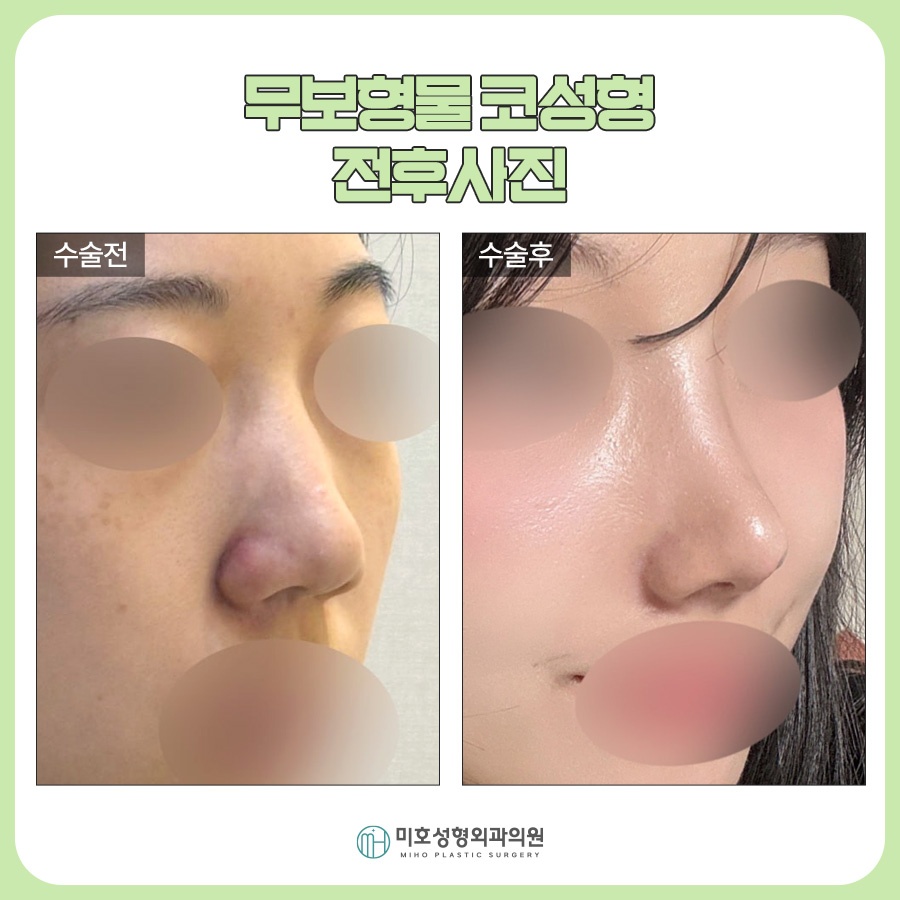
Just from this explanation alone,
autologous tissue may seem like the better option,
but there are also cases where it is difficult to apply.
If the skin is too thick, it can be difficult to create a noticeable
change with autologous materials alone,
so artificial materials may actually be better.
Also, scars can form during the process of harvesting
autologous tissue, and if that feels burdensome,
a silicone implant or donated rib cartilage can also be used.
Rather than judging solely by advantages and disadvantages,
it is necessary to consider each person’s condition
and the suitability of the material before deciding.
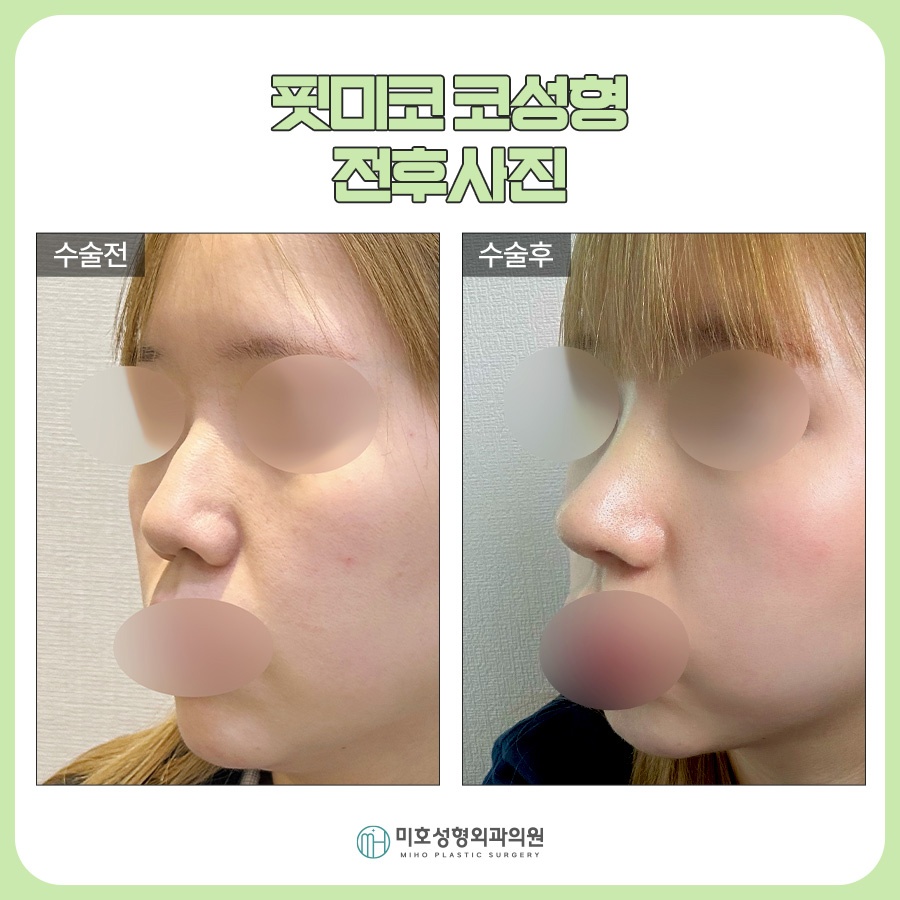
Even if two cases appear the same,
the method used can differ depending on the internal structure
or the individual’s needs, so it can be risky to say definitively
that one is better.
The scope of change must also be included among
the considerations.
Some people may want only a subtle change that others
would hardly notice,
while others may want a dramatic before-and-after difference.
What is clear is that the nose should not be considered alone;
it is necessary to look at the surrounding bone structure
and soft tissue as a whole when planning the design.
An important part of this process is 충분한 dialogue
with the medical team.
The patient needs to clearly express what they want,
and the medical team should explain things in a way that is easy
for a non-specialist to understand.
It is also necessary to communicate intuitively,
for example by using visual materials rather than speaking only in numbers.
If understanding of the solution is low, or if the patient and
the medical team each imagine a different shape,
the level of satisfaction with the result will inevitably differ.
Even if there seems to be no issue from a third-party perspective,
if the person themselves is ultimately not satisfied,
it can lead to revision surgery.
So I sincerely hope you fully understand everything
before deciding on
Shin Nonhyeon nose surgery.


Previous image
Next image