
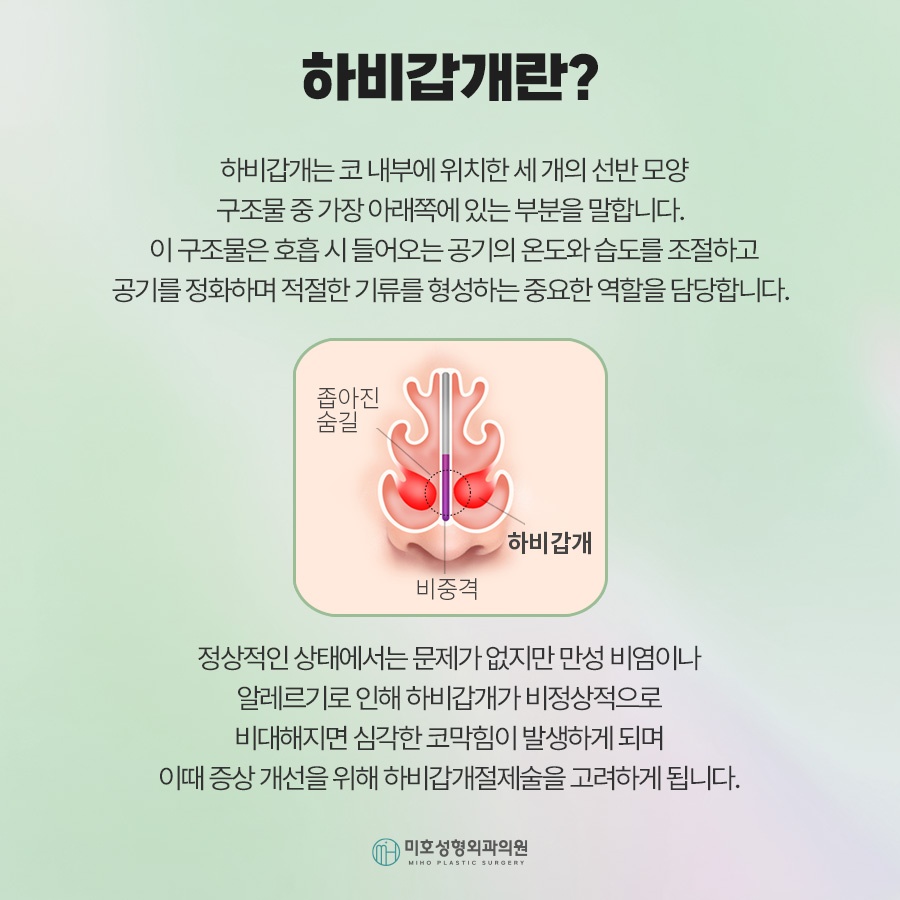
There are turbinates inside the nasal cavity.
Located along the inner walls of the nose,
they regulate the temperature and humidity of inhaled air
and help filter out foreign substances.
The turbinates can be divided
into superior, middle, and inferior turbinates
according to their location.
The area discussed in this article
is the inferior turbinate,
located at the bottom.
When this area becomes enlarged, the nasal cavity narrows,
making it difficult to breathe
and affecting temperature and humidity regulation.
One solution that may be considered in this situation
is inferior turbinate reduction.
Inferior turbinate reduction
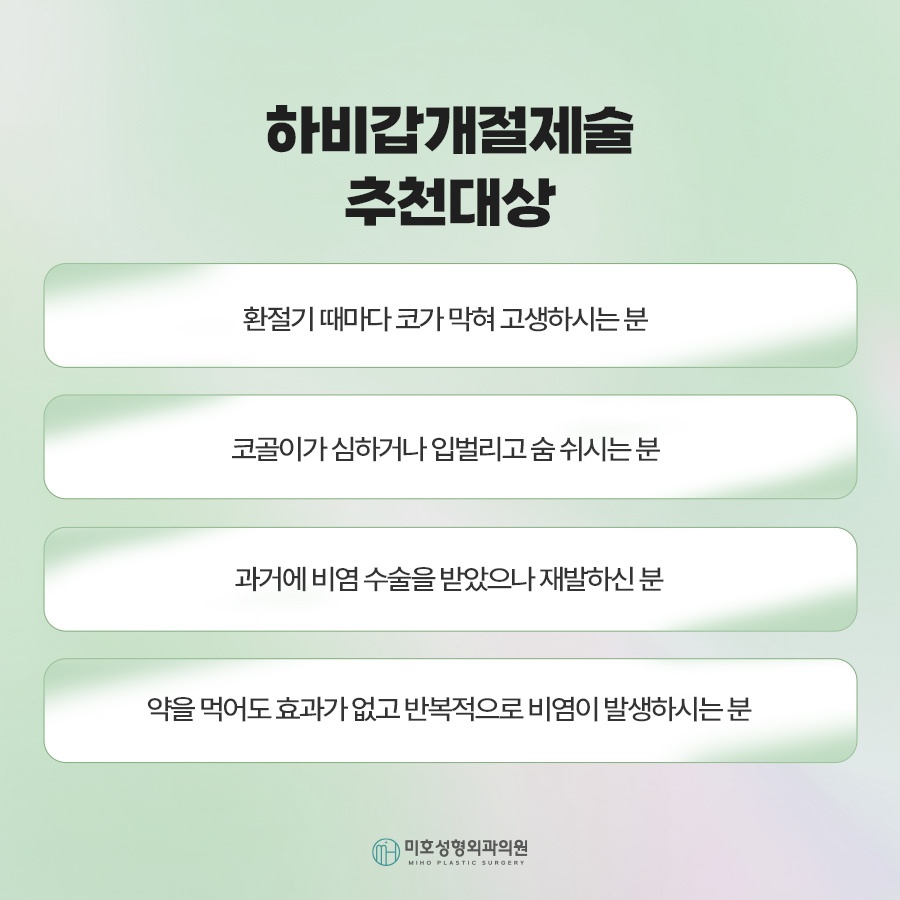
may be recommended for people
with a deviated nasal septum
or those who frequently experience
otolaryngological conditions
such as allergic or seasonal rhinitis.
If the issue is simply related to individual predisposition,
symptoms may improve by taking medications
such as antihistamines.
However, when there is a structural deformity,
correction through reduction may be appropriate.
In particular, when the nasal septum is deviated,
the turbinates may become more swollen
than they do in people without septal deviation.
Allergic and seasonal rhinitis may also become chronic over time,
causing the tissue itself to enlarge.
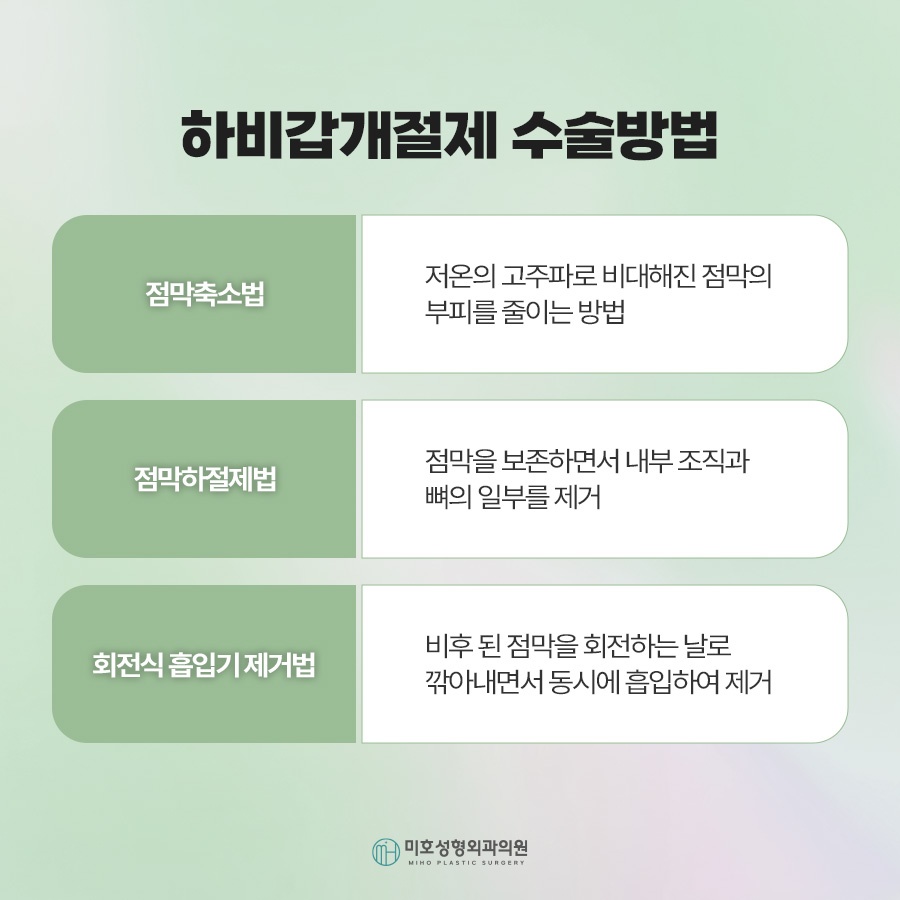
The goal of inferior turbinate reduction
is to preserve the mucosa in the front portion of the tissue
while partially removing the enlarged area
to facilitate breathing.
Many people usually worry that
an external scar may be visible
when they hear the term “reduction.”
Because this procedure is performed inside the nose,
there is generally less concern about visible marks.
Even without an inflammatory response,
if the tissue becomes enlarged,
persistent nasal congestion and breathing difficulties may occur,
along with complications resulting from them.
The amount of air entering naturally decreases,
and with less oxygen reaching the brain,
people may experience headaches, chronic fatigue, sleep disorders,
or reduced concentration.
It may even be accompanied by otitis media,
which can cause ear pain and hearing loss,
and there may also be a risk of developing chronic conditions
such as sinusitis and asthma.
These issues do not necessarily improve easily
simply by taking medication
or undergoing conservative treatment.
If medication has been taken for more than four weeks
and treatment such as radiofrequency therapy has been performed
without any noticeable change,
it may be appropriate to partially remove
the directly enlarged area.
By removing tissue and widening the passage
through which air moves,
nasal congestion may be relieved,
and the discomfort previously experienced
may gradually disappear.

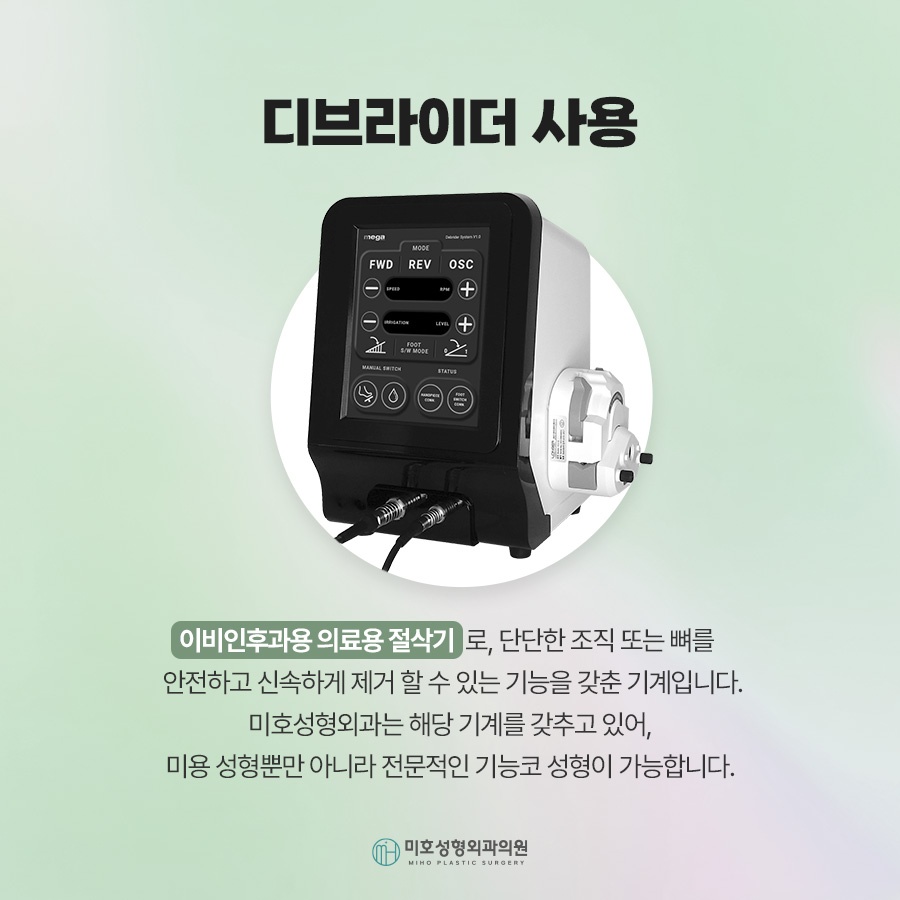
To briefly explain how inferior turbinate reduction is performed,
part of the abnormally enlarged turbinate is removed
and covered with mucosa
before the procedure is completed.
It is important to understand that
an excessive amount should not be removed.
The procedure should be planned and approached carefully,
with the aim of preserving function
while securing sufficient space in the passage.
The mucosa should be preserved as much as possible.
Rather than directly reducing the mucosa,
the underlying bone or tissue is removed
to reduce the overall size.
Depending on the patient’s condition,
submucosal reduction or partial reduction
using radiofrequency may also be considered.
The procedure takes
approximately 20 to 40 minutes
when only the inferior turbinates
are treated.
However, the procedure may take longer
if other treatments are performed at the same time,
such as correction of a deviated nasal septum.
Temporary nasal congestion caused by swelling
may occur immediately afterward,
but it gradually subsides.
Discharge and crusting may occur initially.
These should not be removed forcefully.
However, leaving them untreated may cause hygiene-related problems,
so it is important to follow the medical institution’s instructions
for aftercare.
A narrow nasal cavity does not automatically mean
that inferior turbinate reduction is the only treatment.
If the cause of breathing difficulty is a deviated nasal septum,
it needs to be corrected.
If nasal polyps or chronic sinusitis are present,
endoscopic treatment may be necessary.
If the nasal valve is narrowed,
treatment focuses on widening it
and reinforcing the internal supporting structures.
When there is no significant structural abnormality
but allergic or seasonal rhinitis occurs repeatedly,
medication may be combined with efforts
to avoid the relevant allergens.
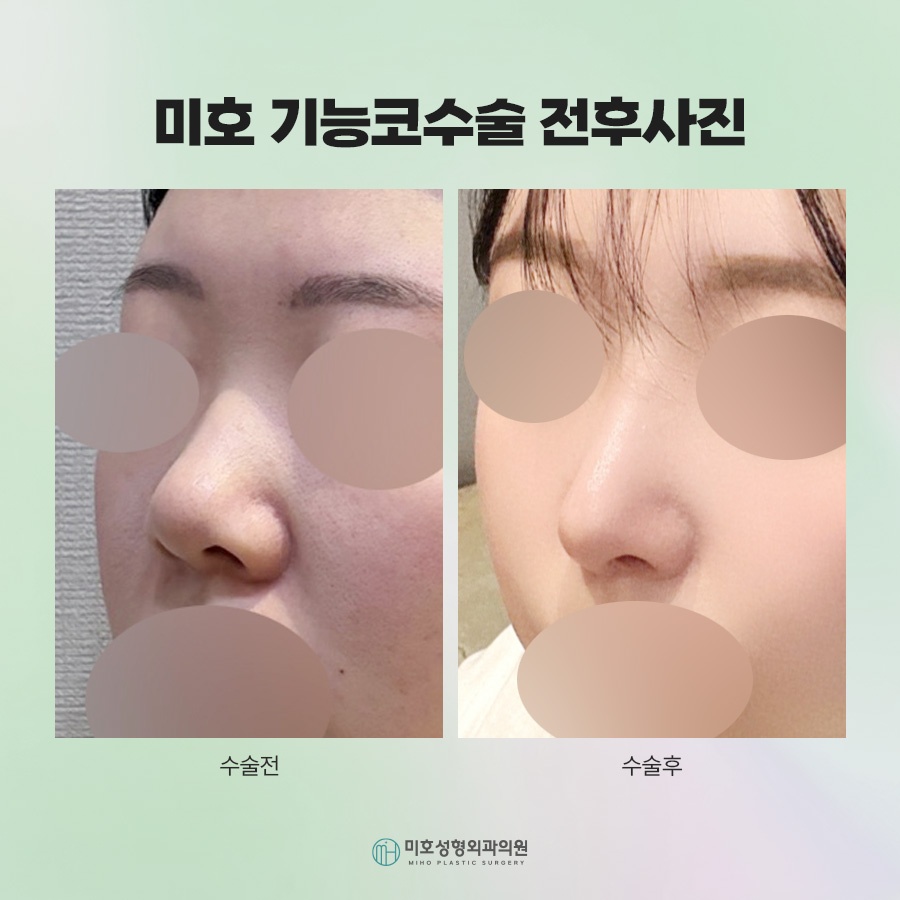
In the past, many people reported
that their nose became dry
after part of the turbinates was removed.
This was because too much tissue had been removed.
To prevent dryness,
current procedures prioritize preserving the mucosa
and provide guidance on nasal rinsing and moisturizing care.
People generally hope that nasal congestion
will improve immediately after treatment.
However, because of swelling,
breathing may be more difficult than before
for at least one to two weeks.
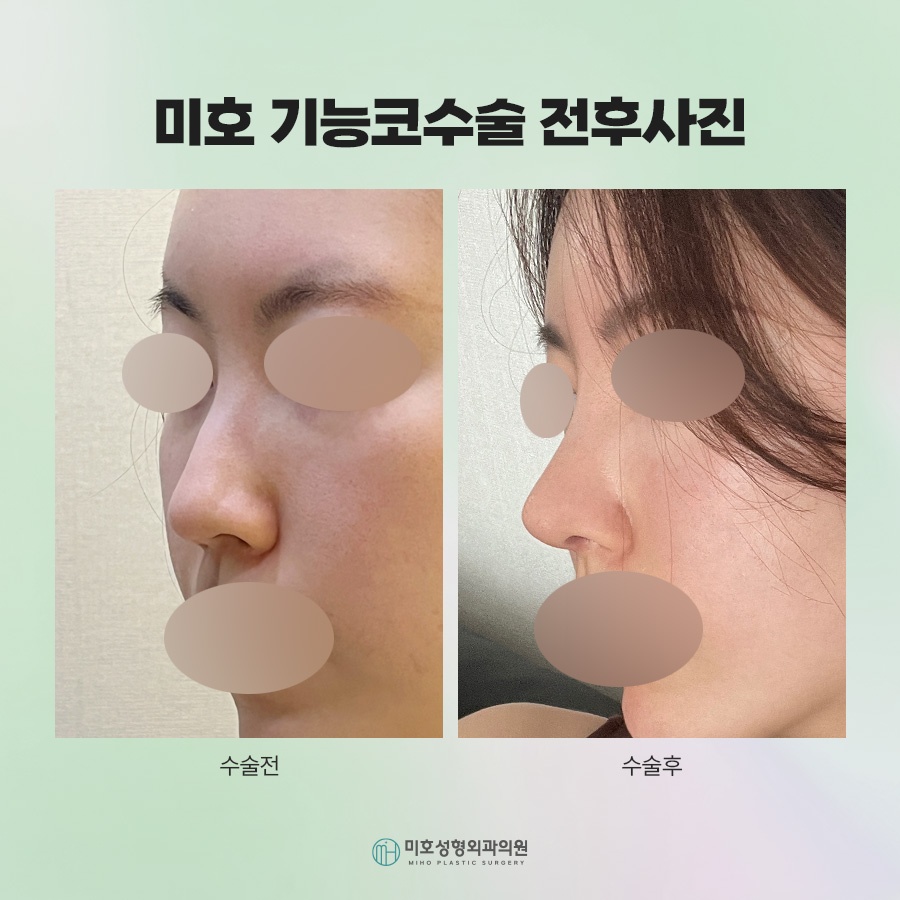
As the swelling gradually subsides
and the nasal passage begins to feel more open,
changes compared with before may be noticed
as early as three weeks and, at the latest, within six weeks.
Pain may also be felt immediately afterward,
with pressure and a dull, aching sensation
being the most common complaints.
If the pain is severe,
pain management with medications prescribed
by the medical institution may be necessary.
A return to daily activities is generally possible
after about one week.
Although physical activity may be resumed right away,
it is recommended to reduce its intensity for a while.
The main complications and side effects
include infection, adhesions, and bleeding.
Infections generally occur when hygiene management
is inadequate or improper.
For this reason, it is important to understand the instructions
provided by the medical institution
and perform nasal rinsing and disinfection regularly.
Nasal irrigation is recommended
approximately two to four times a day
to help prevent infection
as well as adhesions.
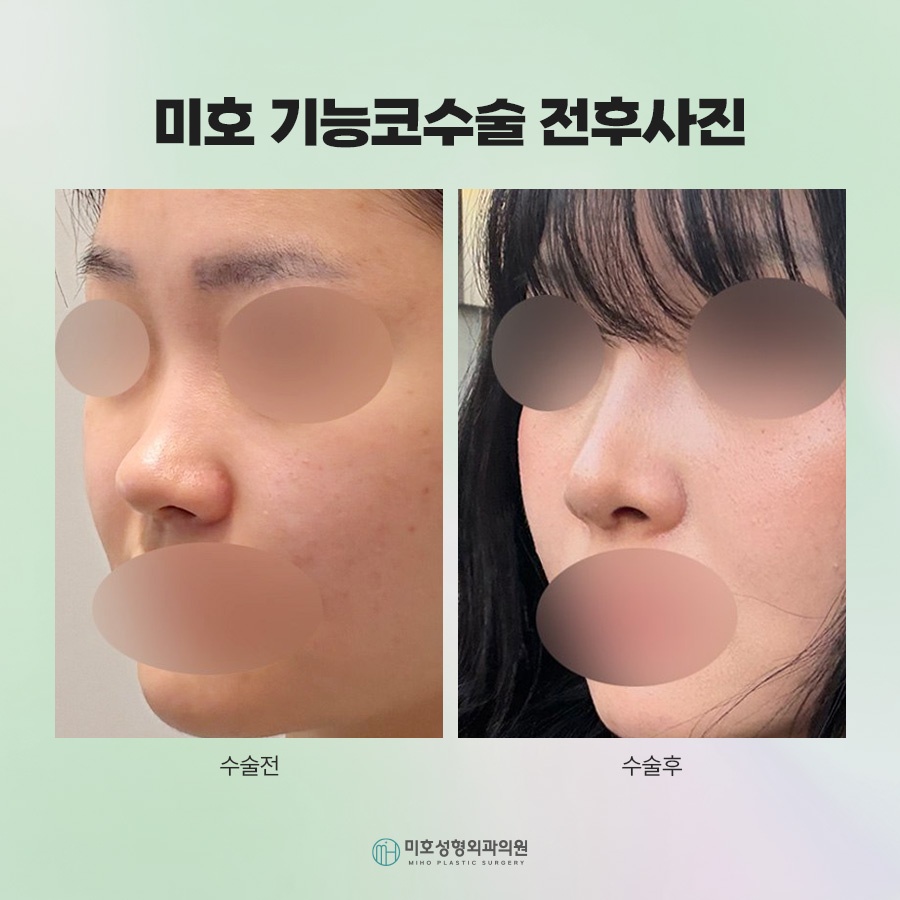
If adhesions form between the nasal tissues,
the passage may narrow again as it was before.
Therefore, nasal irrigation and crust removal
using an endoscope may be necessary as part of aftercare.
As mentioned above,
there are several ways to secure space in the nasal cavity
in addition to inferior turbinate reduction,
and the appropriate method depends on the cause.
If the same symptoms persist for more than four weeks
and do not respond to medication or conservative treatment,
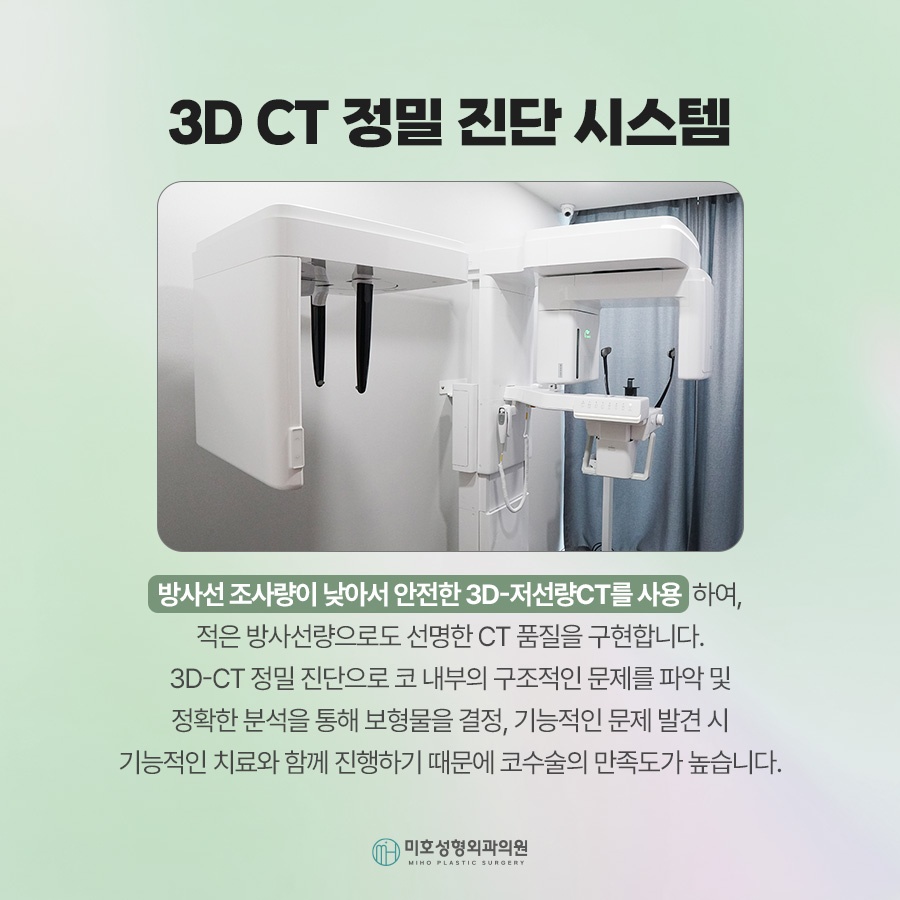
we recommend carefully examining the internal nasal structures
and developing an appropriate treatment plan.



Previous image
Next image