Hello, I’m Oh Jung-min, the director of Dr. O Clinic, who always does their best.
“I'm always tired, my stomach feels uncomfortable, and my skin breaks out, but they say there’s no cause even after testing.”
In the exam room, I hear this surprisingly often.
Did you know that the cause could be related to food?
There are four types of allergic reactions.
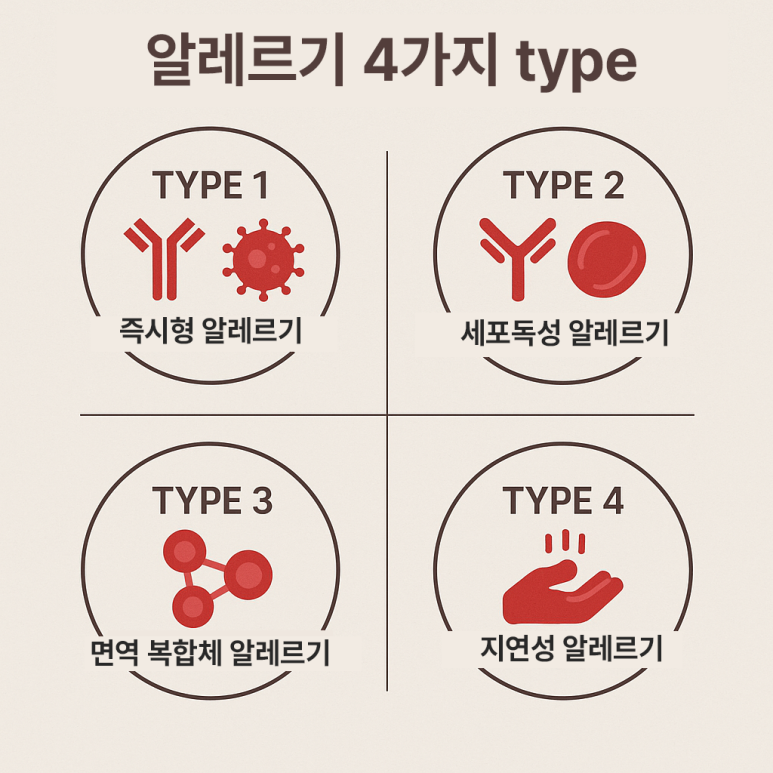
Food intolerance allergy is a delayed allergic reaction classified as type 4.
What is a Type IV allergy, or “food intolerance allergy”?
When people think of allergies, they often think of hives, difficulty breathing, or shock.
Those reactions are immediate allergic reactions (Type I),
but delayed allergies (Type IV) do not cause symptoms immediately upon exposure to the allergen.
Because symptoms appear anywhere from a few hours to up to three days after eating, it is difficult to identify the cause on your own, and the symptoms can easily become chronic.
Symptoms of food intolerance allergy:
-
Chronic fatigue, headaches
-
Bloating, indigestion, constipation or diarrhea
-
Chronic skin conditions such as acne, itching, and hives
-
Joint pain, muscle pain, menstrual irregularities
-
Swelling, weight plateau
Then why do we test only for food intolerance among delayed allergic reactions?
This should be approached from a functional medicine perspective that looks at chronic inflammation, immune balance, gut health, and lifestyle as a whole.
It’s a very long topic, but to summarize briefly:
Our body can trigger allergic reactions to external antigens at any time.
-
Food is an antigen that we consume daily and repeatedly in large amounts, so it has the highest likelihood and frequency of causing a delayed allergic reaction.
-
Since the gut is an immune organ where about 70% of immune cells are present, if the “gut environment” is poor or intestinal permeability (leaky gut) is increased, food components may be absorbed into the bloodstream before being fully broken down, making immune reactions more likely.
In other words, the key point is that “the food we eat repeatedly every day may be creating chronic inflammation without us realizing it.”
How is the test done?
After drawing blood, we check the IgG antibody response in the blood.
We quantify how strongly IgG antibodies are reacting to specific foods (dozens to hundreds of items).
Delayed food allergy is not just a trend,
but one of the practical solutions that can improve chronic disease and quality of life in modern people.
Through consultation, we will help you think through which foods to avoid and how to structure your diet.
Thank you.
Dr. O Clinic
4th Floor, Rooms 402 and 403, 63 Seonyu-ro, Yeongdeungpo-gu, Seoul
Exit 3 of Mullae Station, Dr. O Clinic
- 2632-5553