Hello~
I am Jang Tae-hyun, chief director of Seoul Bardi Dental Clinic.
https://blog.naver.com/implant_master/223407832925
I previously talked about a patient who underwent surgery through a collaboration with an ENT clinic.
You may be wondering... I don’t have any teeth, so why am I being told to get treatment at an ENT clinic?
But in some cases, you may need to get an implant after ENT treatment for maxillary sinusitis.
If you have severe rhinitis or
if the inflammation in the maxillary sinus area is significant,
ENT treatment should come before dental treatmentㅠㅠ
I’ll explain what this means in an easy way in 3 minutes!!!
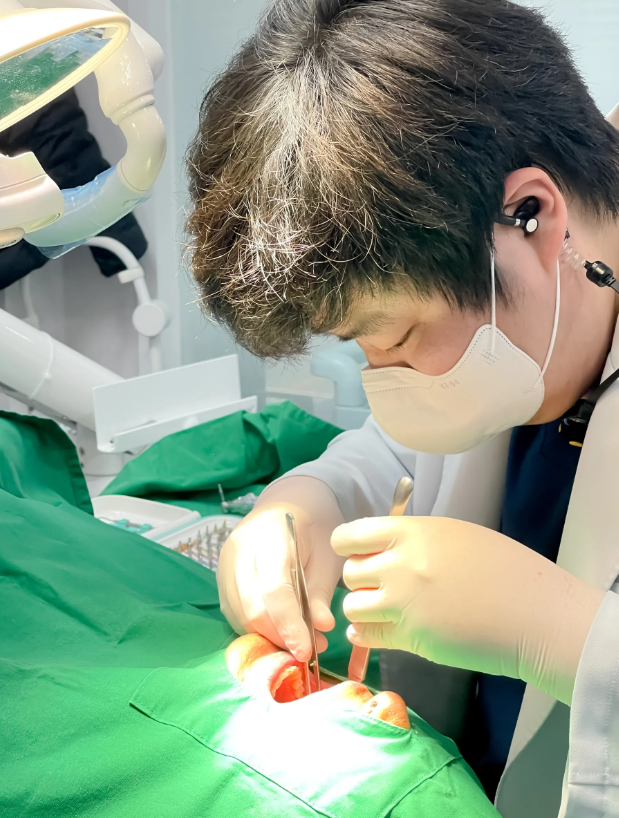
Maxillary sinusitis to consider when planning an implant
When planning an implant procedure,
many people focus on gum and bone health,
but maxillary sinus health is also an important factor.
In particular, if maxillary sinusitis is severe, treatment by an otolaryngology specialist may be necessary.
What on earth is the maxillary sinus, anyway!!!
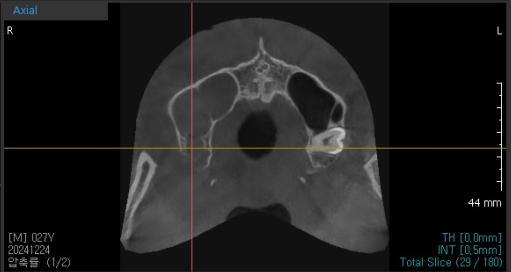 241224 You can see the color difference between the left and right, right??? The right side looks cloudy because of inflammation.
What is maxillary sinusitis?
First, the maxillary sinus is
a pocket of air located below the eyes
and near the upper molars.
When inflammation occurs here, it is called maxillary sinusitis.
Because pus has built up, it can cause
a variety of symptoms such as headaches, facial pain, and tenderness.
In severe cases, yellow pus may even come out~
An implant is placed into the bone..
and inflammation in the maxillary sinus negatively affects implant success rates.
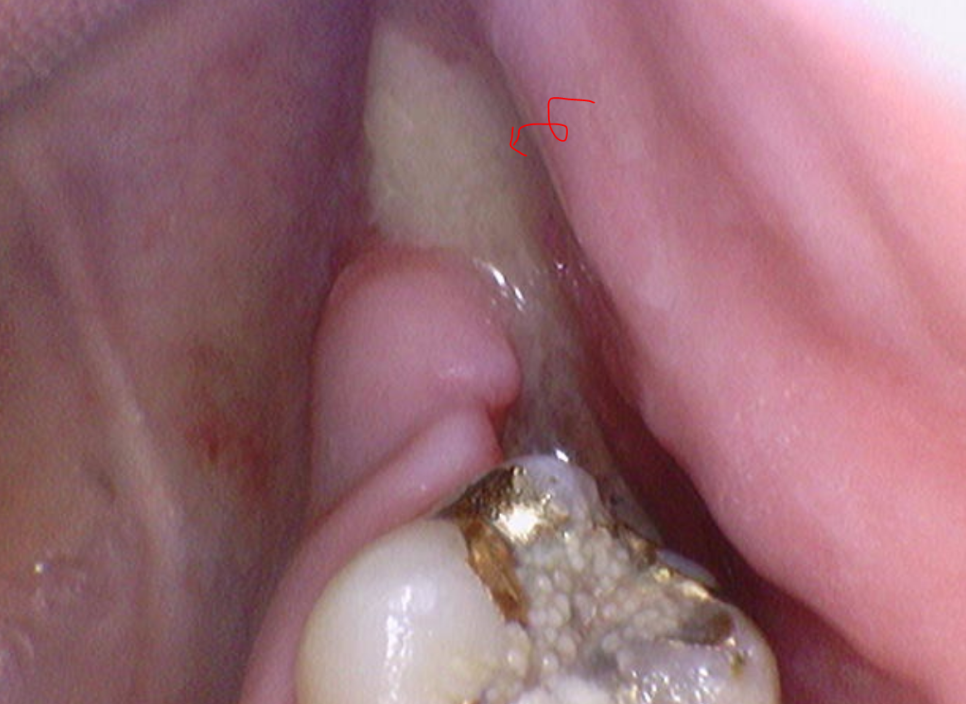 241224 In severe cases, yellow pus comes out!!!
If inflammation exists inside the maxillary sinus,
healing of the tissues around the implant may be delayed, or there may be a risk of infection recurring.
Therefore, before implant treatment,
it is essential to accurately diagnose the condition of the maxillary sinus!!
The need for ENT treatment for maxillary sinusitis
If maxillary sinusitis is mild, it may be treated with a prescription alone,
but when symptoms are severe, collaboration with an otolaryngology specialist is needed in addition to dental care.
In general, antibiotic treatment is used,
but in ENT clinics, surgical treatment is also possible...
and procedures are also possible, so!
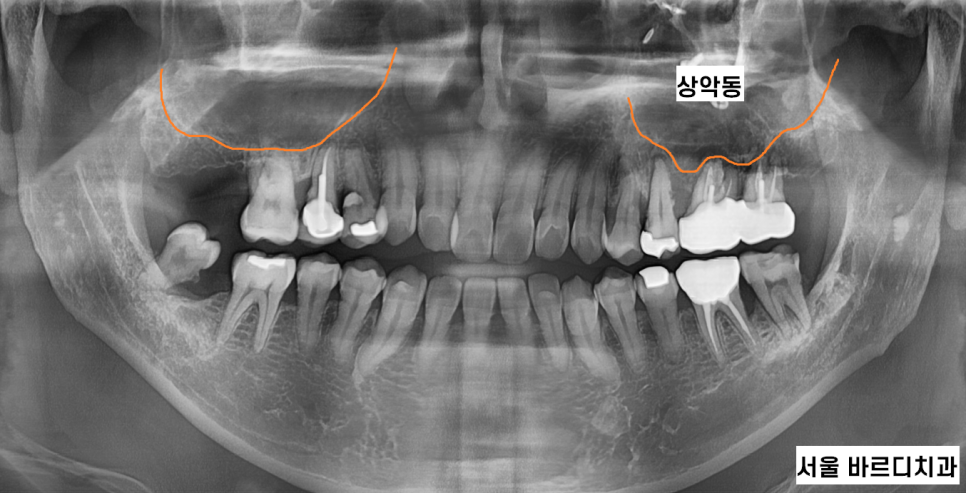 241104 There is maxillary sinusitis on both sides, so it looks cloudy!!!
Maxillary sinusitis is also called sinusitis.
ENT clinics treat three areas: the ears, nose, and mouth.
They are nose specialists,
so if we refer a case that needs treatment for maxillary sinusitis,
they help remove the inflammation!!
Implant treatment after ENT care
improves success rates
Once the inflammation inside the maxillary sinus is completely resolved,
it is safest to proceed with implant treatment after allowing 충분한 회복 기간 to pass.
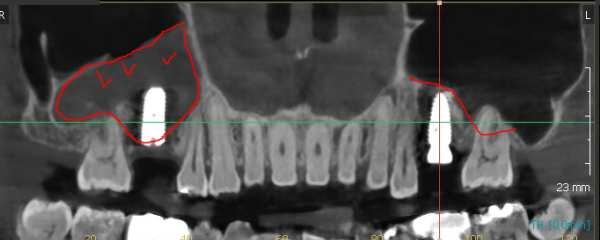 240320 Maxillary sinusitis that tends to recur easily even after treatment ㅠㅠ
If inflammation remains,
the implant will not integrate properly,
and the gum bone will keep resorbing~
Even bone grafting won’t help.
The foundation of all treatment is to thoroughly remove the inflammation,
and if pus remains, there is no benefit even if the implant succeeds~!!
Now you understand why collaboration with ENT treatment is needed for maxillary sinusitis, right?
If there is an additional issue such as maxillary sinusitis,
don’t overlook it and be sure to consult a specialist!!
At Seoul Bardi Dental Clinic, we prioritize our patients’ health and safety,
so we do not chase immediate profit right in front of us.
Treat the problem first, then proceed with treatment!
That is the choice that is best for both the hospital and the patient~!!
Thank you!!!
| This post was written directly by Seoul Bardi Dental Clinic for the purpose of providing medical information in compliance with Article 56, Paragraph 1 of the Medical Advertising Act. The information provided is for reference only, and we recommend visiting a medical institution to receive guidance from medical staff regarding symptom assessment and accurate management methods. All procedures/surgeries performed at the dental clinic may involve possible side effects depending on the individual (inflammation, bleeding, swelling, etc.). Please make decisions after sufficient consultation with medical staff in advance. The treatment cases in this post were photographed with the consent of the patients who completed treatment at our clinic, and the before-and-after photos were taken under the same conditions. |
#maxillarysinusitisENT #maxillarysinusitisimplant