Hello~
I’m Dr. Yoon Tae-ho of Seoul Vardi Dental Clinic.
There are people who think that if a tooth falls out,
an implant will always be possible.
Although implants have excellent bonding strength with the jawbone and can be used continuously,
treatment options may be limited depending on the patient’s oral condition.
What Are the 3 Cases Where Implants Are Not Possible?
Today, I’ll talk about three perspectives in which implants may be difficult.

<Cases Where Implants Are Not Possible>
Time is critical.
If a tooth falls out,
treatment is generally needed to restore function and aesthetics.
However, if a long time passes after extraction,
the jawbone gradually resorbs, and the amount and height of bone may become insufficient.
First, severe alveolar bone resorption
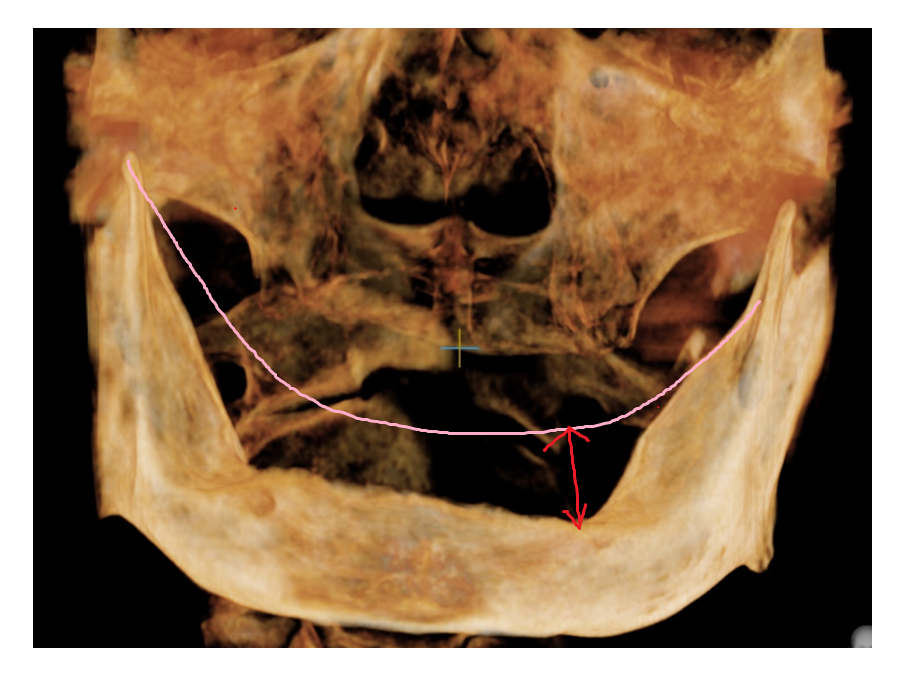 231024
If a denture has been worn for a long time,
or if a long time has passed since the tooth was lost.
To place an implant in a molar,
a minimum length of 8–10 mm is needed.
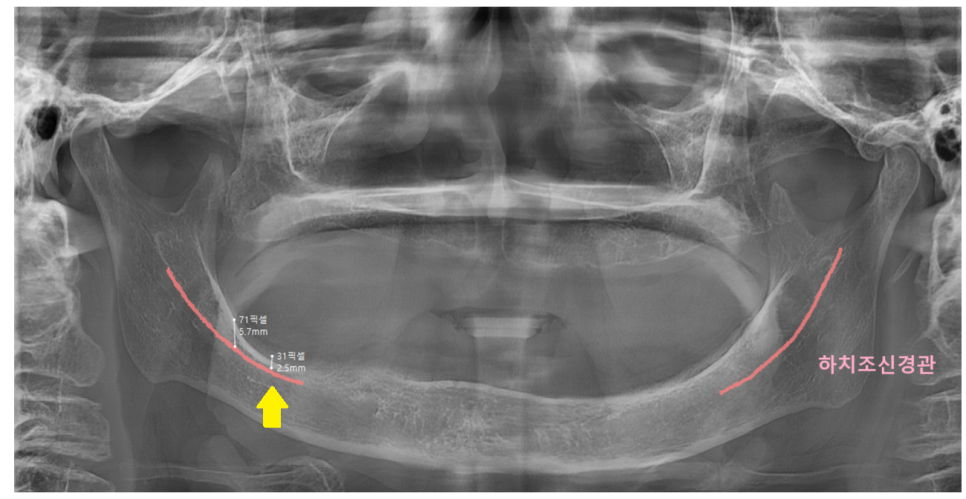 231024
If bone resorption is severe,
it becomes impossible to place an implant to the required depth.
This also affects the implant’s lifespan.
Short implants have a harder time fully withstanding chewing force.
Even if the surgery is successful,
problems can easily occur.
Some people ask,
“Can’t you just replace the missing bone?”
Even with bone grafting,
there is a limit to how much bone can be created.
Second, insufficient space due to tooth movement
If a missing tooth is left untreated for a long period,
neighboring teeth will move,
and the opposing teeth may erupt upward or move downward, and so on.
This causes changes in tooth position.
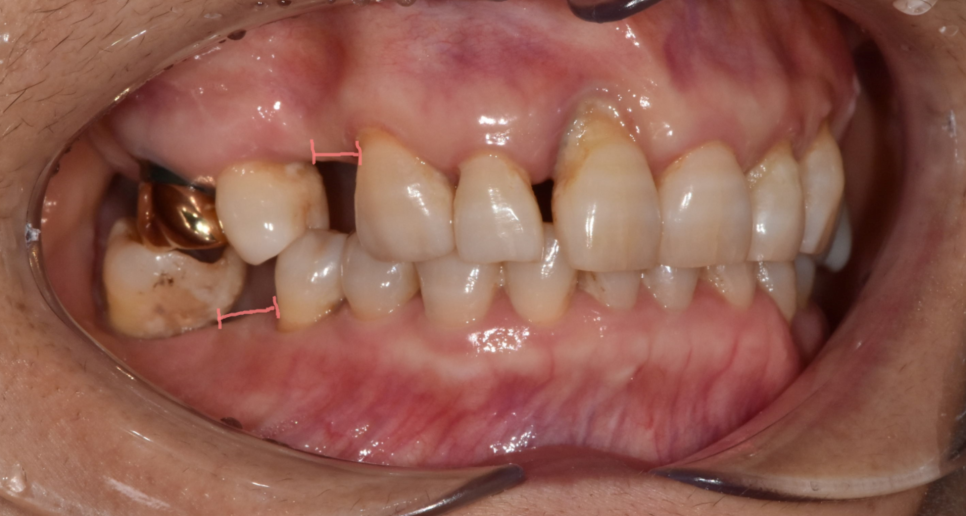 240423 When a tooth falls out and nearby teeth move
In such cases, bridge treatment may also be considered as an alternative.
Even if an implant is placed,
the space may be too narrow, so the prosthesis may have to be made smaller,
which has the drawback of food getting trapped.
Third, systemic diseases and medication use
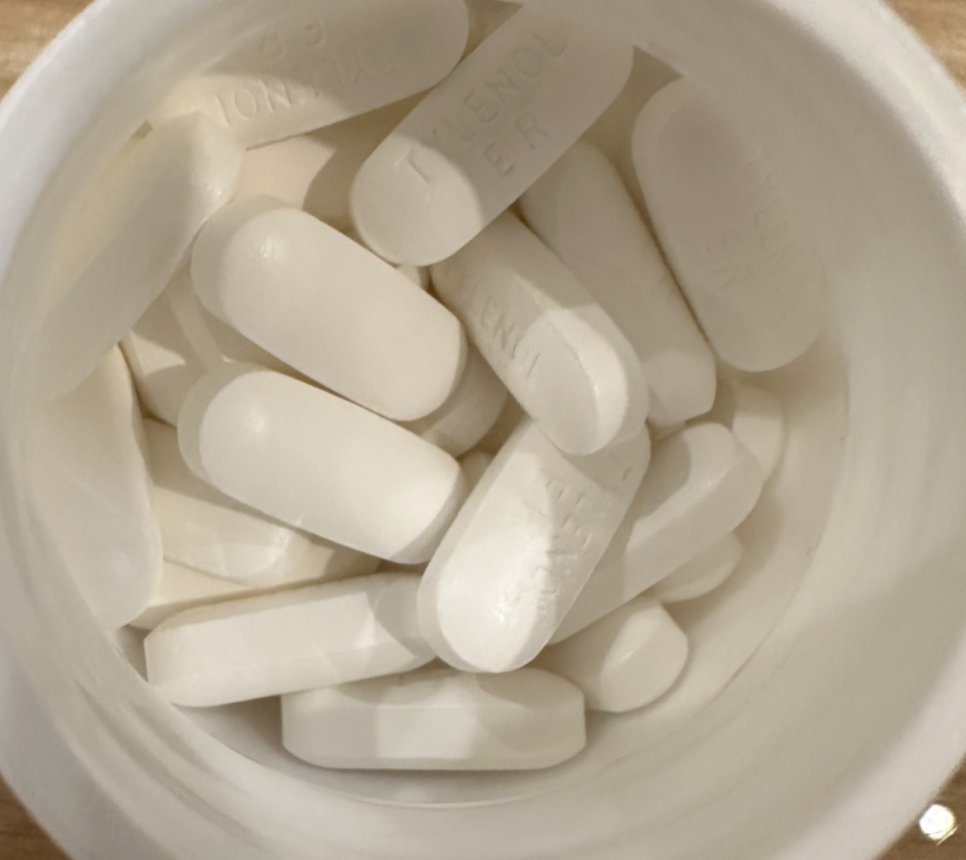
If you have a specific systemic disease such as diabetes, osteoporosis, or a blood disorder,
or if you are taking certain medications, the bone healing process may be affected and implant treatment may be limited.
Even if implants are not permanently impossible,
while you are undergoing treatment,
surgery may be restricted during the recovery process.
This is because immunity may be lowered, increasing the risk of infection,
and the bone’s healing ability is slower.
If a tooth falls out, the answer is not to leave it untreated.
I’ve explained three representative cases where implants may not be possible.
The most ideal situation is to proceed with an implant while the alveolar bone is preserved,
but depending on the patient’s situation, treatment may be difficult.
There are various alternatives such as bridges or partial dentures,
and the treatment method is decided according to each individual’s condition.
Through an accurate diagnosis and consultation,
it is important to establish the most appropriate treatment plan.
Thank you!
| |
#ImplantNotPossible