안녕하세요.
I’m Lee Juri, the chief dentist at Seoul Vardic Dental Clinic.
Today, when you visited the orthodontic clinic,
did you hear something like,
"The wire is a thicker one, so it may feel a little uncomfortable~"
Have you ever heard that?
Every time you go to the clinic, you may have experienced having the orthodontic wire replaced
or tightened.
So why is the orthodontic wire changed every time you visit?
Why Does the Orthodontic Wire Keep Being Replaced? What Is the Interval?
In this post, I’ll explain the replacement interval and purpose of orthodontic wire,
as well as why the thickness changes.
What Is an Orthodontic Wire?
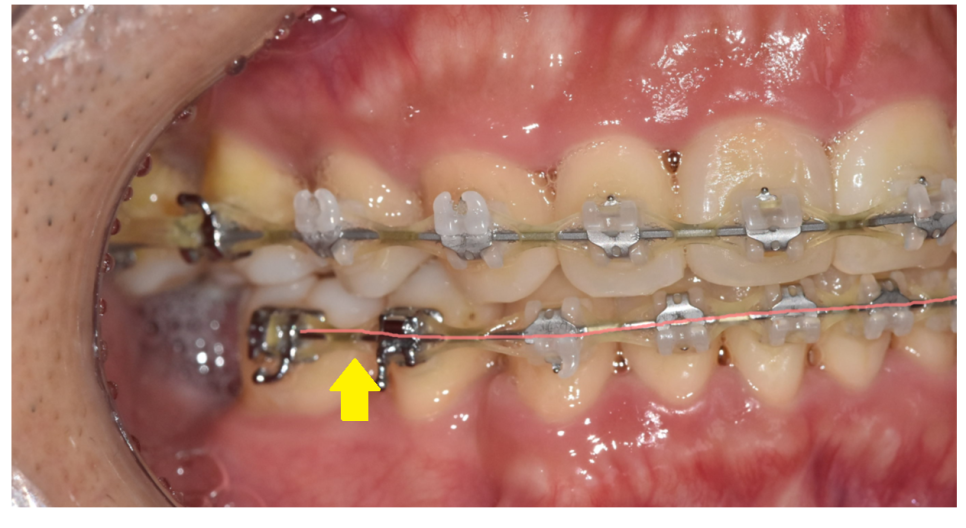
250116
When brackets are attached to the teeth,
a wire is inserted to carry out orthodontic treatment.
In common terms, saying, "I got my tracks laid today~" also applies to people undergoing bracket-based orthodontic treatment.
In orthodontic treatment, the wire is a key component that is connected to the brackets and applies continuous force to move the teeth.
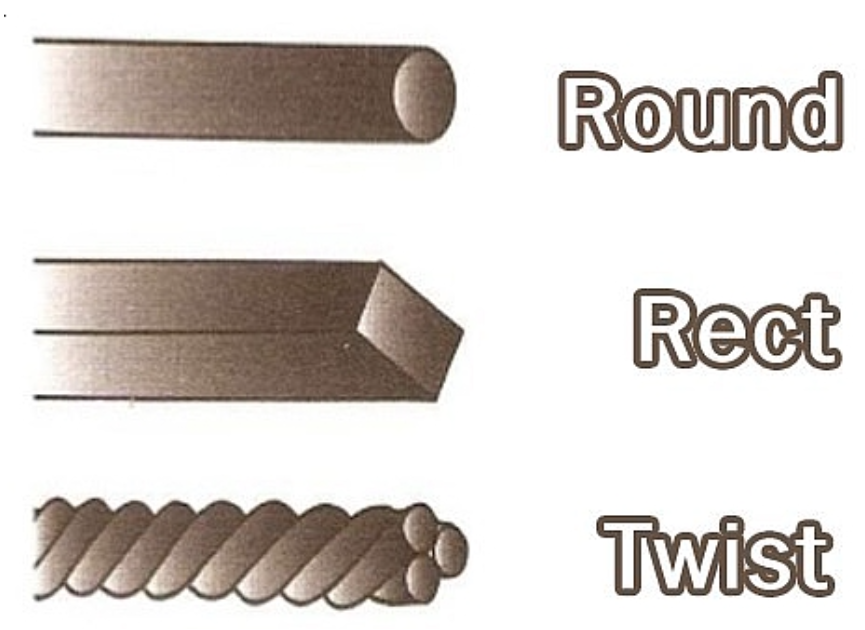
Cross-section of the wire
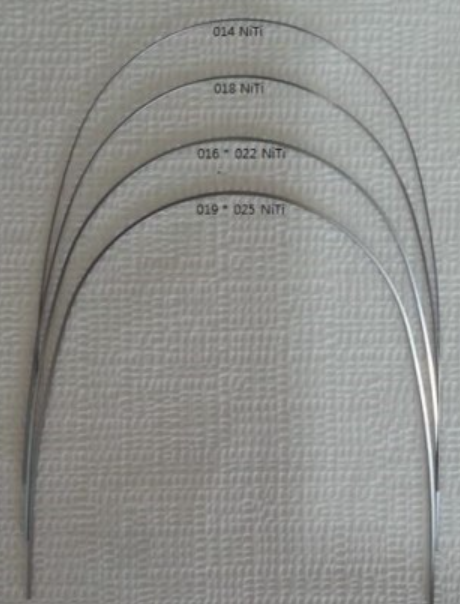
These wires come in different shapes,
and there are many types in terms of material and thickness.
The role of the wire used in the early and later stages of orthodontic treatment is different.
The thin wire used at the beginning is flexible,
and it has a strong tendency to return to its original shape even if bent.
It has the property of moving crooked teeth back into place.
In the middle to later stages of orthodontic treatment, a thicker and stiffer wire is used.
It provides strong force continuously
to help fine-tune tooth alignment.
Depending on the wire used,
the amount and direction of force delivered to the teeth change,
so it is essential to choose and change the wire according to the treatment stage.
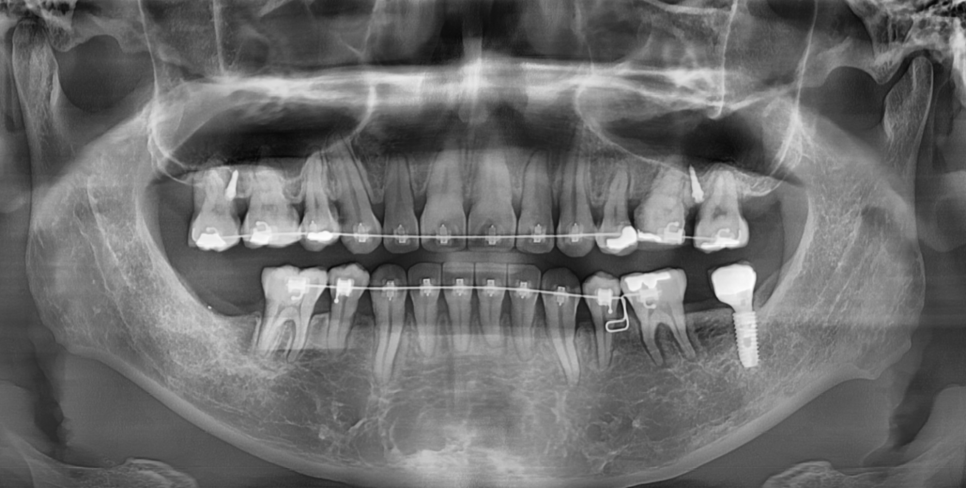
250116
Why Is the Wire Replaced Every Time You Visit the Clinic?
Because the wire also needs to change depending on the speed and direction of tooth movement.
In general, patients visit the clinic every 4–6 weeks,
and the decision is made based on how much the teeth have moved.
Teeth move more slowly than you might think,
so a consistent force must be applied over a long period.
If force is applied too quickly,
problems such as root resorption can occur.
To control this process step by step,
the wire also needs to change.
At the beginning of orthodontic treatment, weak and flexible wires are used
to move the teeth little by little.
In the middle to later stages of treatment, as the teeth begin to settle into place,
the wire is replaced with a thicker one that applies a stronger force.
In other words, every time the wire is replaced,
you can think of the orthodontic treatment as progressing "one step at a time."
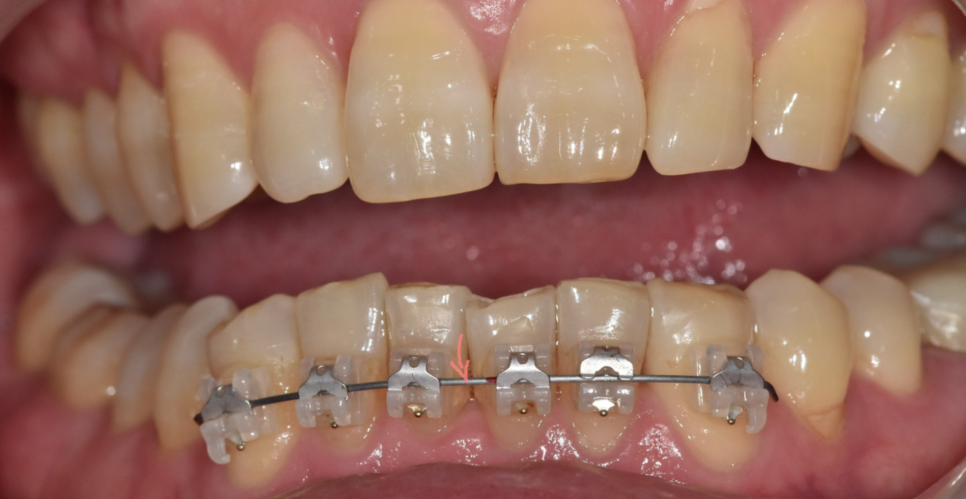
250425
After an orthodontic wire replacement, you may feel throbbing.
Replacing the wire means
that the orthodontic treatment is moving to the next stage.
Because the newly inserted wire
applies force, your teeth may ache for a few days.
In general, after about a week,
the discomfort eases and you can adapt.
An orthodontic wire is not just a piece of metal.
It is a key tool that guides the direction of treatment.
Once you understand why it changes every time you go in for treatment,
you can better understand the flow of the treatment as well, right?
Please remember that each wire replacement
is an important step toward your beautiful smile!
#교정철사교체