안녕하세요
This is Lee Ju-ri, the chief director of Seoul Bardi Dental Clinic.
People often worry when they hear that a cavity has developed during orthodontic treatment:
What if I leave it alone and it gets bigger...?
Many people are concerned about this.
With brackets attached,
brushing becomes more difficult,
and food tends to get trapped more easily, so the risk of cavities inevitably increases.
Cavity Treatment During Orthodontic Treatment: Treat First or Keep It Untreated? Here’s What to Know
Should orthodontic treatment be stopped?
Should cavity treatment be delayed?
You probably have a lot on your mind.
Let’s take about 3 minutes to summarize everything.
The most ideal option is
to treat it before attaching orthodontic appliances.
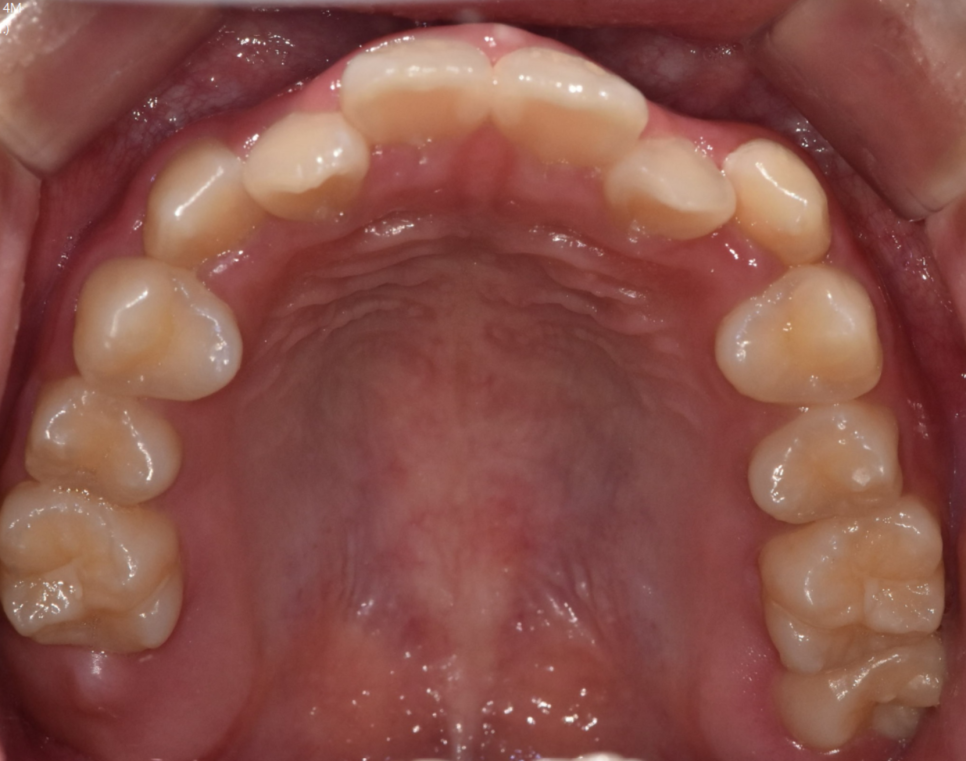
250120 In a clean environment, treatment and cavity detection are both easier.
However, if a cavity develops during orthodontic treatment,
that is something that cannot be avoided.
Cavity treatment is possible even during orthodontic treatment!
However, depending on the location and size of the cavity, as well as the position of the orthodontic appliance,
the treatment method and timing may vary.
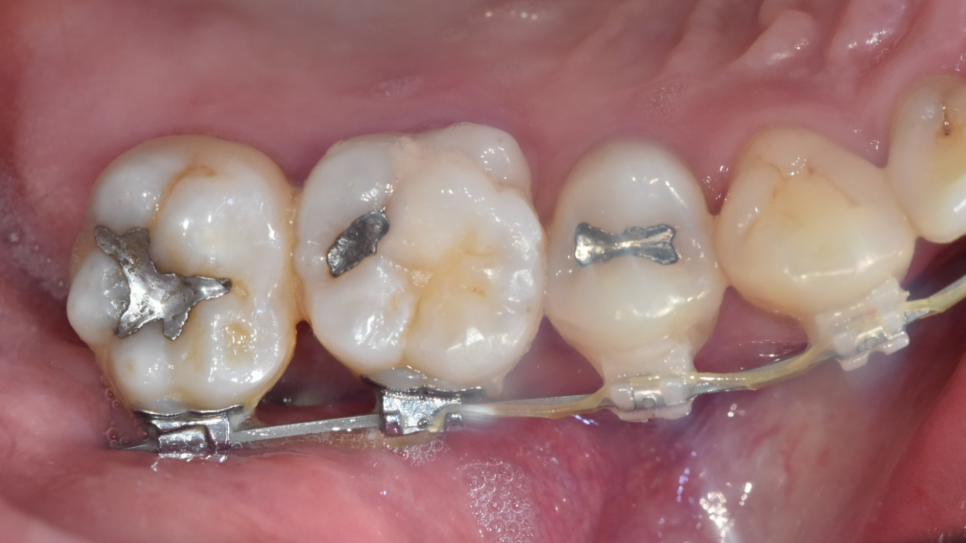
250116 Chewing surface area where no orthodontic appliance is attached
If the cavity is small,
and its location is on the chewing surface where no appliance is attached,
it can usually be treated without any issue during orthodontic treatment.
However, if a cavity develops around or beneath a bracket,
or if a large cavity requires an inlay,
or if prosthetic treatment is needed,
or if there is an ongoing cavity, etc.
In these cases, the bracket may need to be temporarily removed
so that the cavity can be treated.
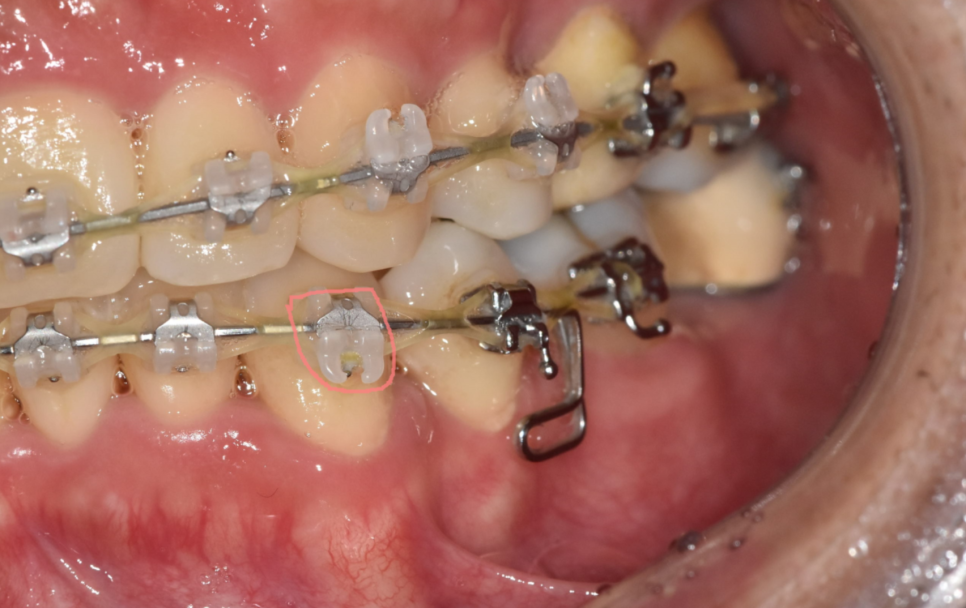
250116 Cavities that form beneath orthodontic appliances may require appliance removal.
This is because it may worsen during the orthodontic period.
After cavity treatment, the orthodontic plan is readjusted in detail.
A cavity can also lead to changes in the orthodontic plan.
This is because the tooth shape may change due to prosthetic work,
which can require adjustment of the orthodontic appliance position.
In most cases, only root canal treatment is performed,
and prosthetic treatment is often done after orthodontics is complete,
but everything is carried out according to the situation.
If a cavity develops during orthodontic treatment,
the treatment plan may be interrupted,
and the treatment period may also become longer.
Using an interdental brush
that can thoroughly clean between the brackets
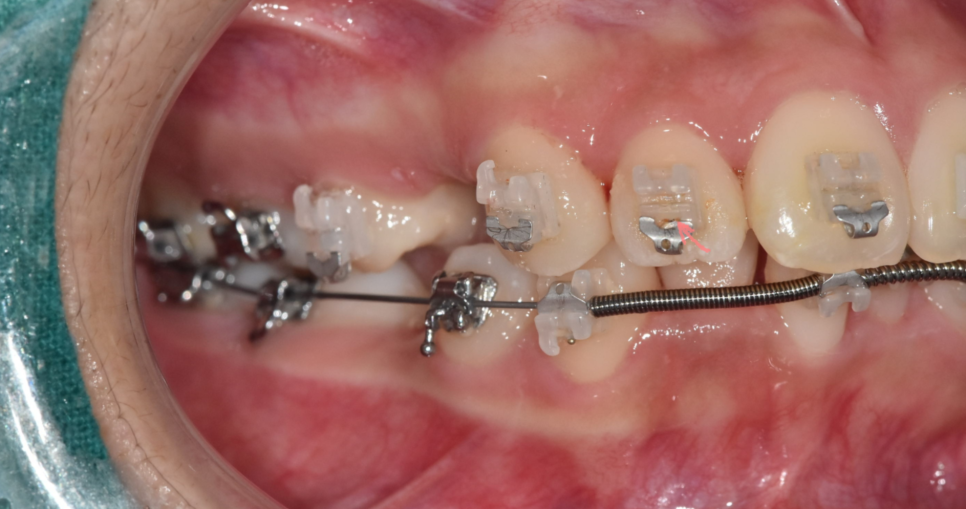
250509 Food is stuck inside the appliance because brushing has not been done well.
You also need to visit the clinic on your scheduled appointment dates during orthodontic treatment.
In general, because tooth conditions are continuously monitored during orthodontic treatment,
a cavity can be detected early,
but
if visits are put on hold for a while,
it is often found after it has grown larger.
To achieve both a beautiful alignment of teeth
and healthy teeth,
the management of thorough oral hygiene is necessary.
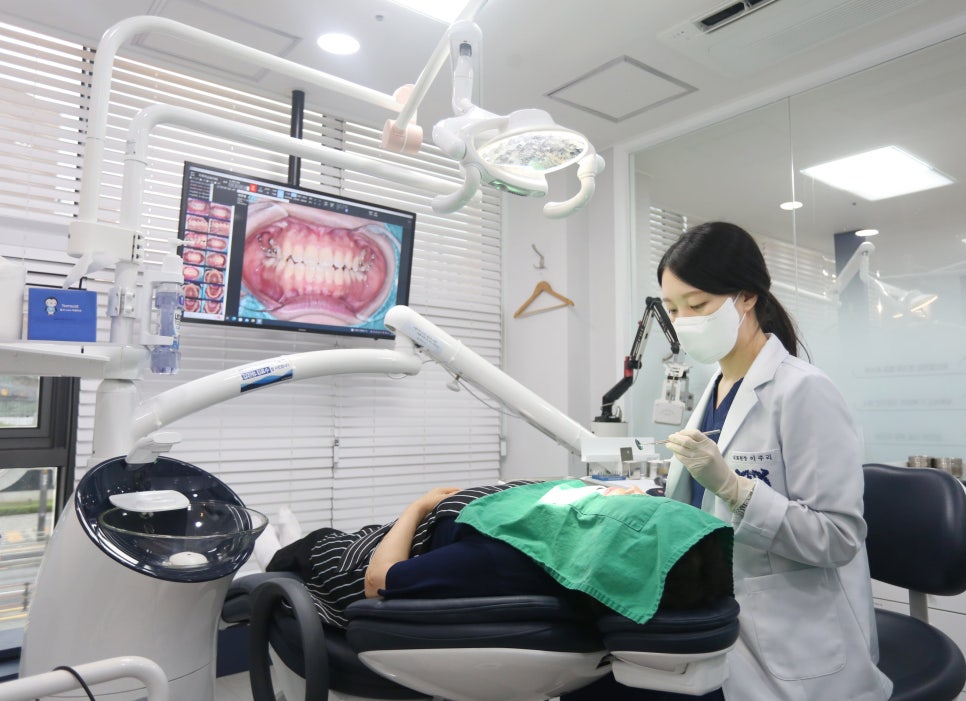
Orthodontics is the process of changing the position of teeth,
but cavities are a disease that damages the teeth themselves.
Even after removing orthodontic appliances,
you may achieve beautiful alignment of teeth,
but
please keep in mind that the teeth themselves may still have been damaged.
If both are managed well at the same time,
at the moment orthodontic treatment ends, you will be able to get a truly healthy and beautiful smile.
Thank you!
#CavitiesDuringOrthodonticTreatment