Hello,
I’m Lee Juri, Chief Director of Seoul Bardi Dental Clinic.
I thought I could finally start chewing a little...
Wasn’t the prosthetic made incorrectly?
In fact, among patients who have undergone implant treatment,
quite a few experience the problem of frequently biting the inside of their cheeks while eating.
Usually, this happens right after the prosthetic is attached.
It can occur during the adjustment period, but
in this post, I’ll explain the causes of cheek biting after implants
and how to address it.
<Contents>
| What causes cheek biting after implants? |
|---|
| 2. Solutions |
What causes cheek biting after implants?
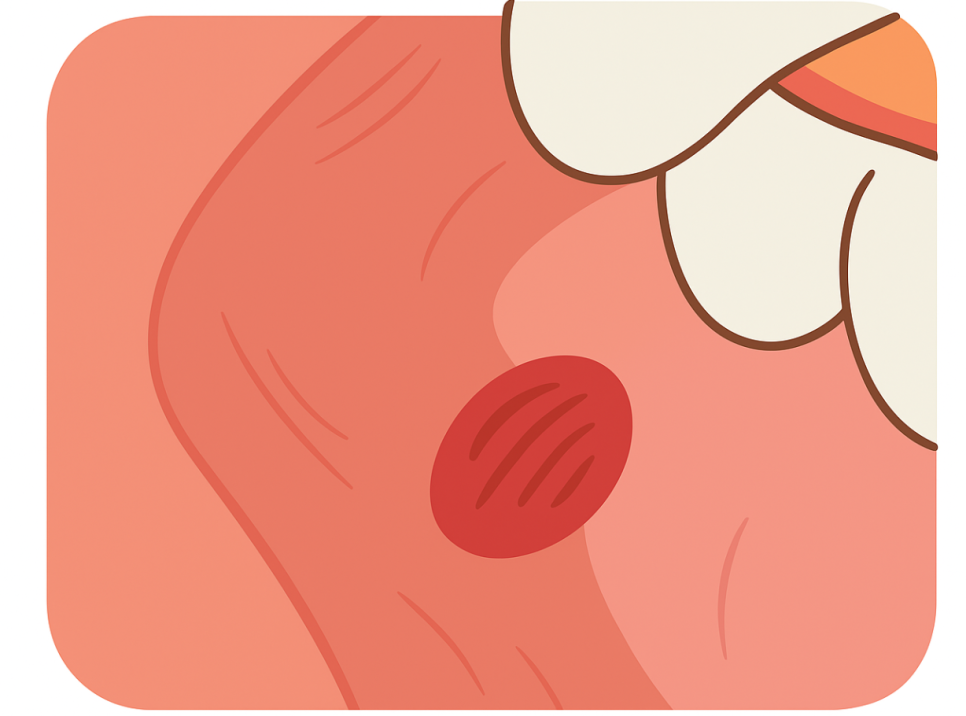
A photo of biting the cheek
Anyone has probably bitten the inside of their cheek at least once while eating.
It’s an unpleasant experience,
with a bitter taste as well.
After an implant prosthetic is placed,
cheek biting can occur temporarily.
This is a problem that can happen during the adjustment process.
When a tooth is lost and there is a period without teeth,
the cheek tissue can shift toward the teeth.
But once the prosthetic is placed,
the shifted tissue may not have adapted yet,
so it can get bitten.
In general, as time passes,
the cheek tissue that had moved inward shifts back outward,
and gets bitten less often.
However, if you keep biting your cheek, there may be other reasons, such as the following.
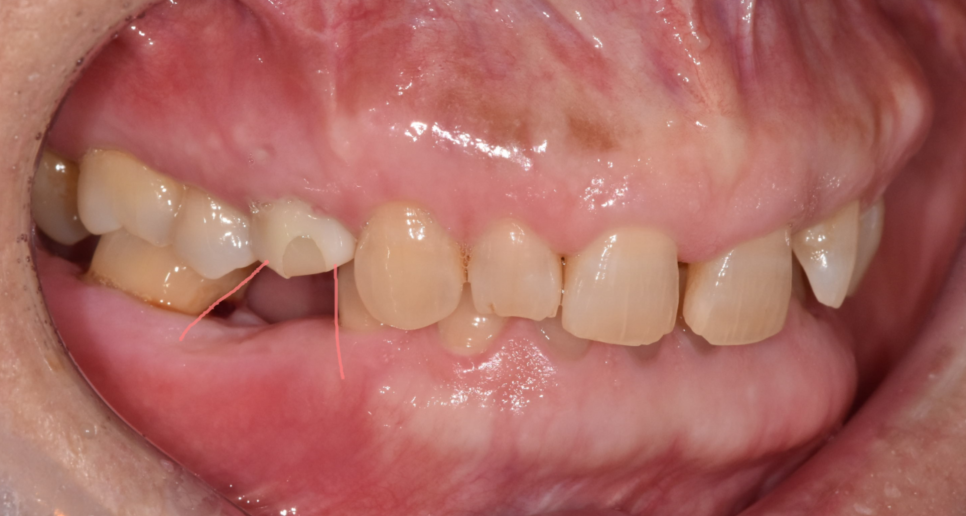
231228 When a tooth falls out, the bite changes and the cheek tissue also moves inward, causing many changes.
The second reason is a problem with the height or shape of the prosthetic.
If the thickness of the prosthetic is even slightly too thick,
patients can immediately tell that it feels thick.
They say it feels like something is sticking out.
If biting continues repeatedly, the thickness and shape of the prosthetic
need to be remade.
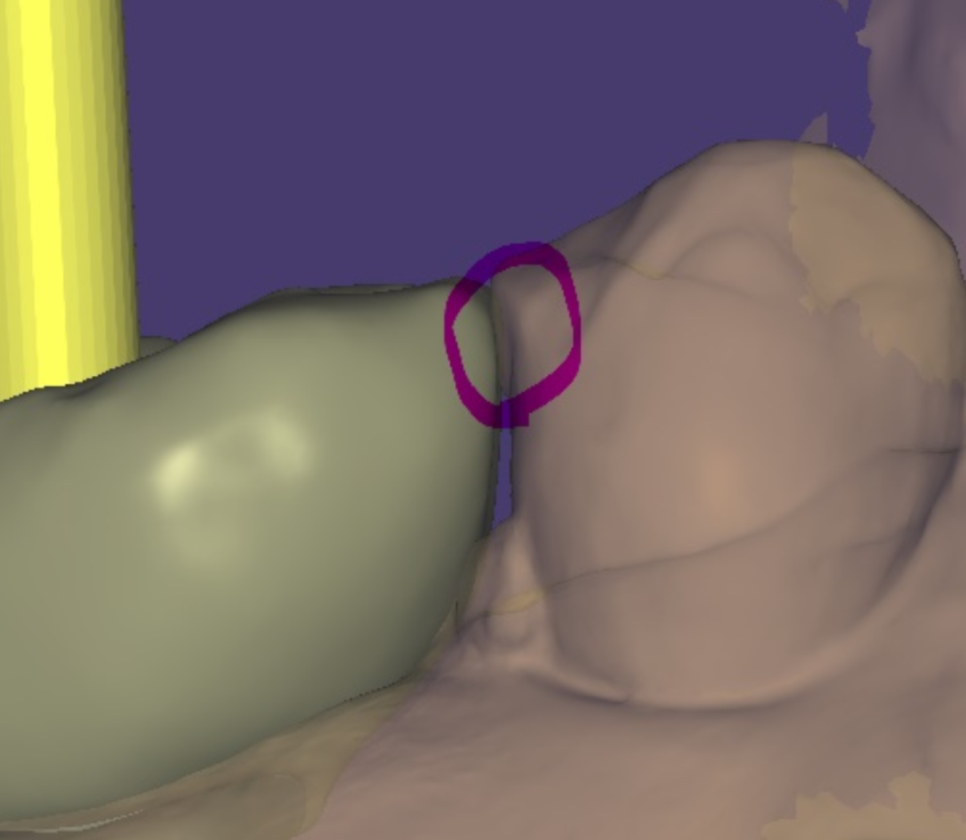
If it is made digitally using an intraoral scanner, the chance of needing adjustments is greatly reduced.
Third, it happens when you chew on only one side.
If you develop the habit of chewing only on one side during implant treatment,
imbalance develops and the likelihood of cheek biting increases.
You need to practice chewing on both sides ^^
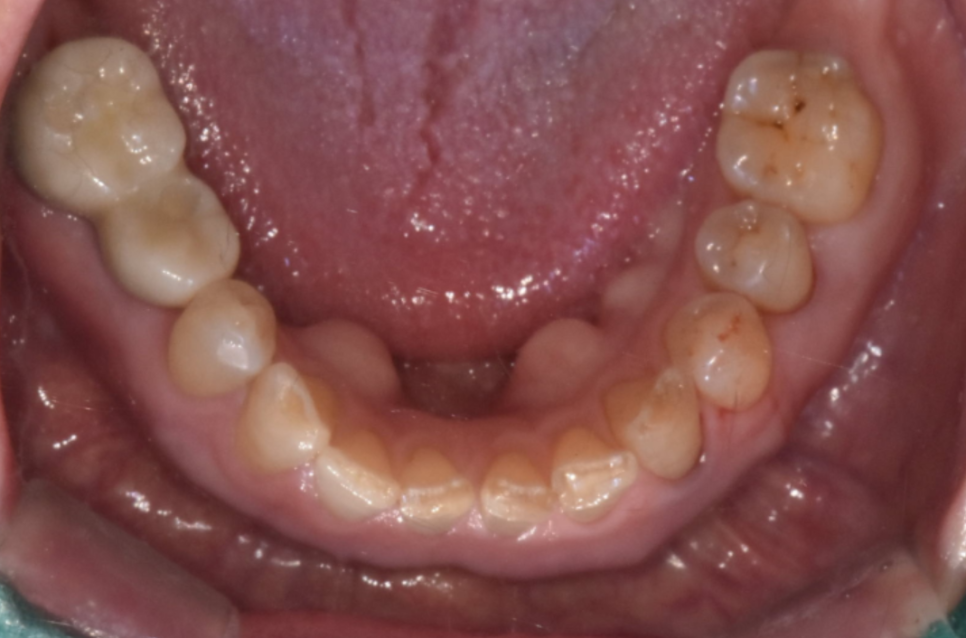
240611 Even if the prosthetic feels too thick, you can still bite your cheek.
Sometimes there are people with a very high level of patience.
There are patients who keep tolerating discomfort and continue using it.
Occasionally it may be okay,
but persistent cheek biting is not good.
The mucosa keeps getting caught, causing wounds and ulcers.
Bacteria can enter the wound area,
which may lead to stomatitis, inflammation, and swelling.
How can cheek biting be fixed??
You need to visit the dental clinic for it to be resolved.
Enduring it will not change anything.
Assuming you visit the clinic...
first, we check how the upper and lower teeth fit together.
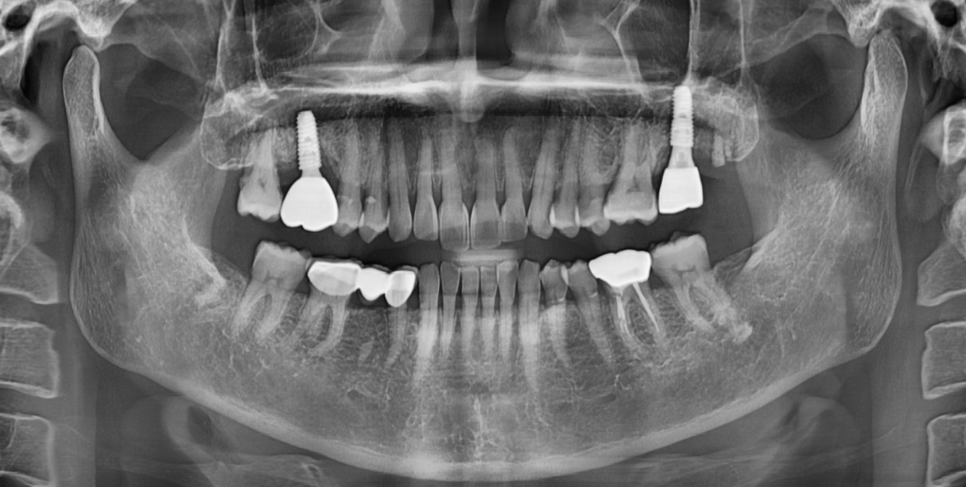
250724 We also take an X-ray to check whether the prosthetic has been inserted smoothly.
If the height or shape of the implant prosthetic is finely adjusted,
most symptoms improve.
Balance on both sides is important, but on the day the prosthetic is placed,
patients are using teeth they haven’t been using,
so many say it’s okay even if the height is a little high~
Even so, if you continue biting your cheek,
there is the option of remaking the prosthetic.
We can reduce the size,
or shape it so the cheek tissue is less likely to get caught.
Pretty simple, right?
There are also things you should do during the adjustment period.
After the correction, the patient should chew evenly on both sides,
and should develop the habit of chewing slowly during meals.
This helps protect the cheek,
and also greatly reduces the frequency of cheek biting.
Was it done incorrectly?
It’s completely understandable to think that.
Cheek biting after a molar implant is a common occurrence,
but for patients who had been looking forward to finally being done with treatment~~
and being able to eat meat,
it can be upsetting.
Please think of it as a temporary issue that can happen when suddenly using an area that hasn’t been used before,
and if it’s uncomfortable, please be sure to visit the clinic where the procedure was performed
and tell them !
Because adjusting or correcting the prosthetic
will make it better soon.
I hope this was helpful to patients today, and I’ll wrap up here.
Thank you!
Why Does Cheek Biting Happen After Dental Implants, and How Can It Be Fixed?
#ImplantCheekBiting