If a dental crown falls out and the internal decay is severe, an implant is needed.
Hello,
I’m Juri Lee, the lead dentist at Seoul Bardi Dental Clinic.
My crown suddenly came off while chewing gum.
Adhesive restorations can sometimes come loose because of sticky foods.
In some cases, they can be reattached simply because of an adhesion issue,
but when decay inside the tooth has progressed severely,
a simple reattachment may not be enough, and additional treatment or extraction may be necessary.
In this post, I’ll explain the causes of crown detachment
and when extraction and implants are needed due to severe decay.
<Contents>
| Causes of dental crown detachment |
|---|
| 2. Three treatment options when it comes off |
Causes of dental crown detachment
After completing a restoration, we cement it in place with a strong adhesive.
If you have used it well for several years without it coming off,
many people think it will never come off in the future either.
However, all materials have a lifespan,
and depending on eating sticky foods or
certain conditions arising,
it can come loose.
(This also applies to implant teeth.)
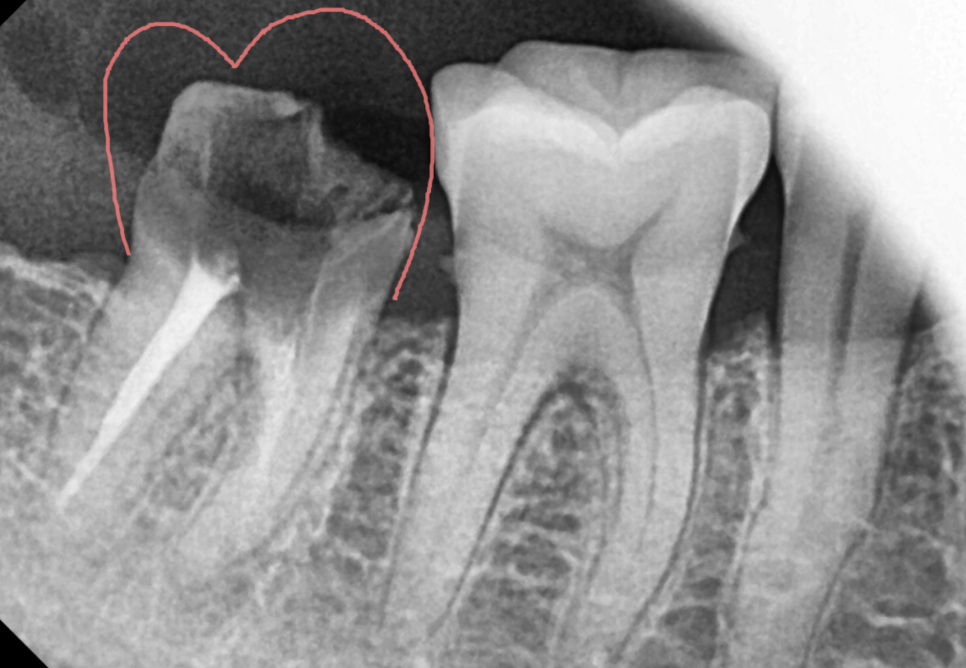 250327 Detached restoration
First, internal decay
If decay develops inside,
the bond can weaken and the crown may come off.
This happens when food and bacteria enter through gaps in the restoration.
In particular, if there is little of your natural tooth left after root canal treatment,
or if it was weak,
decay progresses even more easily.
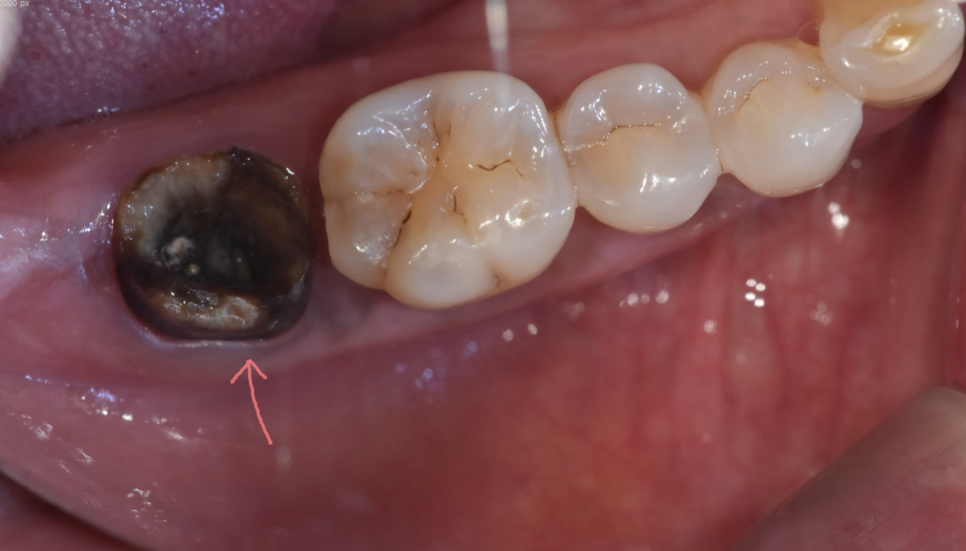 250327 When internal decay is severe
Second, aging of the adhesive
No adhesive can keep things from falling off forever.
After being used for several years,
the physical strength of the adhesive decreases and detachment occurs.
Third, eating habits
It often comes off while eating sticky foods.
(Jelly, tteok, etc.)
Because they stick firmly to the teeth,
old restorations can come off at any time!
Three treatment options when it comes off
If a restoration comes off,
there are three main treatment options.
If the inside is clean, the restoration can be reattached,
or
it can be remade,
or
after extraction, an implant can be placed.
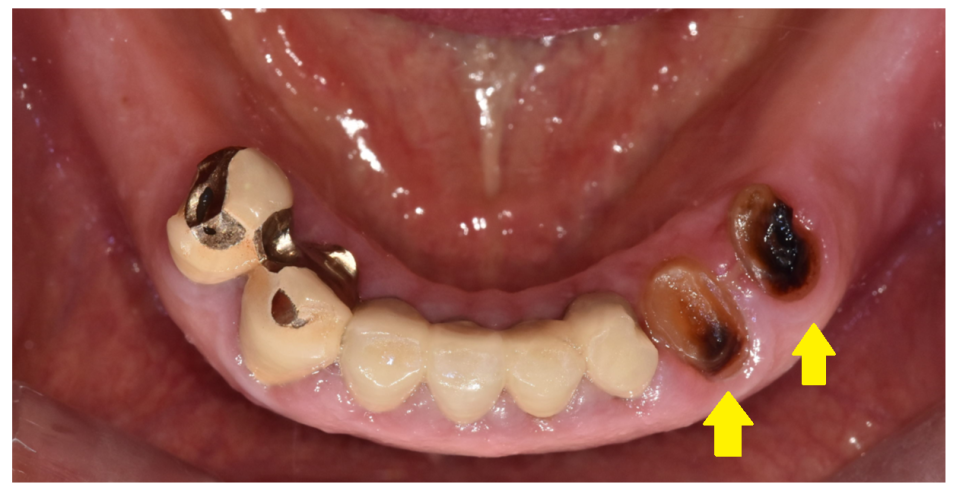 250716 When there is no support structure
If the inside of the tooth has severe decay
or has broken from the inside, there is no longer a support structure to hold the crown in place,
making treatment difficult.
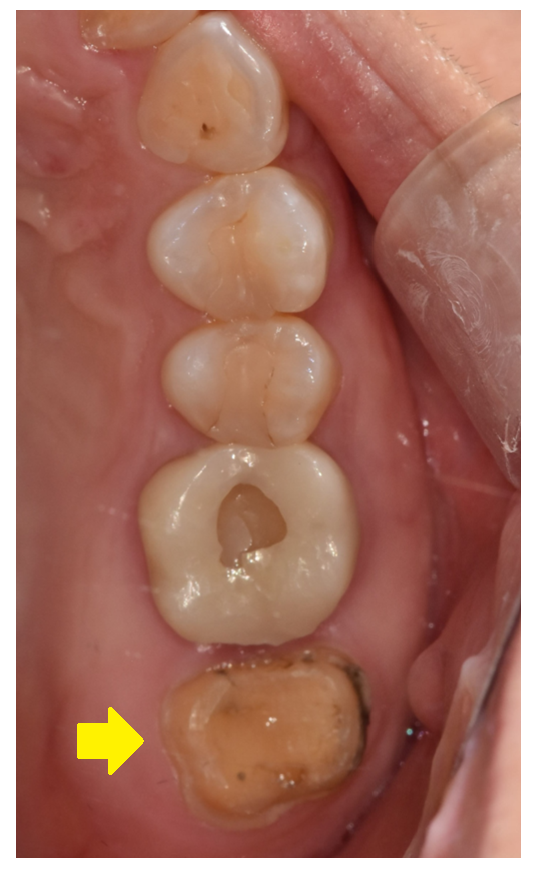 250725 When decay exists only in part and the remaining tooth is healthy
If decay is limited to part of the tooth
and the remaining tooth is healthy,
the decay can be removed and a new restoration made.
However, when decay has progressed deeply,
there is almost no way to save the tooth, so extraction is recommended.
- When decay reaches the nerve and root, and the tooth structure collapses
- When the tooth is fractured at the root
- When there is almost no remaining tooth structure to support the crown
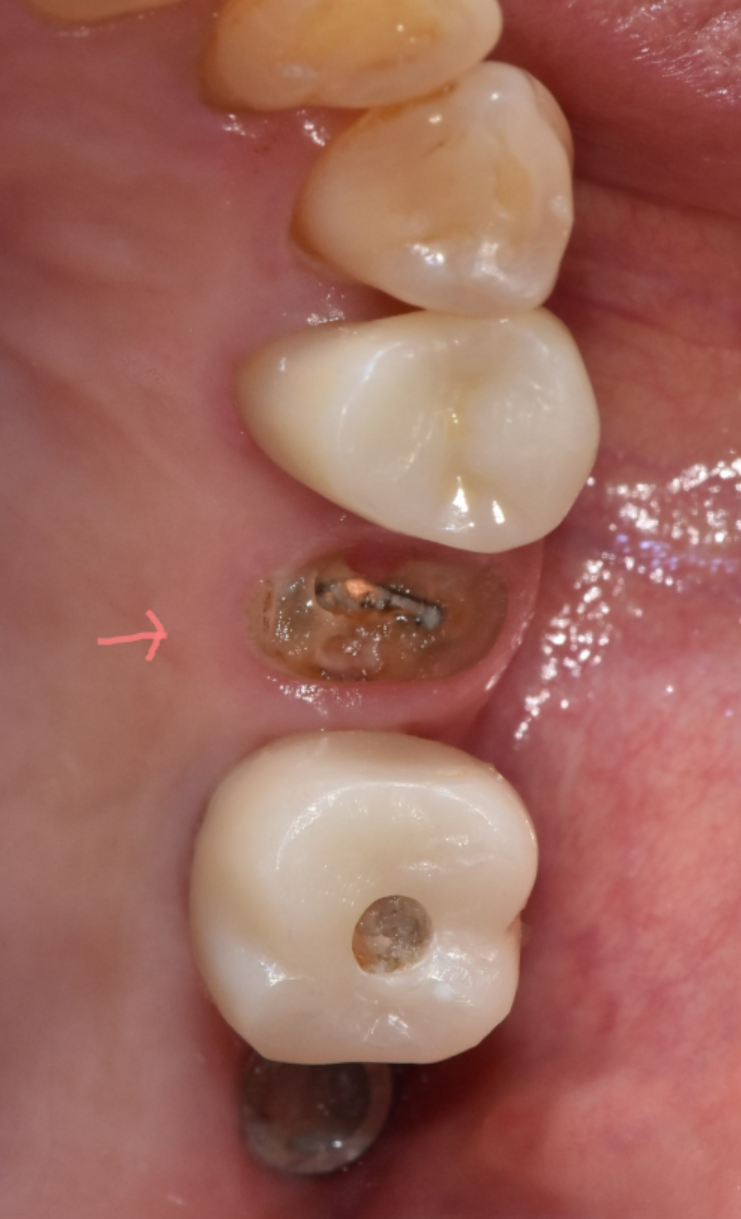 250724 When there is almost no remaining tooth structure
It may seem like simply reattaching the fallen crown would solve the problem,
but if the condition of the internal tooth is not healthy,
reattachment is only a temporary fix.
To use it for a longer time,
the condition of the tooth after it comes off must be checked.
If there is decay and it is simply reattached as is,
the tooth will continue to decay inside.
And if it is attached while the inside is already weak,
it may come off again soon, so reinforcement is needed.
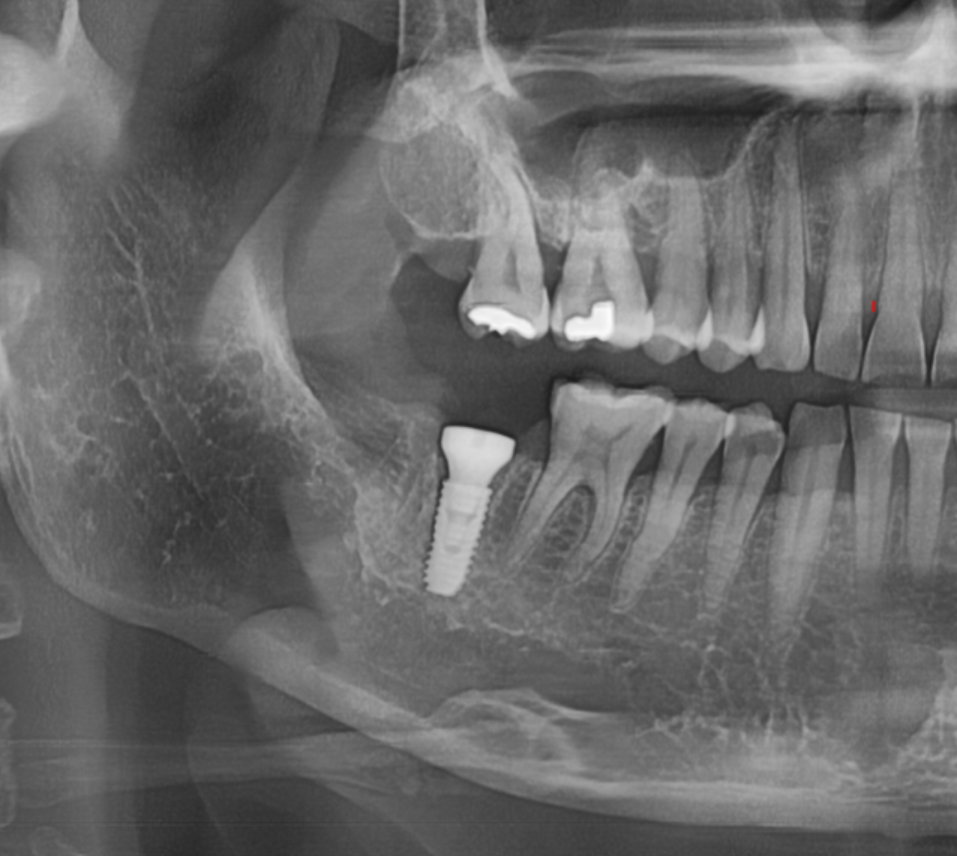 250327 If the internal decay is too severe, extraction and an implant are needed.
If you visit the dental clinic with the fallen restoration,
you can decide whether to
- reattach it, remake it, or extract the tooth and place an implant.
By explaining that there are three main treatment options,
I’ll wrap up here.
Thank you!!
 If a dental crown falls out and the internal decay is severe, an implant is needed.
#DentalCrownFallingOut #DentalCrownDecay