Hello.
I’m the director of Seoul Bardi Dental Clinic.
People who take aspirin long-term for conditions such as high blood pressure, angina, myocardial infarction, or to prevent cerebrovascular disease are quite common.
For these patients, one of the first concerns when facing implant surgery is:
Can I have surgery while taking this medication?
Or what if the bleeding doesn’t stop?
They often worry about these things.
Today, I’ll explain in detail how to safely proceed with implants while taking aspirin, and how long it should be stopped.
Why is aspirin use important in dental surgery?
If I’m Taking Aspirin, Can I Have Implant Surgery? How Long Do I Need to Stop Aspirin?
Aspirin is an antithrombotic medication that inhibits platelet function and helps prevent blood clots.
It is a helpful medicine that prevents blood vessels from becoming blocked, but...
On the other hand, when a wound occurs, it also slows the rate at which blood clots.
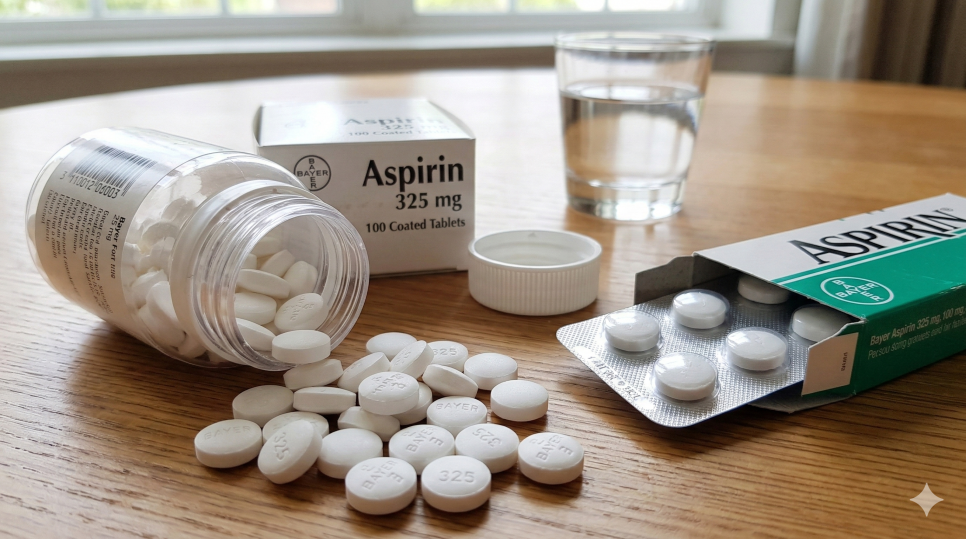
In dental procedures that involve making an incision in the gums or extracting a tooth,
if hemostasis is delayed, it can affect recovery after surgery, so extra caution is needed.
That said, it is very dangerous for patients to decide on their own to stop taking the medication.
If the medication is stopped arbitrarily,
previously managed cardiovascular disease may worsen.
To perform surgery safely,
we go through a process of checking with the responsible internal medicine specialist to confirm whether surgery is possible.
From the patient’s perspective, this may feel a little inconvenient and bothersome.
But that small amount of effort is the most reliable safety measure to prevent any unforeseen risks that may occur during surgery.
It may feel like taking a detour, but there is no value that comes before the patient’s safety.
So even if it is inconvenient, we ask for your understanding and cooperation.^^
How long should aspirin be stopped?
In general, it is recommended to stop it for at least 5 to 7 days before surgery, but...
this period can be adjusted flexibly depending on the individual’s surgical scope and health condition.
A patient taking aspirin: an implant case
If I’m Taking Aspirin, Can I Have Implant Surgery? How Long Do I Need to Stop Aspirin?
A patient who recently visited our dental clinic had also been taking aspirin for a long time due to high blood pressure.
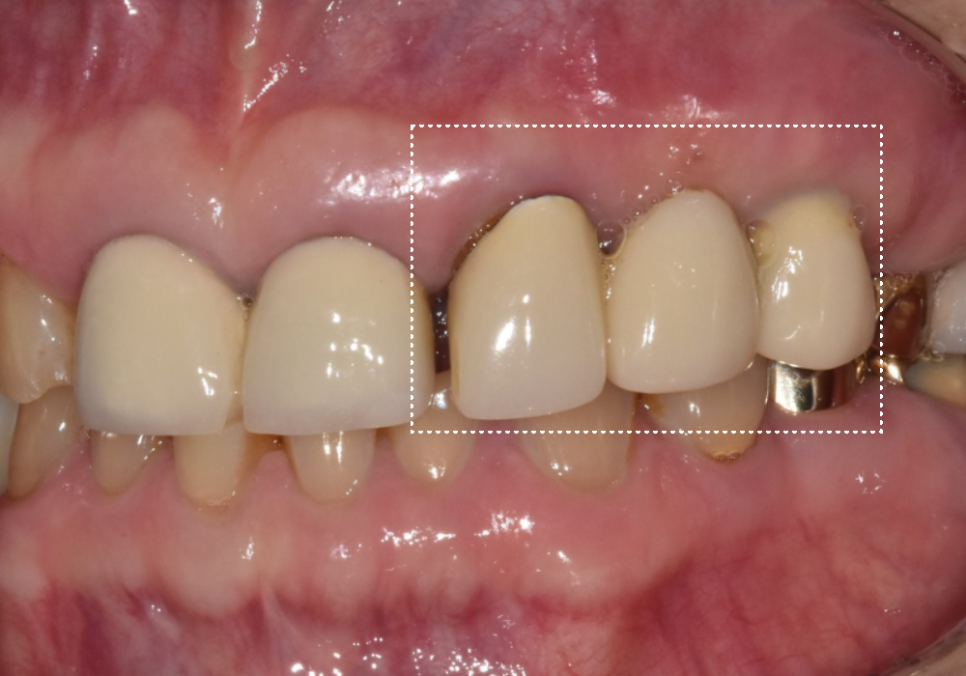 231005
The upper front bridge area (#22~24) was severely loose, so the patient came in for treatment...
After examination, the mobility was found to be grade 3 or higher.
You may be wondering how severe grade 3 mobility is.
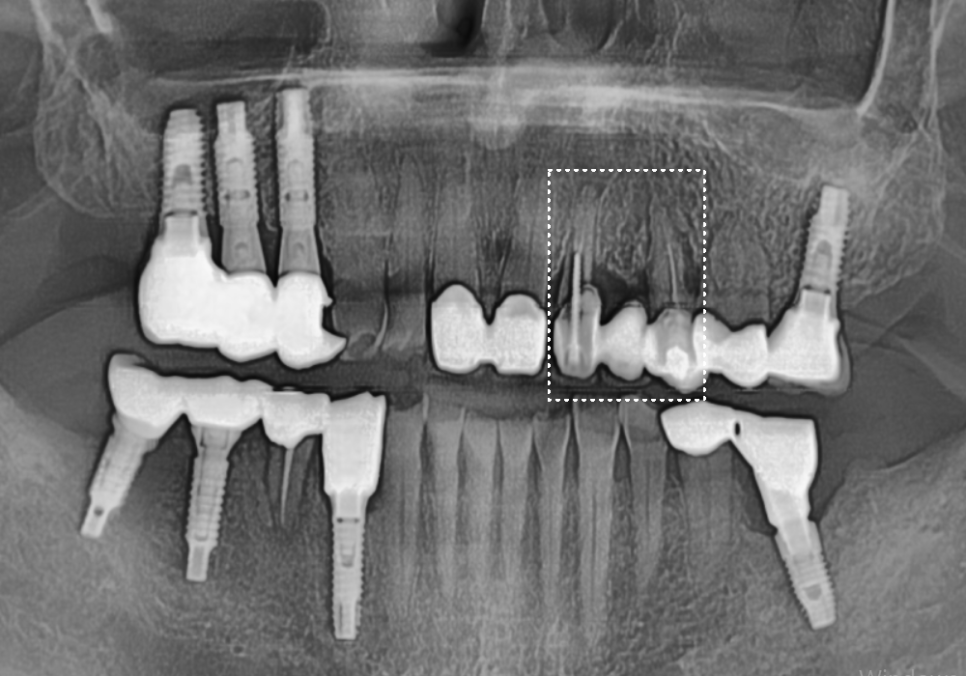 231005
It refers to a state in which the tooth goes beyond simply moving forward, backward, left, or right, and when pressed up and down,
it shakes so much that it moves in and out of the gum.
It is easy to understand as a state where the jawbone is almost no longer supporting the tooth root and the tooth is essentially floating.
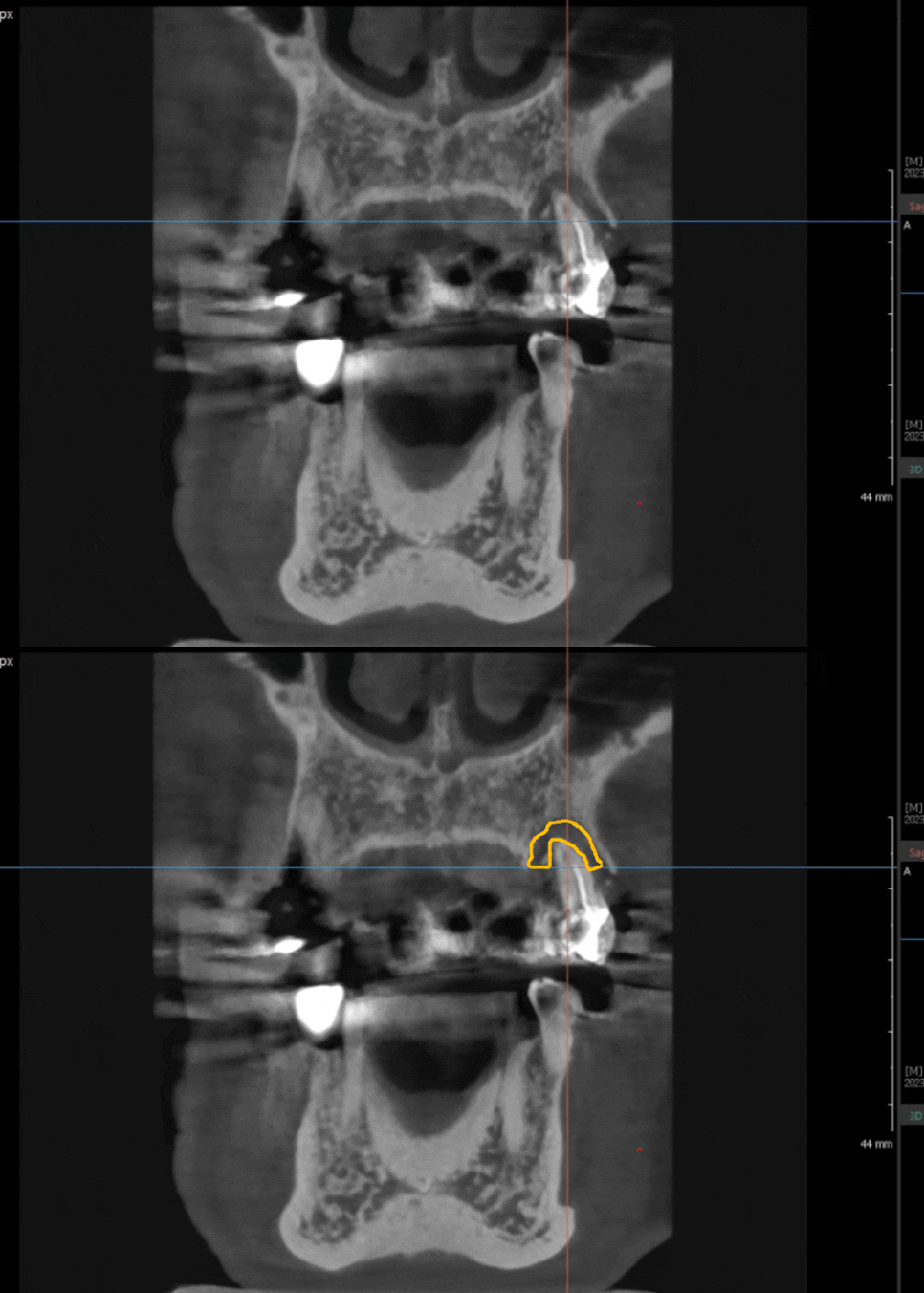 231011
When we checked the radiograph,
there was a large spread of inflammation at the tip of the tooth root,
which had significantly dissolved the surrounding jawbone.
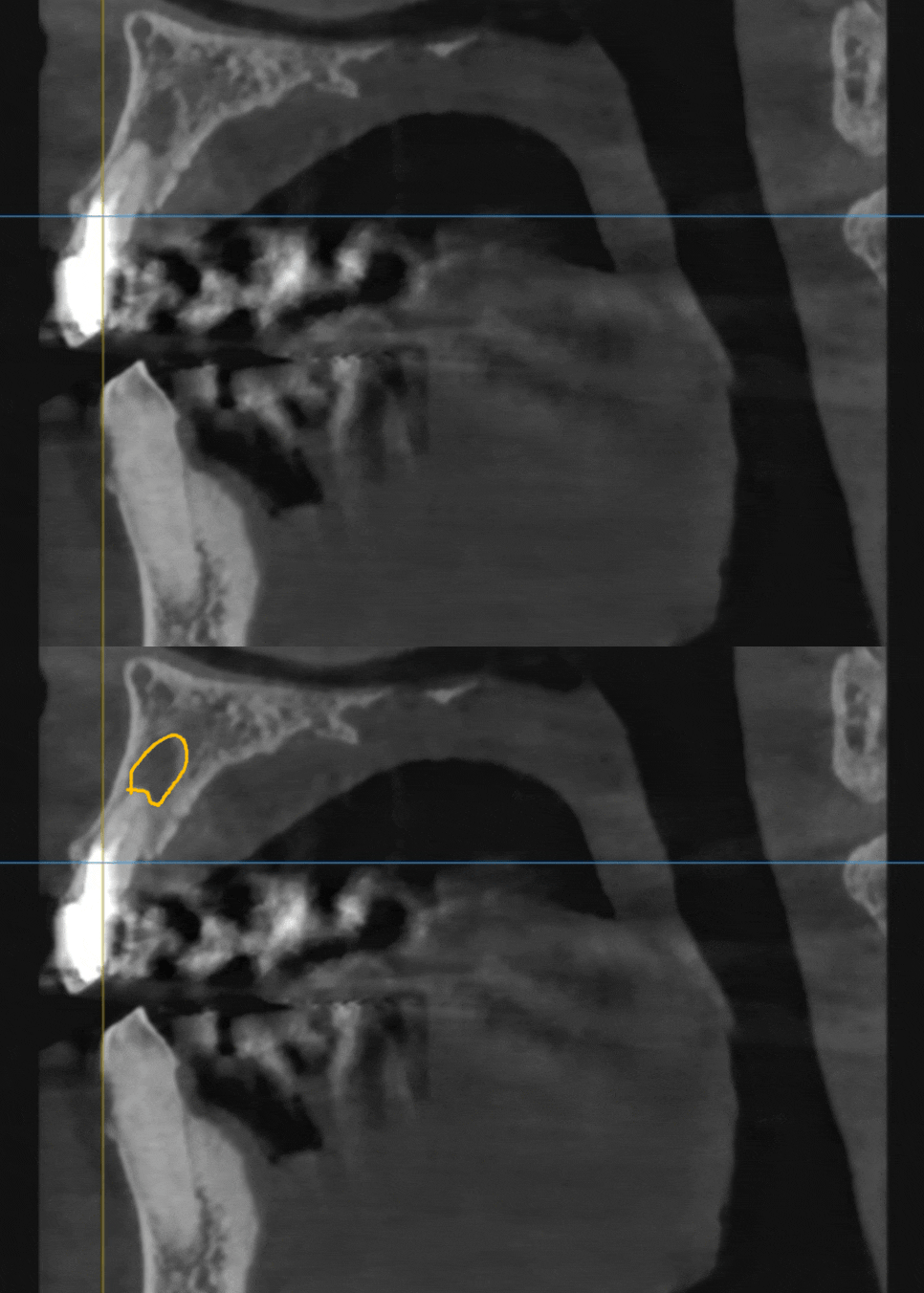 231011
In the end, extraction followed by implant surgery with bone grafting was unavoidable.
For patients taking aspirin,
hemostasis is the most important thing,
so it is better to minimize the number of surgeries.
If extraction and implant placement are done separately,
there is the inconvenience and risk of having to stop aspirin twice.
So, after checking the physician’s opinion, we decided to stop the medication for 5 days
and proceed with immediate placement after extraction.
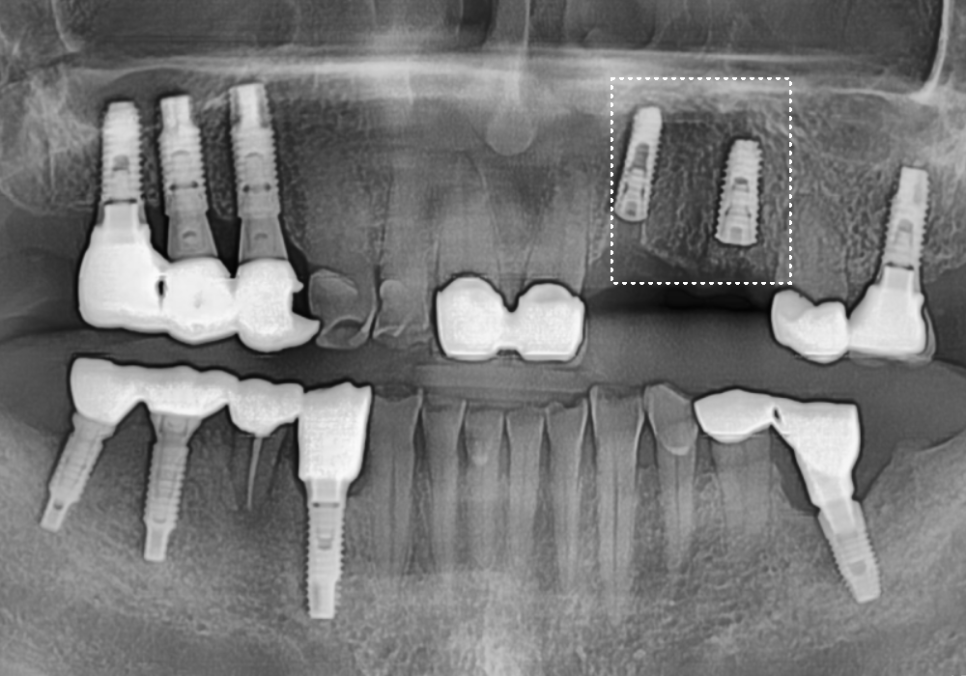 231124
We thoroughly cleaned out the inflammation at the surgical site,
and placed the bone graft and implant immediately in that space,
finishing the surgical treatment in a single procedure.
Why guided implant surgery is safer
If I’m Taking Aspirin, Can I Have Implant Surgery? How Long Do I Need to Stop Aspirin?
The more sensitive a patient is to bleeding,
the more actively we use guided implant surgery.
- We practice digitally in advance
Before surgery, we first perform a virtual operation on the computer based on 3D data.
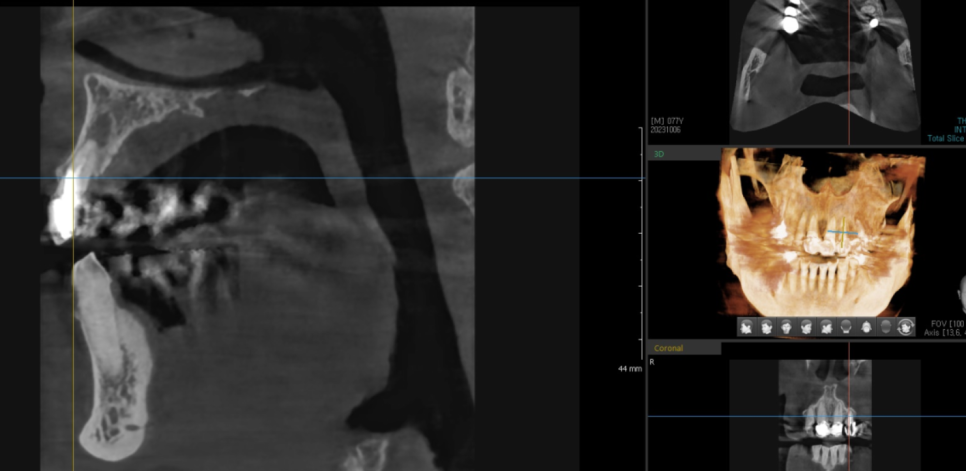
We can identify and avoid dangerous nerve or blood vessel locations in advance, making the procedure much safer.
- We minimize gum incision
Because we already know the exact path in advance,
we do not need to open the gums widely.
Since it can be placed through a small opening, there is less bleeding,
and naturally, swelling and pain after surgery are also noticeably reduced.
Postoperative progress and prosthetic completion
If I’m Taking Aspirin, Can I Have Implant Surgery? How Long Do I Need to Stop Aspirin?
On the day of surgery, after carefully checking that the bleeding was well controlled,
we sent the patient home,
and when the patient returned the next day for disinfection,
hemostasis had fortunately been very clean.
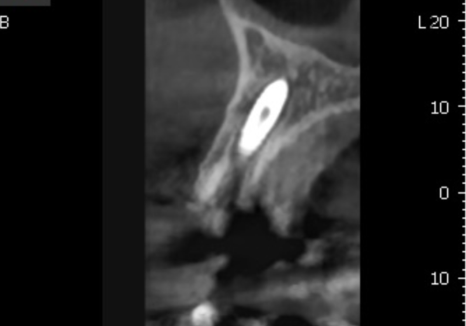
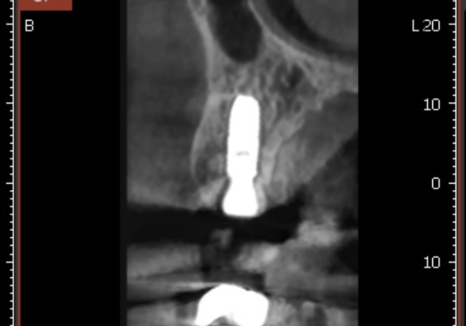 240202
After 4 months, once we confirmed that the implant root and bone had firmly integrated,
we completed treatment by placing a zirconia prosthesis.
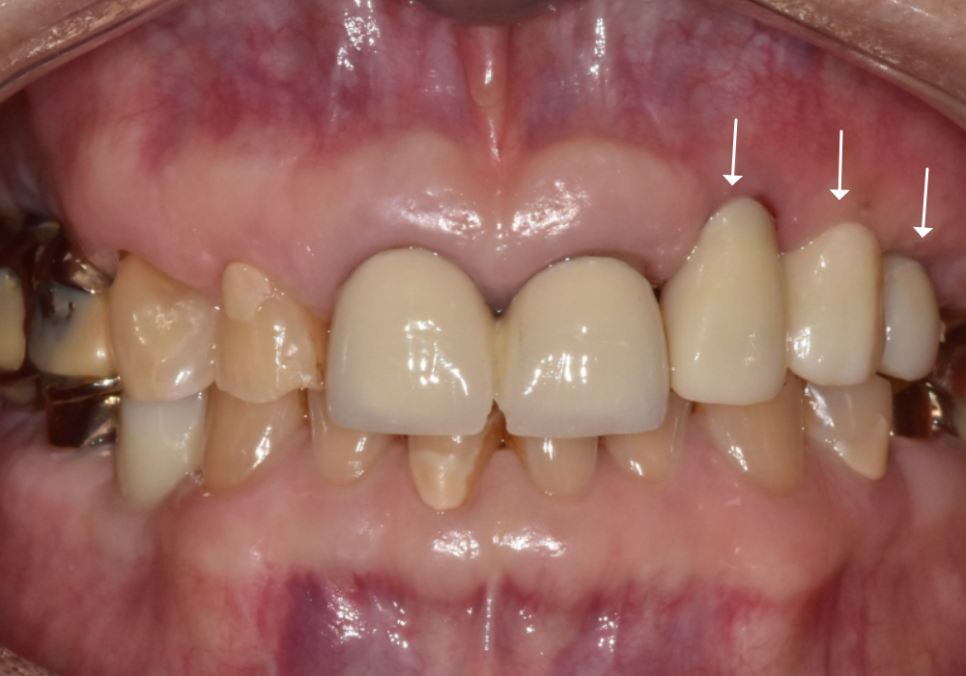 240321
Are you hesitant about surgery because you are taking aspirin?
The important thing is not simply deciding to stop the medication,
but carefully understanding the patient’s overall health condition
and creating a precise surgical plan that can minimize bleeding.
If you have been delaying treatment because of a similar concern,
we will think together with you about what is the safest and most appropriate method for your body.
Thank you.^^
▼Check the dental clinic location▼
If I’m Taking Aspirin, Can I Have Implant Surgery? How Long Do I Need to Stop Aspirin?
| Go to make a reservation call |
|---|
| 02-481-4278 |
| This post was written directly by Seoul Bardi Dental Clinic for the purpose of providing medical information in compliance with Article 56, Paragraph 1 of the Medical Advertising Act. The information provided is for reference only, and for symptom assessment and exact management methods, please visit a medical institution and receive guidance from medical staff. All procedures/surgeries performed at the dental clinic may carry individual risks (inflammation, bleeding, swelling, etc.). Please make a decision after sufficient consultation with medical staff in advance. The treatment cases in this post were photographed with the consent of actual patients who completed treatment at our clinic, and the before-and-after photos were taken under the same conditions. |