Hello,
I’m the director of Seoul Bardi Dental Clinic.
If a front tooth falls out or breaks,
it can be very upsetting.
In particular, front teeth are an important area
that determines first impressions,
so the treatment method should be chosen carefully.
Today, I’ll talk about the difference between bridges and implants,
which people often consider when a front tooth is lost,
and I’ll also share an implant case using digital technology.
When a front tooth is missing, which is better,
bridge or implant?
When a front tooth falls out, what’s the right choice for me: bridge or implant?
Usually, when people lose a front tooth,
they often consider either a bridge,
which involves shaving down the teeth on both sides and connecting them like a bridge,
or an implant,
which involves placing a post only in the empty space.
At this point, the most important thing to look at
is the health of the surrounding teeth.
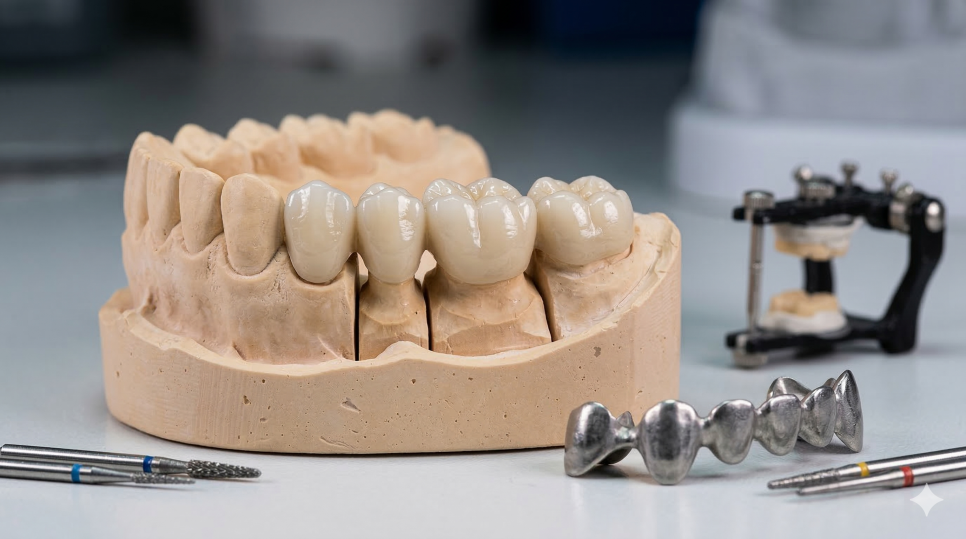
A bridge comes with the burden of having to
shave down healthy adjacent teeth,
and if the neighboring teeth that will serve as supports
are already weakened,
it can create a domino effect in which those teeth also become damaged.
On the other hand, the treatment period is shorter than with implants,
so the front tooth area can be restored quickly,
and crooked-looking front teeth can be neatly rearranged through a bridge.
By contrast, an implant is placed only in the missing area,
so the surrounding teeth are not burdened.
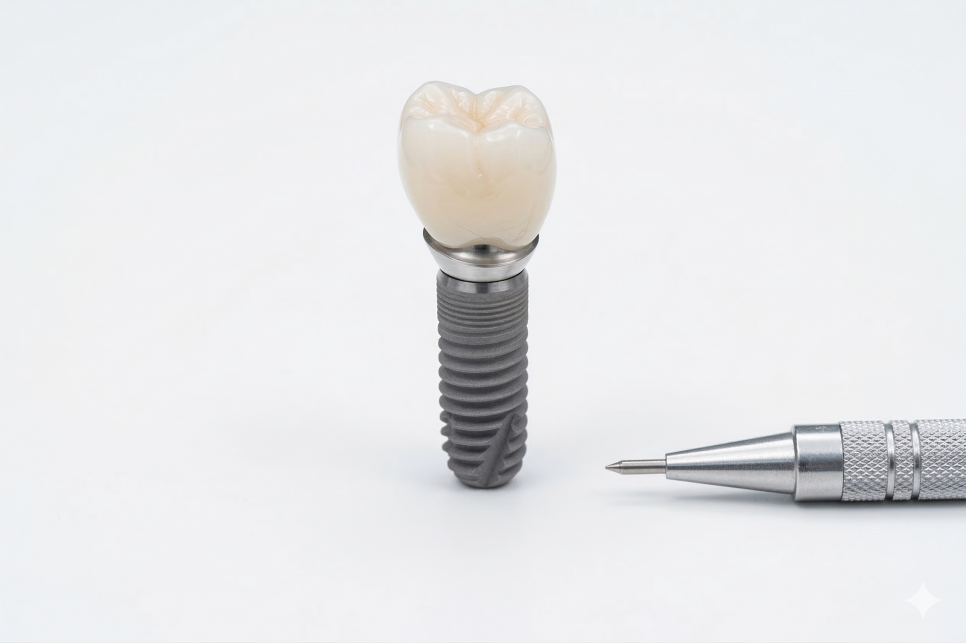
However, because implants take time for the bone and root to fuse,
it usually takes about 3 to 4 months for the lower jaw
and 4 to 6 months for the upper jaw,
which can make the longer treatment period compared with a bridge feel burdensome for patients.
A case of a patient who visited after losing a front tooth
When a front tooth falls out, what’s the right choice for me: bridge or implant?
This is a case of a patient who recently visited after losing a front tooth.
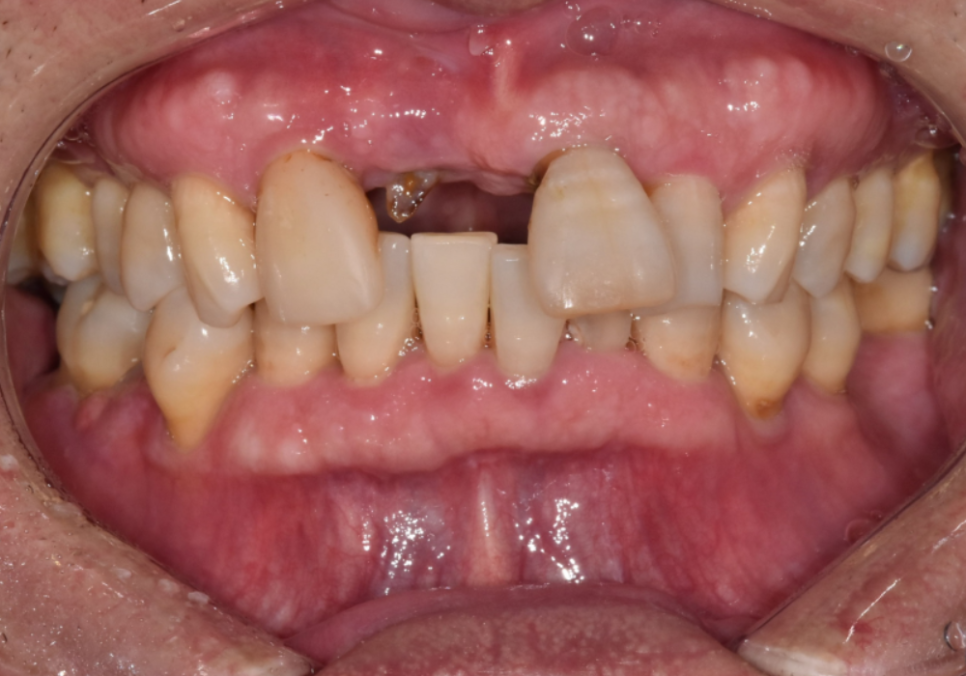
240523
After examining the mouth, the right front tooth (#11)
was already broken, leaving only the root,
and the left front tooth (#21) was shaking severely enough
to be identified as mobility grade 3.
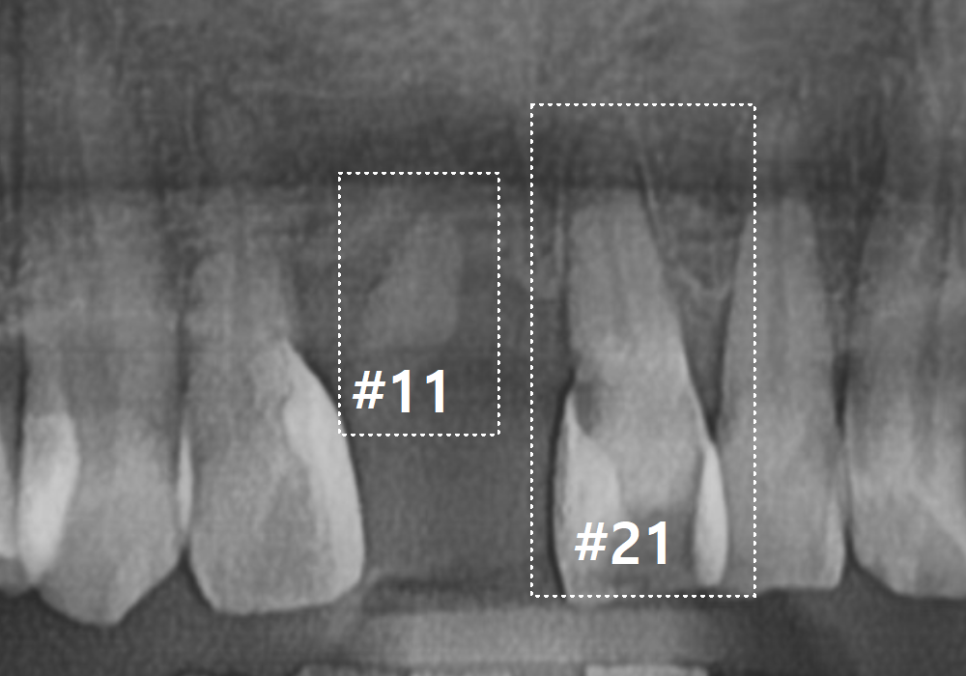
240523
In dental terms, mobility grade 3 means
that the tooth is so loose that it moves not only front to back and side to side,
but also up and down (vertically).
It was also quite deeply affected by decay.
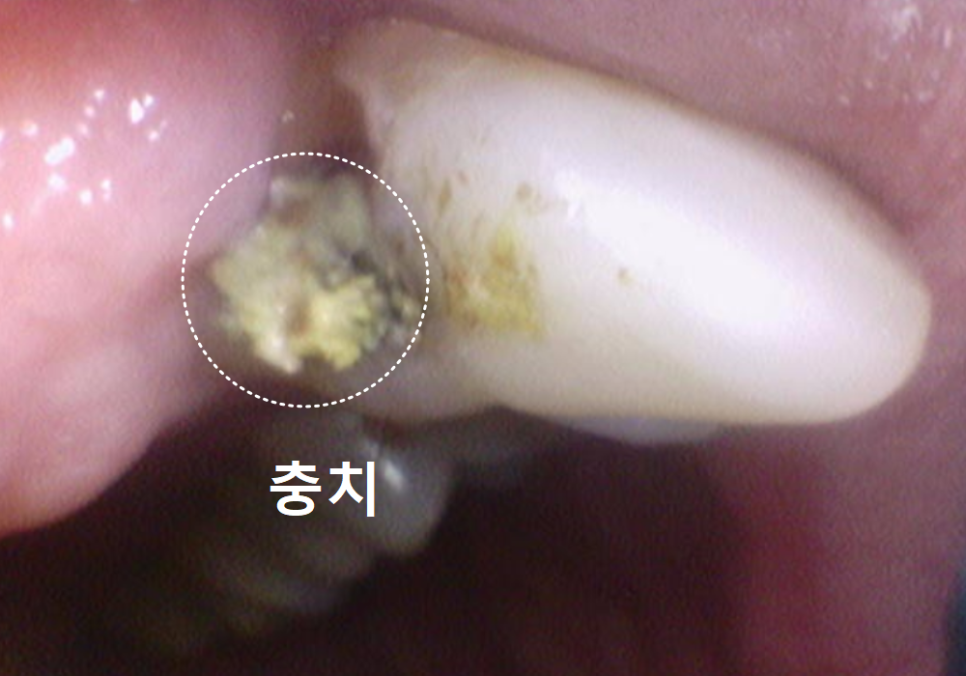
230524
At the stage where the jawbone could hardly
support the teeth anymore,
the tooth left with only the root and the loose tooth
both had to be extracted.
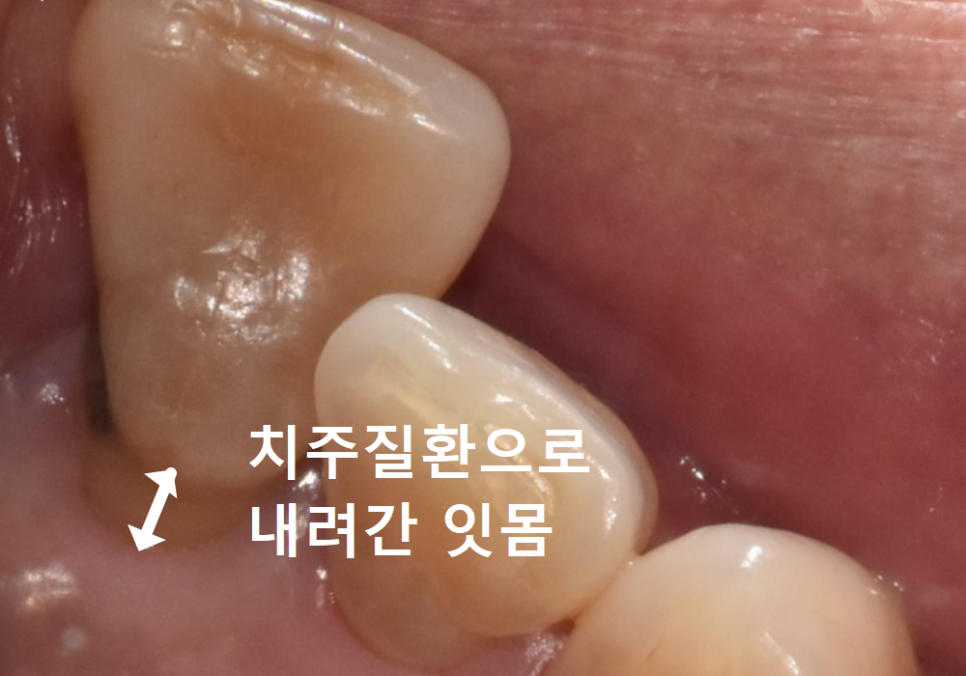
In this patient’s case, even the tooth next to the missing one (#12)
was slightly loose,
so a bridge would have been difficult.
If it had been connected with a bridge,
the weak teeth would not have been able to withstand the chewing force,
and problems would likely have developed quickly.
So we decided to proceed with an implant
that would not affect the surrounding teeth.
Treatment process
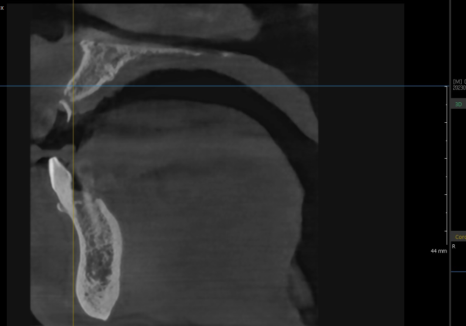
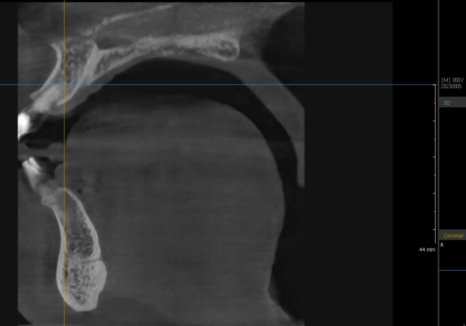
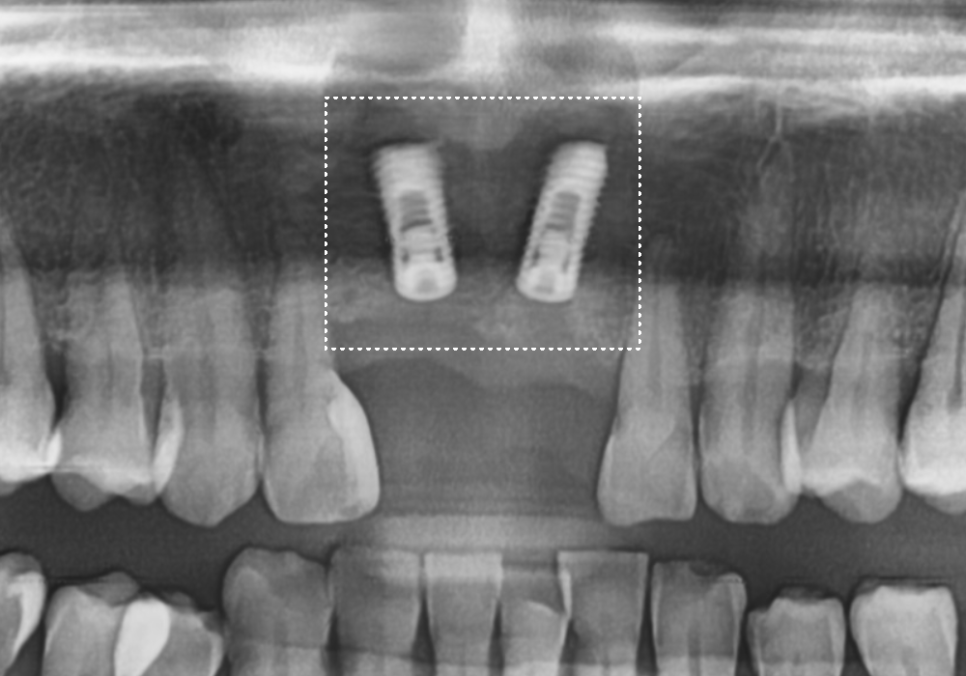
Fortunately, CT analysis showed that
the width and length of the jawbone were sufficient,
so we were able to place the implant immediately on the day of extraction.
 240119
On the day of surgery, we made a temporary front-tooth denture in advance
so that daily life would not be affected.~
This device is for aesthetic purposes
for social life,
so you must be sure to remove it when eating.
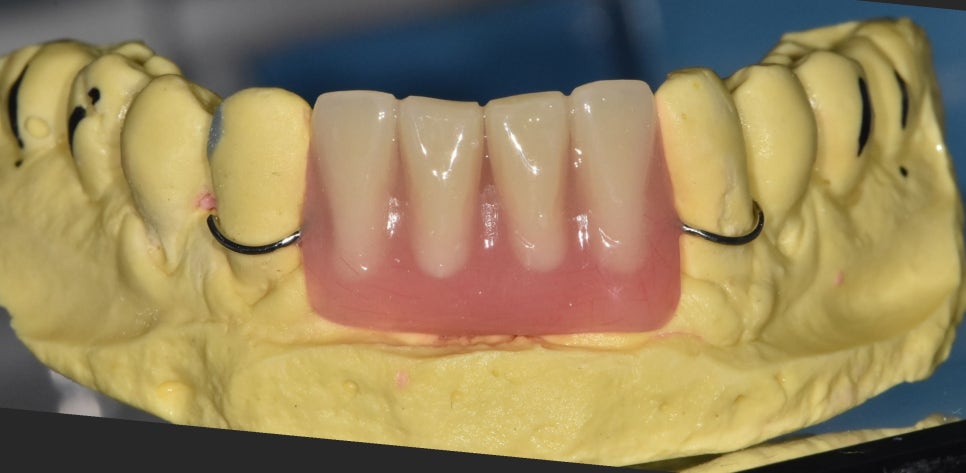
If you eat while wearing the temporary denture,
the implant root that was carefully placed
may not fuse properly and could become loose,
so you need to be careful.~
Treatment results
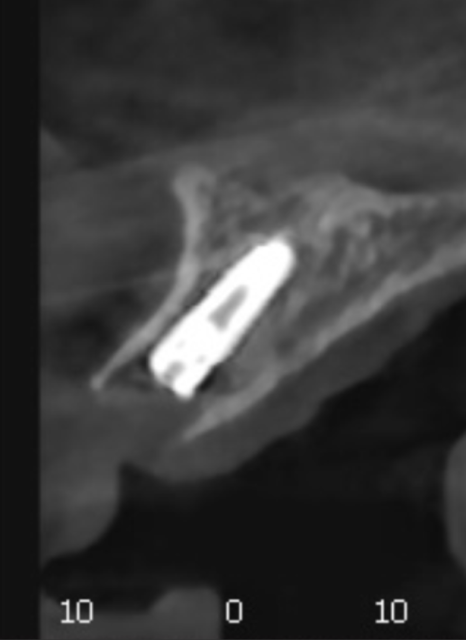
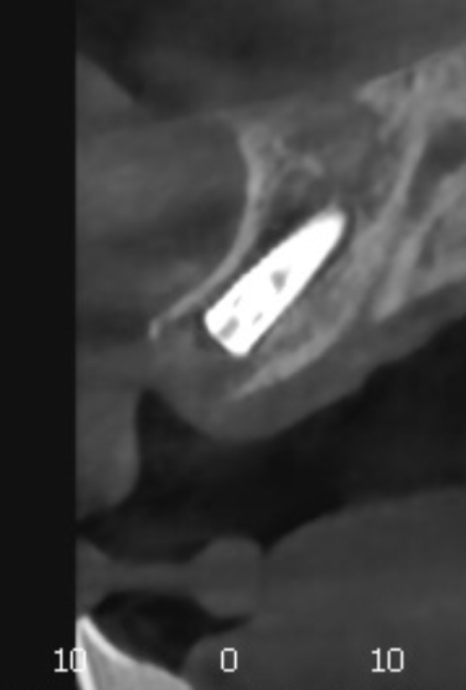
Four months after surgery, we confirmed that the implant and bone
had firmly integrated.
Now we move on to the final step of making
the implant prosthesis.
We do not take impressions with the sticky rubber material
that was commonly used in the past,
but instead use an oral scanner to quickly capture the impression on a computer,
which patients find very comfortable!
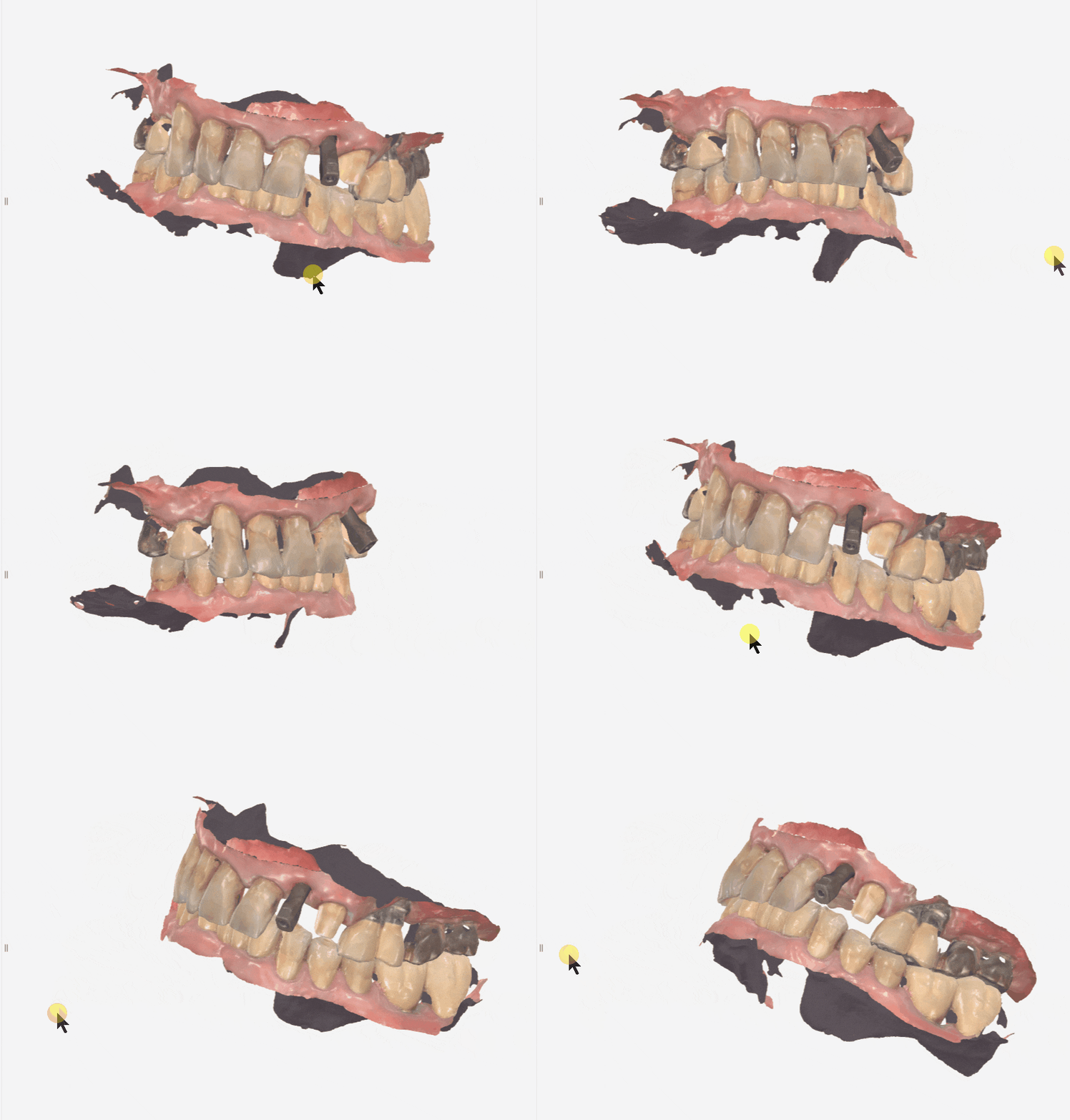
The digitally scanned data is sent to the in-house dental lab,
where the optimal prosthesis is made using that data.
Custom prosthesis design using CAD
When a front tooth falls out, what’s the right choice for me: bridge or implant?
The precise data obtained with the 3D oral scanner
is rendered as a three-dimensional model on the computer.
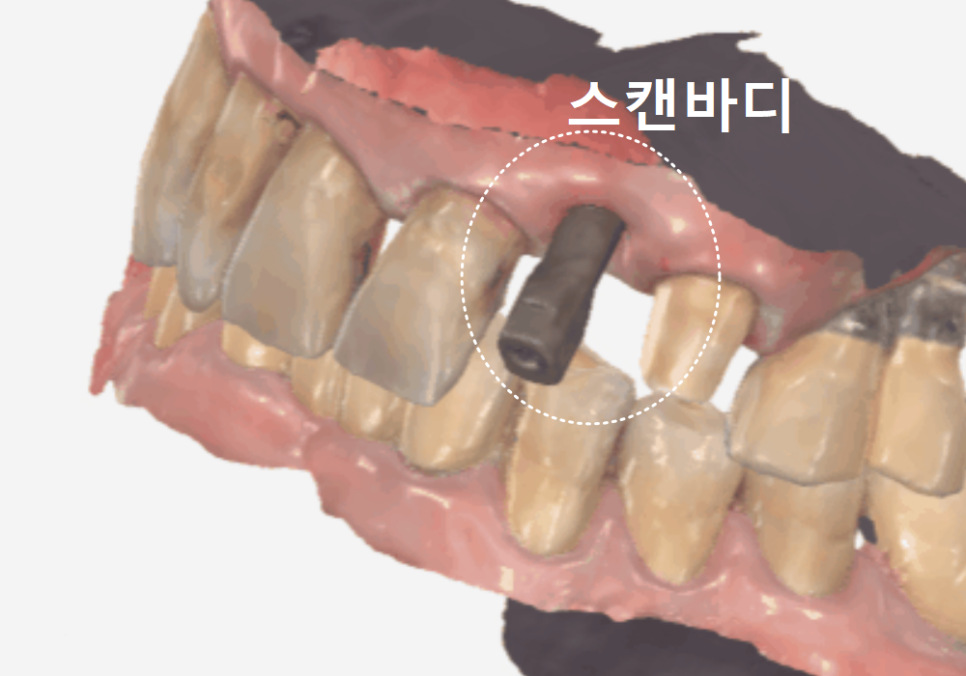
The blue posts you can see in the photo
are called scan bodies,
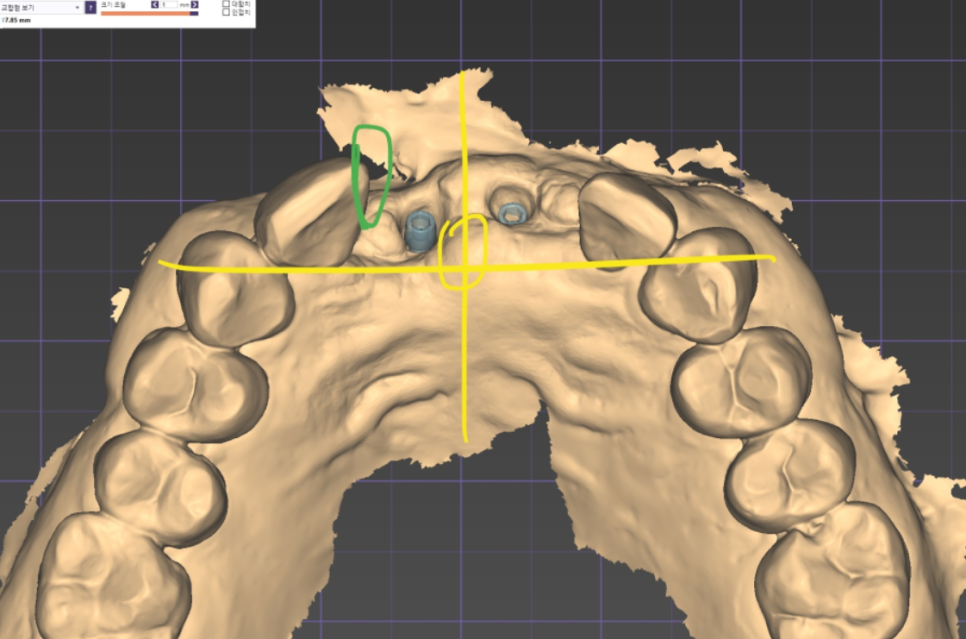
They serve as markers that help the computer accurately recognize
the depth and angle at which the implant is positioned inside the gums.
Based on the digital data obtained this way,
we carefully design a shape that best suits the patient’s facial features
and surrounding teeth.
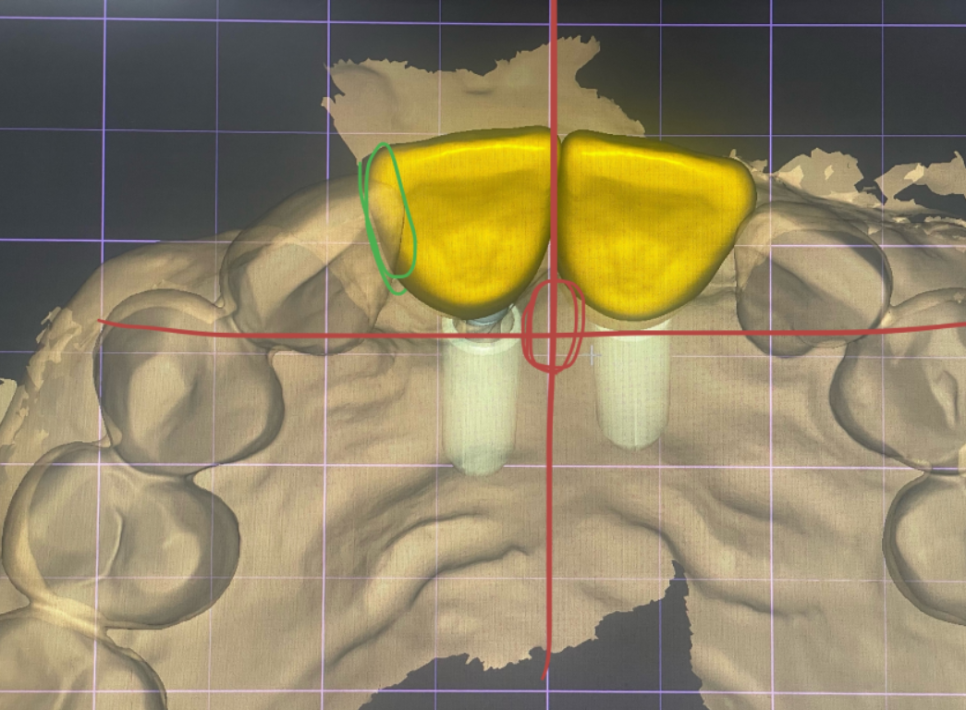
The yellow teeth in the photo
are the design that will become the patient’s new front teeth.
Because symmetry and proportions are finely adjusted on the computer
down to 0.1 mm units,
you can expect a result that looks natural,
like your original teeth, without an artificial feel.
Even if the patient wants the shape adjusted,
they do not need to go through the hassle of taking impressions again.
Because changes can be made immediately using the already saved digital data,
the psychological burden on patients is much lower.
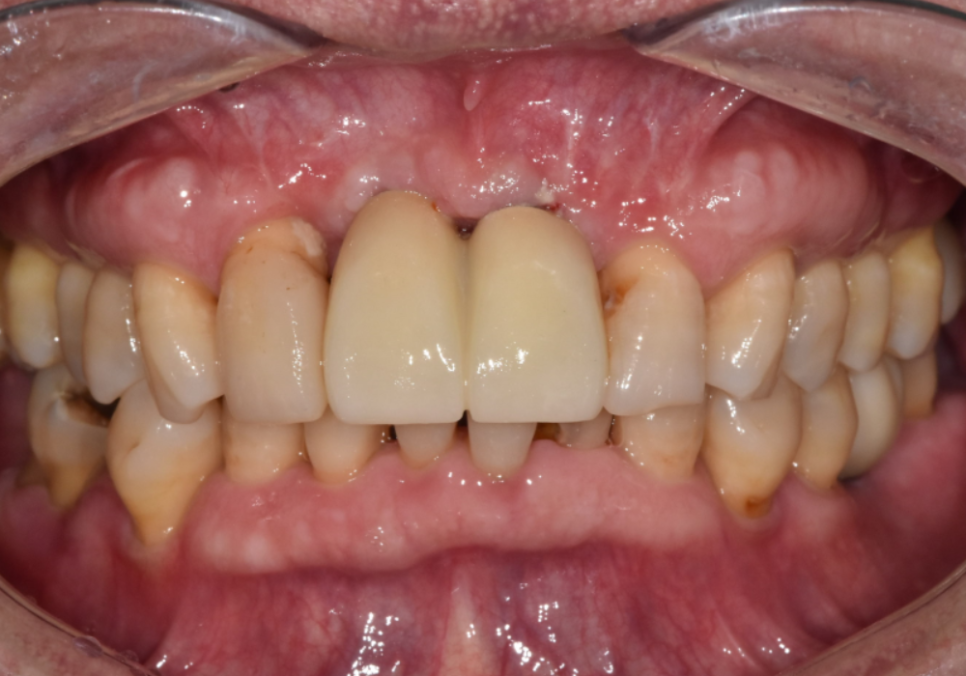 240319
Thanks to the careful and precise digital process,
a satisfying prosthesis was completed.^^
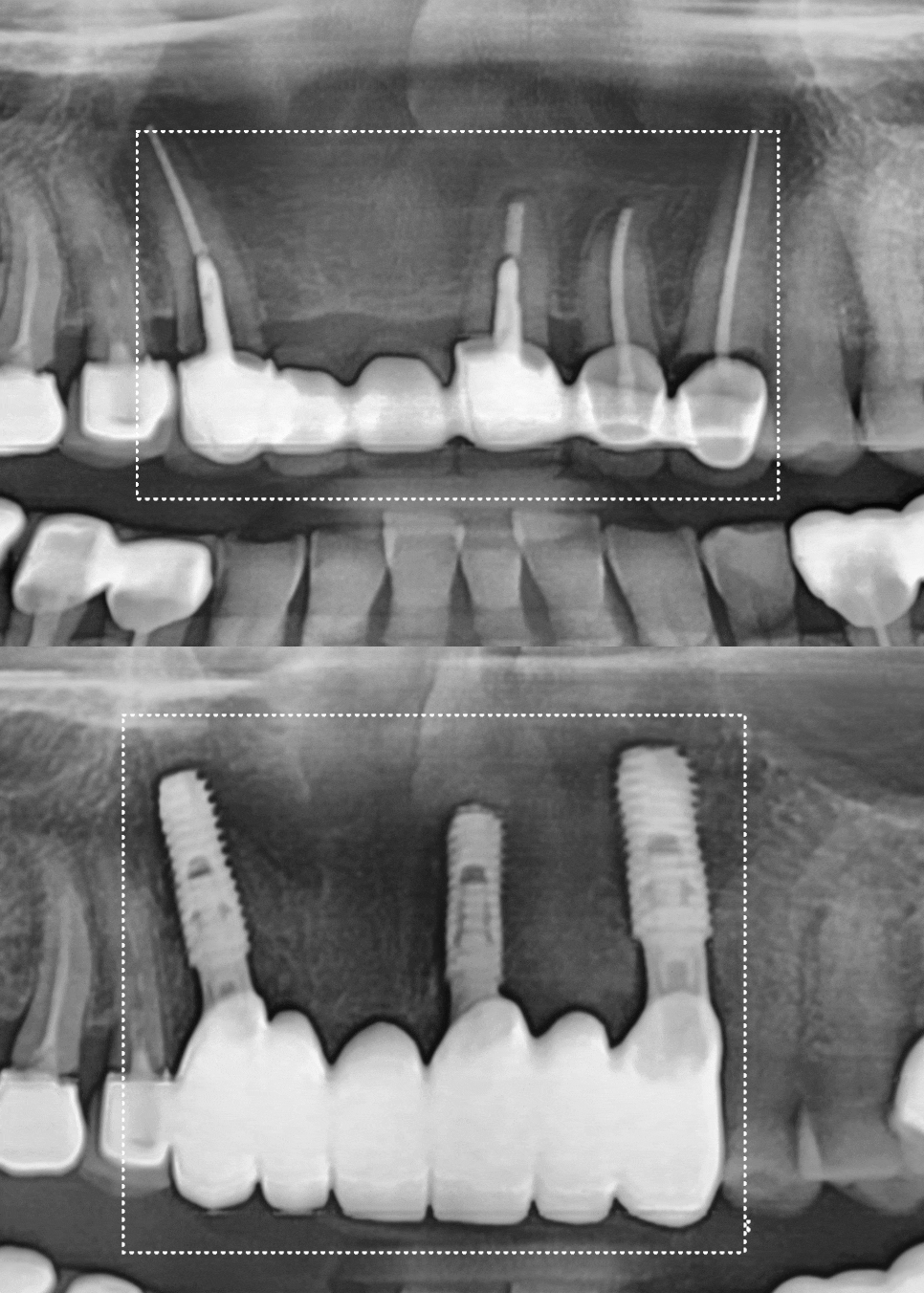 230524 (Before) 240319 (After)
If the missing front tooth area is left untreated,
even the surrounding teeth can weaken like a domino effect,
so it is important to find the method that is right for you before it gets any later.
Above all, because an accurate diagnosis comes first,
if you have been enduring discomfort,
please feel free to visit us anytime.
Thank you.^^
▼Check the dental clinic location▼
When a front tooth falls out, what’s the right choice for me: bridge or implant?
| Go to book a phone reservation |
|---|
| 02-481-4278 |
| This post was written directly by Seoul Bardi Dental Clinic for the purpose of providing medical information in compliance with Article 56, Paragraph 1 of the Medical Service Act’s advertising regulations. The information provided is for reference only, and for an assessment of symptoms and accurate care methods, please visit a medical institution and receive guidance from medical staff. All procedures/surgeries performed at the dental clinic may vary by individual and involve possible risks such as inflammation, bleeding, and swelling. Please make your decision after sufficient consultation with medical staff in advance. The treatment cases in this post were photographed with the consent of patients who completed treatment at our clinic, and the before-and-after photos were taken under the same conditions. |