Hello!
I am the director of Seoul Bardi Dental Clinic.
▼ Check the Dental Clinic Location ▼
| This post was written directly by Seoul Bardi Dental Clinic for the purpose of providing medical information, in compliance with Article 56, Paragraph 1 of the Medical Service Act regarding medical advertising. The information provided is for reference only, and we recommend visiting a medical institution to receive guidance from a medical professional regarding symptom assessment and accurate management methods. All procedures and surgeries performed at the dental clinic may involve individual risks, such as inflammation, bleeding, and swelling. Please make your decision after having a thorough consultation with a medical professional in advance. All images were created using AI to aid understanding. |
This is the question I hear most often during orthodontic consultations.
"I’m concerned that my mouth protrudes.
Do I really need surgery?"
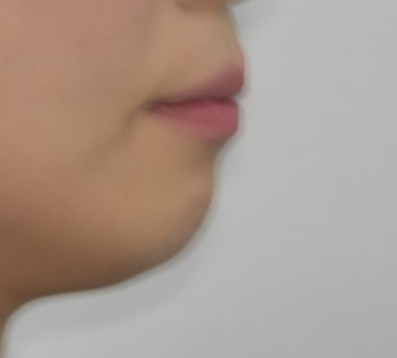
The answer first:
In most cases, orthodontic treatment alone is sufficient.
However, the amount of retraction is limited by specific figures.
Today, I’ll explain what those figures are and why surgery may be discussed in some cases, together with the supporting evidence.
| Chapter 1. There Are Different Types of Protruding Mouth |
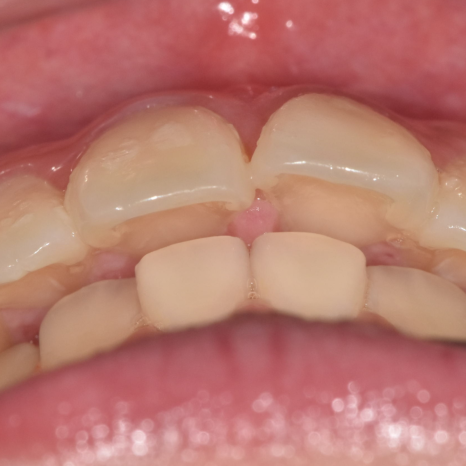
A protruding mouth is not simply a problem with the lips.
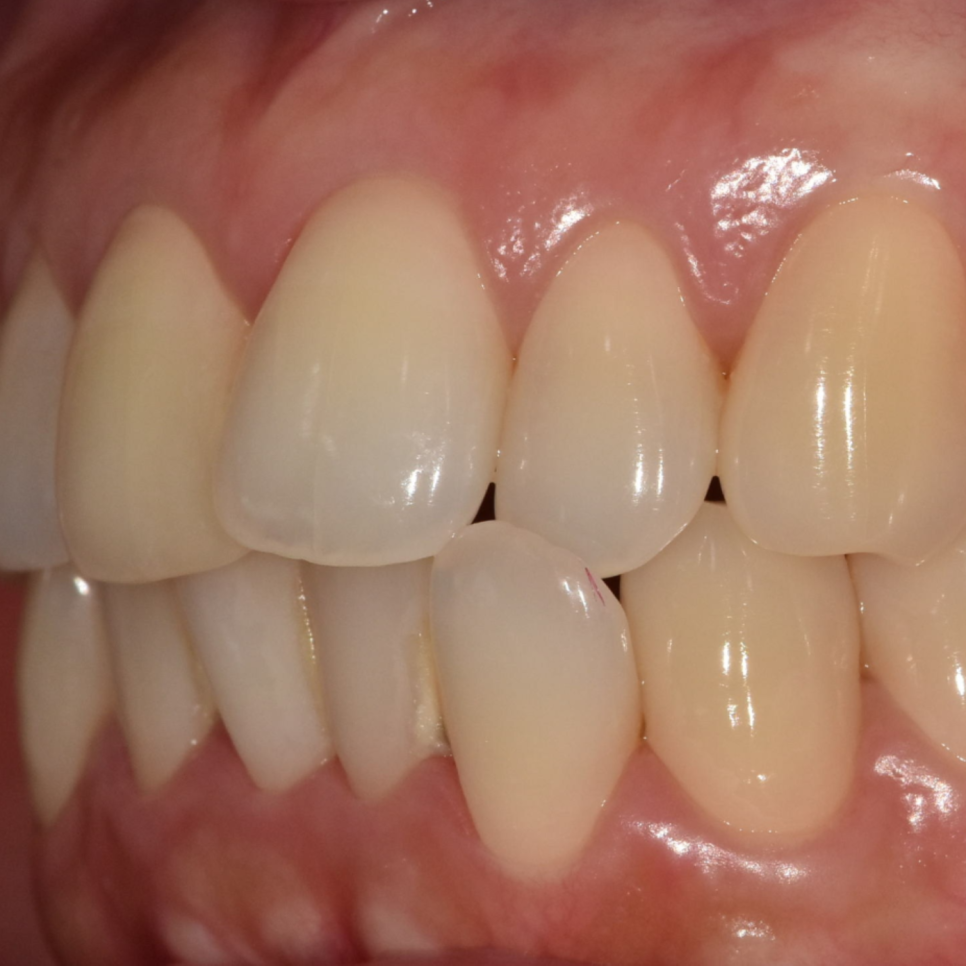
The position of the upper and lower jaws,
the degree to which the teeth are inclined,
and the balance between the nose and chin
must all be considered together.
There are two broad categories.
One is dentoalveolar protrusion.
The positions of the jawbones are within the normal range,
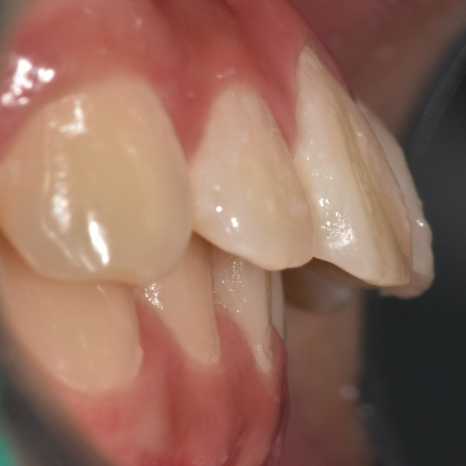
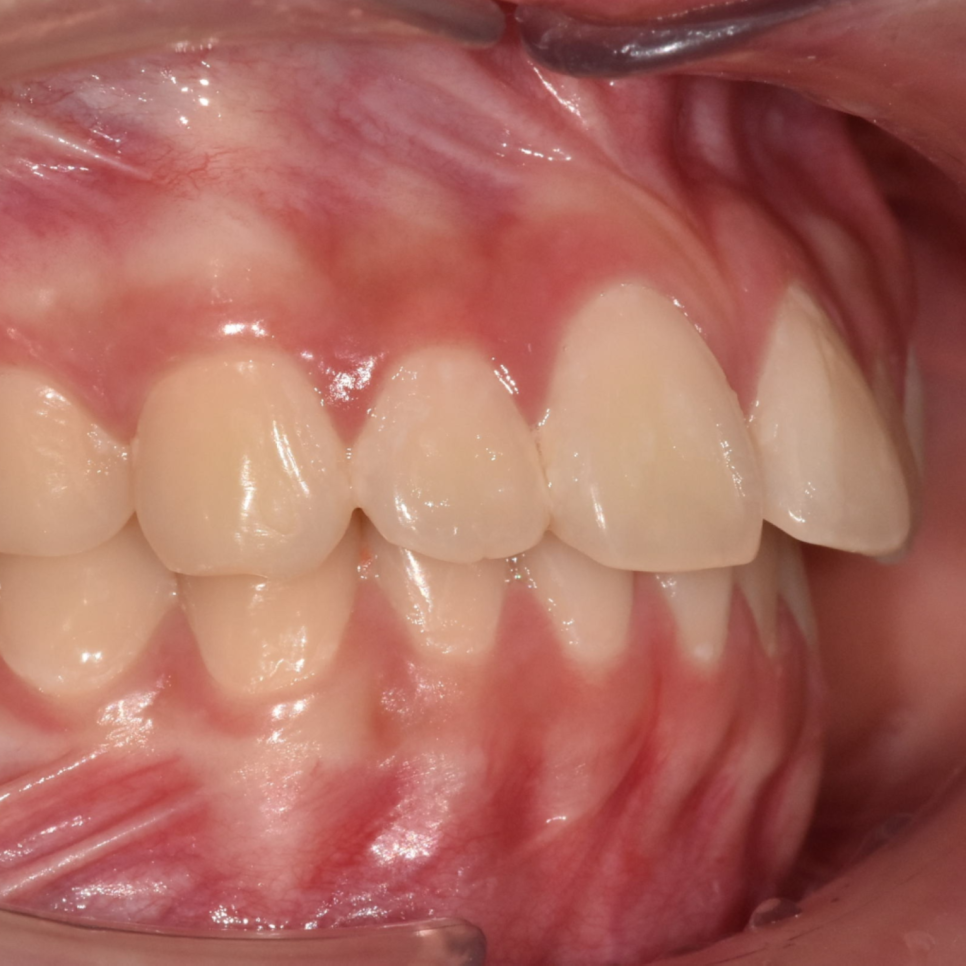
but the upper and lower front teeth are inclined forward,
pushing the lips outward.
In the literature,
this is defined as a problem involving the teeth and alveolar bone.
This means that the jawbone relationship itself is normal.
(Angle Orthodontist, bimaxillary dentoalveolar protrusion)
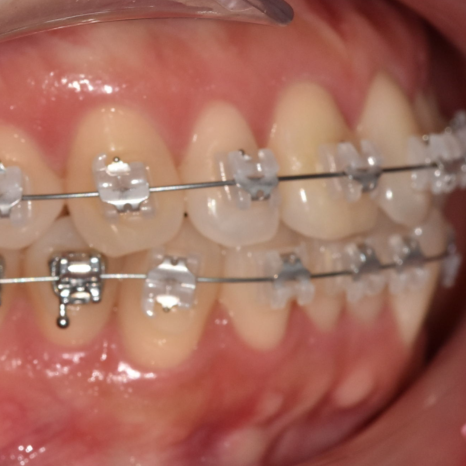
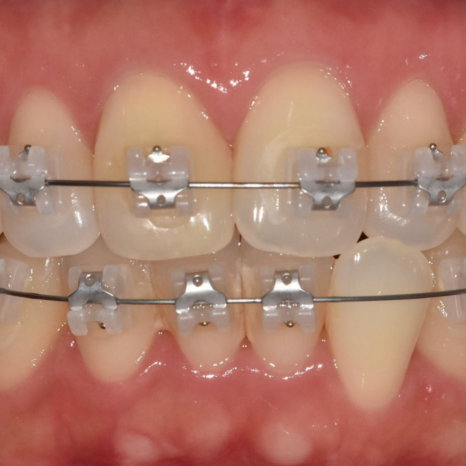
The other is skeletal protrusion.
The upper jawbone itself may project forward,
or there may also be an underbite, facial asymmetry,
or an open bite.
These two types may look similar externally.
However, the treatment methods are completely different.
As a self-check, you may notice signs such as these:
Whether your lips do not close comfortably
and remain slightly parted,
whether the profile from beneath the nose to the chin
does not form a smooth line,
and whether both the upper and lower front teeth
appear to be tilted forward.
However, these are only signs that may warrant further evaluation.
| Chapter 2. How Much Retraction Is Possible with Orthodontics Alone? |
This is the key point of this post.
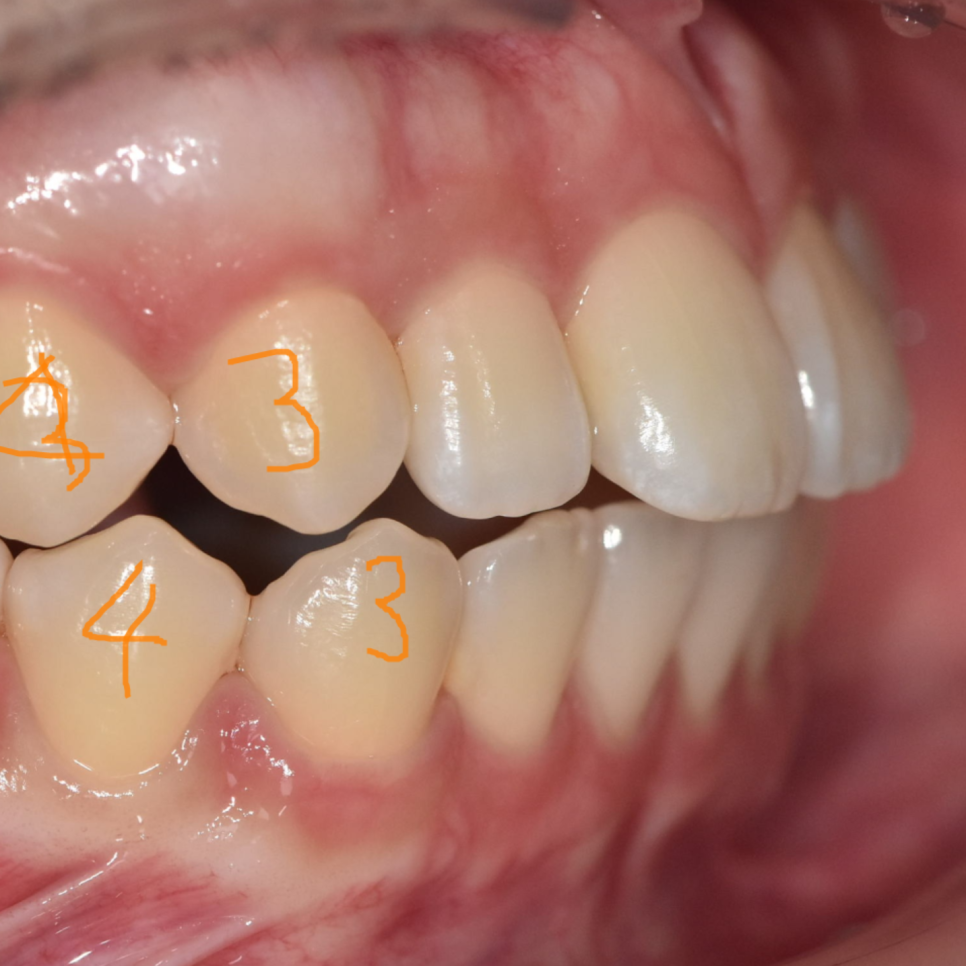
When studies involving adults with protruding mouths who had four premolars extracted and their front teeth moved backward are reviewed together,
the upper lip retracted by 2.0 to 3.2 mm,
and the lower lip by 2.0 to 4.5 mm.
(Review of the literature on soft-tissue changes after anterior tooth extraction)
One representative study reported 2.4 mm for the upper lip and 3.0 mm for the lower lip.
(Angle Orthodontist)
In other words, the range that can generally be expected from orthodontic treatment is
approximately 2 to 4 mm.
You may consider this a large amount
or a small amount.
The important point is that this is a limitation.
The maximum change that can generally be achieved by moving the teeth is about this much.
Even if the front teeth are moved back by 5 mm,
the lips may retract by only 2.4 mm.
This is a common misunderstanding.
Many people think that
if the front teeth move back by 5 mm,
the lips will also move back by 5 mm.
In the study mentioned earlier,
the upper front teeth were moved back by 5.2 mm,
and the lower front teeth by 3.2 mm.
However, the upper lip followed by only 2.4 mm.
In terms of the ratio, this was approximately 2.2 to 1.
This means that the front teeth need to move back 2 mm
for the lips to move back by 1 mm.
The lips consist of muscle and fat tissue,
so they do not follow the teeth or bone exactly.
And there are substantial individual differences in this response.
That is the conclusion of the literature review.
Lip protrusion improved,
but the change was not large,
the profile did not change dramatically,
and there was considerable variation from person to person.
Even when people with thin or thick lips,
or different levels of lip-muscle tension,
have their front teeth moved back by the same amount,
the results may differ.
Therefore, it is difficult to promise in advance
that the lips will retract by a specific amount.
| Chapter 3. When Is Surgery Necessary? |
No matter how much the teeth are moved,
the jawbones themselves cannot be repositioned through orthodontics alone.
If the upper jawbone itself projects significantly,
then even if the front teeth are moved back as far as possible,
the lips may move back only about 2–4 mm.
If the amount of improvement originally needed is greater than that,
this may not be sufficient.
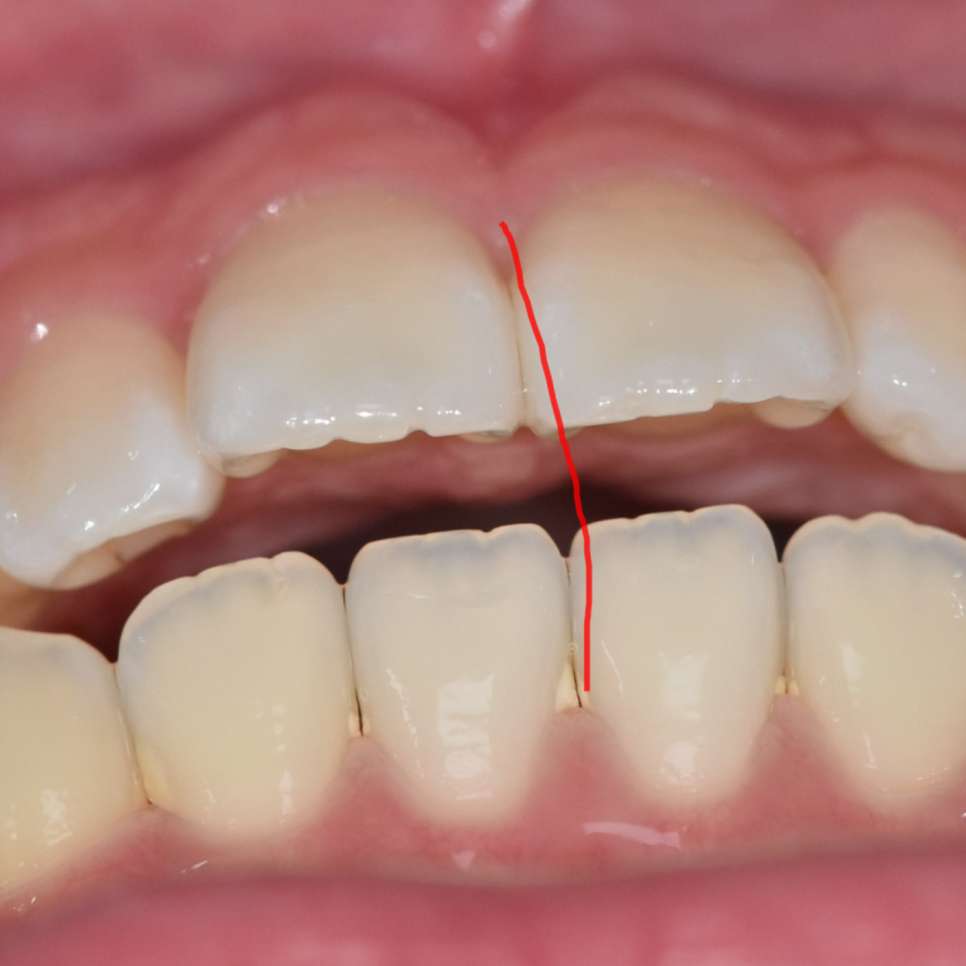
Cases involving an underbite, facial asymmetry,
or an open bite also cannot be resolved with the teeth alone.
In such cases, a combination of corrective jaw surgery and orthodontic treatment may be considered.
However, there are options here as well.
If surgery feels burdensome,
another approach is to improve the condition as much as possible with orthodontic treatment alone.
Many people in fact need to postpone surgery because of their academic or employment schedules.
In that situation, it is best to make a decision after first understanding
that the achievable range is about 2–4 mm.
If you begin treatment without knowing what to expect,
you may be disappointed afterward.
Photos alone cannot provide the answer
Many people send profile photos
and ask whether treatment is possible without surgery.
However,
it is difficult to make that determination from photos alone.
This is because, even in the same profile view,
it is not possible to distinguish externally
whether the appearance is caused by forward-tilted front teeth
or by projecting jawbones.
A lateral cephalometric radiograph is needed to measure
where the upper and lower jaws are located in relation to the skull.
It is also necessary to assess how many degrees the front teeth are tilted,
what the lip thickness is,
and whether there are any problems with the temporomandibular joints.
This examination is the basis for determining
whether the condition is dentoalveolar or skeletal in origin.
That assessment determines everything:
whether extractions should be performed,
whether surgery should be discussed,
and how much improvement can realistically be expected.
< If you are planning to start orthodontic treatment, read this first ↓↓>
In closing
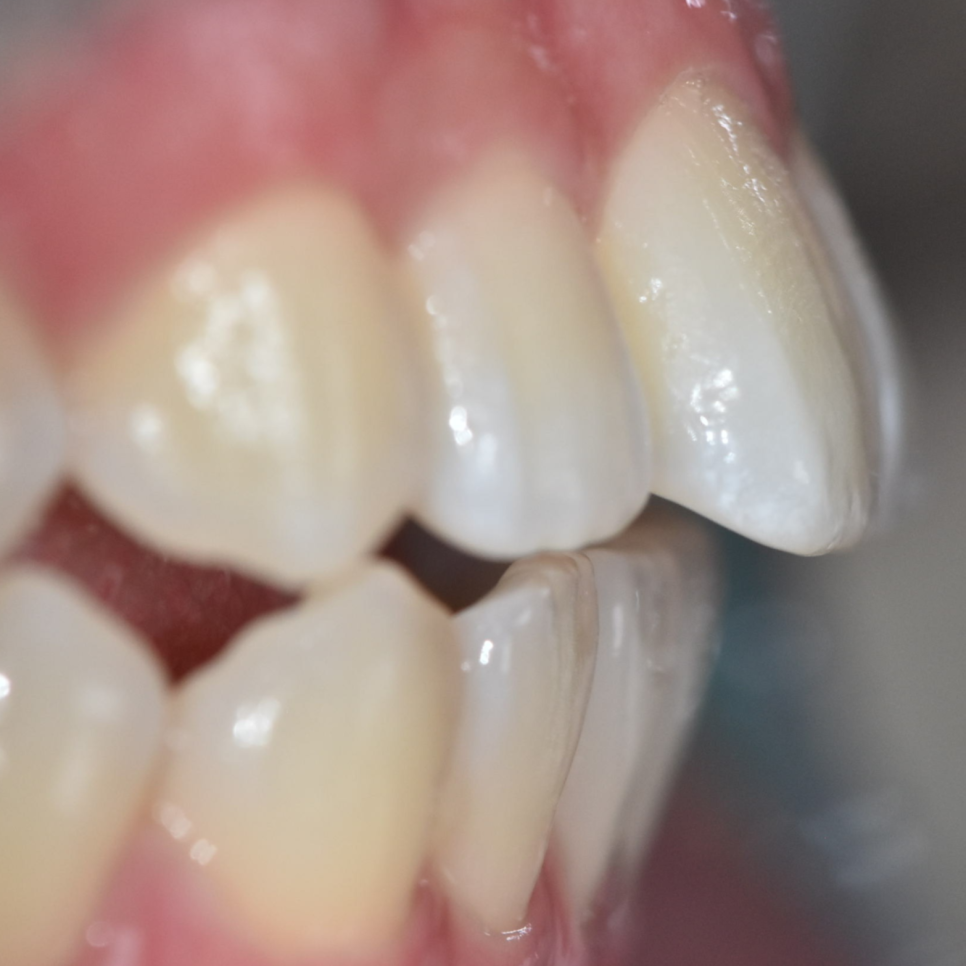
Today, we discussed protruding mouths.
A protruding mouth may be caused by tilted front teeth
or by the jawbones themselves projecting forward.
If the problem is with the front teeth,
it can often be addressed with extraction orthodontics,
and the expected change in that case is
approximately 2–4 mm.
Even if the front teeth are moved back by 5 mm,
the lips may follow by only about 2.4 mm,
with individual variation in the response.
Whether surgery should be discussed depends on
whether this range of improvement is sufficient.
The first step is to determine which type applies to you.
I look forward to seeing you at the clinic!