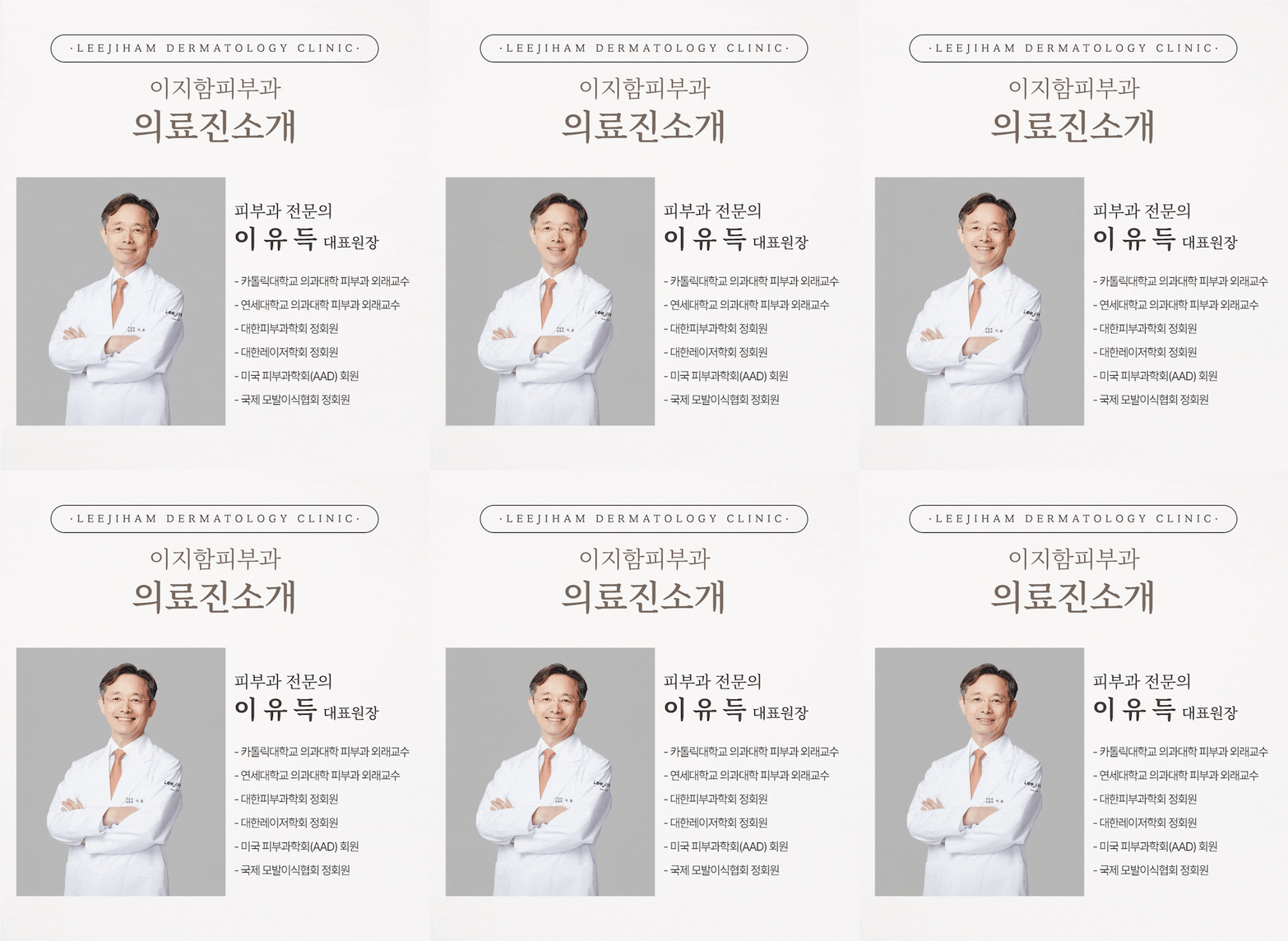
[Dermatologist Lee Yudeuk]
Hello,
A place that creates a comfortable face,
rather than excessive change.
This is Ijiham Dermatology.
To those who feel heavy-hearted every time they look in the mirror.
When you look in the mirror in the morning, are the uneven traces on your face the first thing you notice? Do you worry about the skin surface that still shows through again over time, even when you try to cover it with makeup? Acne may already be gone, but the traces left behind often trouble your mind for much longer.
For those dealing with these concerns, I would like to share something helpful today as a dermatologist at Gangnam Station.
'A beauty consultation that is beneficial'
I am dermatologist Lee Yudeuk.
A place that creates a comfortable face rather than excessive change.
Because every skin is different,
we place importance on providing
a diagnosis and solution
that suits each person’s skin.
Not long ago, a person in their late 20s
came to the clinic.
They carefully pointed to their cheeks and
jaw area and said,
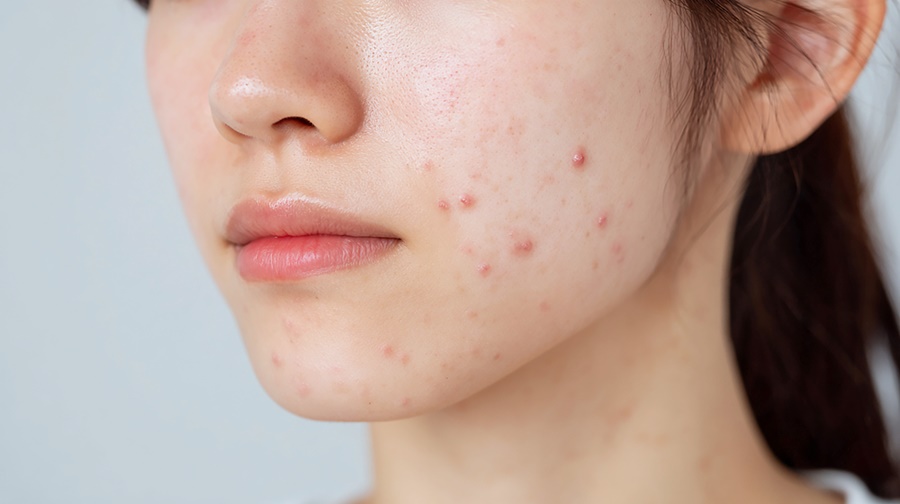
There were deep and shallow pitted marks
and an uneven skin surface
that stood out.
They said they had struggled with acne
since high school, and although the acne
itself had calmed down,
the remaining traces had stayed the same
for years.
 Why do these traces that cannot be erased form?
Acne scars are traces that form when acne
progresses deeply and damages the dermis.
Our skin is made up of the epidermis, dermis,
and subcutaneous fat layer. When acne destroys
collagen and elastin in the dermis,
the skin cannot return to its original state
and remains as a scar.
The shapes of scars also vary.
There are ice pick scars, which are deep and
narrow, like they were punctured with a spike;
rolling scars, which are rounded and sunken;
and boxcar scars, which are indented in a
more angular shape.
It is common for one person’s face to have a
mix of several types of scars, and these scars
do not naturally return to normal over time.
As a dermatologist at Gangnam Station, I have
met many people with these concerns, so I
understand well that an appropriate approach is
needed.
A method that combines three approaches
I explained the CLO scar restoration method to
that patient.
This method uses chemical treatment, laser
application, and surgical approaches at the same
time to address various types of scars all at once.
As a dermatologist at Gangnam Station, I have
seen that a single method has limitations when it
comes to complex scar problems.
First, the chemical treatment is a method called
CROSS, in which a chemical agent called TCA is
applied directly to the scar area to stimulate the
fibroblasts in the dermis.
This increases the synthesis of collagen and
elastin, helping to fill in sunken areas.
The laser application uses a fractional laser to
create thousands of microchannels, stimulating
the dermis and inducing collagen synthesis.
The surgical approach involves procedures such
as dermabrasion and punching to release the
fibrotic bands that pull on the skin beneath the
scar tissue.
Daily care is just as important as the method
Daily care is also important.
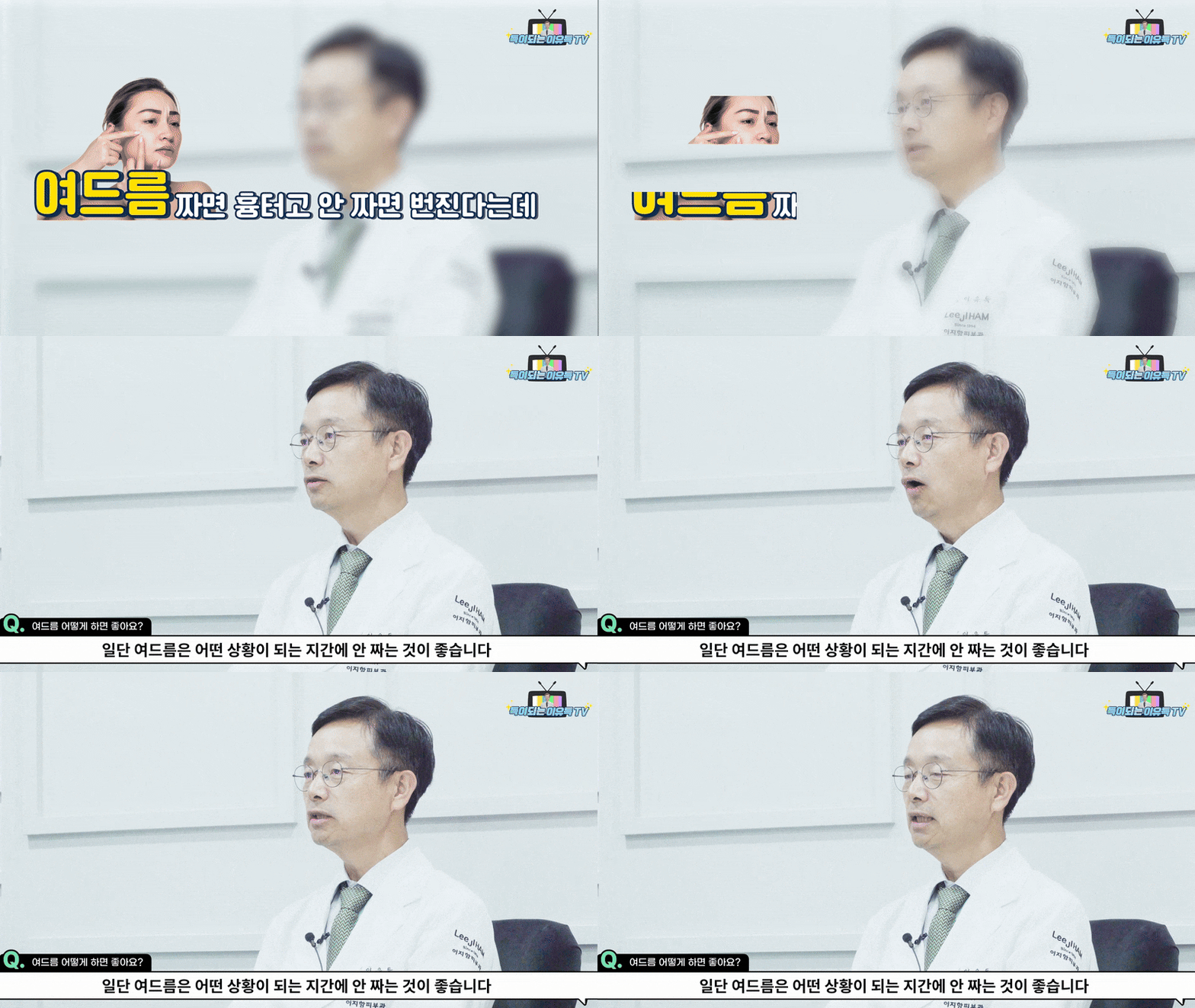
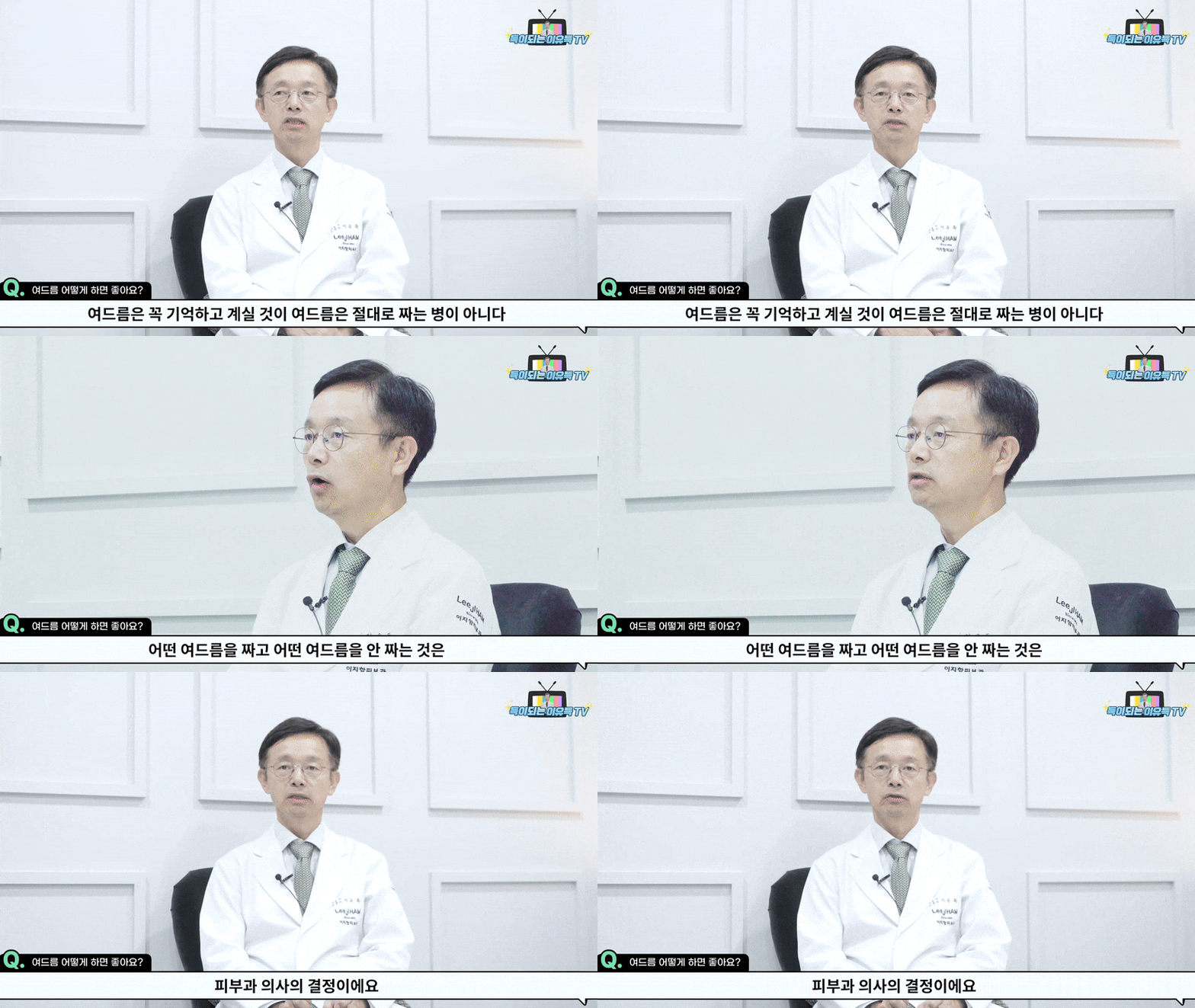
First of all, when acne appears, not squeezing or
touching it with your hands is the first step in
preventing scars.
Your hands carry many invisible bacteria, which
can worsen inflammation, and pressure can cause
deeper damage to the dermis.
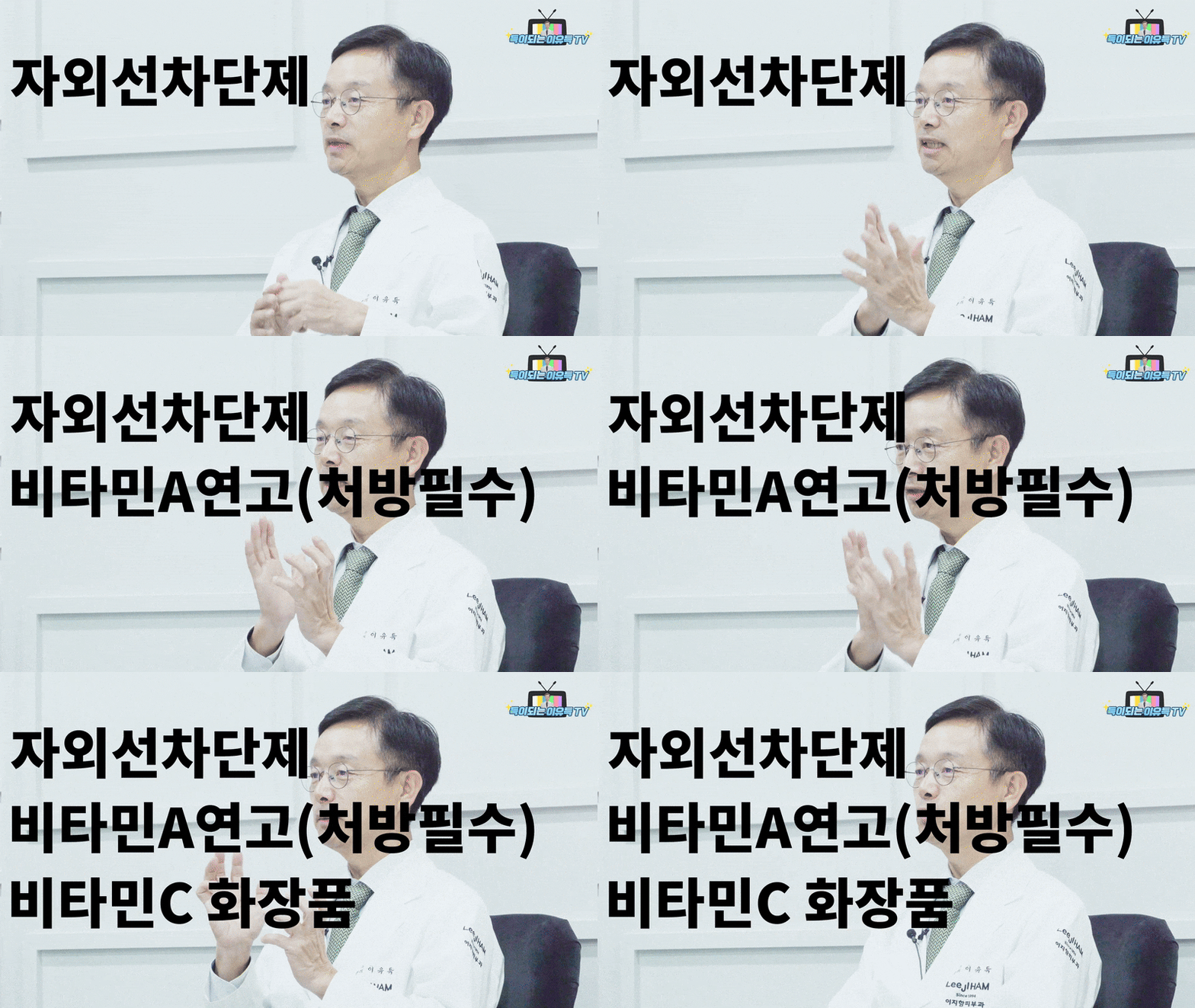
Sun protection is also essential.
Sunlight irritates inflamed areas, causing
pigmentation and making scar areas appear even
more prominent.
It is best to use sunscreen with SPF 50 or higher
every day and reapply it every 2 to 3 hours.
Drinking enough water and getting regular sleep,
which help skin regeneration, are also important.
Foods rich in vitamin C help collagen production
and, through their antioxidant effects, have a
positive impact on skin recovery.
Above all, it is important to accurately understand
your current skin condition through consultation
with a dermatologist at Gangnam Station and
find the method and care that suit you.
What to know during the recovery process
The CLO scar restoration method may have
different recovery periods and processes
depending on the individual’s skin condition.
In general, it is carried out over multiple sessions,
checking the skin’s response at each session
as it progresses.
However, because everyone is different, the same
results cannot be guaranteed for everyone.
After the procedure, temporary redness or flaking
may occur, and this is part of the skin’s normal
restoration process.
Sun protection and moisturizing care are
important, and it is best to follow the medical
staff’s instructions.
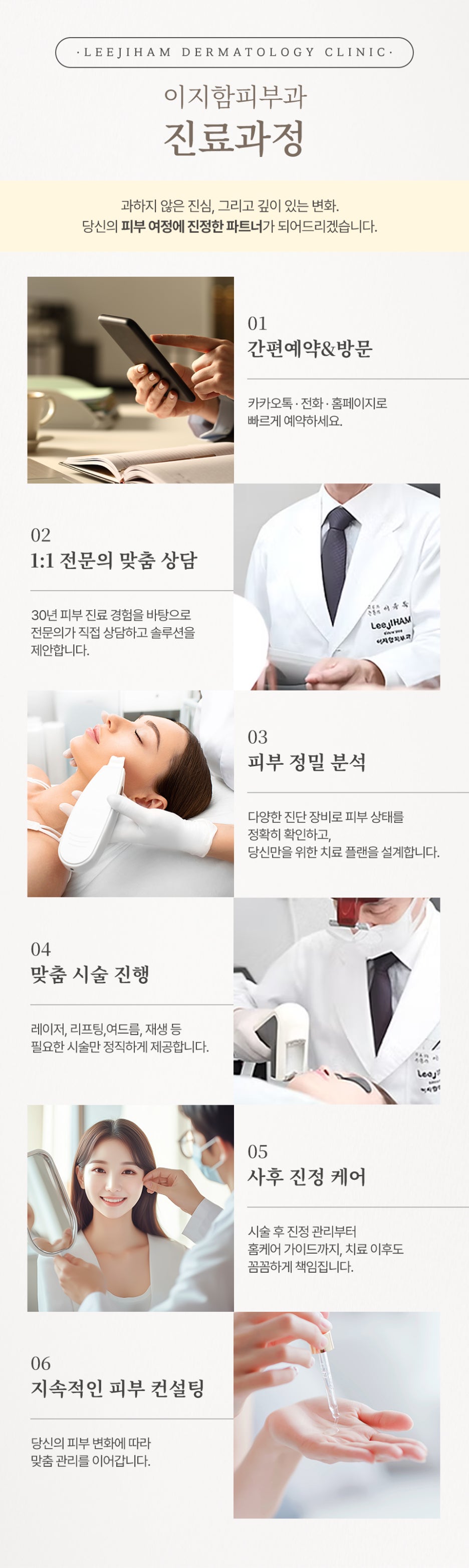
Our treatment approach is to carefully examine
each patient’s skin condition and proceed at a pace
that suits each person.
Bringing the answer that suits each person’s skin

There is something I want to be sure to say to
those who are worried about acne scars.
Scars do not naturally return to normal over time,
but with the proper method, it is possible to expect
positive changes.
However, just as every skin is different, the method
and the period of treatment also differ from person
to person.
We consider it important to provide not just a
simple procedure, but a diagnosis and solution that
suits each person’s skin.
Building a trustworthy relationship over time,
rather than through a single visit, is the treatment
philosophy we pursue.
If acne scars make you afraid to look in the mirror
and lower your confidence in daily life, do not
worry alone. Through honest treatment and
proven methods, we hope you will find the answer
together with us.
To become the first name you think of when skin
concerns arise,
as a dermatologist at Gangnam Station, I will
continue to stand by you without change.