Hello, this is Lee Jiham Dermatology Gangnam Branch.
When I look at the faces of the people who open the clinic room door and come in, I can more or less guess what concerns they are carrying. But the people who visit us for facial flushing are a little different. That is because the psychological distress they experience in daily life is greater than the fact that their face turns red itself. Every time I hear someone say, "I'm afraid people will think I'm drunk," or "When I get nervous, my face turns red, so meetings scare me," I am reminded once again that this symptom is not just a skin problem.
A patient in her mid-30s came into the clinic room. Even at first glance, both cheeks and the area around the nose looked especially red. The patient began speaking cautiously. "Doctor, I wasn't originally someone whose face was this red. In my 20s, people used to say I had fair skin. But at some point, my face kept turning red, and now it gets this red even when I do nothing." Her voice carried frustration and sadness.
As I listened, she said that at first her face would only turn red temporarily when she was nervous or in a hot place, but it gradually became worse. Now, even if the indoor temperature rises a little, if she eats spicy food, or even for no reason at all, her face feels hot and turns red. "Even if I try to cover it with makeup, it shows right away. Every time I meet people, they ask, 'What's wrong with your face?' so now meeting people itself is stressful." The patient’s concern went beyond appearance and was affecting her entire daily life.

What is facial flushing?
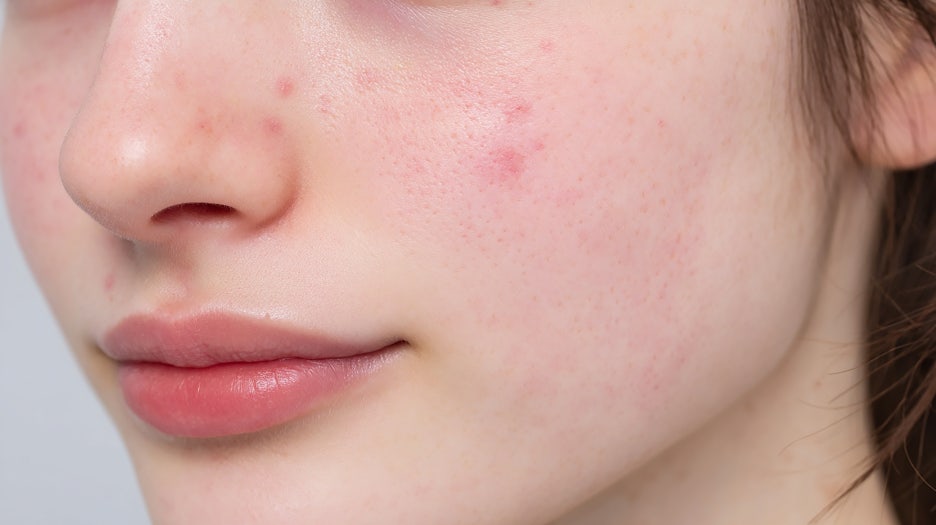
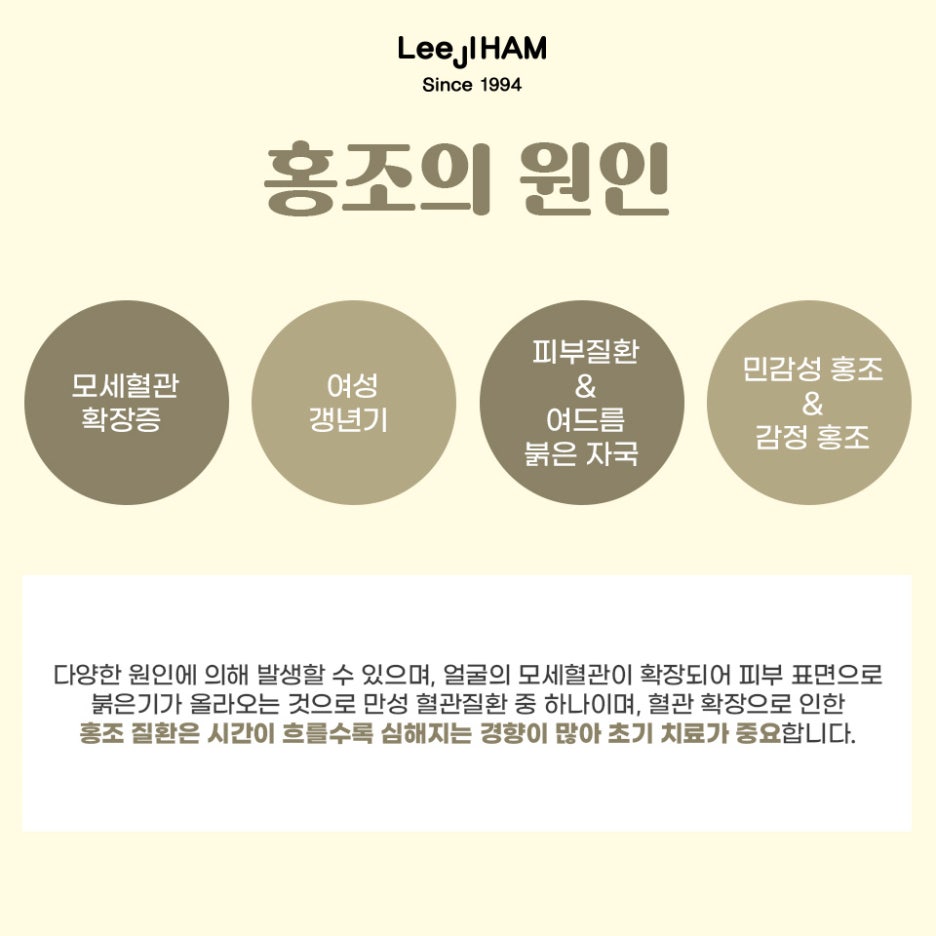
Shin Nonhyeon Station rosacea is a symptom in which the blood vessels in the face abnormally expand, causing the skin to appear persistently red. There are countless tiny blood vessels distributed throughout our faces like a net. In normal cases, these blood vessels expand only when needed and then contract again to do their job.
However, in people with facial flushing, once these blood vessels expand, they are unable to return to normal. As the elasticity of the blood vessels decreases, they no longer recover to their original state, like a stretched rubber band. It mainly appears on the cheeks, nose, forehead, and chin, and sometimes extends to the neck as well. When the symptoms become severe, the blood vessels may be visible like fine capillaries, and a hot, stinging sensation may accompany the skin.
The causes are varied. Long-term exposure to ultraviolet rays, excessive drinking and smoking, stress, and hormonal changes all act together. Repeated exposure to very hot or cold environments, and the habit of frequently consuming spicy foods or hot drinks, also have an effect. In some cases, genetic factors play a role as well, and it is common for someone in the family to have similar symptoms.
So can it be treated?
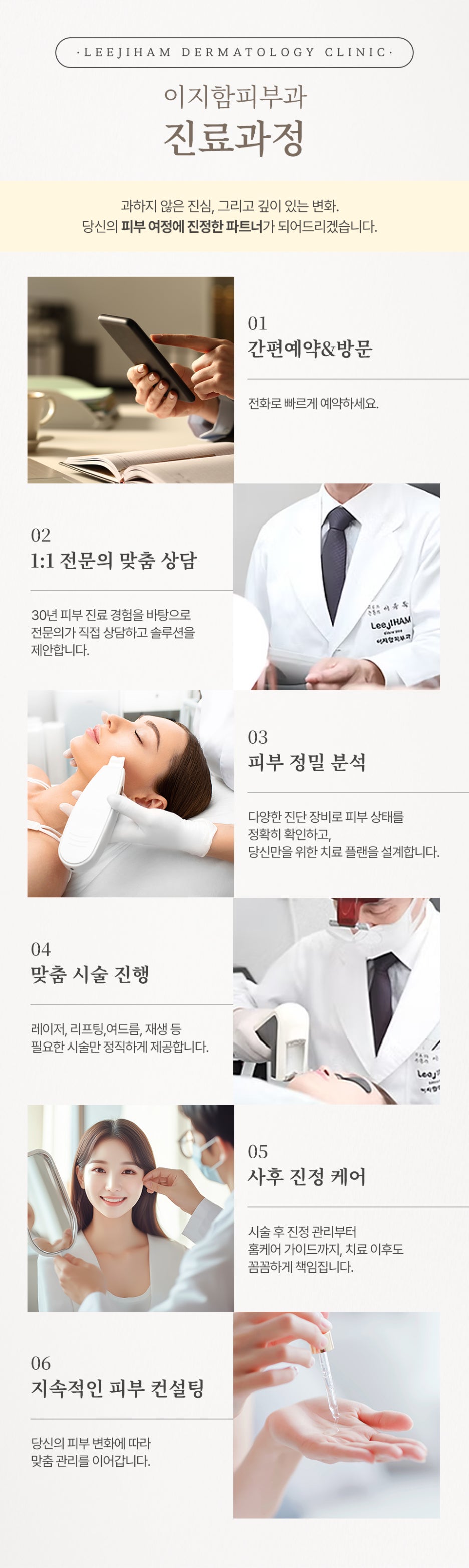
This was the part the patient was most curious about. As I examined the patient’s skin condition in detail, I continued explaining. "Yes, it can be treated. However, accurately understanding your skin condition is the most important thing."
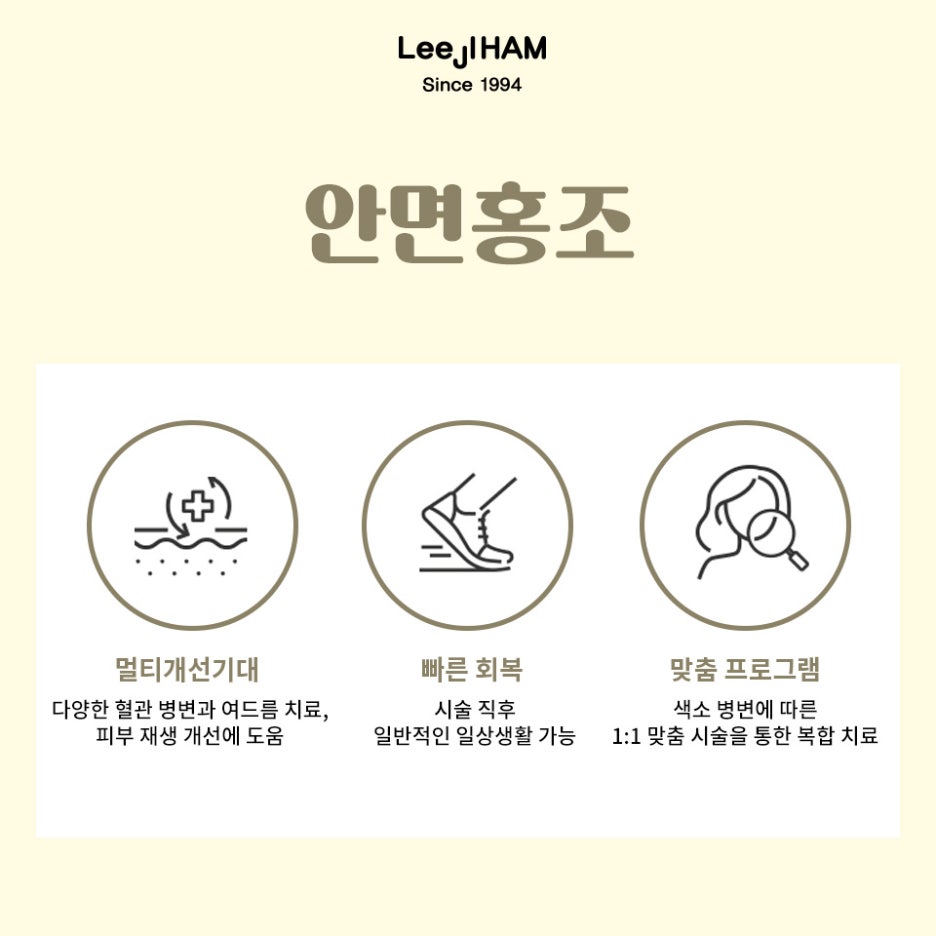
The advantage of this treatment is that it is effective not only for vascular lesions, but also for redness from acne marks and for improving overall skin tone. The procedure itself takes about 30 minutes, so it is not long, and the recovery period is short, so it does not greatly interfere with daily life. However, one session is not enough to solve everything. Usually, satisfactory results require about 5 to 10 sessions at intervals of 2 to 4 weeks.
The treatment plan varies depending on the degree of flushing and the depth of blood vessel expansion. In some people, only the blood vessels close to the epidermis are expanded, so improvement can be achieved with relatively few sessions. But if the blood vessels are expanded deep within the dermis, a more long-term approach is necessary. That is why, during the first consultation, the process of precisely diagnosing the skin condition is very important.
Now I think I can see some hope
After several months of treatment, there was a clear change in the patient’s face. The redness in both cheeks had eased significantly, and the visible capillaries had noticeably decreased. Most of all, the patient’s expression had changed. "Doctor, a friend I met after a long time said my face looked much better. Every time I look in the mirror, I feel like my old self is gradually coming back, so I’m happy."
I gave the patient this advice: "You’ve improved a lot, but continued care will still be needed going forward. Please be diligent with sun protection and try to avoid things that irritate your skin as much as possible. And if the symptoms seem to worsen again even a little, please come back right away for a consultation."
Shin Nonhyeon Station rosacea is not simply a symptom of facial redness. Behind it, there are many difficulties such as psychological distress, inconvenience in daily life, and reduced confidence. So when treating it, we should not focus only on reducing redness, but also think about the patient’s overall skin health and quality of life.
Understanding yourself well is the beginning
The most important thing in treating facial flushing is accurately understanding your own skin condition. You need to identify what causes the flushing, in what situations it worsens, and which parts of your lifestyle may be contributing to the problem. This is exactly the reason for "understanding yourself well," which I mentioned in the title.
Even for the same condition of facial flushing, the cause, severity, and triggers differ from person to person. For some, stress is the main cause; for others, changes in temperature have a greater effect. That is why a one-size-fits-all treatment is not enough, and customized treatment and management suited to each person’s situation are needed.
We believe that dermatology care is not simply treatment, but a process of completing your beauty. Most important of all are natural results that are not excessive, and long-term trust. Every skin is different. Our philosophy is to provide not simple procedures, but diagnosis and solutions tailored to each person’s skin.
To those who are struggling with Shin Nonhyeon Station rosacea, I would like to say this. Please do not worry alone, and begin by accurately understanding your skin condition through consultation with a specialist. And do not neglect the small forms of care that can be practiced in daily life.
Sun protection, maintaining an appropriate temperature, proper cleansing and skincare, and healthy eating habits are just as important as treatment. With honest care, proven procedures, and the hands of a specialist, we aim to be a clinic you can trust for a long time, not just after one procedure. In order to become the first name that comes to mind when you have skin concerns, we will continue to provide honest and safe care without change.












Previous image
Next image









Previous image
Next image