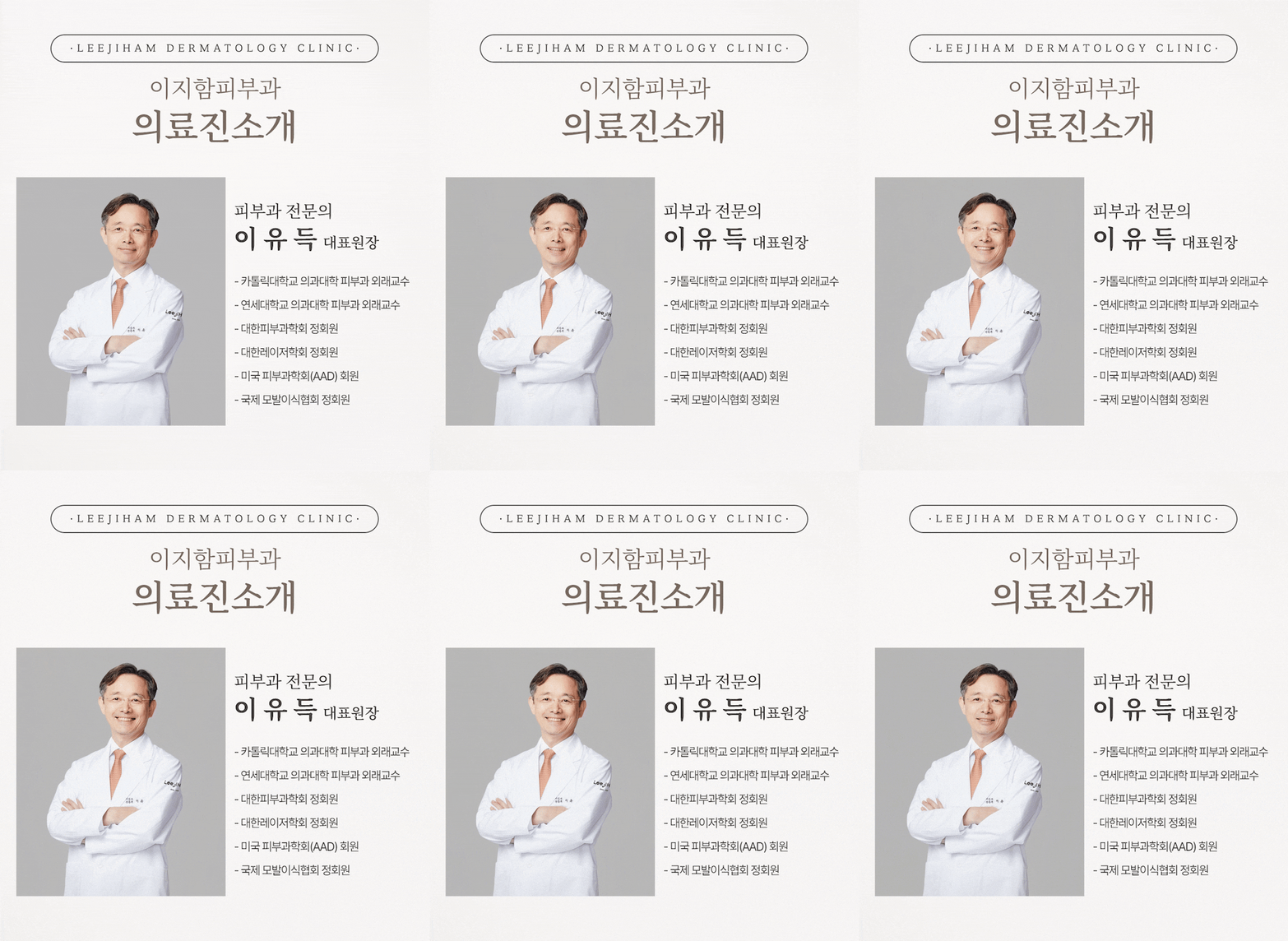
[Lee Yudeuk, Dermatology Specialist]
Hello,
A place that creates a comfortable face
rather than an excessive change.
This is Ezham Dermatology Clinic.
When I meet patients in the consultation room, I often feel that many of them have questions about lifting. In particular, many people are confused about the differences between radiofrequency lifting and ultrasound lifting. Today, I’d like to explain the differences between these two methods in detail through the story of one patient I actually met.
Not long ago, a person in their mid-40s visited the clinic. They said they were bothered every time they looked in the mirror by a sagging jawline and deeper nasolabial folds. They had received many recommendations from people around them to try lifting, but they could not decide which method to choose. They also said that looking online only made things more confusing because there were unfamiliar names everywhere, such as Shinnonhyeon Thermage, Doublo, and Shurink.
'Deuk' for Beauty Consultation
I am dermatologist 'Lee Yudeuk.'
How are Thermage and ultrasound lifting different?
Many people think of lifting
as a single category,
but in fact the way they work
is completely different.
Radiofrequency lifting,
represented by Shinnonhyeon Thermage,
and ultrasound lifting
are like taking different roads
to reach the same destination.
Radiofrequency lifting
uses RF energy
to apply heat to the
entire skin layer.
In contrast, ultrasound lifting
uses HIFU technology to
concentrate ultrasound
energy at a single point
so that it reaches deeper layers.
I explained this to the visitor
using an analogy.
I said radiofrequency is like an oven
that heats a wide area evenly,
while ultrasound is similar to
a magnifying glass that focuses
sunlight precisely on one point.
How does radiofrequency lifting, Thermage, work?
Thermage delivers radiofrequency
energy deep into the skin,
which can help with collagen
contraction in the dermis and
new collagen formation.
If we compare our skin
to a building, collagen plays
a role similar to rebar.
As we age, this rebar
becomes weaker and looser,
and just as a building collapses,
the skin also begins to sag.
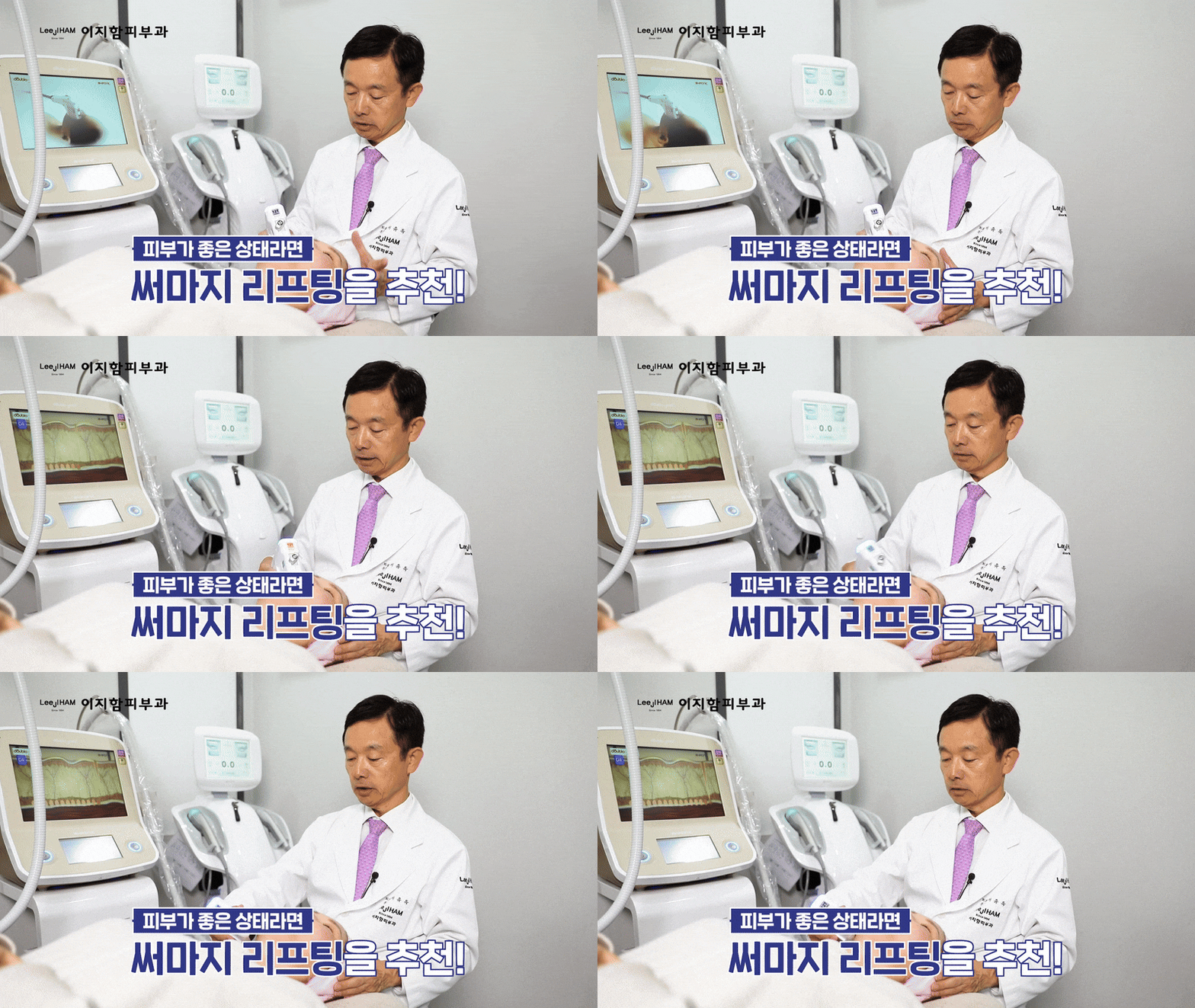
Shinnonhyeon Thermage can help
stimulate weakened collagen
structures with thermal energy
to support the restoration of firmness.
Immediately after the procedure,
a tightening change due to
collagen contraction may appear,
and over the following 2 to 3 months,
you may experience gradual changes
as new collagen is formed.
However, results may vary
from person to person.
What are the characteristics of ultrasound lifting?
Representative devices for
ultrasound lifting include
Doublo Gold, Vro, and Shurink.
All of these use ultrasound
energy, but each has slightly
different characteristics.
The biggest advantage of ultrasound
lifting is that it can reach
the SMAS layer, also called
the fascia layer.
The SMAS layer is a thin membrane
between the skin and muscles,
and it is the very layer that
is pulled up during plastic surgery.
Ultrasound passes through the
epidermis and delivers energy
to this deeper layer,
which can contribute to lifting changes.
When explaining this to that person,
I compared it to foundation work
for a building.
I said it is like not just repairing
the surface, but strengthening
the foundation from the ground up.
Doublo Gold is strong at
accurately delivering energy
to deeper layers,
and Shurink allows customized
procedures by facial area
with cartridges of various depths.
So which lifting treatment is right for me?
In the case of the person I mentioned earlier,
skin sagging had progressed to some degree,
but the skin itself had also lost a lot of firmness.
In such cases, Shinnonhyeon Thermage
can be a good choice.
Because radiofrequency stimulates
collagen across the entire skin layer,
you can expect both changes in skin texture
and tightening at the same time.
On the other hand, if sagging is the main concern
and the skin itself is relatively healthy,
ultrasound lifting may be more suitable.
That is because it can help pull up
the deeper SMAS layer.
Of course, this is only a general guide.
In reality, various factors such as skin thickness,
fat layer, degree of sagging, and age
need to be considered together.
Some people also combine both methods.

How can you maintain lifting changes for longer?
If you have undergone a lifting procedure,
it is important to maintain the changes for as long as possible.
For about one week after the procedure,
it is best to avoid environments with excessive heat,
such as saunas or heated rooms.
Additional heat stimulation during the collagen
regeneration process may actually interfere with it.
Sun protection is also very important.
Because ultraviolet rays are a major cause of
collagen and elastin destruction,
it is good to apply a sunscreen with SPF 50 or higher carefully.
Adequate water intake and moisturizing care are also essential.
If the skin becomes dry, firmness can decrease and wrinkles may appear deeper.
Drink more than 2 liters of water a day, and apply moisturizer generously in the morning and evening.
In addition, regular sleep, a balanced diet, and quitting smoking help collagen production and maintenance.
Changes from lifting vary by individual, but in general, you can experience them for about 6 months to 1 year.

After the consultation, that person decided to proceed with Shinnonhyeon Thermage.
This was because we determined that restoration of firmness across the entire skin was needed.
During the procedure, there was a slight tingling sensation around the bones, but it was at a level that was fully tolerable, and they felt a change right after the procedure.
When they returned for a follow-up visit, they were generally satisfied.
Above all, they were pleased that, because the result looked natural, people around them had been saying that their skin looked better these days.
If you are considering lifting,
rather than blindly following whatever method is trending,
it is important to accurately understand your own skin condition.
Radiofrequency lifting and ultrasound lifting each have different advantages and characteristics,
so it is not possible to say definitively which one is better.
Please consider skin thickness,
degree of sagging, age, skin type,
and other factors together
when choosing the method that suits you best.

Previous image
Next image
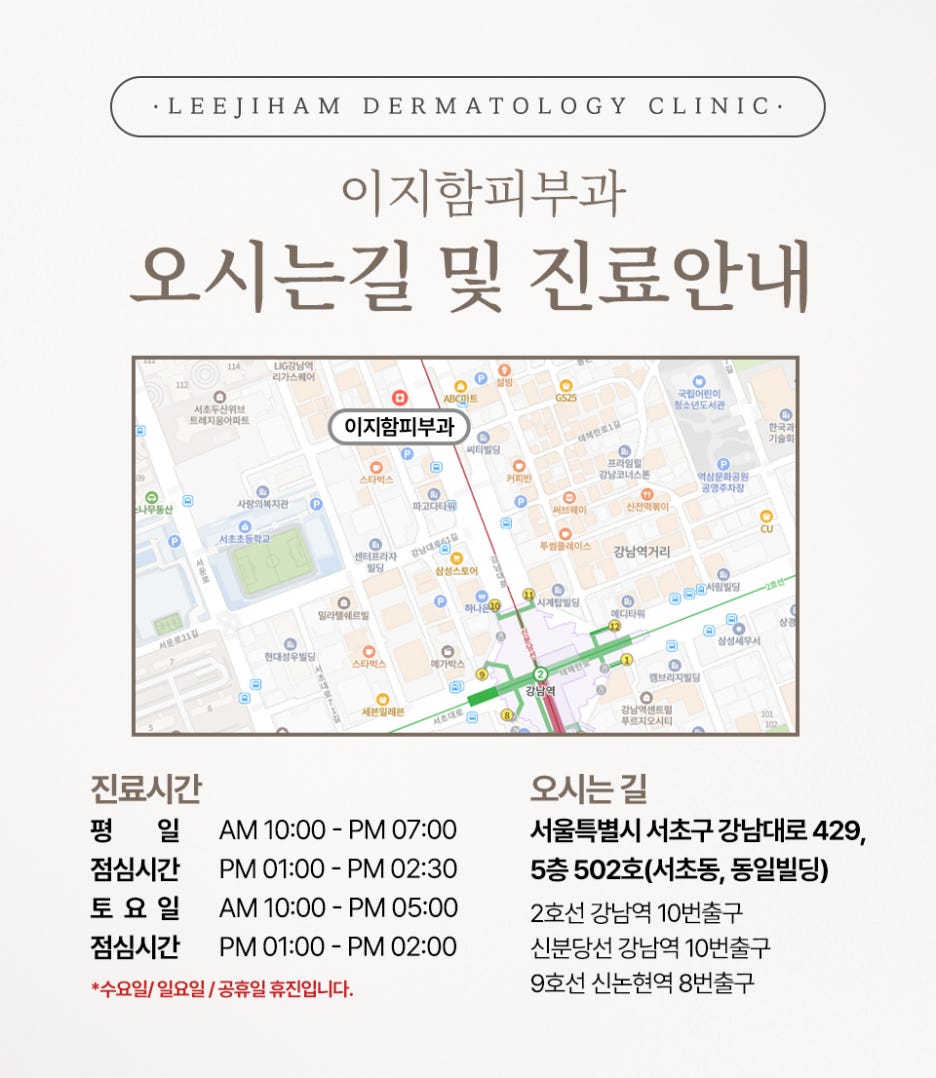
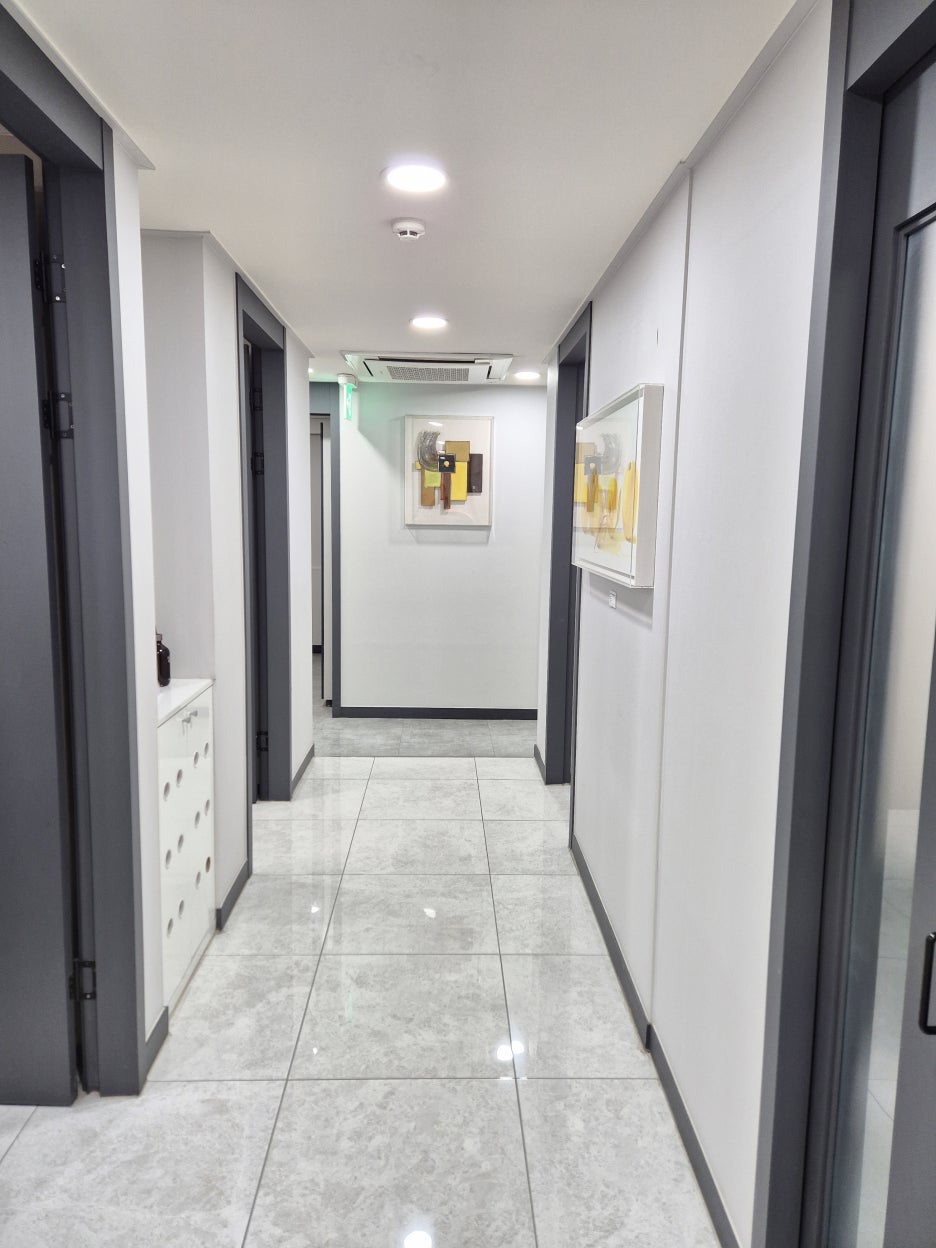
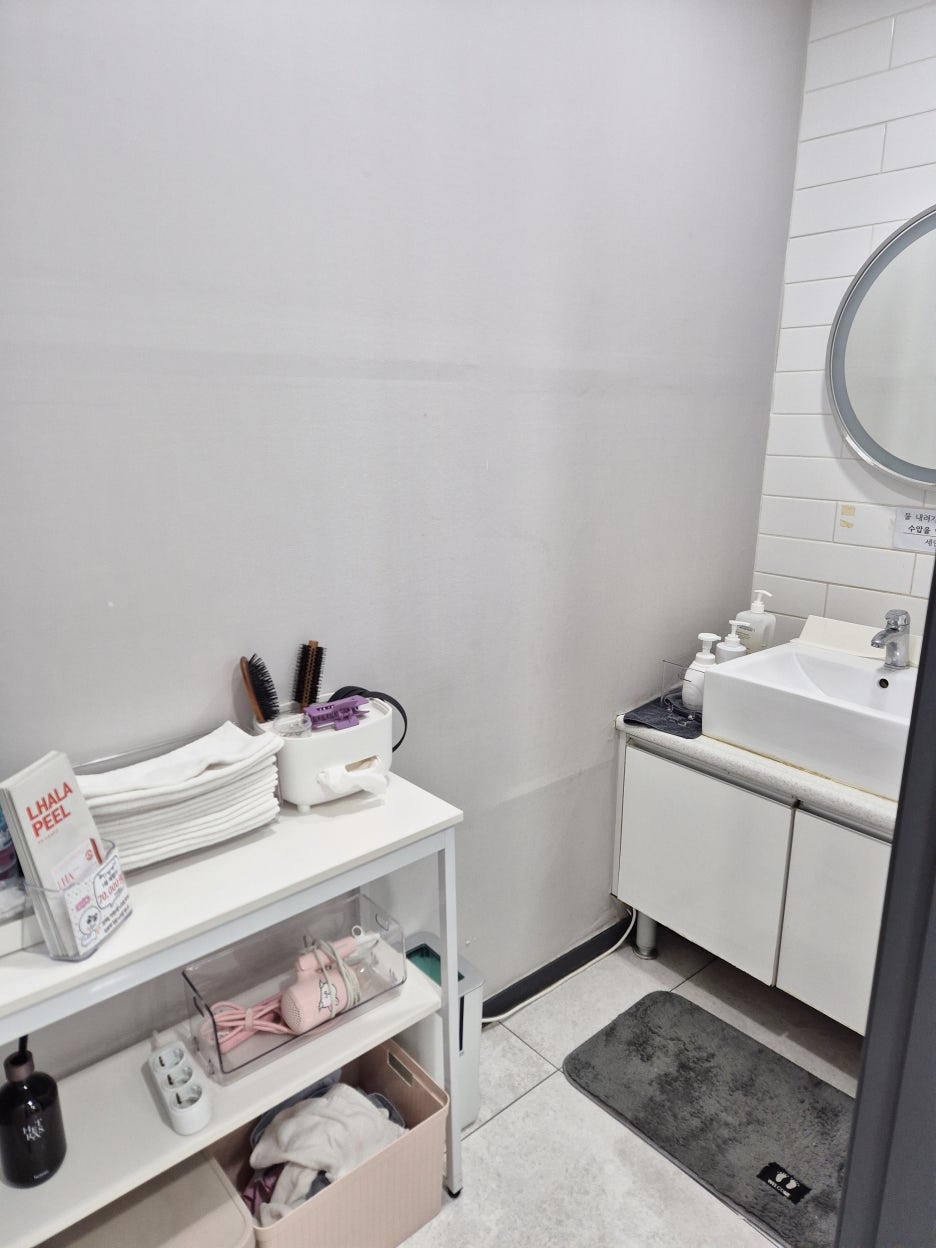
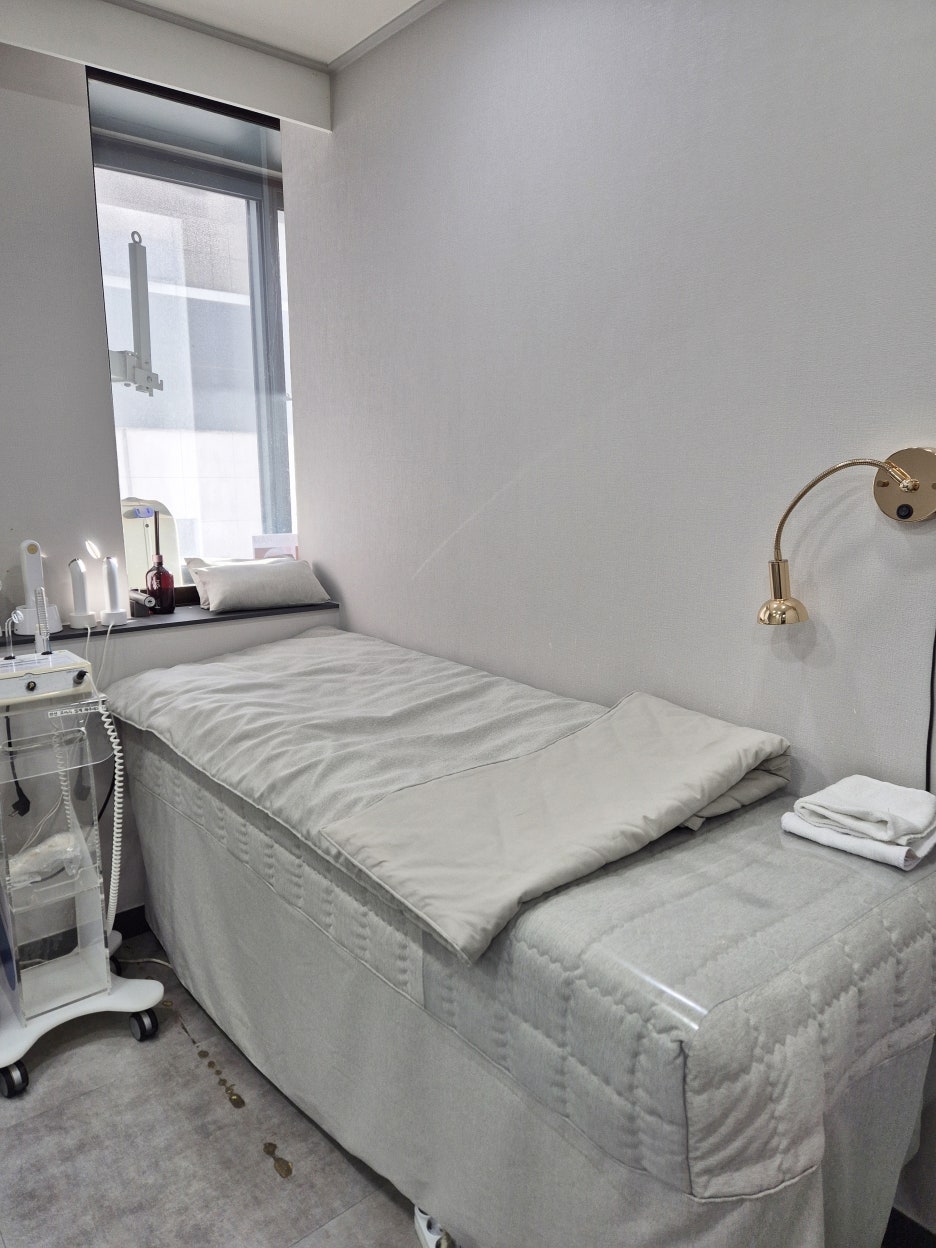
▲[Ezham Dermatology Clinic] We provide care in a comfortable and warm atmosphere