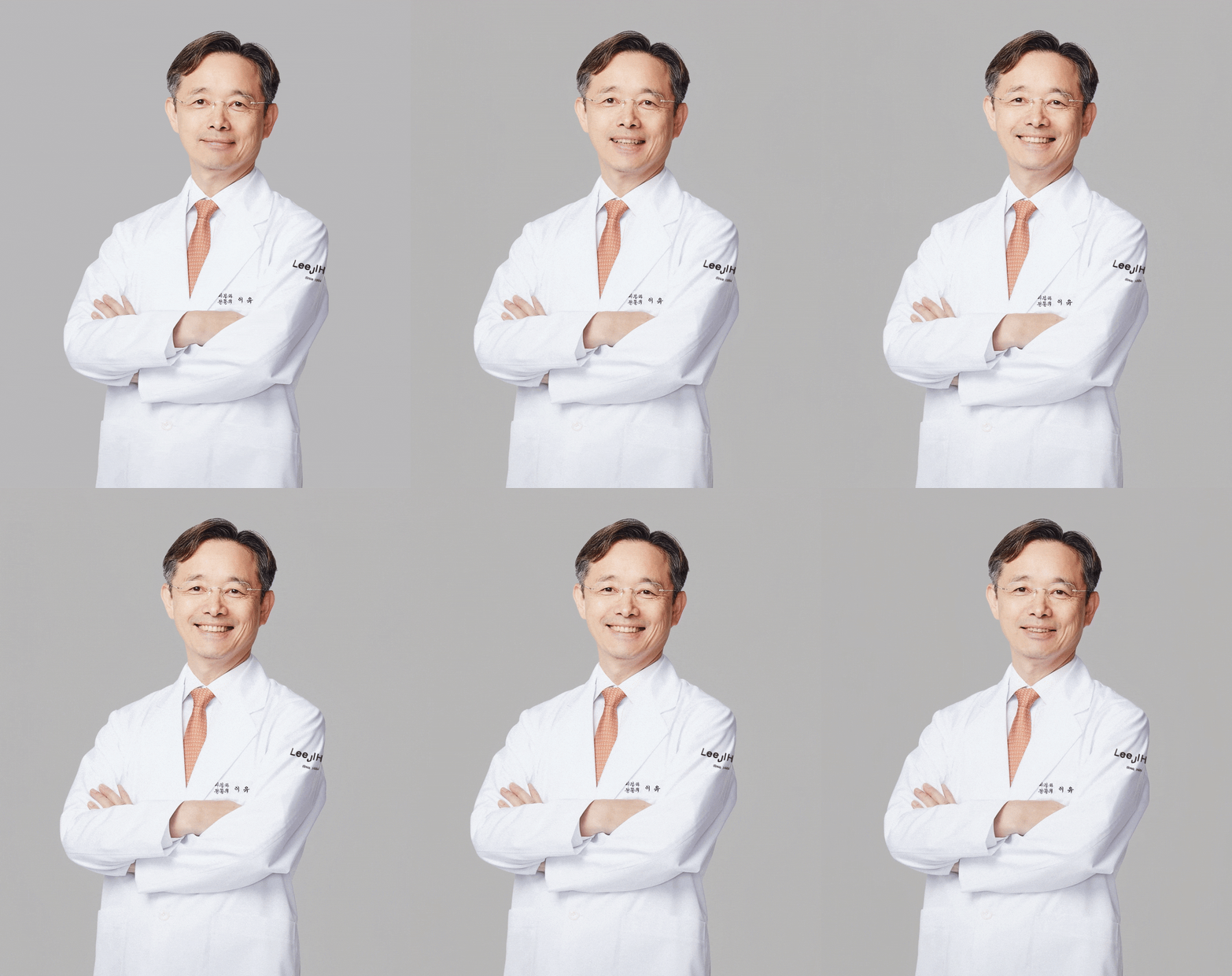
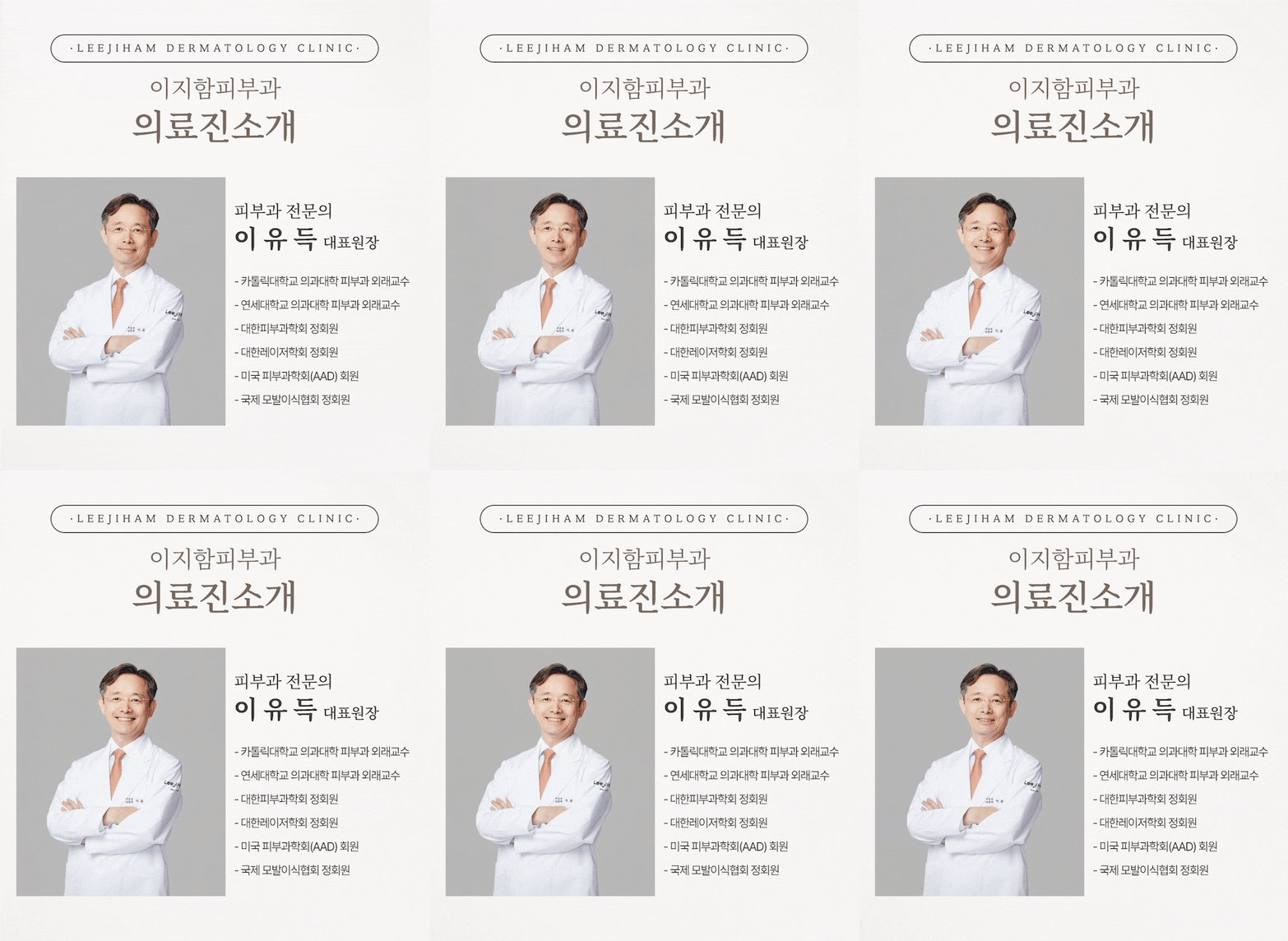
[Dermatologist Lee Yudeuk]
A feeling that your skin is not what it used to be,
Find out at Lee Jiham Dermatology.
Have you ever stood in front of the mirror and gently lifted sagging cheeks with your hand? Or felt weighed down after hearing that the deepening nasolabial folds made you look tired? Today, for those who have been carrying these concerns for a long time, I’d like to calmly talk about the types of lifting treatments and how to choose between them.
For those visiting Gangnam Station Thermage Dermatology and asking, “Which lifting treatment is right for me?”, we will go over the causes of skin changes and the features of each method.
By the time you finish reading this article, the criteria for lifting that once felt vague will become much clearer.
You are not alone
The flow of skin changes that come with age
Collagen is known to gradually decrease every year starting in the mid-20s.
By the 40s, those changes often become noticeable.
As the support structure in the deeper layers of the skin weakens, firmness declines, and as tissue slowly moves in the direction of gravity, sagging progresses.
Changes such as sagging cheeks or deeper nasolabial folds are outward results of the structural changes taking place inside the skin.
These changes do not come suddenly,
but can be said to build up gradually over a long period of time.
Among visitors to Gangnam Station Thermage Dermatology, many are concerned about both decreased firmness and changes in facial contour, and understanding your own skin condition first becomes the starting point for making a choice.
The principle of tightening driven by radiofrequency energy
There is a lifting method that delivers radiofrequency energy evenly into the deeper layers of the skin to induce positive changes in collagen fibers.
Just as applying appropriate heat to an old, loosened rubber band causes it to contract again, this method works by delivering energy to collagen fibers in the dermis to create a tightening effect.
At Lee Jiham Dermatology, radiofrequency lifting is used to improve overall facial firmness and refine facial contours.
One feature of this method is that it can deliver energy to the deeper layers of the dermis without directly damaging the skin surface.
Because it allows you to continue care with minimal restrictions on daily life, it is known as a suitable method for visitors with busy schedules.
The differences between ultrasound and radiofrequency
Within the broad category of lifting, there are methods that use different kinds of energy.
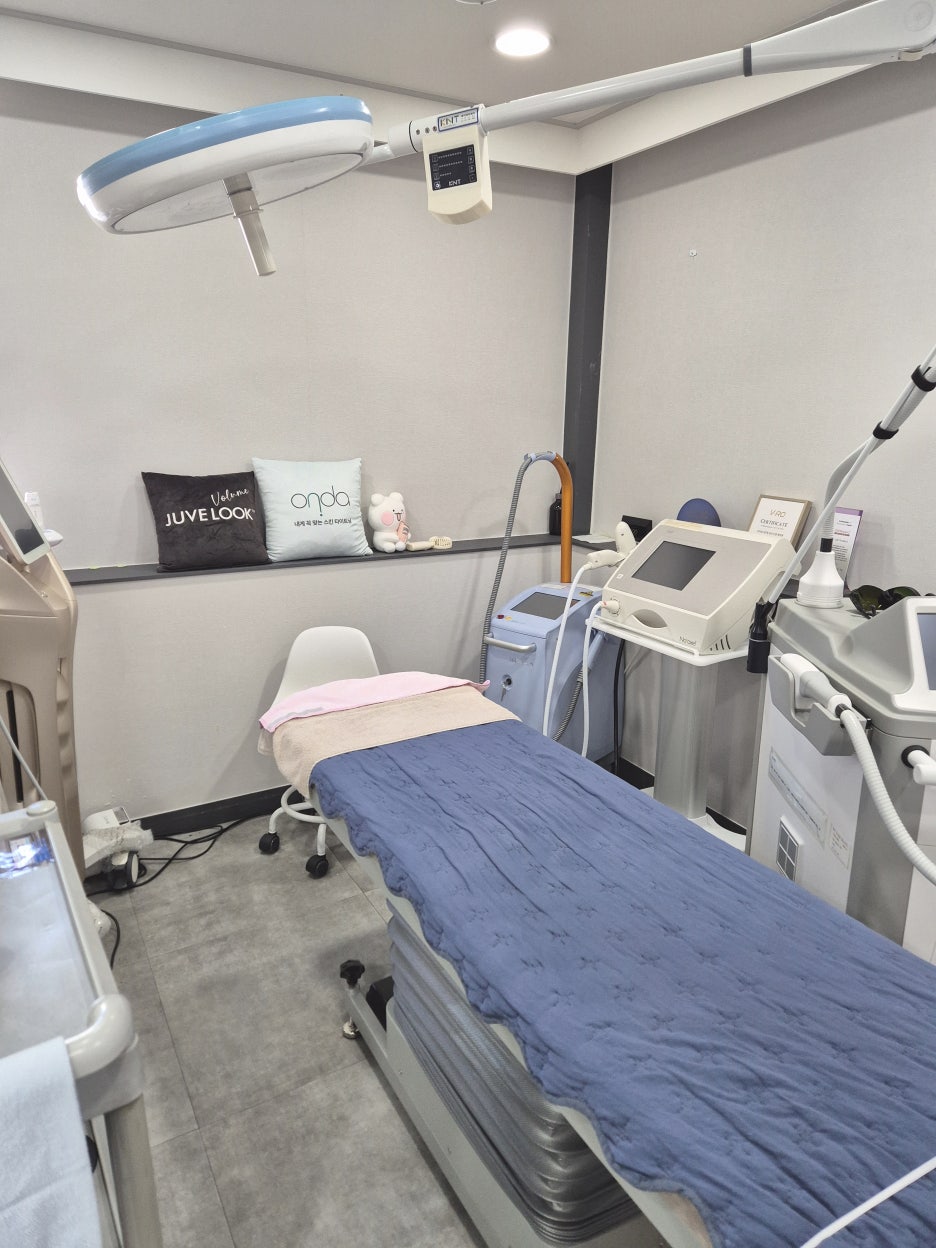
The lifting devices used at Lee Jiham Dermatology are broadly divided into ultrasound-based and radiofrequency-based types.
Ultrasound lifting includes Doublo Gold, V-ro, and Shurink, and it uses HIFU technology to focus energy on the SMAS layer.
It is known as a method that can be considered when sagging is relatively noticeable, with the expectation of a contour-tightening effect.
In contrast, radiofrequency lifting heats the entire dermal layer evenly to increase skin firmness and may lead to positive changes in skin texture and surface quality.
At Gangnam Station Thermage Dermatology, we also look into combining the two methods when necessary, and the appropriate direction can vary depending on the degree of sagging, skin thickness, and the area of concern.

How should you choose a lifting method?
When choosing a lifting method, rather than relying on a simple criterion such as which device is better, the first priority is to understand your own skin condition and the nature of your concerns.
Ultrasound lifting, based on HIFU technology, delivers energy deep into the skin layers and is a method that can be considered when sagging has progressed to a certain degree.
Doublo Gold, Shurink, and V-ro are all ultrasound-based, but their energy delivery methods and focal depths differ, so the choice can vary depending on skin thickness and condition.
Radiofrequency lifting can be an option for those who need positive changes in overall skin firmness and texture, or for those who want comprehensive care in combination with ultrasound lifting.
Some people come in having already decided on one method from the start, but in many cases, the direction changes after reviewing the skin condition together.
How to maintain the changes for longer after lifting
No matter which lifting method you choose, aftercare has a significant effect on how long the results last.
For about a week after the procedure, it is better to avoid environments such as saunas or heated rooms where strong heat is applied to the skin.
Sun protection is a basic part of skin care, so it is helpful to consistently use products with SPF 50 or higher, and to continue adequate hydration and moisturizing care.
Changes from lifting begin to appear gradually over several weeks rather than immediately after the procedure,
and as the process of new collagen formation progresses, the skin condition settles in.
At Gangnam Station Thermage Dermatology, we explain that if lifting is performed together with a skin booster, you may also expect positive changes in moisture and skin texture, and when supported by lifestyle habits and consistent care, it can lead to more favorable results.
Honest care, management you can trust for a long time
The treatment philosophy at Lee Jiham Dermatology is honest care and an evidence-based approach.
Rather than expecting everything to change with a single method, we believe that true care is the process of gradually finding the direction that suits each individual skin type.
Every skin type is different, and even the same lifting method should be approached differently depending on how and to whom it is applied.
If you are considering Gangnam Station Thermage Dermatology, we hope you will start by understanding your current skin condition.
Lee Jiham Dermatology, which aims for a comfortable face over time rather than excessive change, will continue providing honest and reliable care in the same place.
Lifting is not simply an act of changing one’s appearance,
but a journey of understanding your own skin and caring for it healthily over the long term.
We are always grateful to be part of that journey.
Previous image
Next image









Previous image
Next image









Previous image
Next image