[Dermatology Specialist Lee Eo-deuk]
Skin changes with each seasonal transition,
Let Ezham Dermatology explain.
These days, with the weather changing back and forth, the number of patients visiting the clinic who say, "My acne suddenly got worse" has noticeably increased.
In particular, many people in their 30s and 40s say they thought their acne had settled down to some extent after going through it once in their teens, only to be startled when their skin suddenly starts breaking out again one day. If you are reading this, you may be someone who has been worried because your skin has changed from how it used to be, or who has noticed a pattern of acne flaring up every year around this time and wondered, "Why on earth does this happen?"
Today, let’s talk about what causes seasonal acne, why it gets especially worse during this period, and how to care for your skin.
In this season, when skin concerns deepen, I hope this article will be of some practical help.
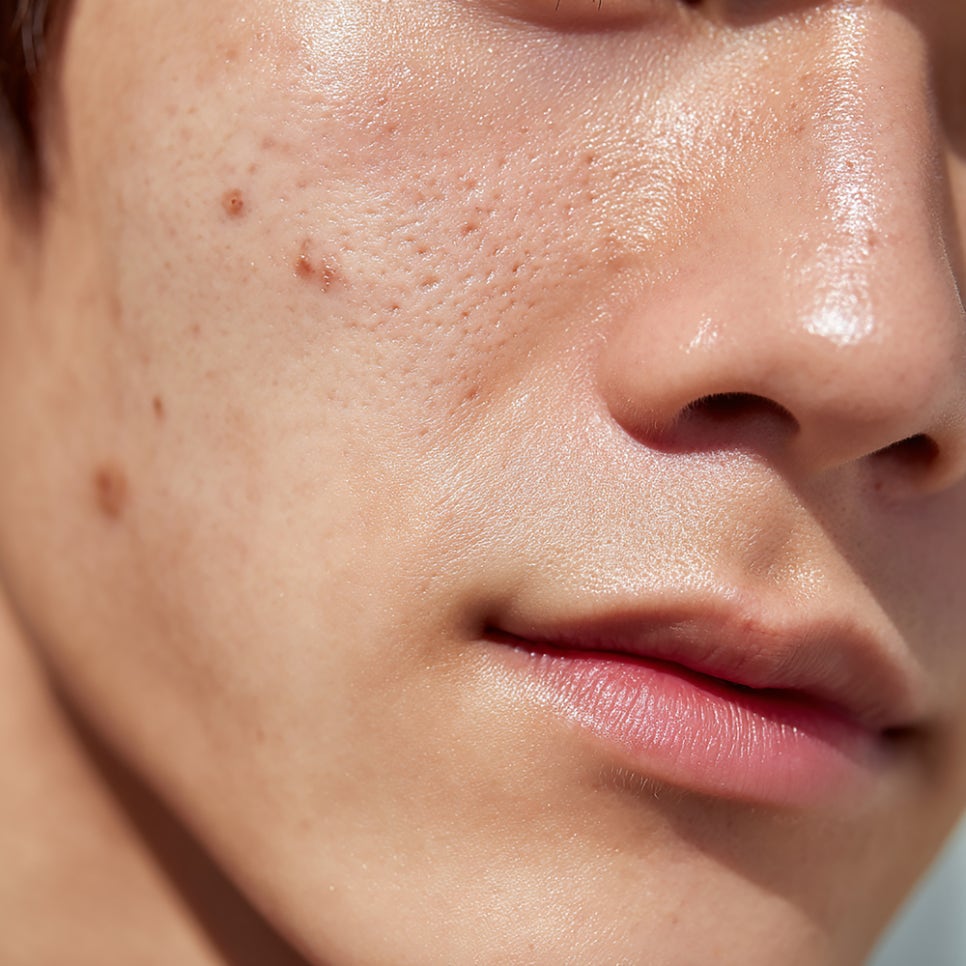
Why does your skin seem to know when spring winds blow?
What happens inside the skin when the temperature rises?
Seasonal transition periods are times when temperature and humidity change significantly within a short period.
These changes cause considerable confusion for the skin.
To understand the causes of seasonal acne,
it is important first to know how the skin barrier and sebaceous glands
respond.
When the temperature rises, the sebaceous glands, or the oil-secreting glands in the skin, become more active
and sebum production increases.
At the same time, dry winds and the difference between daytime and nighttime temperatures
weaken the skin barrier,
causing moisture to evaporate easily.
When these two things happen at once,
the skin ends up in a state of moisture deficiency
while sebum is overproduced,
a so-called "oil-moisture imbalance."
When this balance is disrupted, excess sebum and dead skin cells clump together inside the pores,
creating an environment where acne-causing bacteria
(Cutibacterium acnes)
can multiply.
When the skin barrier is weakened, it also becomes much more sensitive to external irritants,
so many people find even ordinary care difficult to manage.

Yellow dust and fine dust further weaken the skin barrier
During this time, external irritants such as yellow dust and fine dust also become stronger.
These tiny particles clog pores and trigger skin inflammation,
becoming factors that worsen acne.
Many people try to remove oil by washing their face more often and more aggressively,
but this can actually weaken the skin barrier further
and create a vicious cycle.
As such, the background behind worsening acne is not simply that the skin is oily,
but rather a complex combination of reduced skin barrier function due to climate change,
excess sebum production, and increased external irritation.
You need to understand this complex structure
in order to establish the right care approach.
After washing your face, it is important to supply plenty of moisture.
If the skin lacks moisture, it produces more sebum in compensation.
It helps to moisturize sufficiently while choosing products with a lightweight texture.

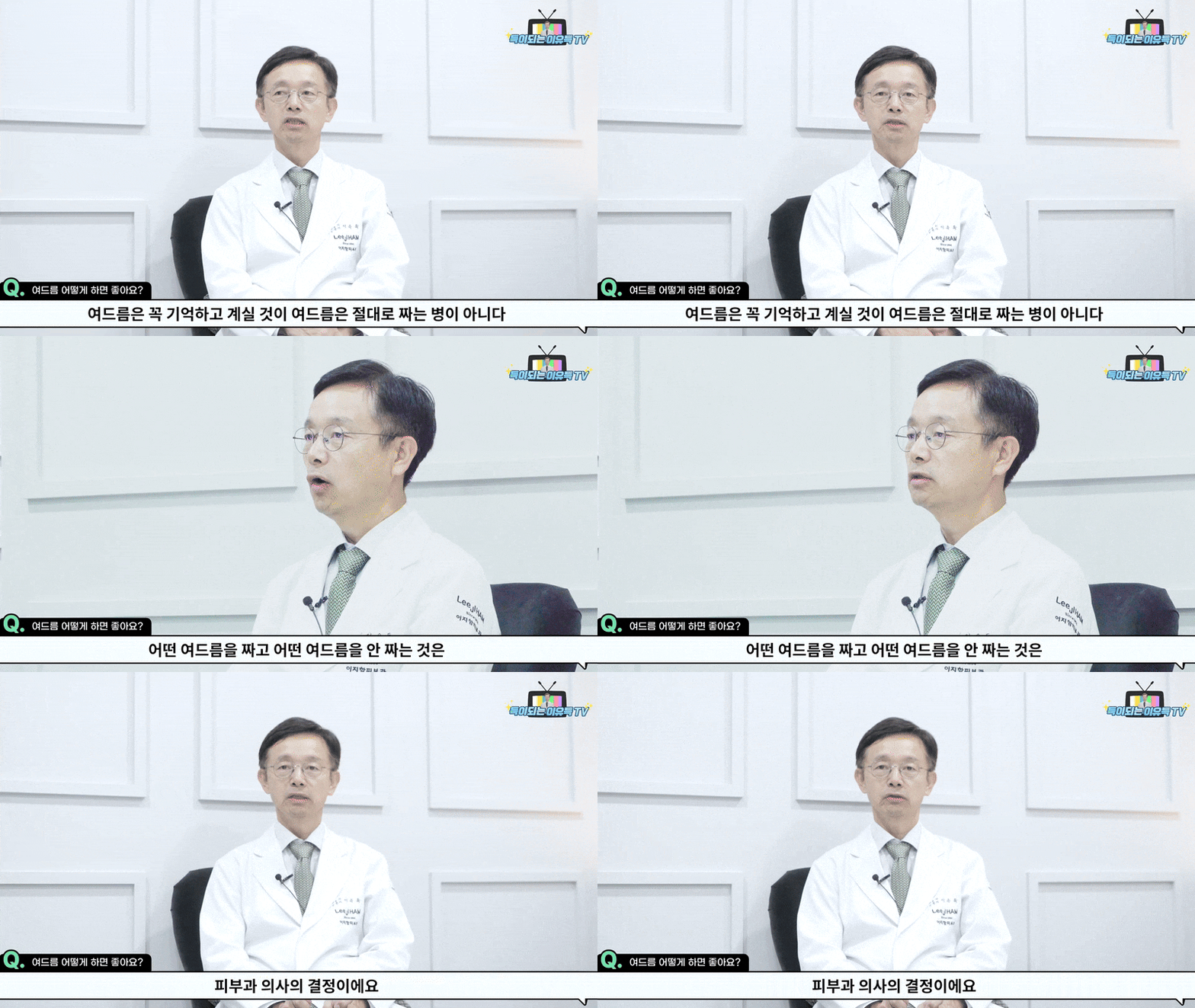 How should acne be approached?
Acne care takes a different direction depending on the skin condition
and the type of acne.
Comedonal (blocked type),
papular (red raised type),
and cystic (deep and large type)
each require a different approach, and after identifying the cause of seasonal acne,
it is important to choose the method that matches it.
The Art Laser used for acne care at Ezham Dermatology selectively acts on the sebaceous glands,
controlling sebum secretion and addressing the root cause of acne.
Rather than dealing only with the acne that has already appeared,
it can help reduce overactivity of the sebaceous glands themselves,
which has the advantage of helping reduce recurrence.
It can also be expected to help reduce pore size,
which may bring positive changes in skin texture.
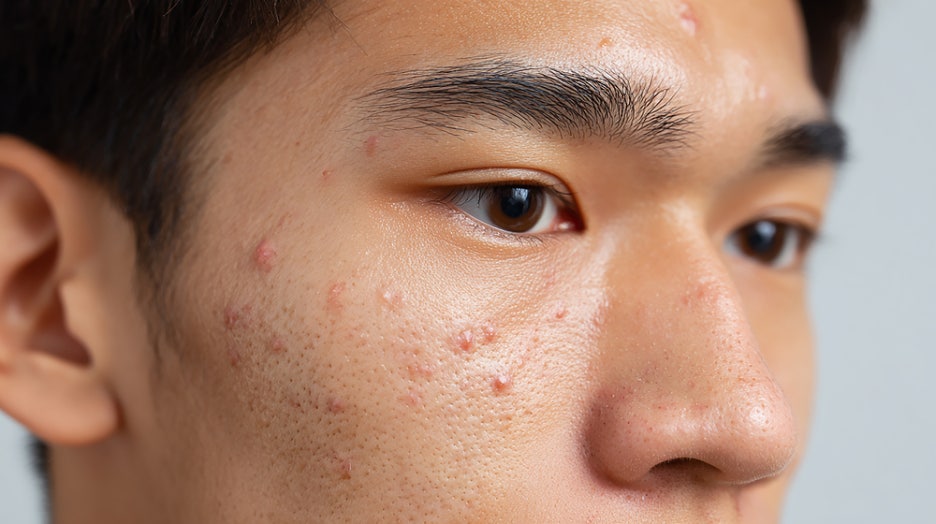
We take a comprehensive approach to examining the skin
The 8-week acne program is a method that combines Art Laser
with skin scaling,
PDT scaling, IPL, and other treatments.
Scaling helps clear away dead skin cells and sebum accumulated inside the pores.
IPL is used to calm the red marks left after acne.
If acne scars are also present, a combined approach such as CLO scar restoration,
which brings together chemical treatment, laser treatment, and surgical treatment,
can also be considered.
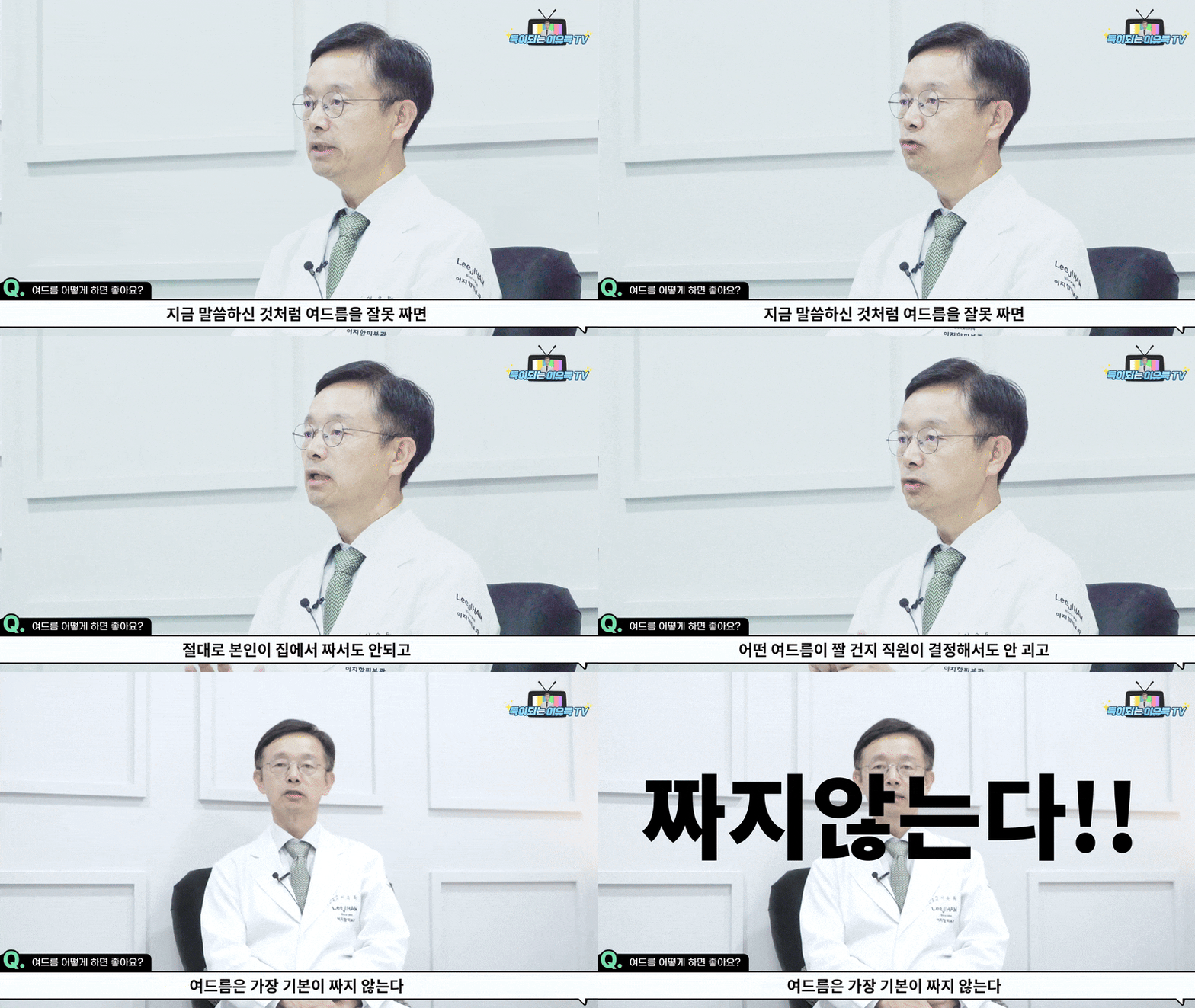
One thing I would like to mention is that squeezing acne by hand or popping it arbitrarily
can cause scarring and pigmentation,
so it is best to avoid doing so.
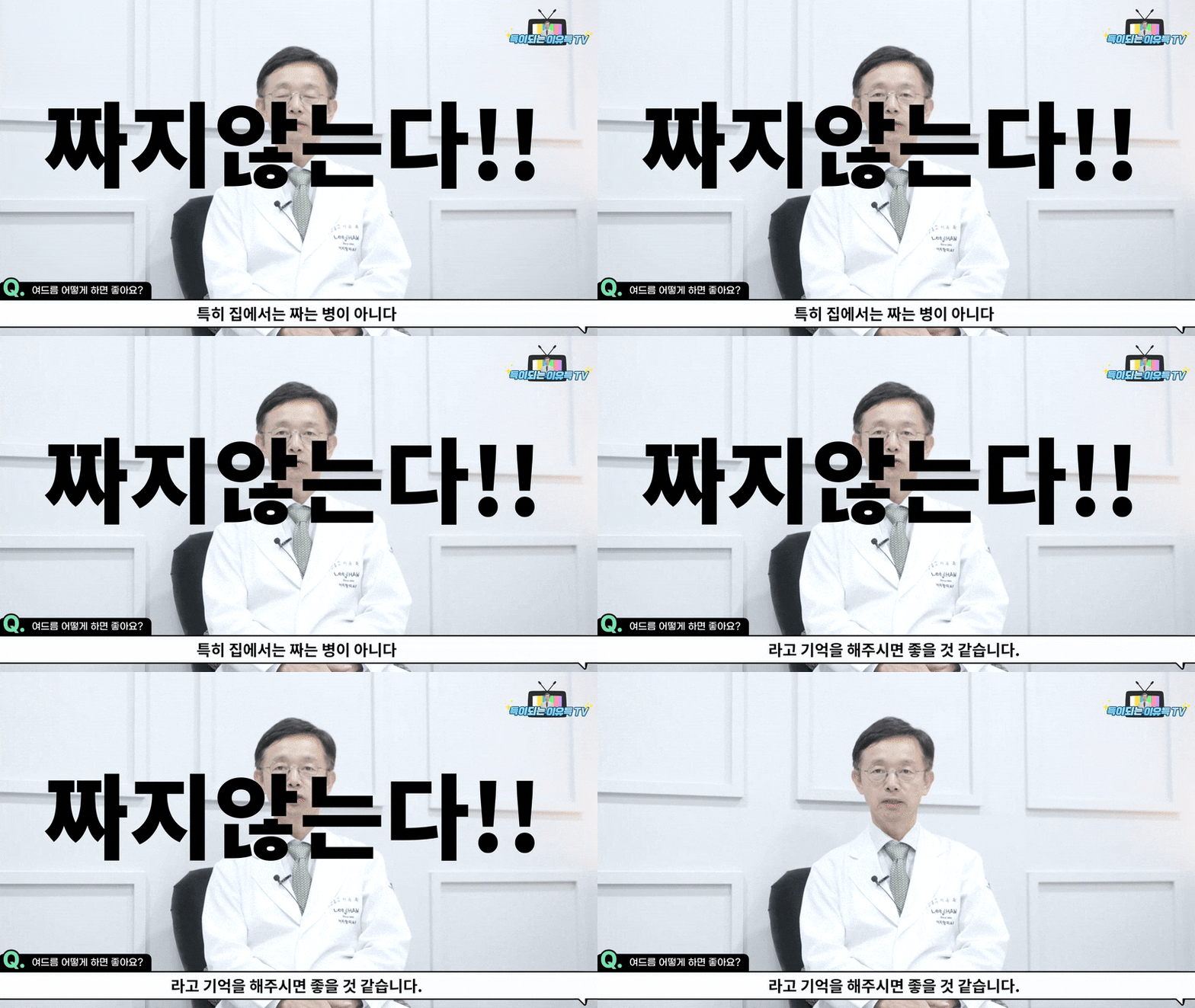
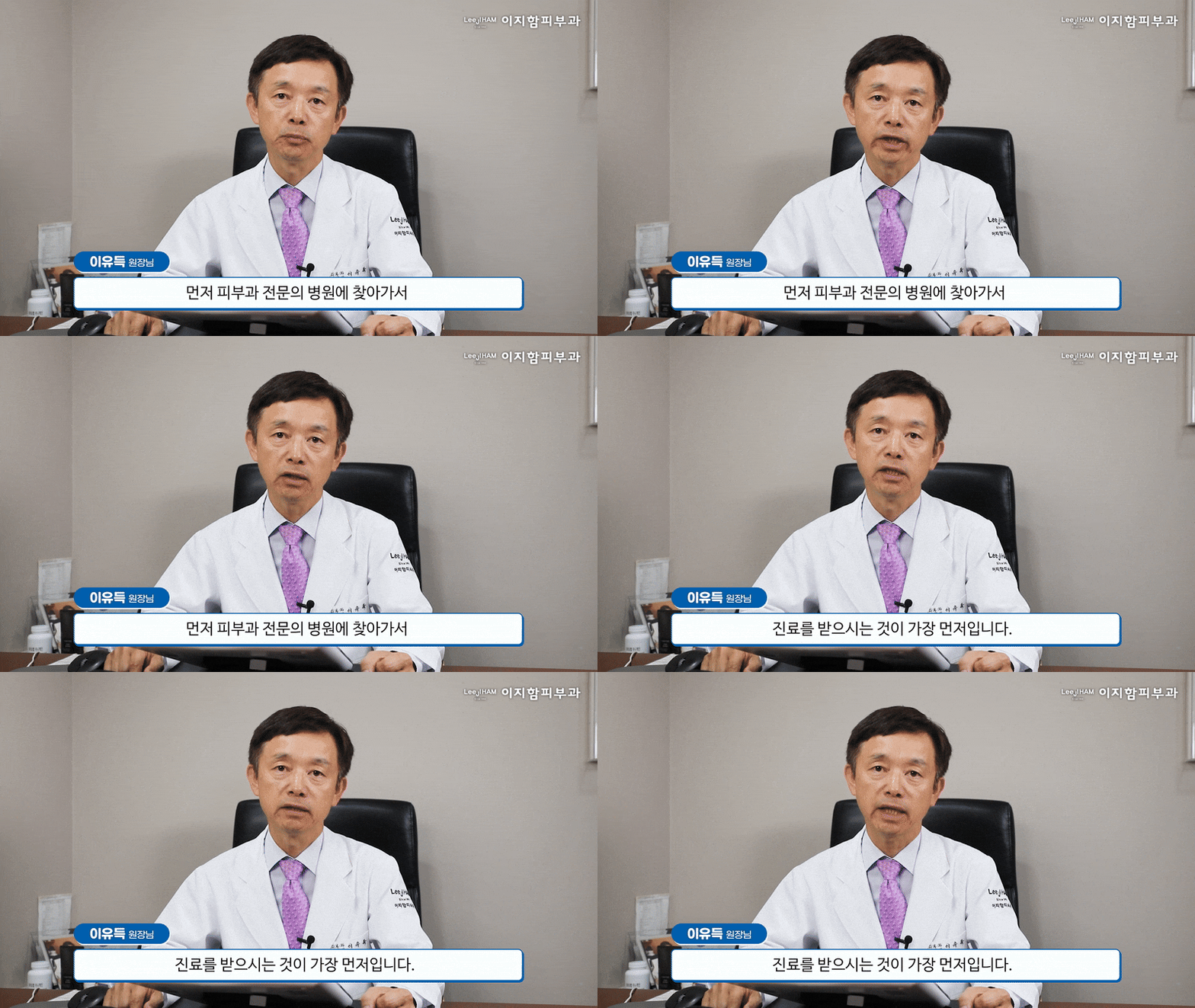
The right direction for care is helpful when established after an accurate assessment of the skin condition
through a dermatology consultation.
Choosing non-comedogenic products that do not clog pores
is also part of care.
 Daily skin care methods you can keep practicing consistently
Along with treatment, daily care is also very important.
If you understand the causes of seasonal acne,
consistent practice in daily life will also help.
First, it is better not to overdo face washing.
Even if you feel that you have a lot of sebum,
aim for washing twice a day with lukewarm water and a low-irritation cleanser;
this is the basic way to protect the skin barrier.
Second, sunscreen should not be skipped regardless of the weather
and should be used year-round.
UV rays worsen skin inflammation
and cause acne marks to darken.
Third, diet and sleep management are also directly linked to the skin.
Foods high in sugar can cause blood sugar to rise rapidly,
stimulate sebum secretion,
and promote inflammatory responses.
Regular sleep and stress management also play an important role
in maintaining skin immunity.
Please pay a little more attention to the signals your skin is sending
At Ezham Dermatology,
we aim for a "comfortable face rather than excessive change."
Acne may not be a purely cosmetic concern,
but a health signal sent by the skin.
Listening to what the skin is telling us,
and honestly guiding patients so they can approach it in the right way,
is what we believe our role is.
Seasonal transitions are a difficult time for everyone.
But if you correctly understand the causes of seasonal acne
and steadily continue skin-appropriate care,
the skin will begin to respond.
Please do not try to suppress or cover it up blindly,
and pay a little more attention to the signals your skin is sending.
We will be with you through honest care
on the path toward more comfortable skin.