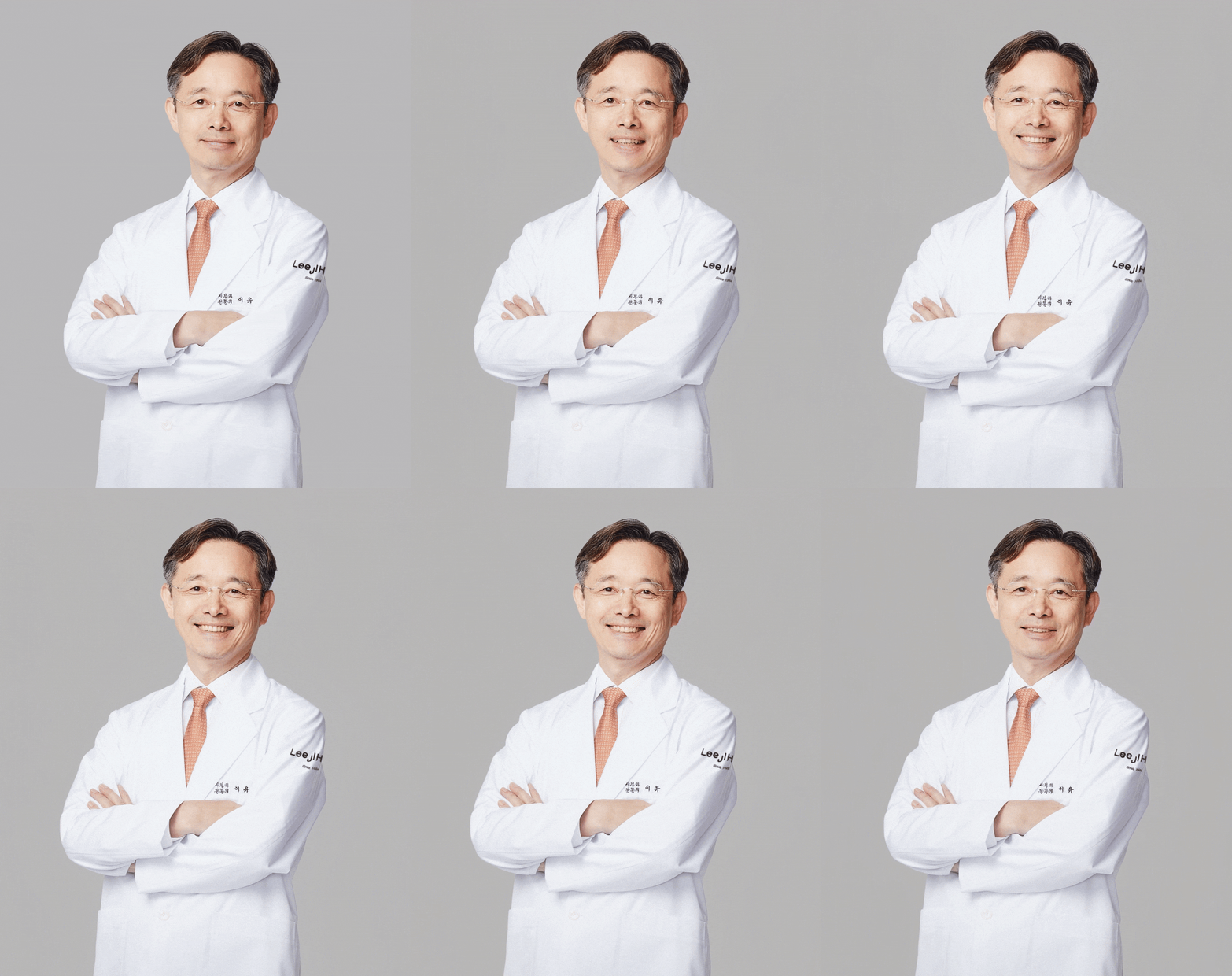
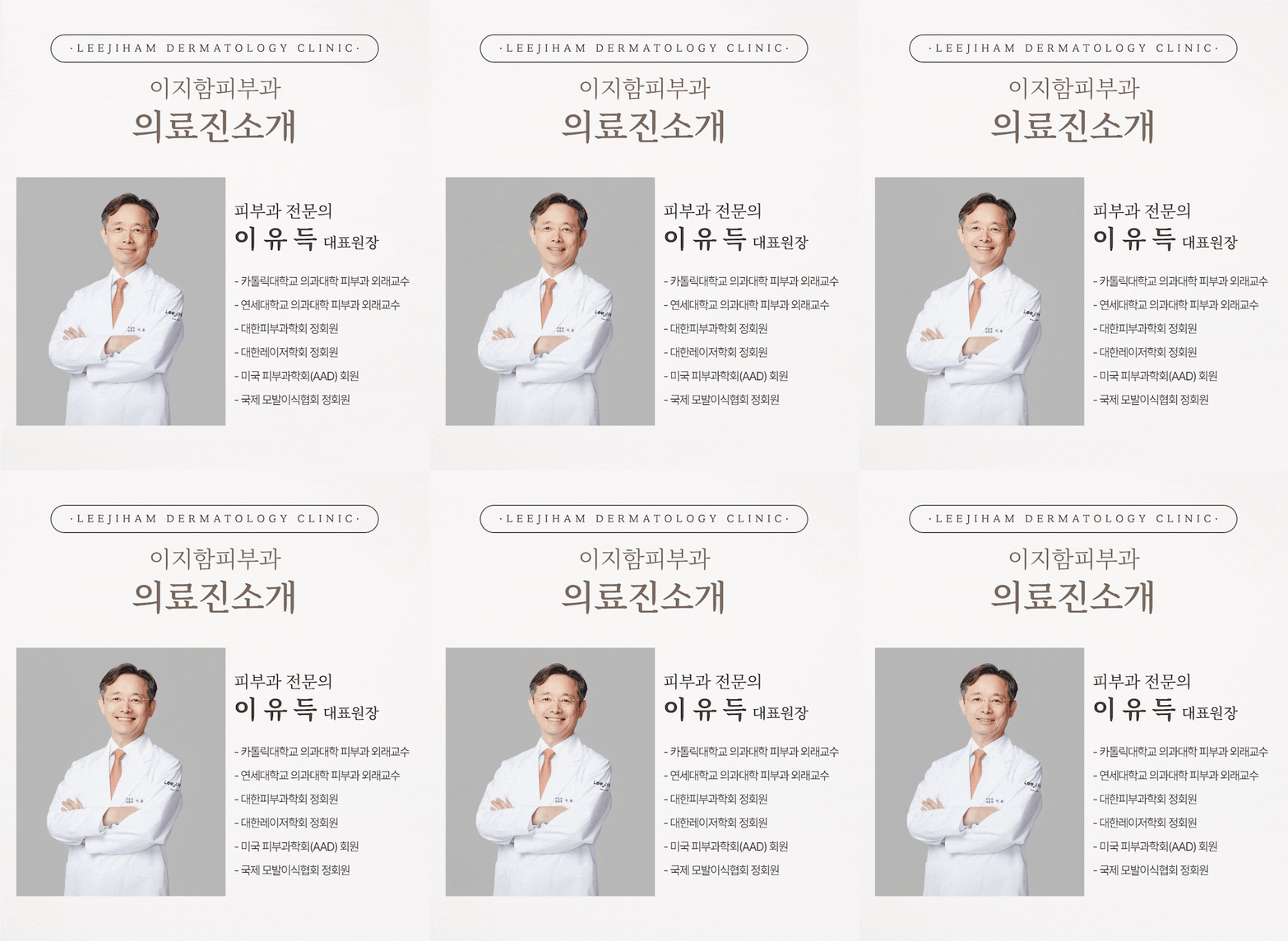
[Dermatology Specialist Lee Yu-deuk]
A place for those considering a comfortable change,
this is Easyham Dermatology.
There may be moments when you stand in front of the mirror and feel, “My skin isn’t as firm as it used to be,” or “It feels like something is sagging, but I don’t know where to start.”
As concerns about skin elasticity arise, people naturally become interested in lifting treatments, and as they look for information, they often become even more confused. Many people say it is hard to understand exactly which method is better and what the differences are.
When you search on blogs or YouTube, you may find people saying Ultherapy is good or Thermage is good, which can make it even more confusing. This is also why questions about the differences between ultrasound lifting types and Thermage come up often in consultations.
Today, we will explain the principles and differences between the two methods step by step.
A place that creates a comfortable face rather than an excessive change,
Where does skin sagging begin?
As we age, sagging in the skin
comes from changes in the overall
skin structure.
The collagen and elastin
fibers in the dermis decrease,
and the elasticity of the
SMAS layer, the fascia tissue beneath
the skin, also gradually declines.
The SMAS layer is a structure that
supports the entire face,
and when this layer loosens, it can
create a feeling that the cheeks or
jawline are dropping downward.
Changes in overall facial contours, such as wrinkles around the eyes and mouth or sagging cheeks, are often not simply problems on the skin surface, but progress together with changes in the structures beneath the skin.
Ultrasound lifting types are known as an approach that differs from surface-focused care in that they can deliver energy to such deeper layers.
Since loss of skin elasticity is not only a surface issue,
understanding which layer the cause comes from
is the starting point for setting the right direction.
The principle by which ultrasound energy is delivered deep into the skin
Ultrasound lifting is based on HIFU, or high-intensity focused
ultrasound technology.
It works by concentrating ultrasound energy into deep layers of the skin to create thermal injury points, which in turn stimulate collagen formation.
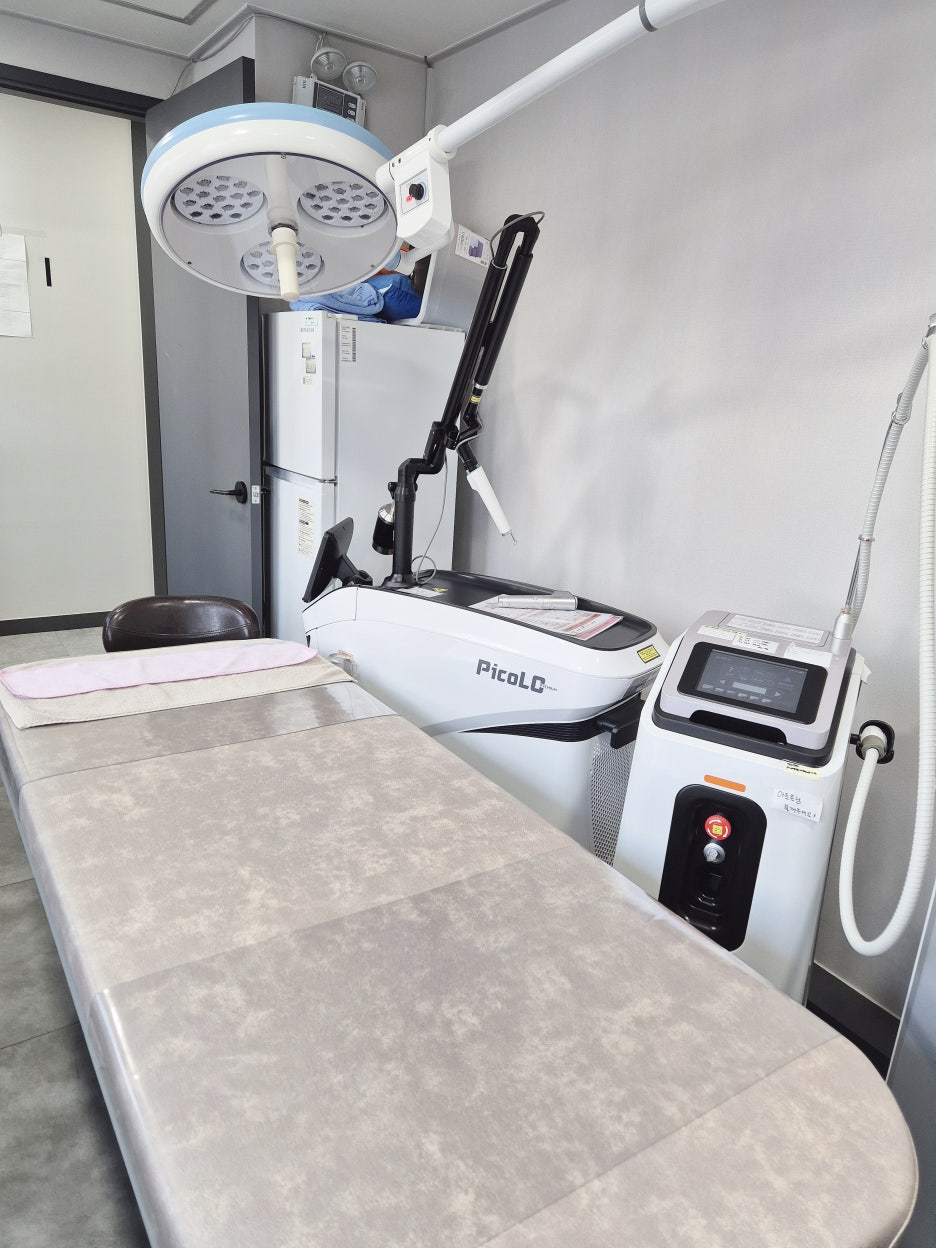
The devices used at Easyham Dermatology,
such as Doublo Gold, Viro, Shrink,
and Ulthera Prime, fall into this category.
Ultrasound has the 특징 of delivering energy into the deep layers of the dermis or even the SMAS layer while having almost no effect on the skin surface.
It works like a magnifying glass focusing sunlight into a single point, concentrating energy only at the desired depth.
Because each device delivers energy at slightly different depths and in different ways, the appropriate device is selected according to skin thickness, degree of sagging, and the target area.
Even within the same ultrasound lifting category, the depth of approach and the method differ depending on the device, so it is important to assess the skin condition thoroughly before deciding on the direction.
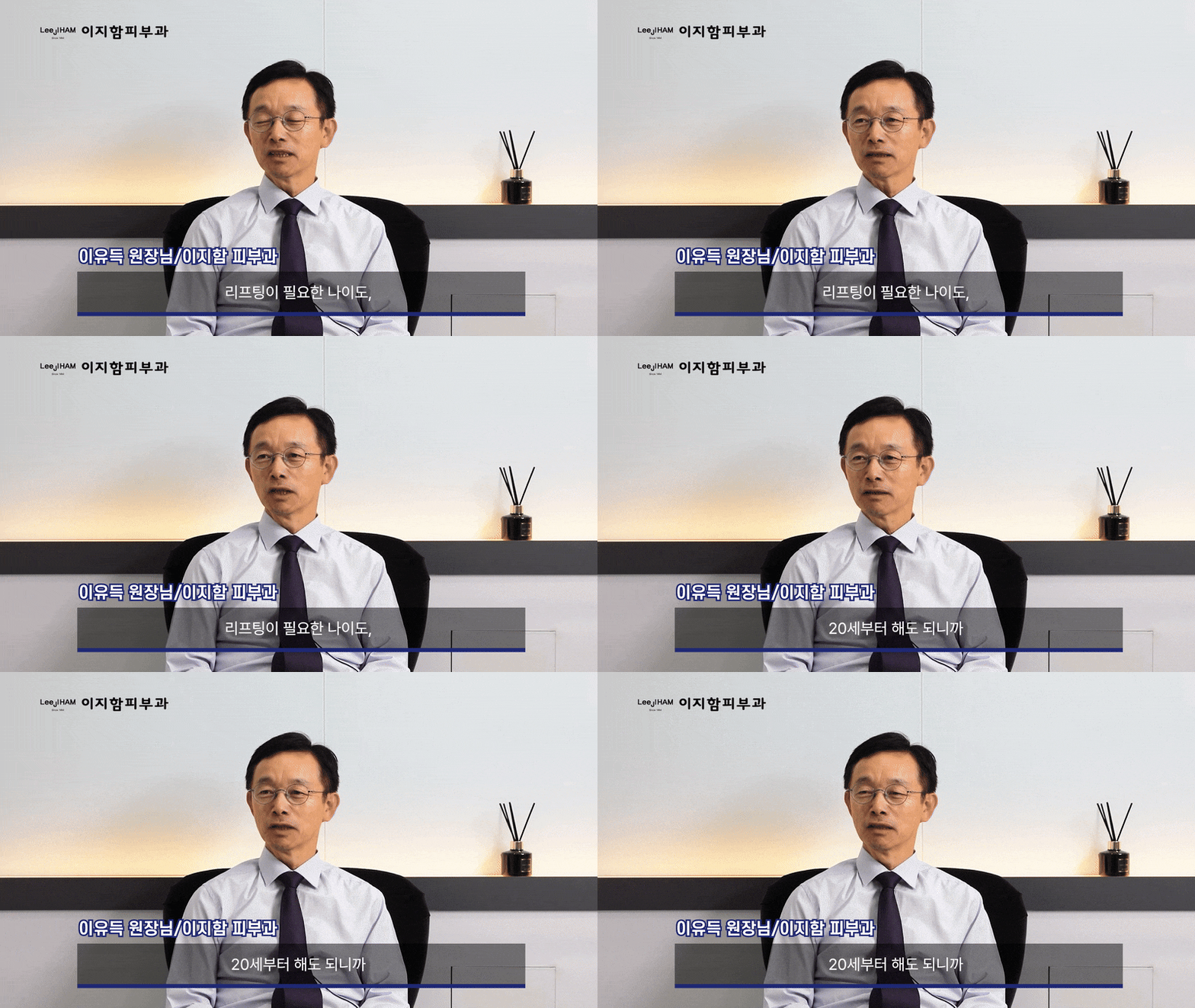
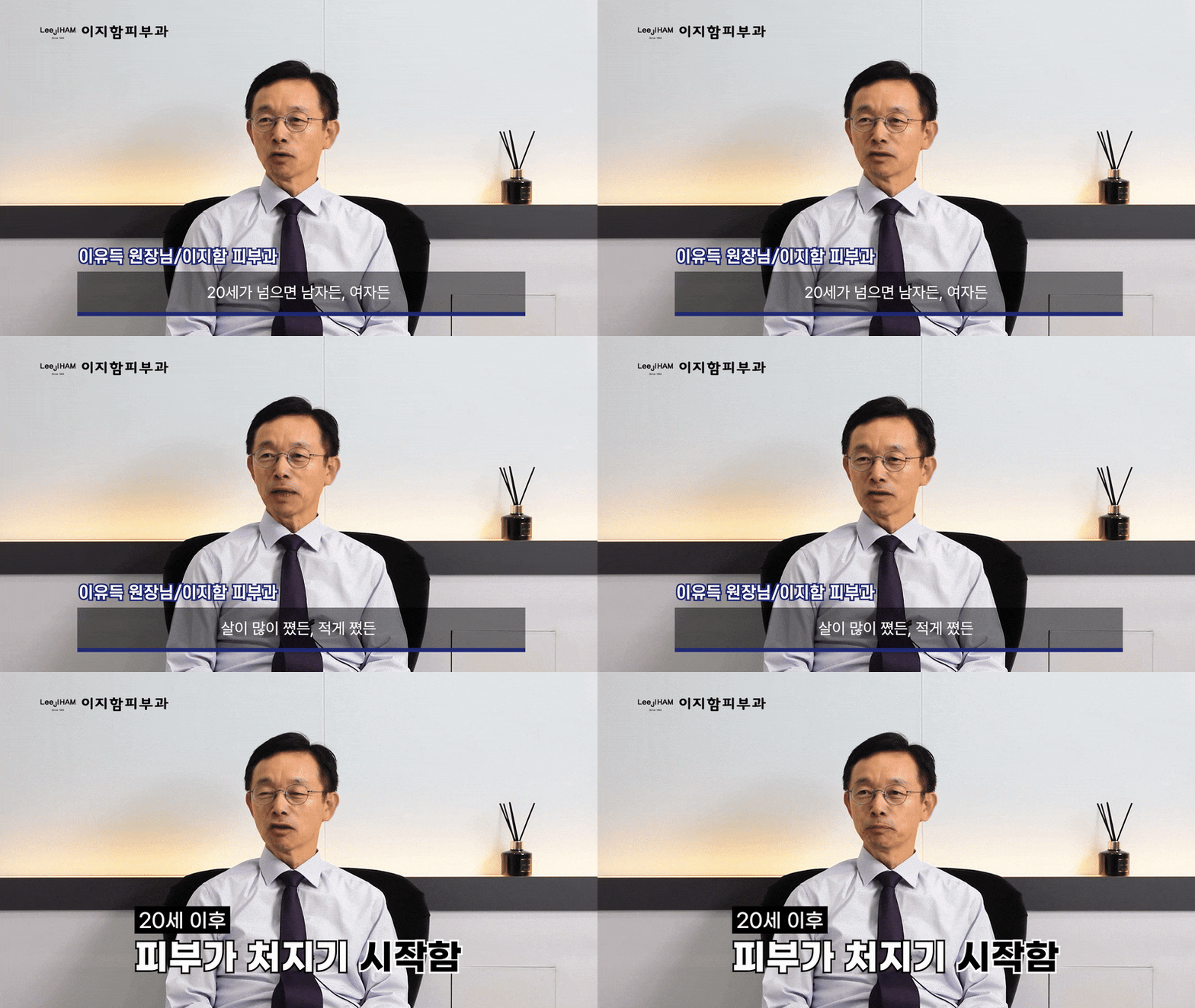
Thermage, how radiofrequency energy works
Thermage uses radiofrequency,
or RF energy, so the type of energy
it uses is different from ultrasound.
The Thermage currently used at
Easyham Dermatology incorporates
vibration technology,
which delivers thermal energy evenly
over the entire skin.
Unlike ultrasound lifting types, which concentrate energy at specific points, Thermage is a surface-area-focused approach that distributes heat energy evenly across a wide range.
Its 특징 is that it works evenly over a range from the epidermis to the dermis as a whole, and some degree of tightening may be felt immediately after the procedure.
Then, over the course of several months, collagen gradually forms, and positive changes in elasticity may appear.
Because it can help even out the overall skin texture and sometimes bring changes in moisture, it is also considered by people interested not only in lifting but in overall skin texture.
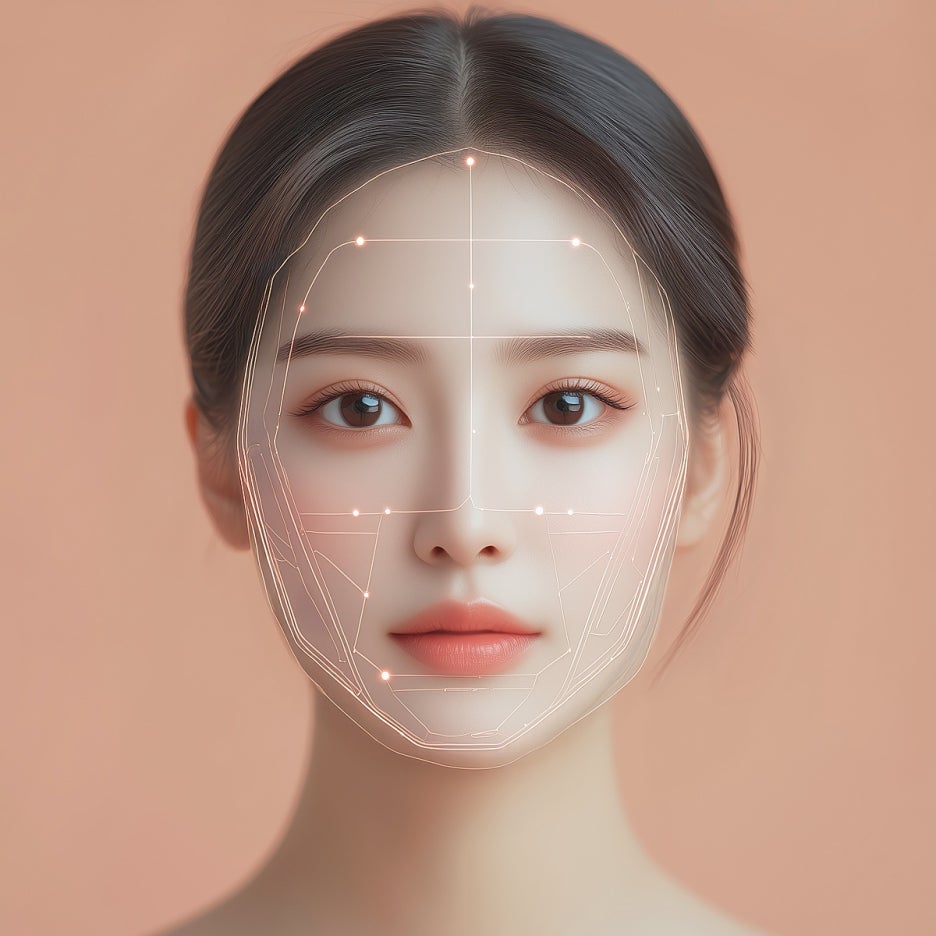
What is the key difference between the two methods?
The key difference between ultrasound and radiofrequency lies in how the energy acts.
Ultrasound concentrates energy at the desired depth to selectively stimulate areas with more severe sagging.
It is used when expecting lifting effects in specific areas such as cheek sagging, the jawline, or the forehead.
On the other hand, Thermage is strong at bringing positive changes to the overall collagen density and elasticity of the skin, and it is selected when aiming for overall skin tightening.
If ultrasound is a “pinpoint focused method,”
Thermage is closer to a “broad surface method.”
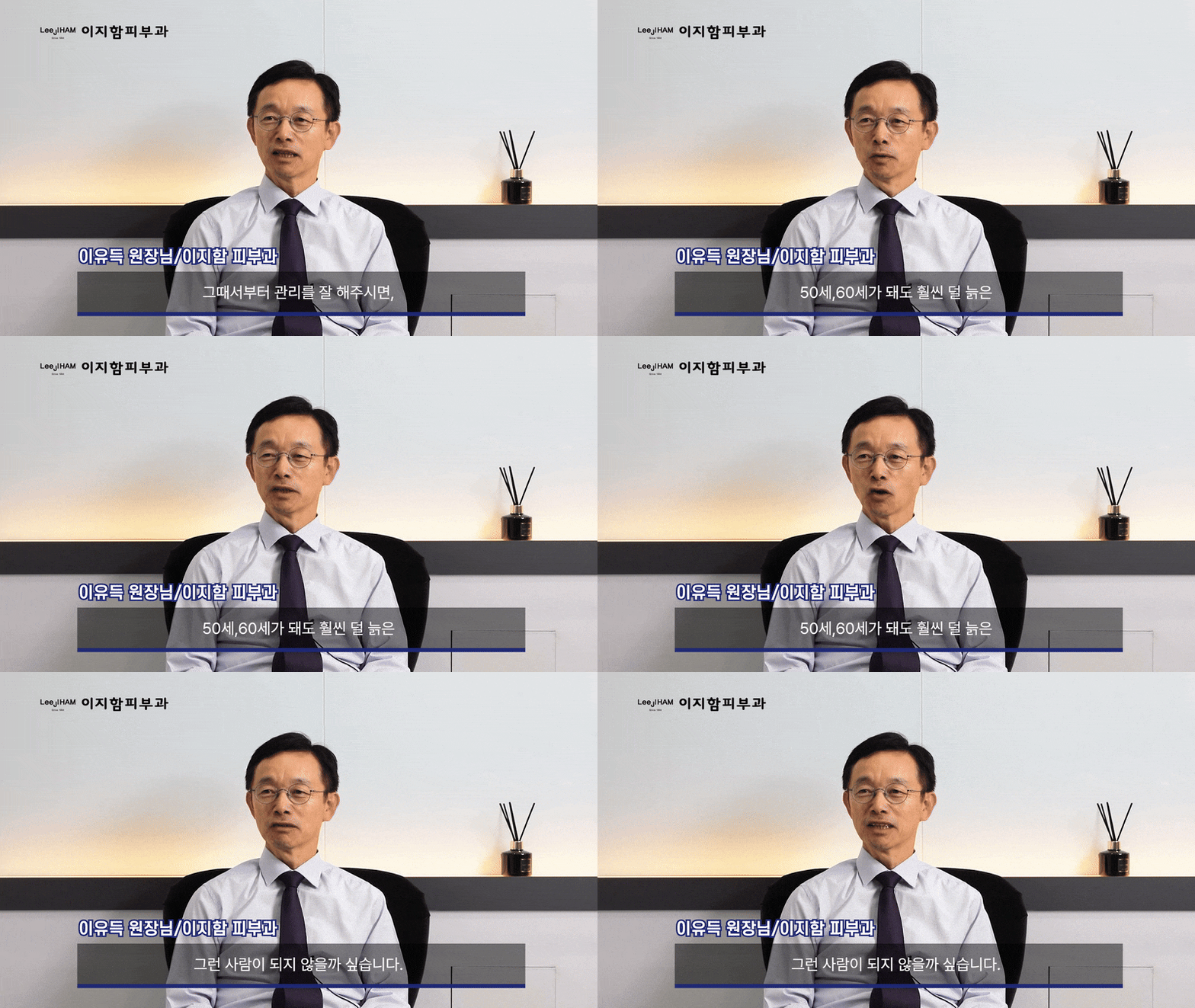
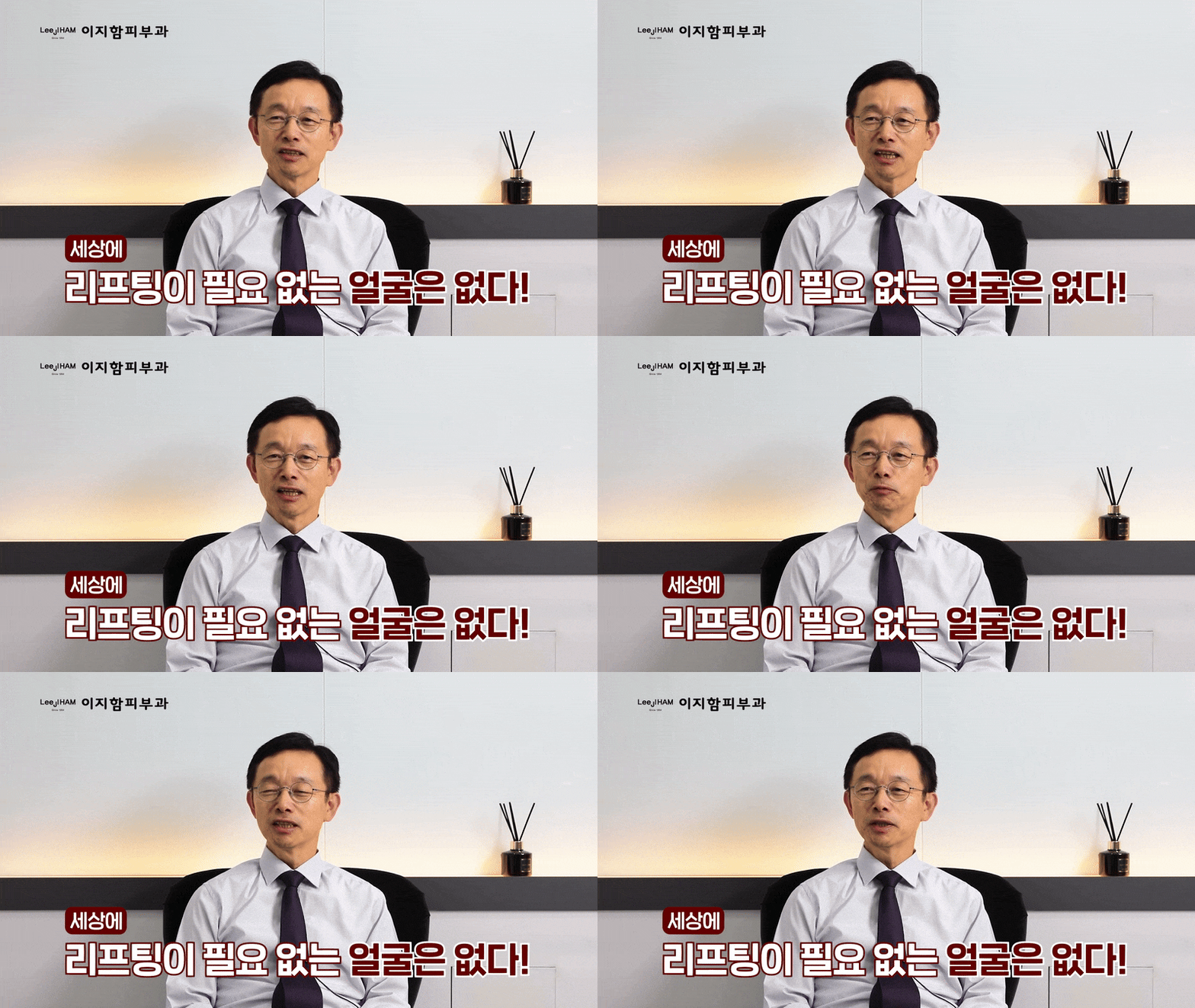
Rather than saying one is definitively better, it is best to understand that the approach changes depending on the skin condition and the nature of the concern.
There are also cases where both are performed together, and in such cases, it is important to discuss the order and interval of treatment sufficiently with the medical staff.
Aftercare habits affect how long the results last
No matter which lifting method you choose,
aftercare has a major effect on
how long the results last.
For about one week after the procedure,
it is better to avoid activities that rapidly
raise body temperature, such as saunas,
heated rooms, and excessive exercise.
Sunscreen is a basic principle that should be followed after any skin procedure, and consistently using products with SPF 50 or higher is helpful.
Drinking enough water and maintaining moisturization also help create an environment for collagen formation.
Regardless of the type of ultrasound lifting,
lifting effects often appear not immediately
after the procedure but gradually as collagen
forms over 4 to 12 weeks, so it is also
important not to judge the results too early.
For those who want to improve both skin hydration and elasticity, combining treatment with a skin booster may be considered after consulting with the medical staff.
Consistent hydration, regular sleep, and sunscreen habits are practical ways to help maintain the results for a long time.

Honest care, the first step toward a comfortable face
Easyham Dermatology takes as its treatment philosophy creating a comfortable face rather than making excessive changes.
If you have concerns about skin elasticity, it is important to first accurately understand your own skin condition rather than following trends or advertisements.
Every skin is different,
and each condition has its own
appropriate approach.
Among the various lifting methods, including ultrasound lifting types,
it is preferable to determine through a thorough diagnosis which one is suitable for the skin at this moment.
Based on honest care and the trust we have built, Easyham will strive to be a clinic you can rely on for a long time, rather than just one treatment.
We will continue to stay by your side so that we are the first name that comes to mind when skin concerns arise.
Previous image
Next image










Previous image
Next image









Previous image
Next image