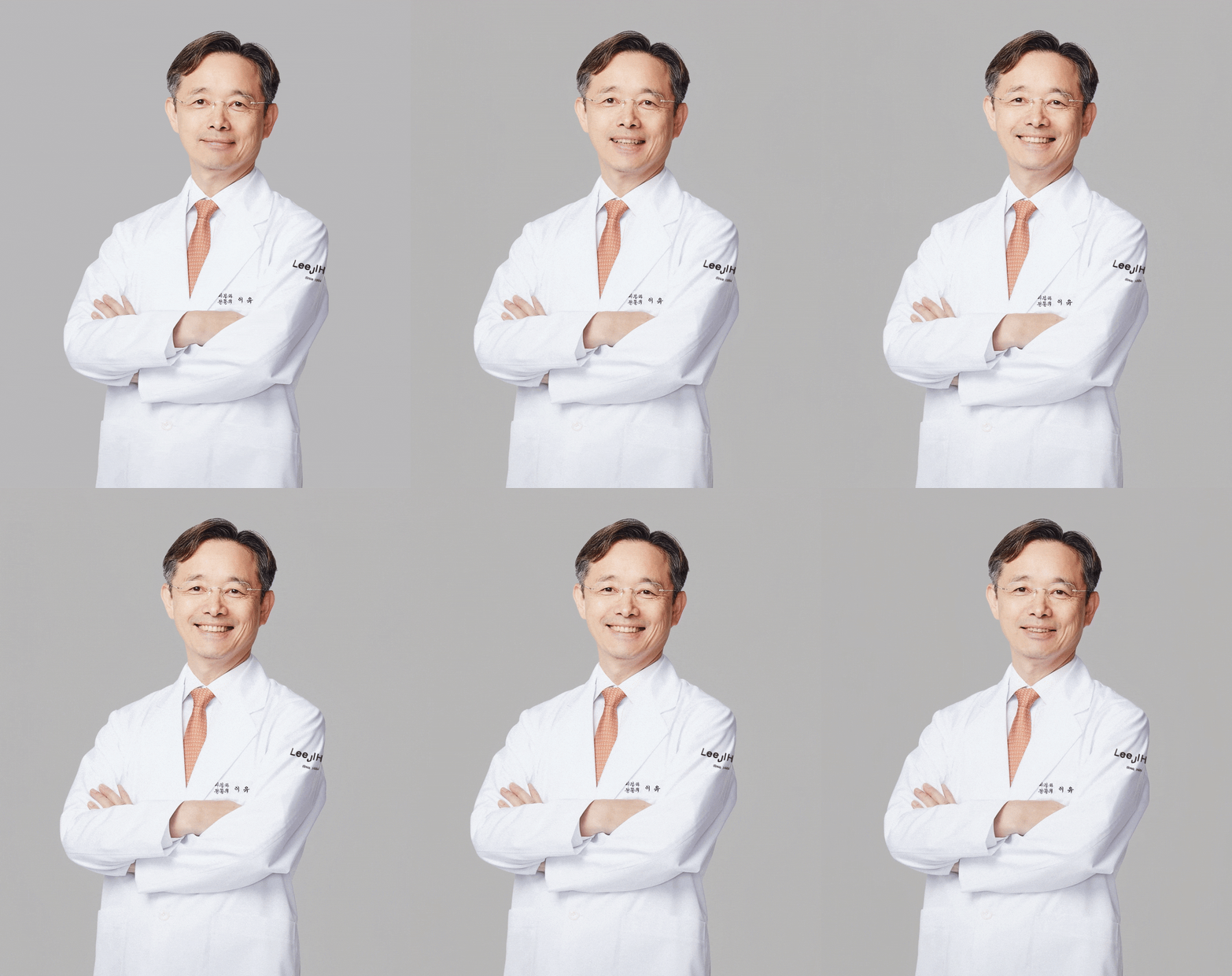
Don’t let excessive marks stress you out,
IJH Skin Clinic will explain.
The marks left behind after acne has passed can go beyond a skin concern and become something deeply tied to confidence in daily life.
Red marks, uneven skin texture, and depressed scars often remain visible depending on the angle of the light, even when covered with makeup.
If repeated moments of sighing in front of the mirror continue because of marks left even after active acne has subsided, we fully understand how heavy that feeling can be. Today, we will walk you through the characteristics of Gangnam Station acne scars by type and the treatment direction suited to each one.
We hope this article can be a small help to those who have been carrying scar concerns alone for a long time.
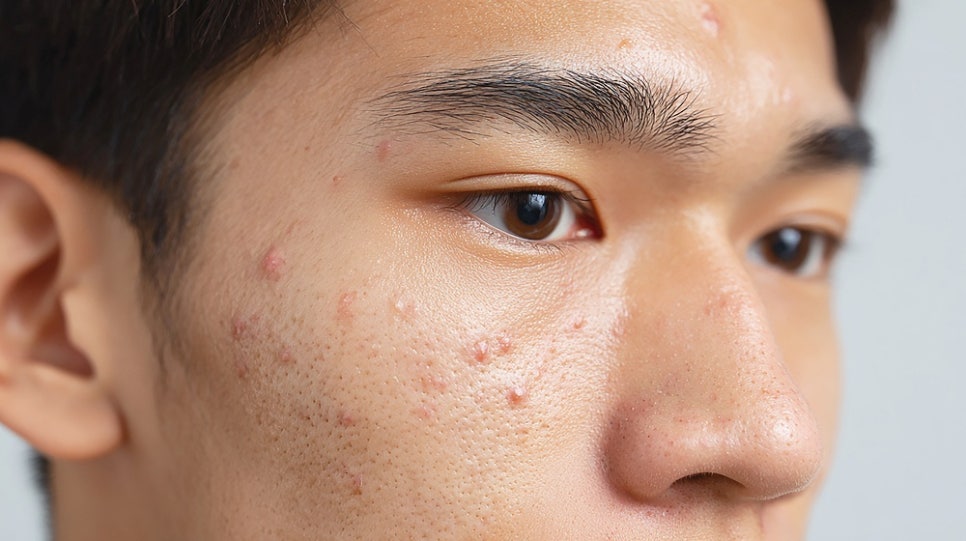
What you need to know for smoother-looking skin,
Causes of scar formation and skin changes
Acne scars are marks left when acne inflammation
causes damage down to the dermis.
During the skin’s natural healing process,
scars form when collagen is produced in
excess or insufficient amounts,
and this appears differently depending on
individual skin types.
In particular, squeezing acne with your hands or
leaving it untreated for a long period can
allow inflammation to affect deeper layers,
causing scars to settle in more clearly.
Just like a sunken pothole in the road, once the dermal tissue of skin has been deeply damaged, it is difficult for it to return to its original state by its own power alone.
During the inflammatory process, collagen fibers in the dermis are destroyed and replaced by abnormal tissue, which determines the depth and shape of the scar.
If you are concerned about Gangnam Station acne scars, once scars remain, it is more helpful to encourage the skin’s internal recovery process through treatment rather than relying only on the skin’s natural recovery ability.
 Scar treatment approaches differ depending on the type
Acne scars are broadly divided into
three types depending on their shape.
First, the ice pick type is a narrow, deep scar that looks as if it were pierced by an awl, and because it extends into the deeper dermal layers, it is a difficult type to address.
Second, the boxcar type is a scar with clearly defined, wide, angular depressions,
and third, the rolling type is a scar in which fibrous tissue under the skin pulls downward, creating a wavy, undulating texture.
In many cases, these three types appear mixed together on one person’s face.
Because each scar differs in shape and depth,
addressing all types evenly with just one method is difficult.
Identifying which type of scar it is first becomes an important first step in deciding the treatment direction.
This is also the key reason why the approach changes depending on the type of scar.
This is exactly why it is necessary to accurately check the type and condition of scars at a dermatology clinic.
Even for the same acne scar, the approach for an ice pick type and a rolling type can be different.
 Why a combined approach is used for scars
At IJH Skin Clinic, we perform CLO scar restoration for acne scars.
CLO is named after the first letters of chemical treatment, laser treatment, and surgical treatment, and it is a method that applies all three approaches in combination.
The chemical treatment, CROSS, directly applies TCA medication to the scar area to stimulate fibroblasts in the dermis and induce collagen and elastin synthesis.
Laser treatment uses a fractional laser to deliver thousands of micro-stimuli, helping activate collagen and also working on the pore area.
Surgical treatment uses dermal excision or punch techniques to separate fibrotic tissue pulling on the skin from beneath the scar, helping the skin rise naturally.
In cases where multiple types are mixed together, as with Gangnam Station acne scars, combining these three methods can help address various scar forms more evenly.
In particular, it is important to adjust the proportion and order of each method according to the type and depth of the scar.
This method is suitable for those who have scars of different forms together, and with a consistent process, positive changes in skin texture can be expected.
 Daily care should continue after treatment
What is just as important as treatment is daily skin care.
After treatment, sun protection is especially important because repeated exposure to ultraviolet rays can cause pigmentation or slow the skin’s recovery.
It is helpful to apply a sunscreen with SPF 50 or higher carefully every day.
Also, since the skin remains sensitive for a certain period, avoid cleansers or scrub products with strong irritation, and it is better to maintain the skin barrier with a low-irritation moisturizer.
Frequently touching or rubbing the scar area with your hands can also interfere with skin recovery, so it is best to refrain from doing so.
Regular sleep, adequate water intake, and reducing spicy or irritating foods are also helpful in maintaining skin condition after treatment when managed together as part of your overall lifestyle.
Trying intensive care before the skin barrier has sufficiently recovered can instead cause pigmentation or skin irritation.
Please remember that treatment begins at the dermatology clinic, but care continues in daily life.
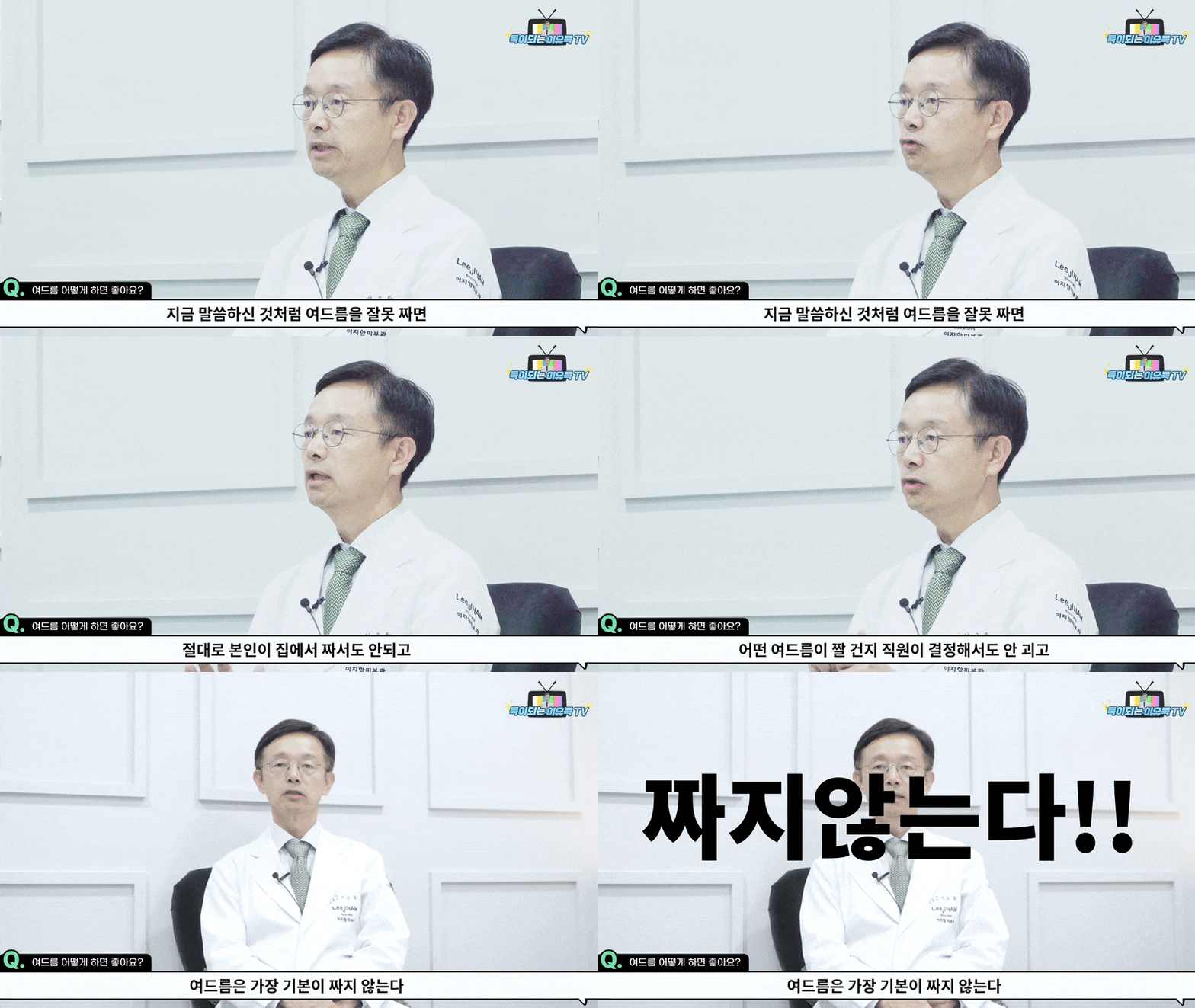
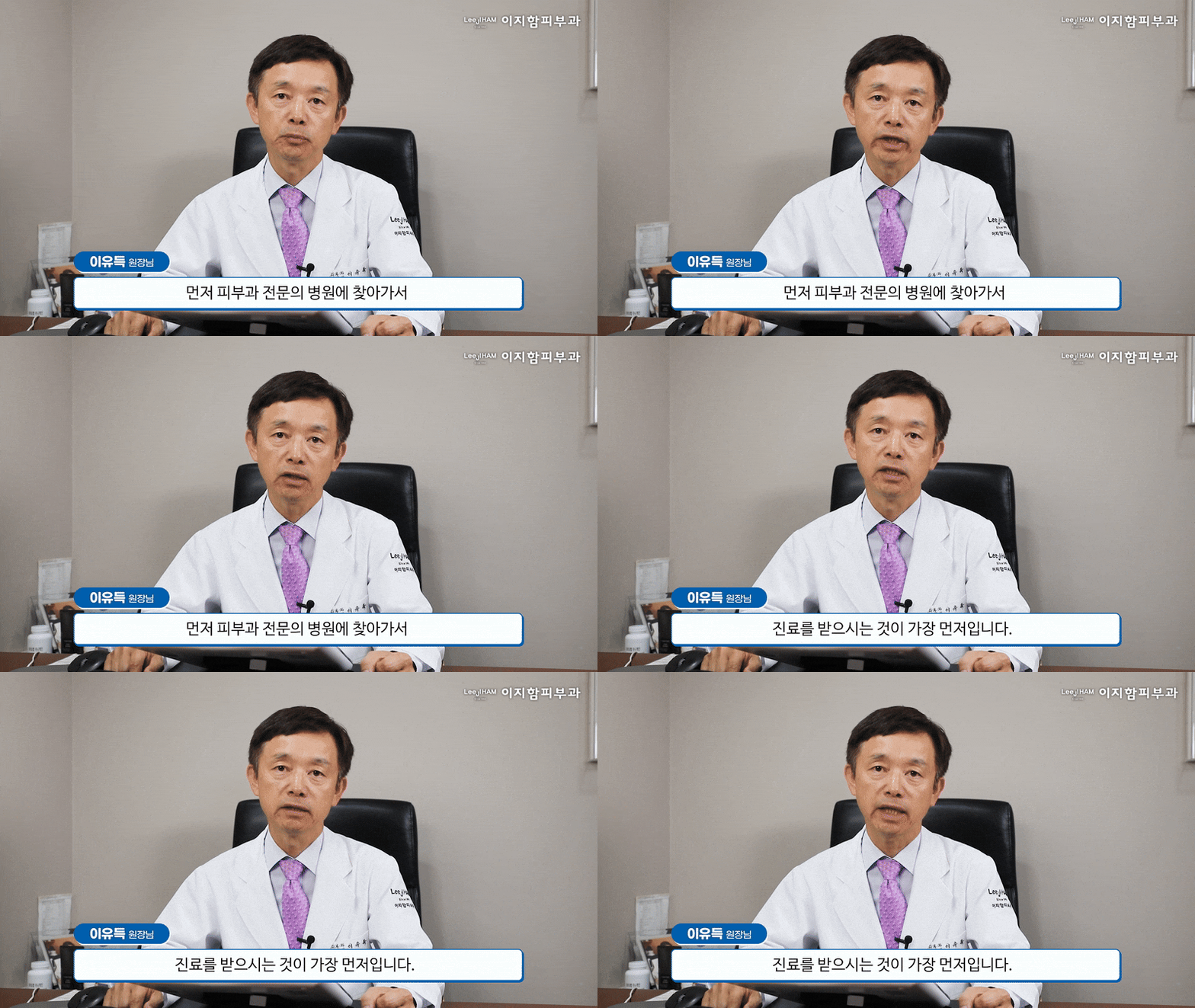 Treatment that examines skin condition and scar type together
Skin scar treatment is not something where every change happens all at once with a single method; it is a journey that improves little by little through a steady process.
Each time we examine the skin of visitors, we try to consider not only the condition of the skin but also the concerns and emotions behind it.
We always feel in the treatment room that each scar carries that person’s long time and emotions.
Each scar differs in depth and shape, and the appropriate approach can also vary.
If you have been worried about Gangnam Station acne scars for a long time,
accurately understanding the skin condition and finding an approach suited to the scar type is a good starting point.
Every skin is different, and every scar contains its own story.
IJH Skin Clinic aims to look at that story together and find a direction.
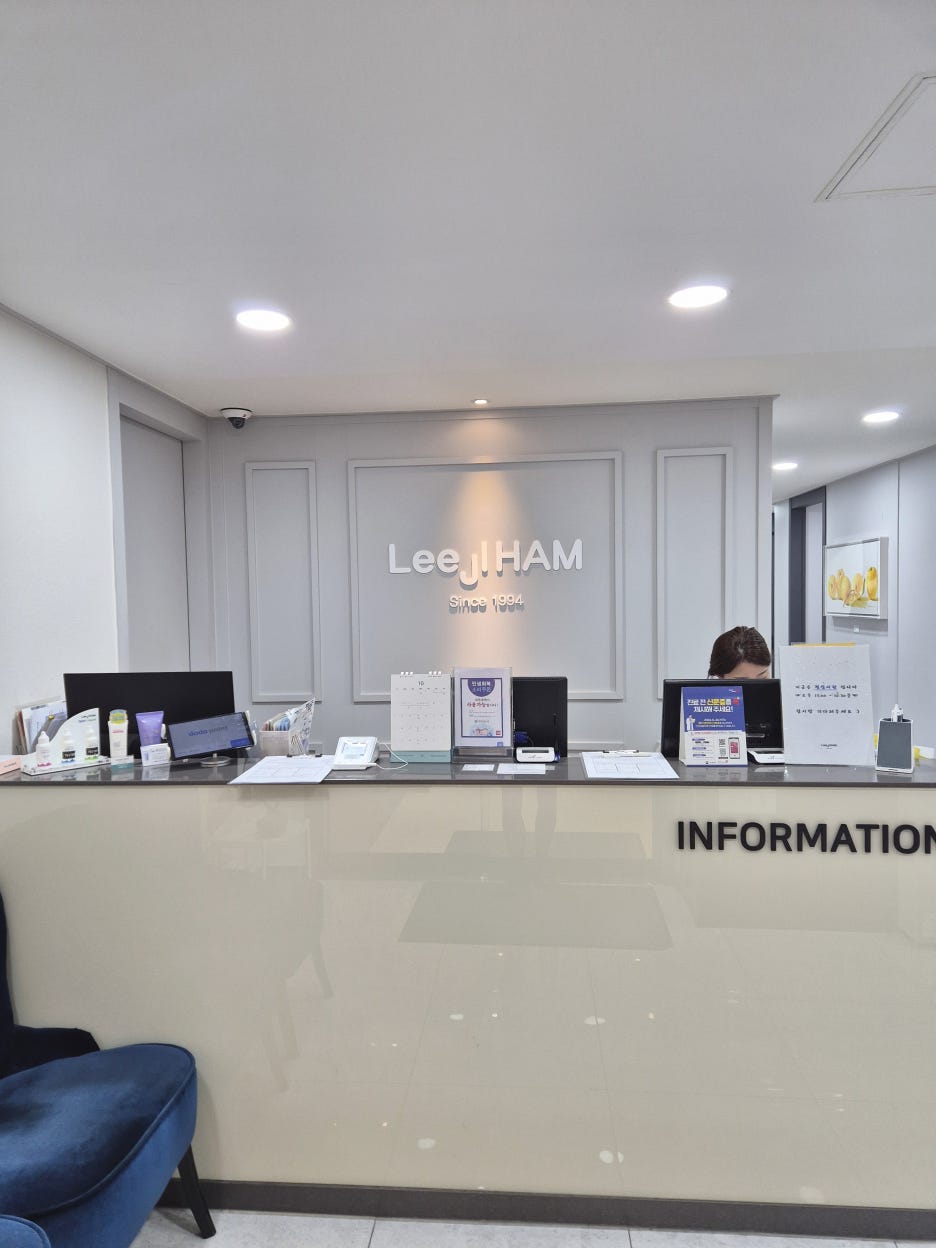
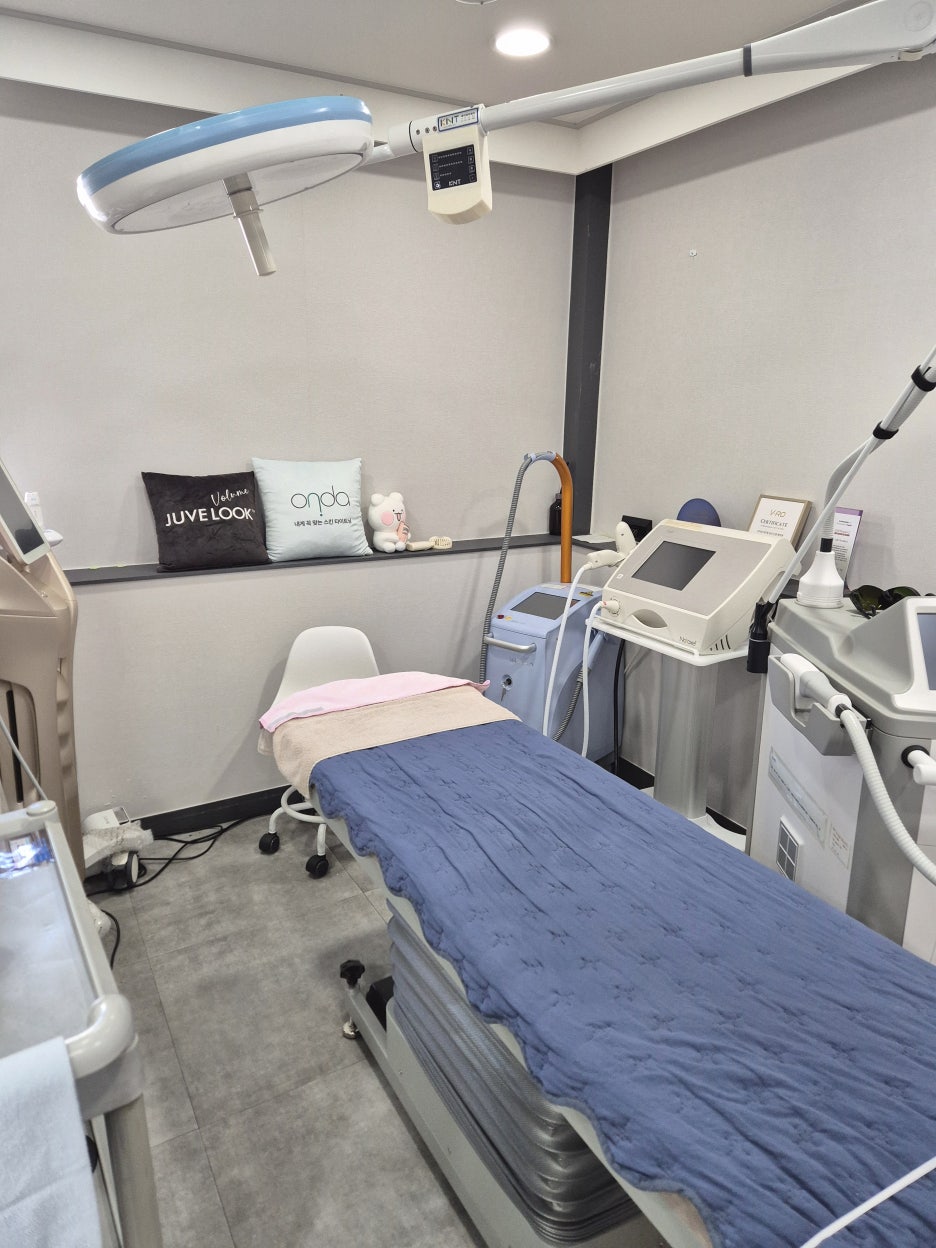
 Previous image
Next image
Previous image
Next image
A word from IJH Skin Clinic
IJH Skin Clinic carefully examines each visitor’s skin condition and scar type, then works together to find the most suitable direction.
Toward positive changes where skin texture becomes more refined and the depth of scars decreases, we will move forward together with honest care and proven methods.
It is realistically difficult for scars to return completely to their original state.
However, we hope to create experiences together with each visitor in which the skin texture is gradually refined and confidence in daily life is restored.
Aiming for a “comfortable face rather than excessive change,” we will work with those who have been concerned about Gangnam Station acne scars to find that direction together.