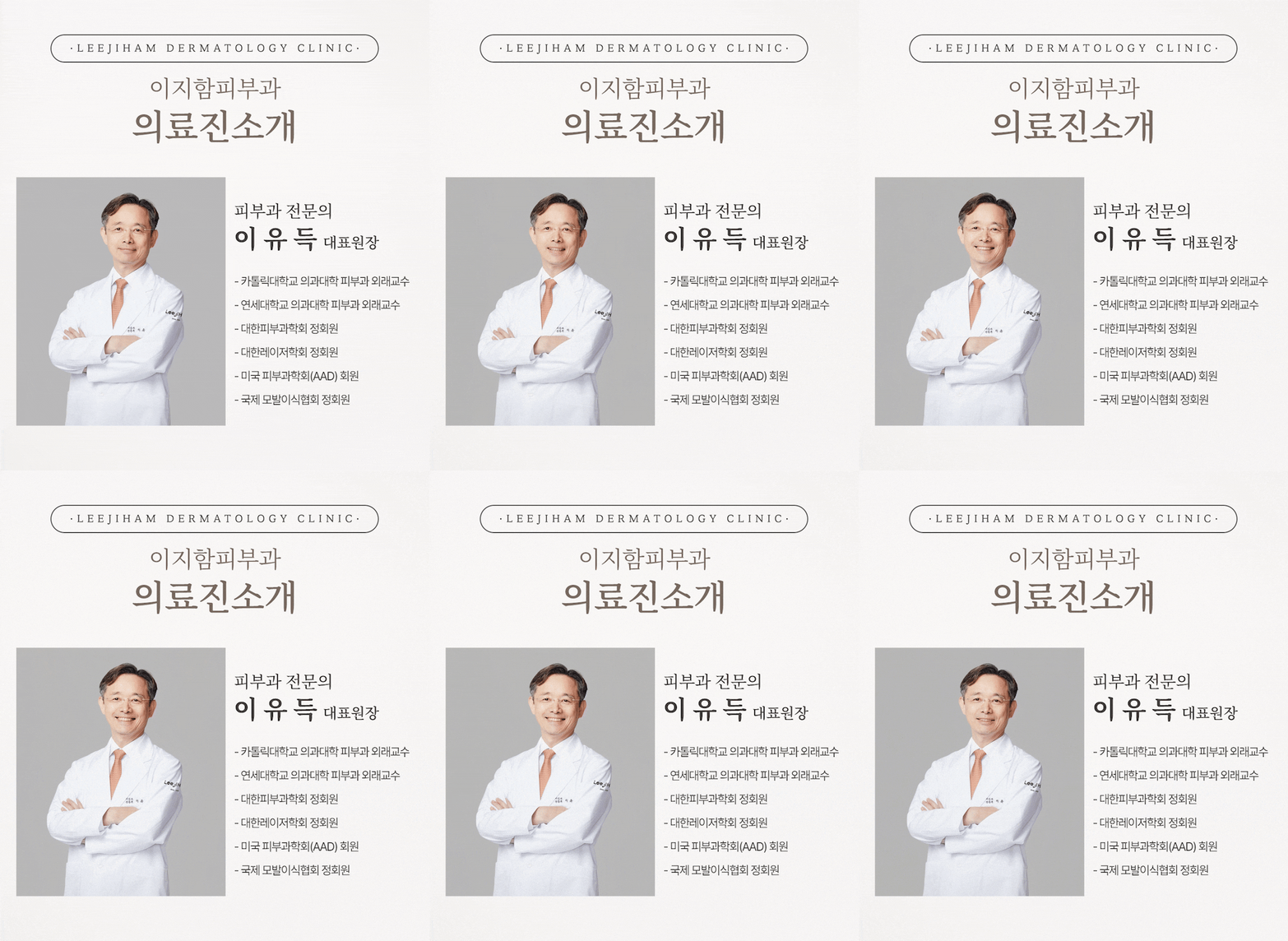
[Dermatologist Lee Yu-deuk]
Every time I look in the mirror,
the darkening red marks,
when on earth will they fade?
Even after becoming an adult, recurring breakouts and the red marks left behind can be difficult to cover with makeup, and they often shake confidence in everyday life.
One of the questions I am asked most often by visitors is, "How long does it take for these red marks to fade?"
In general, red marks tend to fade relatively quickly compared with brown post-inflammatory hyperpigmentation. However, if they are left untreated or managed in the wrong way, damage to the dermis can accumulate and lead to deeper indentations.
For those looking into an acne dermatology clinic near Sinnonhyeon Station to find the right direction for care, today I will talk in detail about the process of managing recurring breakouts and the marks they leave behind.
Simply squeezing them out is not enough
Here is why,
and the real cause.
The most fundamental cause of recurring breakouts is excessive sebum secretion and keratin thickening within the pores.
If inflammation that has come to the surface is forcibly extracted, additional damage is inflicted on the surrounding tissue.
This can lead to redness or deep indentations.
Therefore, rather than focusing only on visible inflammation,
an approach is needed that controls sebaceous gland activity and blocks the root cause of breakouts.
When examining the skin condition of those who visit the acne dermatology clinic near Sinnonhyeon Station, it is often the case that the skin is oily on the outside but dry on the inside, with a compromised barrier.
In such cases, care that appropriately suppresses sebum secretion while restoring the skin’s natural healthy environment should come first, and the Art Laser may help by selectively stimulating the sebaceous glands to regulate sebum secretion.
The Art Laser can not only help control sebum, but also reduce pore size and promote overall improvement in skin texture.
The 8-week journey to help your skin breathe — how does it work?
To break the cycle of recurring breakouts and build a healthier skin foundation, we generally recommend an 8-week program.
This program does not rely on just one method; depending on the visitor’s skin condition and symptom severity, several methods are used in combination.
Sebum control is performed with the Art Laser, while skin scaling and PDT scaling are combined to tidy up dead skin cells and excess sebum clogging the pores.
Once the skin surface has been neatly refined through scaling, the energy from the laser treatment that follows can be delivered more evenly.
During the active phase, when inflammation is severe, it is important to first stabilize the skin by focusing on sebum control and keratin management.
The light that erases blotchy marks — why is twice enough?
One of the things visitors often ask during the 8-week program is, "Why is IPL done only twice?"
IPL is a device that uses a broad range of wavelengths to address multiple skin concerns at the same time.
In particular, it may bring positive changes to red marks, flushing, and erythema left after inflammation.
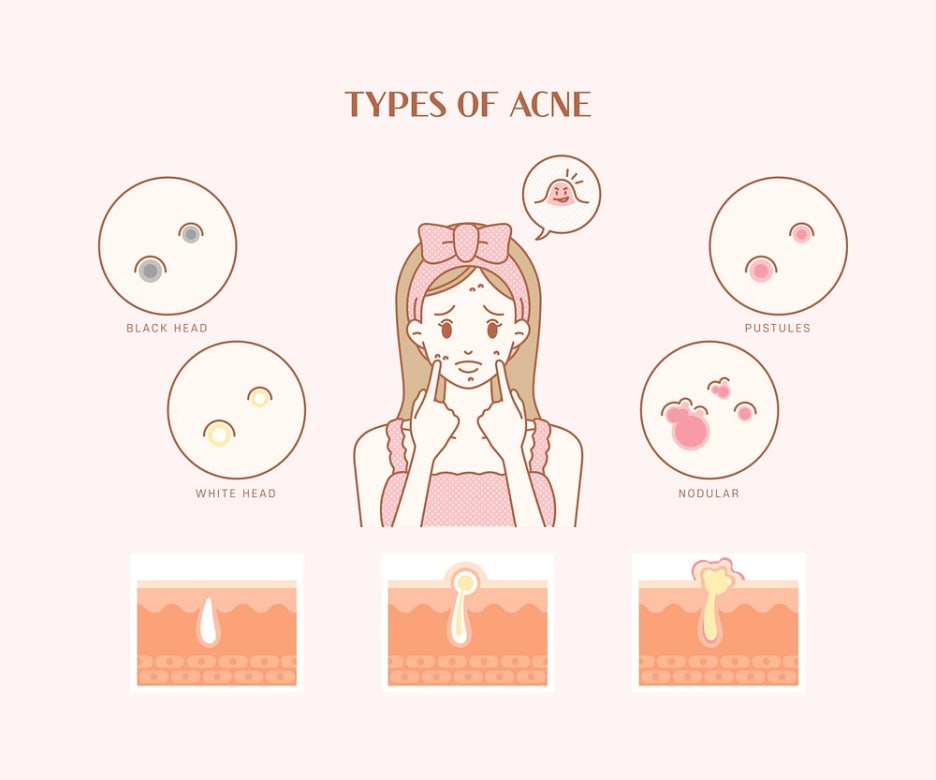
It works by selectively stimulating dilated blood vessels to manage redness.
At the acne dermatology clinic near Sinnonhyeon Station, IPL is performed twice within the 8-week program to closely check the degree of change in red marks and the skin’s response.
Through the two sessions, positive changes are encouraged, and after that, the visitor’s skin condition and recovery progress are assessed so that, if needed, additional plans can be made through consultation with the medical team.
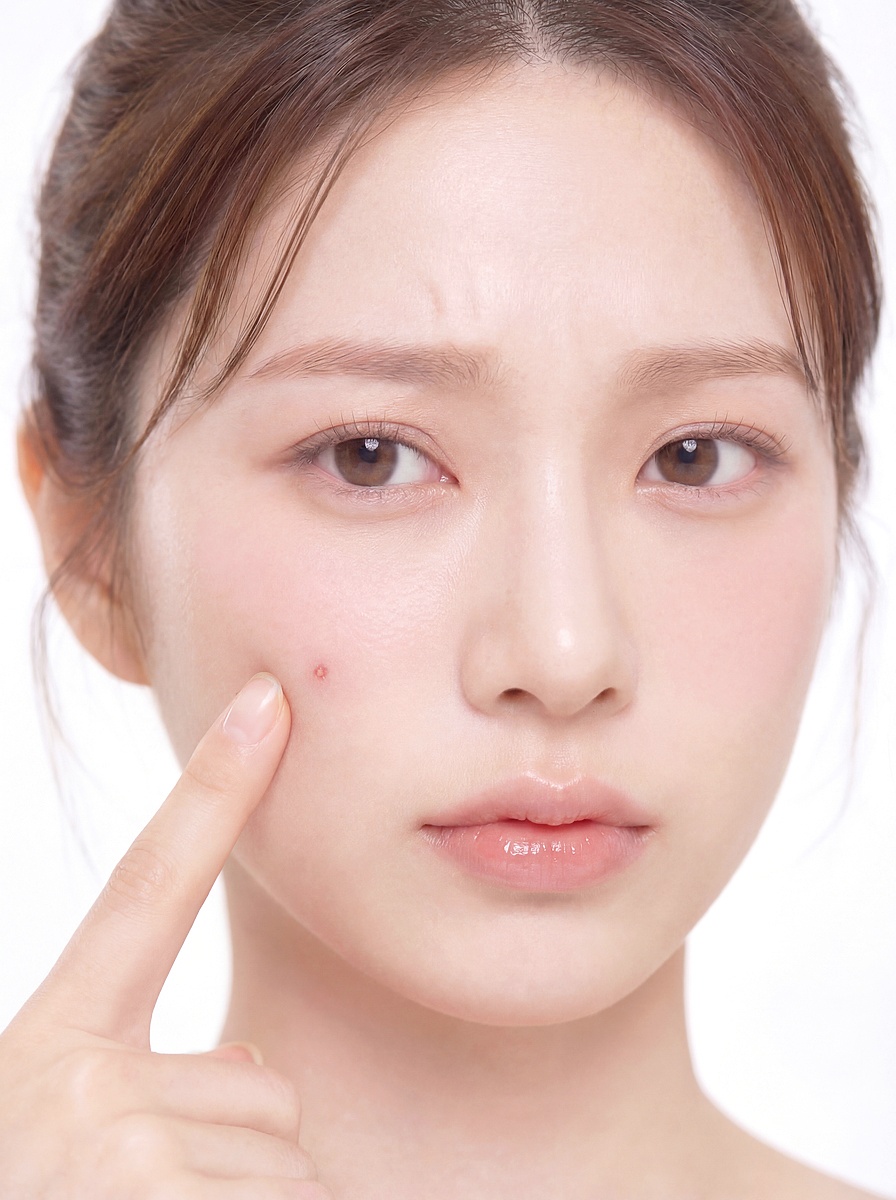
Three approaches that help fill in already deep indentations with new skin
If, beyond red marks, the skin tissue has been lost and deep indentations remain, it is best to begin full scar management after the inflammation has sufficiently stabilized.
To effectively address skin with multiple types of marks, we use the CLO scar restoration procedure, which combines chemical, laser, and surgical methods.
The chemical method (CROSS) involves penetrating the scar area with a chemical agent called TCA to stimulate fibroblasts in the dermis and induce the synthesis of collagen and elastin.
The laser method uses fractional lasers (Cellas, Pico Fractional, Secret, Tixel, etc.) that create thousands of microscopic channels to stimulate the dermis and induce collagen synthesis.
Finally, the surgical method (dermabrasion and related procedures) uses a special needle to cut the fibrotic bands pulling the skin down beneath the scar, creating space for new tissue to fill in.
With this combined approach, gradual changes can be expected over multiple sessions.
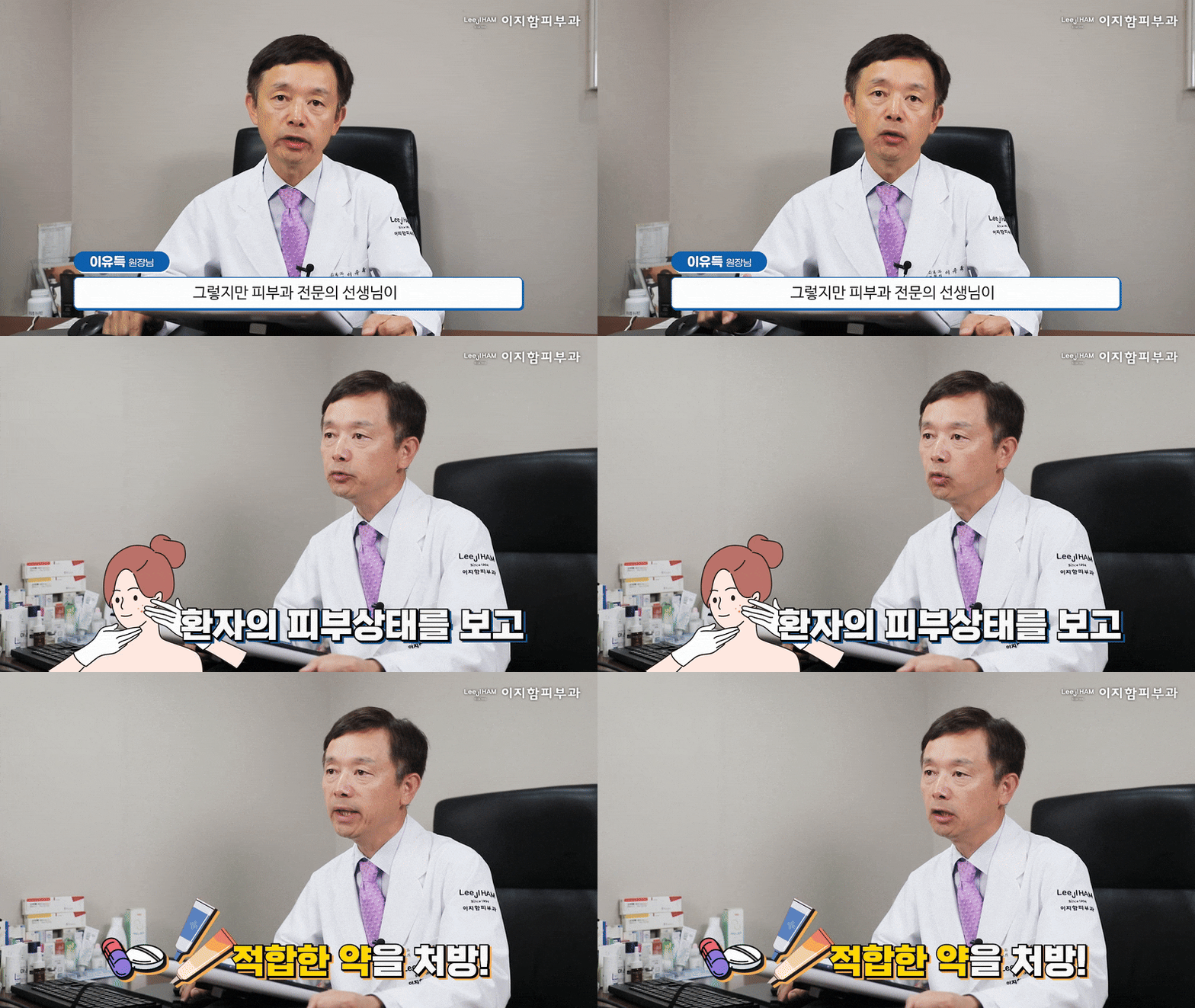
Worried it will hurt or take too long to get back to daily life?
One of the reasons people hesitate to visit the acne dermatology clinic near Sinnonhyeon Station is concern about the pain that may accompany treatment and the recovery period afterward.
There may be individual differences depending on the method used, but the scaling process is generally associated with very little pain.
With the Art Laser or IPL, a slight stinging sensation may occur during the procedure, but if needed, a numbing cream is applied generously to minimize discomfort.
Also, after most treatments, you can return to your daily routine right away.
There may be slight redness after scaling or temporary fine flaking after laser treatment, but these are part of the normal skin recovery process and usually settle naturally within a few days.
From the next day, light makeup is possible as long as you use products that are low in oil and less irritating.
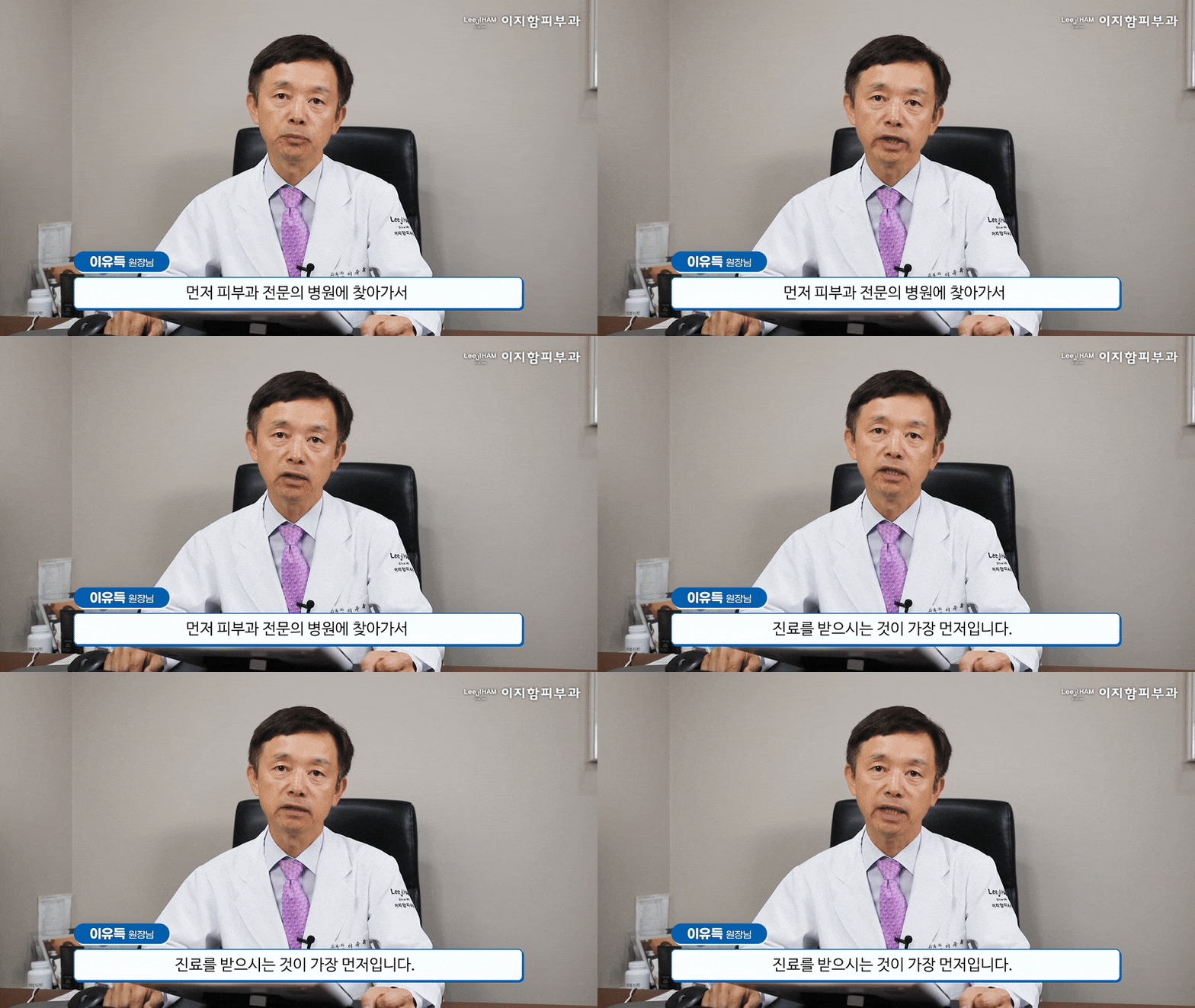
A promise to prevent the clear skin you worked hard to regain from returning to how it was before
Just because your skin condition improves through treatment does not mean everything is over.
To keep your skin clear for a long time, proper post-treatment habits and careful home care should go hand in hand.
In-clinic care is the process of creating the best possible foundation for the skin to recover on its own, and maintaining that improvement depends on the visitor’s efforts in daily life.
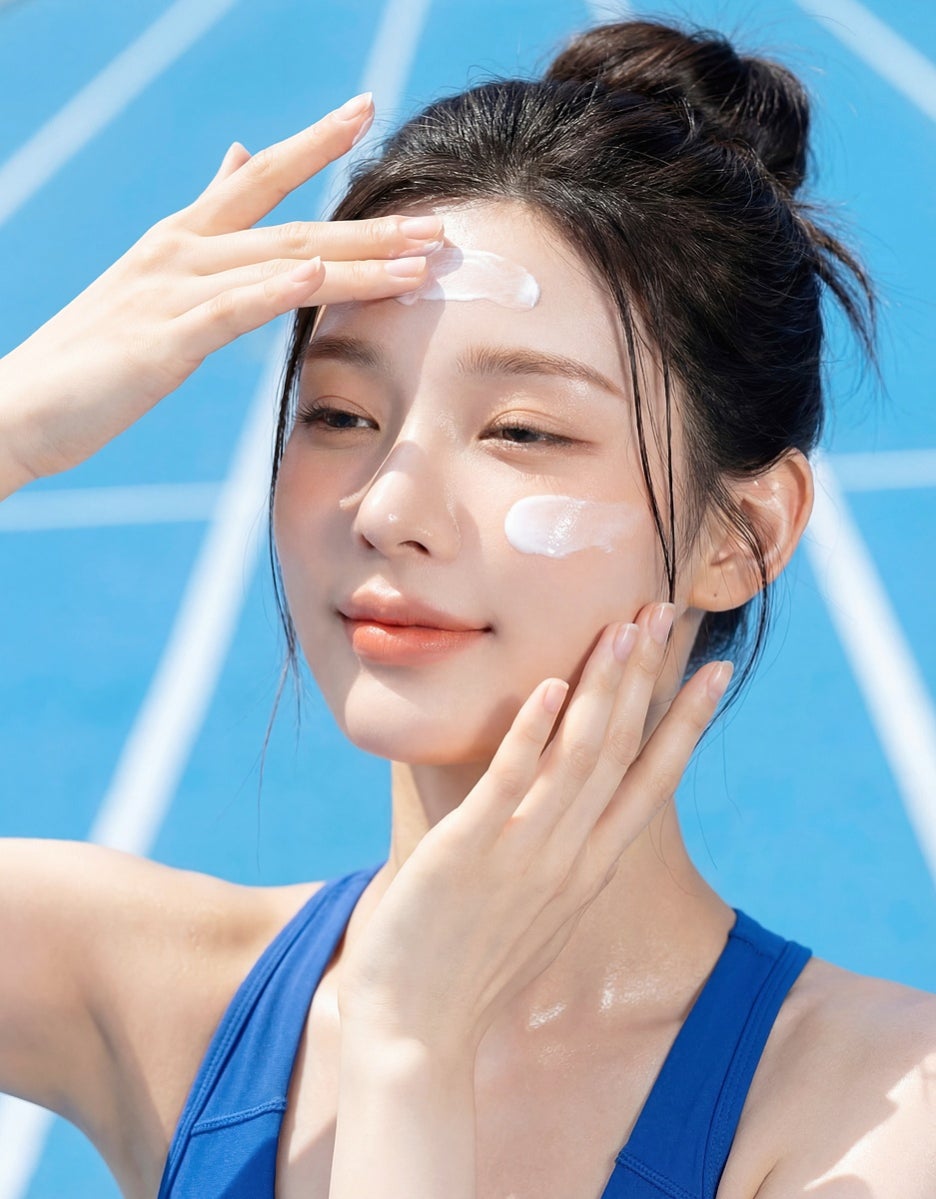
A gentle and consistent cleansing routine that avoids excessive irritation, proper moisturizing to strengthen the skin barrier, and careful use of sunscreen are all helpful.
In addition, maintaining healthy habits such as controlling diet and getting regular sleep can also help reduce recurrence.
The acne dermatology clinic near Sinnonhyeon Station is not a one-time treatment place; even afterward, we will stay by your side with regular checkups and skin care guidance so that you can continue to care for your skin in a healthy way on your own.
Because everyone’s skin type and sensitivity are different, we always make an effort to understand each visitor’s unique skin characteristics through 충분한 conversation and guide them in a direction suited to them.
We will continue to provide sincere care, insisting on honest treatment and only proven methods, until the day you can escape the long pit of breakouts and smile comfortably again.