Even when the same method is applied,
there is a reason the results differ:
The answer lies within the skin.
The question of why the effects of ultrasound lifting vary from person to person is one of the most common questions we encounter in dermatology practice.
Even when the same device and the same number of shots are used, differences in maintenance period and perceived results occur for reasons that can be explained scientifically, beyond simple individual variation.
In this article, I will explain which layer of the skin high-intensity focused ultrasound acts on, and the specific reasons why differences in results occur.
Deep within the skin,
Energy that reaches the SMAS layer
High-intensity focused ultrasound,
that is, HIFU-based lifting,
is a method that does not directly apply heat to the skin surface
but concentrates energy
at a specific depth.
The key action point is the SMAS layer,
a fascia layer located
4.5 mm below the skin.
The SMAS is a membrane tissue that
connects muscle and skin,
and is directly tied to the structural causes of facial sagging.
When thermal coagulation points are formed in this layer,
the surrounding fibroblasts are stimulated,
and collagen synthesis is reactivated.
Over the next 2 to 3 months, new
collagen accumulates within the tissue,
and the sagging tissue gradually
begins to lift upward.
Collagen formation requires biological
time, and the density and durability of the
result vary greatly depending on each person's skin condition.

The fundamental cause of differences in longevity: skin thickness and degree of aging
The most fundamental reason ultrasound lifting results
vary from person to person is
skin thickness and the degree of aging.
Skin that maintains dermal density
tends to have good tissue responsiveness
to absorbing HIFU energy.
On the other hand, if the skin has become thinner and collagen density
has decreased, collagen formation responses may be
limited even when the same level of energy is applied.
This is because fibroblast activity itself
declines as aging progresses.
If sagging has advanced, meaning the
facial fat layer has shifted significantly,
the structural lifting force may be dispersed
even when energy stimulation is applied.

What matters more than shot count is the precision of energy placement
What determines the effect of ultrasound lifting
is not the total amount of energy.
The result is determined by how precisely
the anatomical points that actually lift the sagging tissue
are targeted.
Because skin thickness and the position of the fat layer differ by area—
under the cheekbones, the SMAS junction of the cheeks,
the jawline border, the forehead, and around the eyes—
a method that applies the same depth and energy uniformly
is not efficient.
Applying an excessive number of shots without considering each person's bone structure or aging pattern can lead to unnecessary energy overload or dispersed effects.

Why Lee Jiham values a customized approach
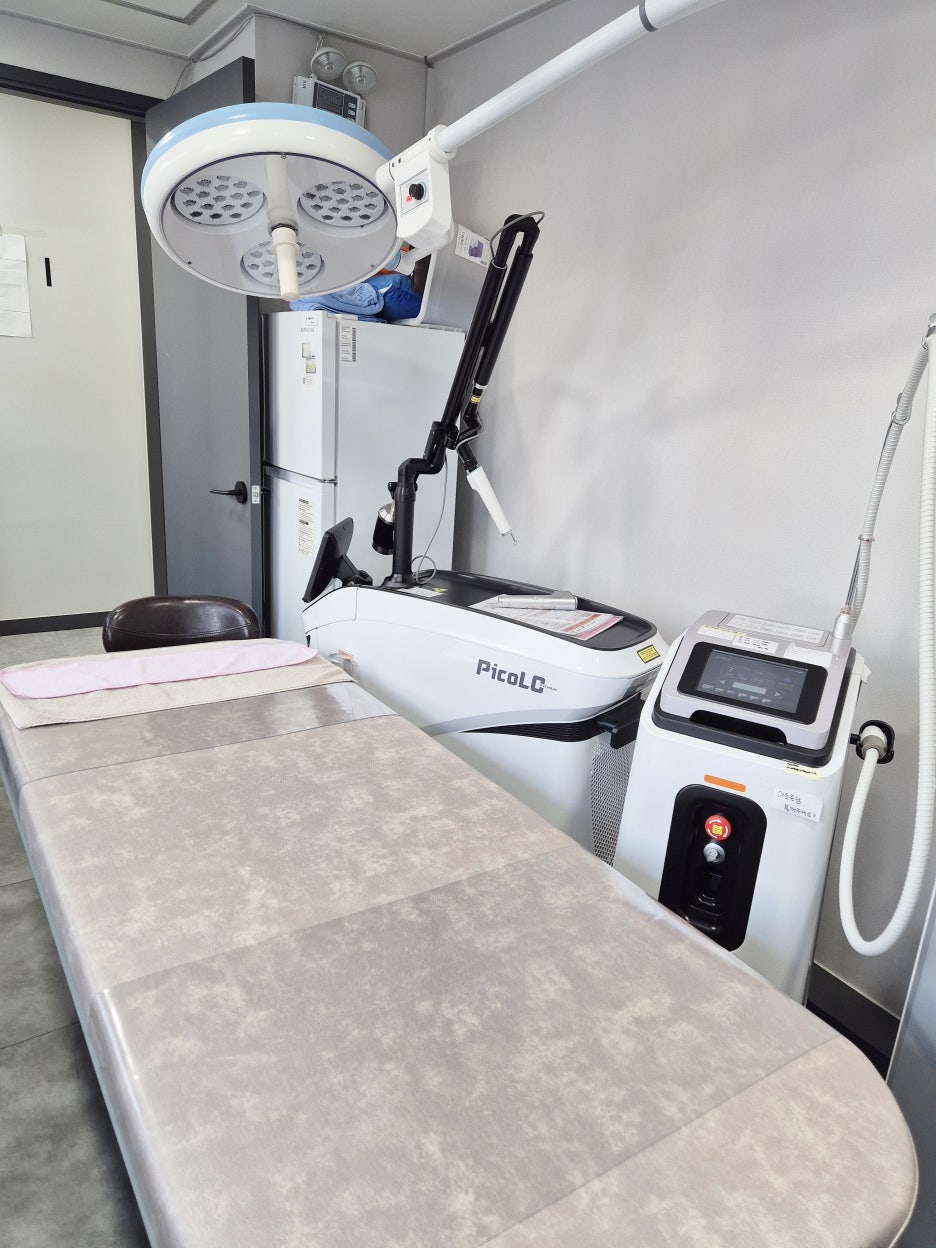
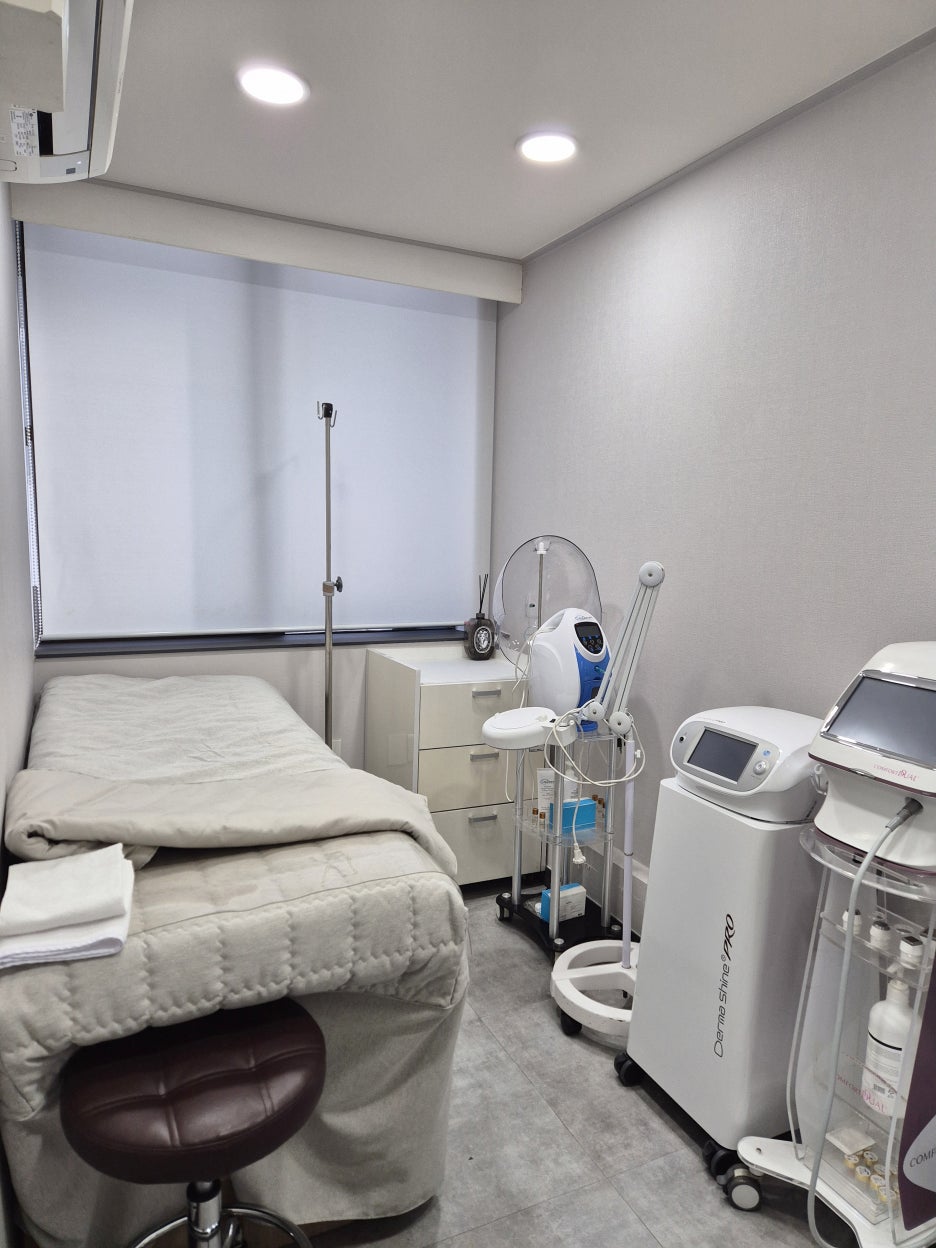
The lifting devices used at our clinic are Doublo Gold, Viro, Shurink, Thermage, and Ulthera.
Each has differences in energy delivery and penetration depth, so we choose the device according to skin thickness and sagging pattern, and adjust the depth and shot spacing by area.
For skin in the 50s with reduced dermal density, distributing stimulation across multiple depths at an intensity suited to tissue responsiveness may lead to a better collagen response.
For someone in their late 30s, when sagging has just begun, a preventive approach that concentrates energy at the SMAS junction can be effective.
The effect of ultrasound lifting can lead to more meaningful results when we first examine the skin condition and design a method that fits it.

After lifting, please allow time for collagen to complete its process
The result after lifting is completed gradually over 2 to 3 months rather than on the same day.
If the skin is strained during this period, the collagen formation process may be disrupted.
For one week after the procedure, it is best to avoid actions that rapidly raise body temperature, such as saunas, jjimjilbangs, or intense exercise.
Sun protection is an important part of care throughout the collagen formation period.
This is because oxidative stress caused by ultraviolet rays can affect newly synthesized collagen.
Adequate water intake and light moisturizing care also help maintain an environment that supports skin recovery.

Our goal is to create a comfortable face rather than an excessive change
The reason ultrasound lifting effects differ from person to person is that skin thickness, the pattern of aging progression, the precision of energy placement, and the post-procedure recovery environment all work together.
No single factor determines the result.
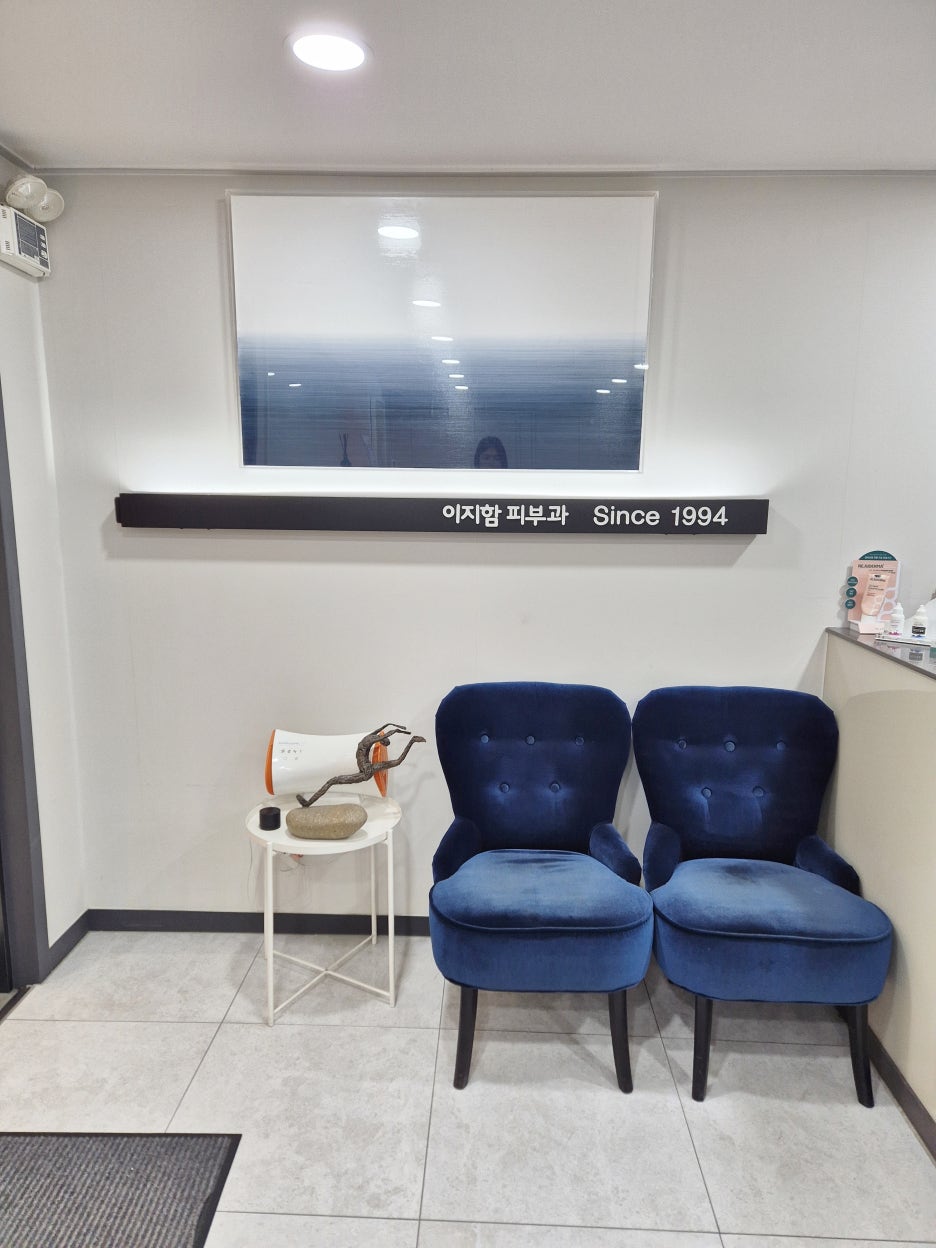
At Lee Jiham Dermatology, our goal is to create a comfortable face rather than an excessive change.
Rather than a method that fills in with shot count, we aim for care that first looks at what this skin needs now.
We will continue to uphold the value of honest treatment and reliable methods.
Previous image
Next image