Even after becoming an adult,
if acne appears,
you need to look at the cause differently.
In the consultation room, I often meet people who ask, “I’m already older, so why am I still getting acne?”
The age range of people worried about adult acne near Gangnam Station varies from the late 20s to the 40s, and the causes and patterns are also different.
Unlike teenage acne, adult acne is often not simply a matter of excessive sebum production. In most cases, hormonal changes, stress, lack of sleep, and incorrect skincare routines interact in complex ways.
In this article, I will organize from a medical perspective why adult acne occurs and what kind of dermatological approach is used.
Why Adult Acne
Differs from Teenage Acne
Teenage acne is mainly
concentrated on the T-zone around
the forehead and nose,
and excess sebum is the main cause.
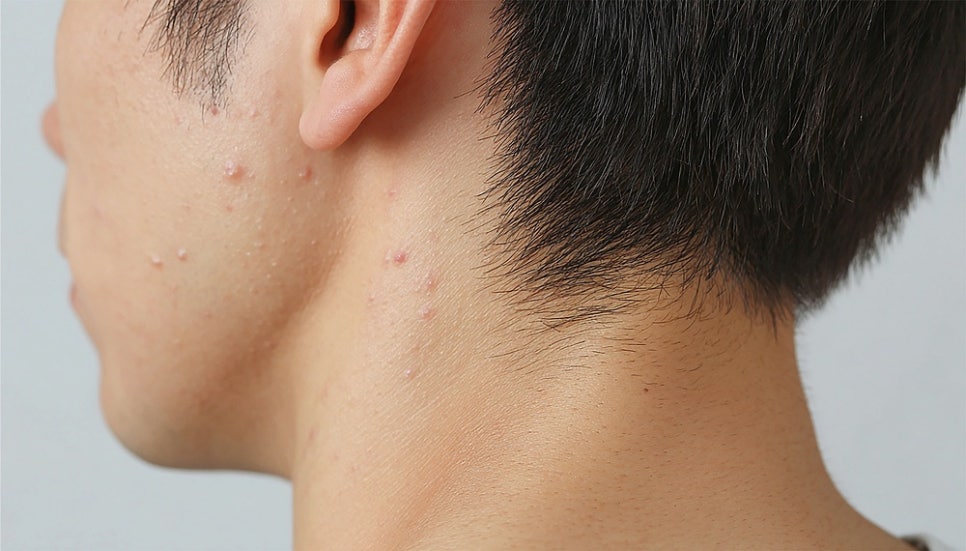
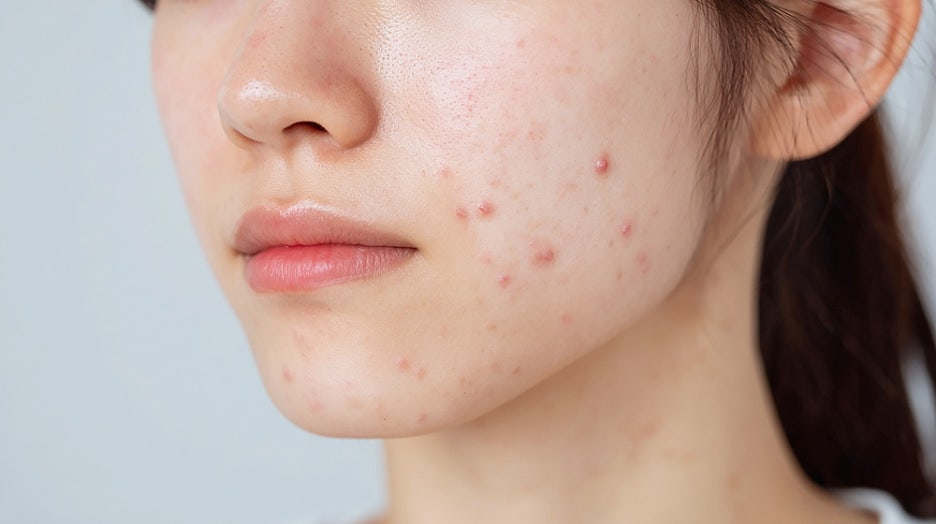
On the other hand, adult acne near Gangnam Station
tends to appear more often on
the jawline, lower cheeks, and neck.
These areas are regions where
a hormone-sensitive
concentration of sebaceous glands exists.
In particular, for women, changes in
estrogen and progesterone
during the menstrual cycle
directly affect the amount of
sebum secretion.
Cortisol released from the adrenal glands
due to stress also raises
androgen levels and
stimulates the sebaceous glands.
Adult skin also has a slower
cell turnover rate, making it an
environment where dead skin cells inside pores
do not shed properly and
are more likely to accumulate.
Why You Need to Reach Deep into the Sebaceous Glands
Many people try to squeeze acne or
manage only the surface with
strong peeling agents.
However, the key issue in adult acne is
often the overactivity of the
sebaceous glands themselves,
so simply treating the skin surface
makes it difficult to expect
fundamental changes.
The sebaceous glands located in the dermis
are situated deep below
the epidermis.
There are limits to how far
topical agents or simple skincare
can reach that depth.
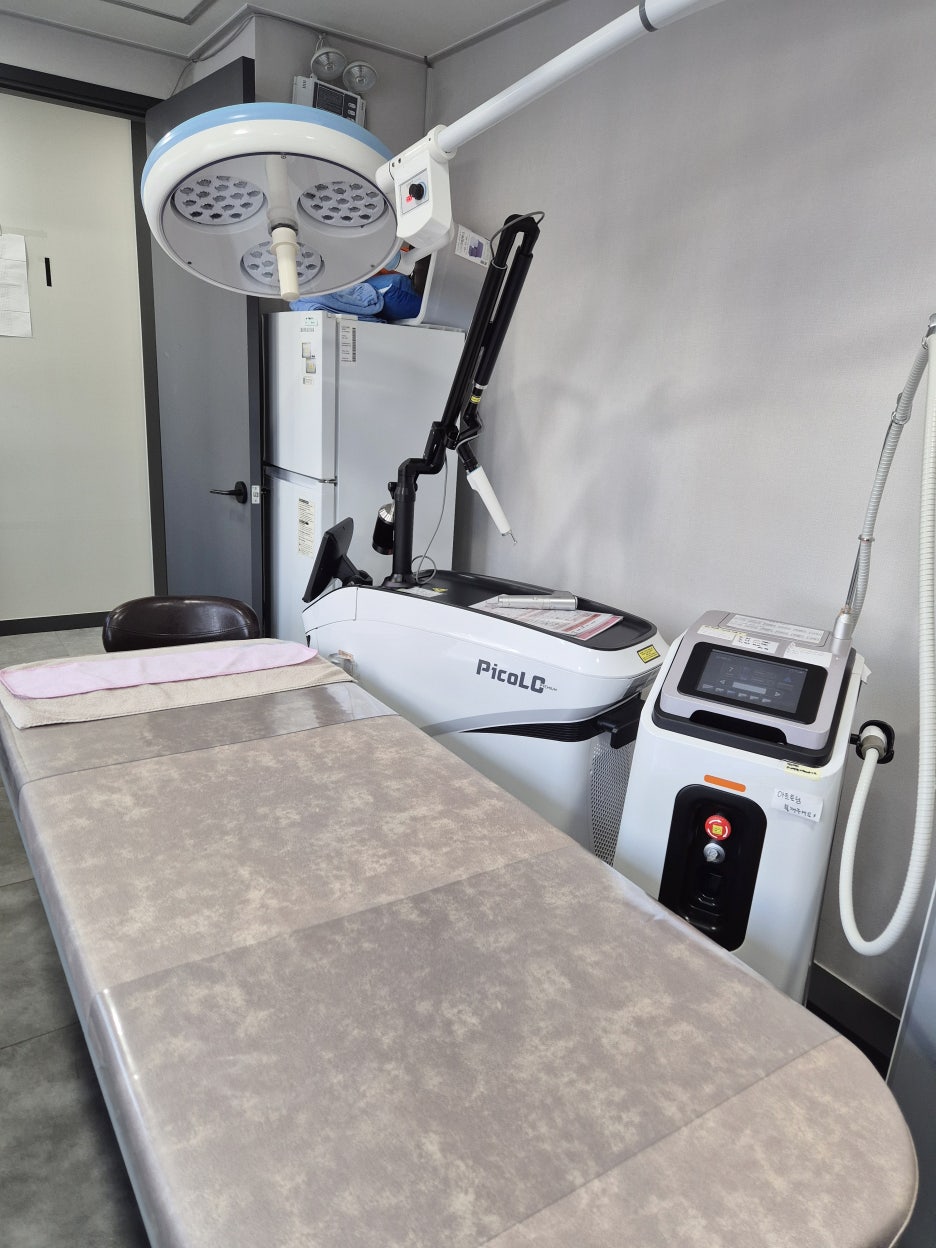
At Ejiham Dermatology,
Artra Laser is used
to act on the sebaceous glands themselves.
Artra Laser uses laser energy
at a specific wavelength
to selectively target the sebaceous glands.
It may help regulate
sebum secretion and
bring positive changes to the
environment where acne bacteria
proliferate.
A pore-shrinking effect can also be
expected, making it one of
the meaningful approaches for
people whose acne
repeatedly appears.
Why a Combination Program Is Needed and the Logic of the 8-Week Structure
In managing adult acne near Gangnam Station,
it is not common for a single method
to resolve everything.
That is because acne is a complex skin
disorder in which excess sebum,
dead skin buildup, bacterial growth,
and inflammatory responses are all
interconnected at the same time.
At Ejiham Dermatology, we design a
combination program over an 8-week
period that targets each of these four
elements separately.
Skin scaling and PDT
Scaling clears dead skin cells and
sebum from inside the pores.
PDT is a method that suppresses
acne bacteria by applying a
photosensitizing agent and then
irradiating a specific wavelength of light.
In addition, IPL is performed twice
to manage the redness and red marks
caused by acne.
IPL works on the principle of
selectively responding to hemoglobin
and inducing positive changes in
vascular pigmentation.
The order and interval of each method
are adjusted according to the skin condition.
If Scars Have Already Formed, the Approach Changes
If adult acne near Gangnam Station
continues for a long time or
inflammation repeatedly worsens,
and damage reaches the dermis,
scars remain.
Depending on their form, scars are
classified into boxcar, rolling,
and ice pick types, and each has
a different depth and structure.
This is why it is difficult to
respond to all scar types with
a single method.
The CLO Scar Restoration Procedure is
a combination approach that merges
chemical treatment (the CROSS method),
fractional laser,
and surgical release.
The CROSS method using TCA stimulates
fibroblasts inside the scar and
induces the synthesis of collagen
and elastin.
Fractional laser creates thousands of
microscopic channels and can help
normalize dermal tissue.
The surgical method physically
disconnects the fibrotic connective tissue
beneath the scar,
lifting the skin upward.
When multiple scar types are mixed,
these three methods are combined,
and in most cases, changes can be
expected over 3 to 5 sessions.

Lifestyle Rules to Follow During Skin Recovery
After laser treatment or skin care,
the skin may temporarily become
sensitive or show redness.
The direction of care during this
period is to reduce irritation.
Sun protection should be the top priority.
This is because strong sunlight can
worsen post-inflammatory pigmentation.
It is advisable to use a sunscreen
with SPF 50 or higher,
but choose an oil-free formula.
For cleansing, it is appropriate to
use a low-irritation product and
finish gently with lukewarm water.
Environments that suddenly raise body
temperature, such as saunas or
Korean spa baths, are also best
avoided for about one week after treatment.
From a dietary perspective, high-carbohydrate
foods that quickly raise blood sugar
may stimulate sebum secretion,
so caution is needed.
Previous image
Next image
There is a different story for each skin type, and diagnosis that fits it comes first
The reason people with adult acne near Gangnam Station
experience different results even when
the same method is applied is that
the skin itself is different.
Even when it looks like the same
inflammatory acne, the level of
sebaceous gland activity, the state of
the skin barrier, and the hormonal
environment all differ from person to person.
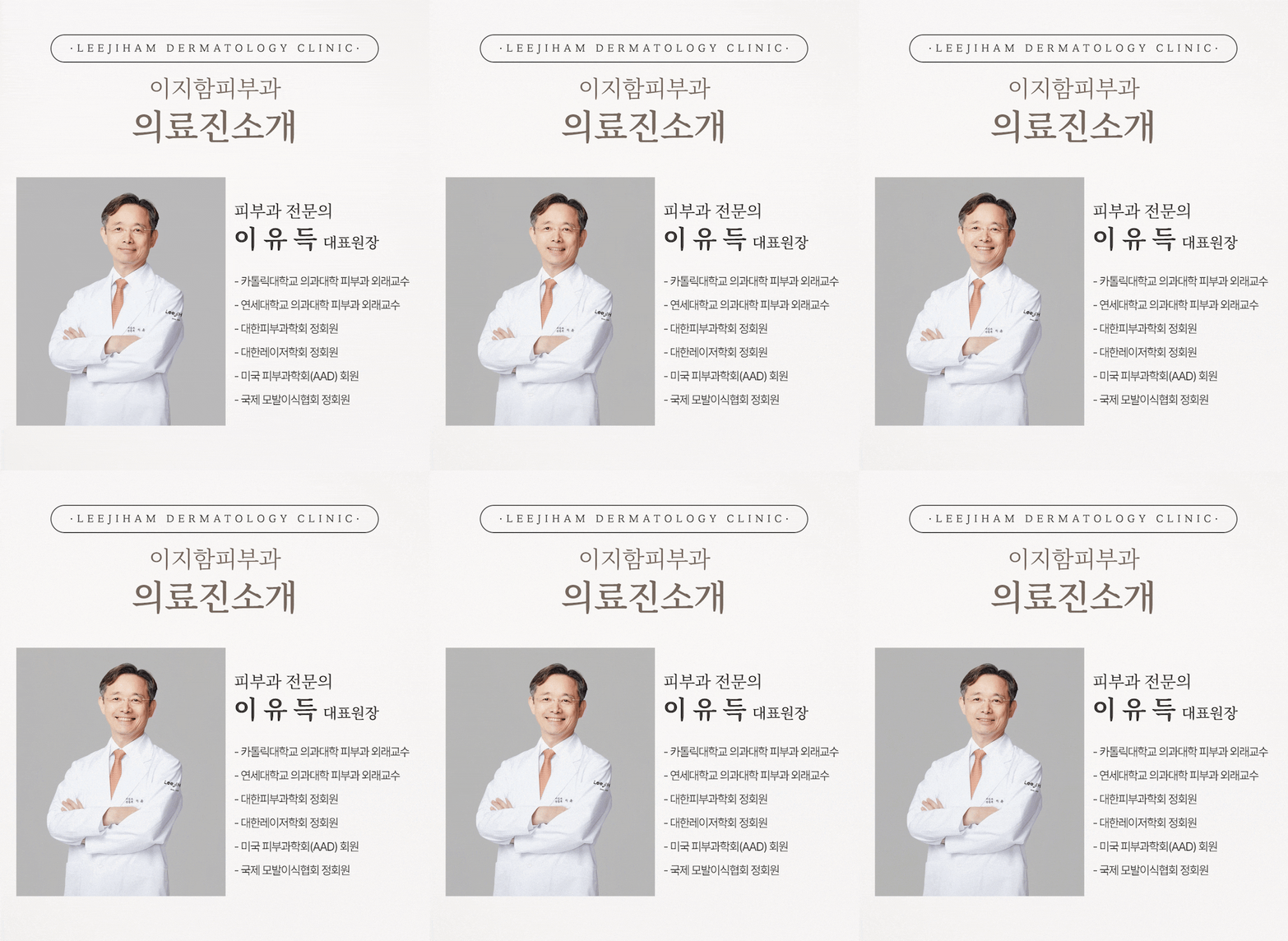
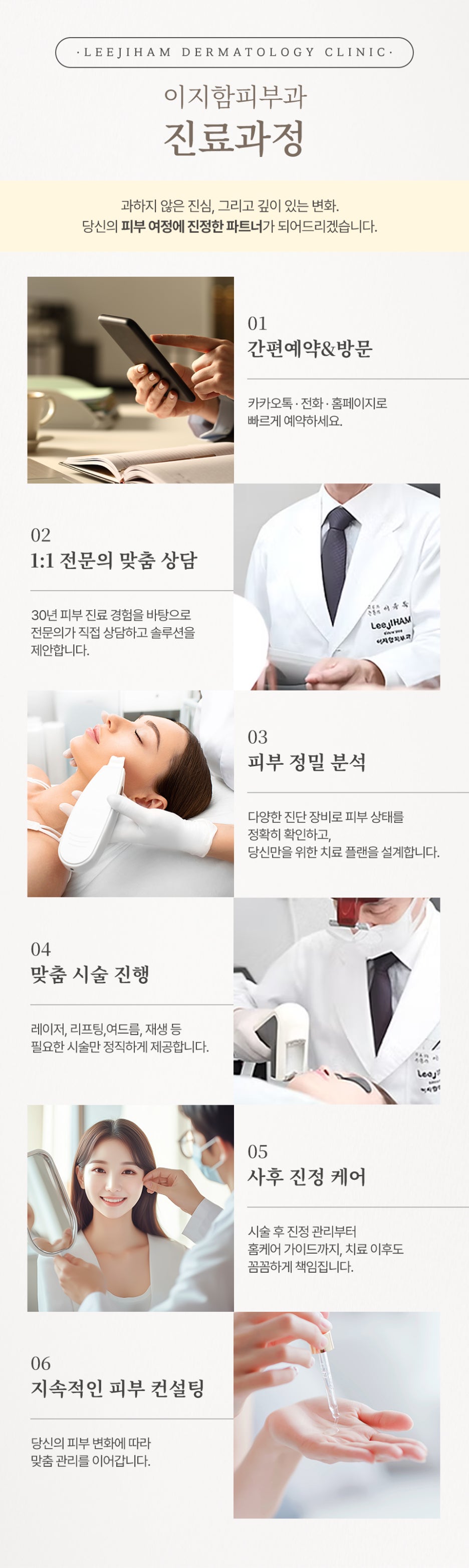
Ejiham Dermatology starts from the premise
that “every skin is different.”
Rather than simply looking at the symptoms
and deciding on a treatment method,
we place importance on first understanding
each individual’s skin condition.
For those who have struggled with adult acne
near Gangnam Station for a long time,
we believe that a consistent and
reliable treatment process is more
meaningful than a one-time method.
Creating a comfortable face rather than
overly dramatic changes.
That is the direction of care
pursued by Ejiham Dermatology.









Previous image
Next image









Previous image
Next image