Until a scar remains,
what happens
inside the skin?
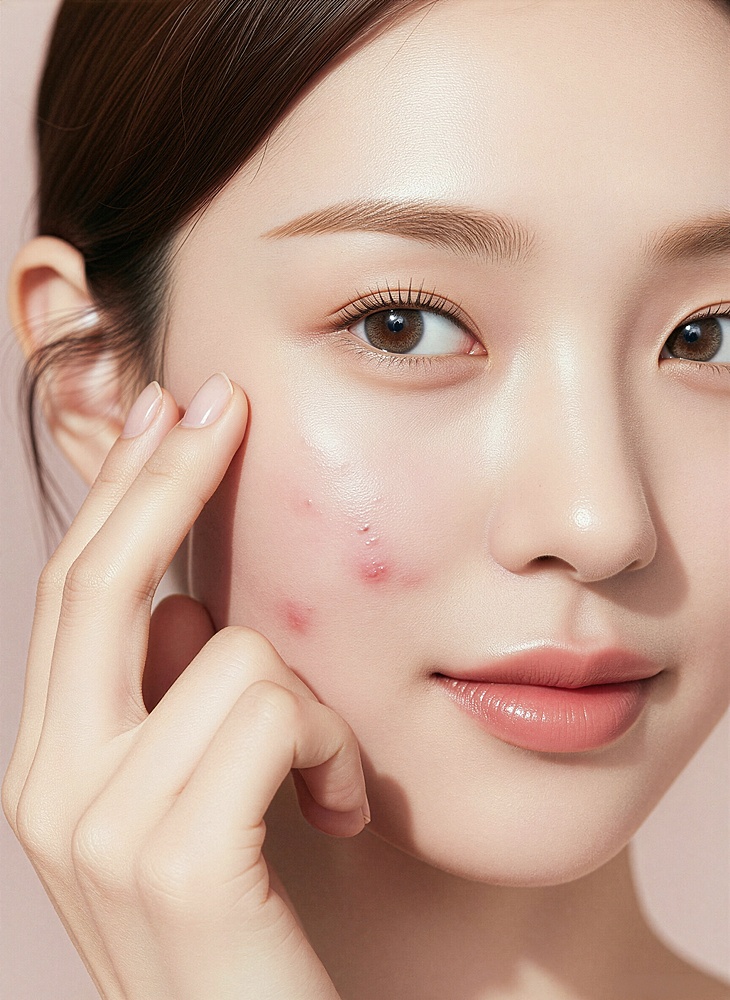
When we see people who come in with acne scar concerns in Nonhyeon, there is a common pattern. Rather than the acne itself, they often worry for a longer time and more deeply about the marks left behind afterward.
Red marks may fade over time, but indented or uneven scars in the skin are difficult to leave alone and cannot easily fill in on their own.
Why is that?
\
The dermatological background of scar formation,
starting from the dermis.
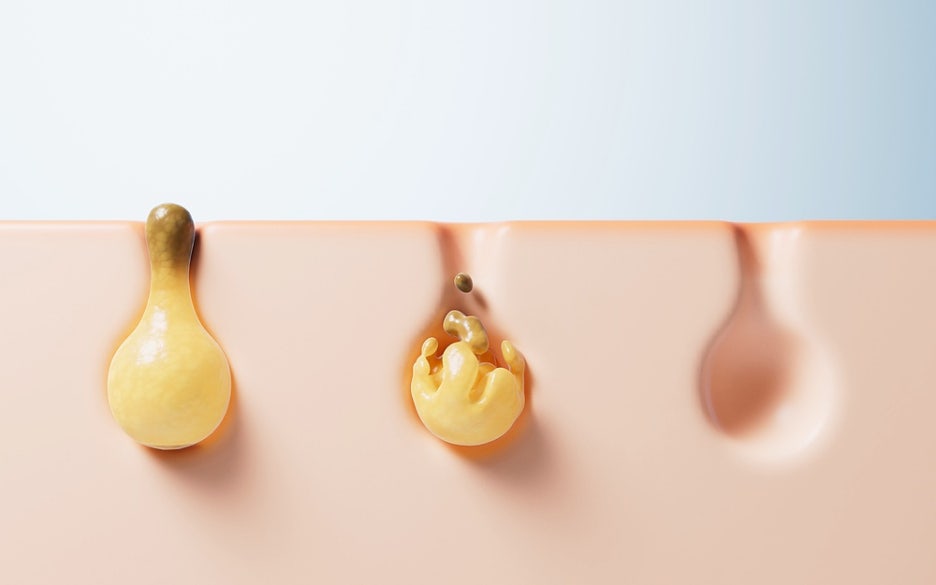
When acne becomes severely inflamed,
sebum, bacteria, and inflammatory substances
along the follicle wall spread to the surrounding
dermis and cause damage.
The dermis is the layer where collagen and elastin
are tightly woven together to maintain
skin elasticity. When this area is
damaged, the body tries to
seal it quickly.
The problem is that this process is not always
carried out with precision.
If collagen is produced in excess,
a raised hypertrophic scar forms;
on the other hand, if collagen synthesis
is insufficient, the skin sinks down,
resulting in an atrophic scar.
Among atrophic scars,
there are boxcar (broad, angular shape),
rolling (gently wavy borders),
and ice pick (narrow, deeply pitted) types,
and the depth of dermal damage and the pattern of fibrosis differ by type.
This is why a method that only smooths the skin surface
has difficulty treating scar types
with different underlying causes together.
If multiple scar types are mixed on one face, the approach must also differ
One reason Nonhyeon acne scars are
difficult is that multiple types of
scars are often mixed together on
a single face.
It is common in the clinic to see cases where rolling scars are present on the cheeks,
ice pick scars around the nose,
and boxcar scars along the jawline
at the same time.
In such cases, it is difficult to adequately address every form with just one laser
device, and the treatment method and
depth need to be designed differently
according to the scar type.
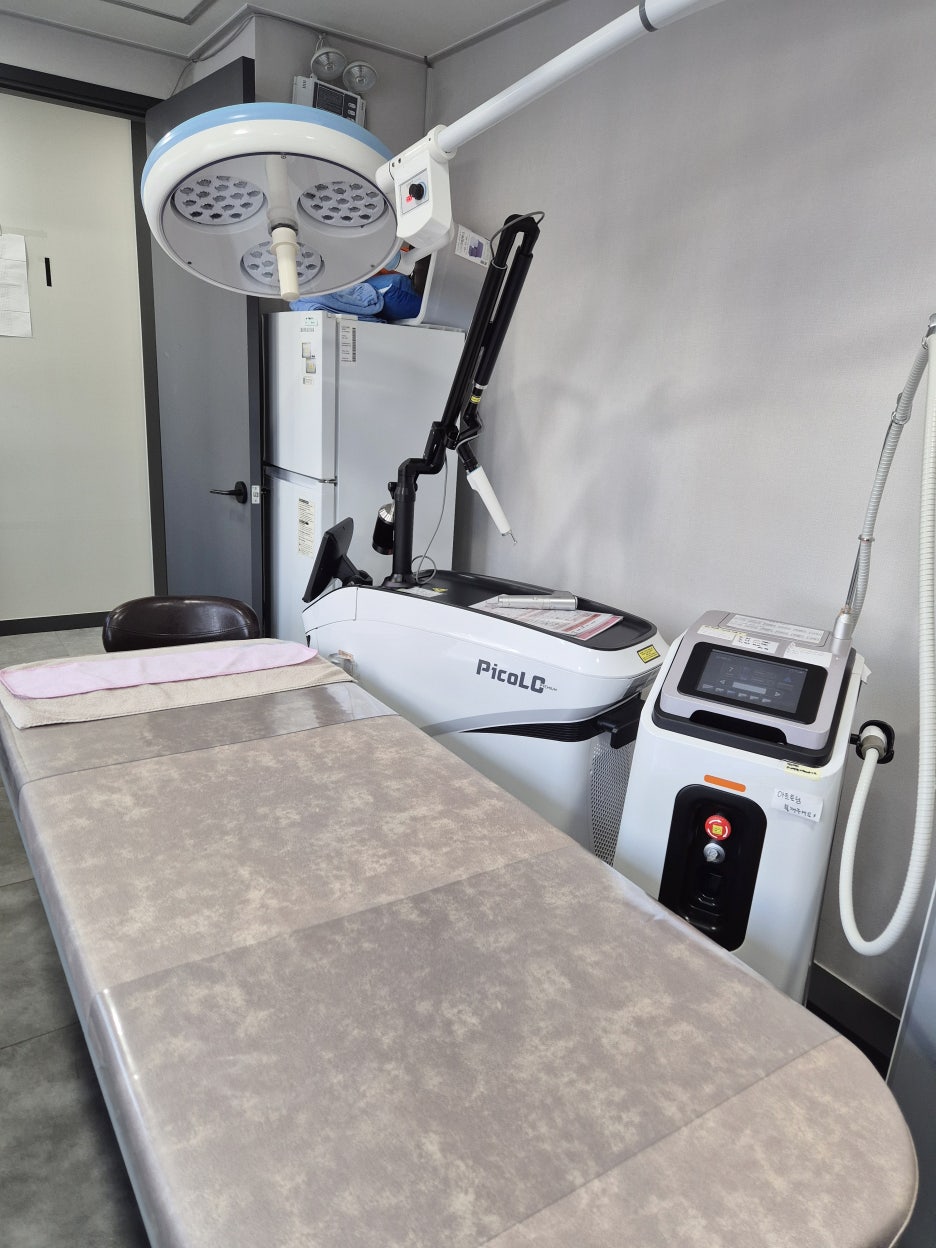
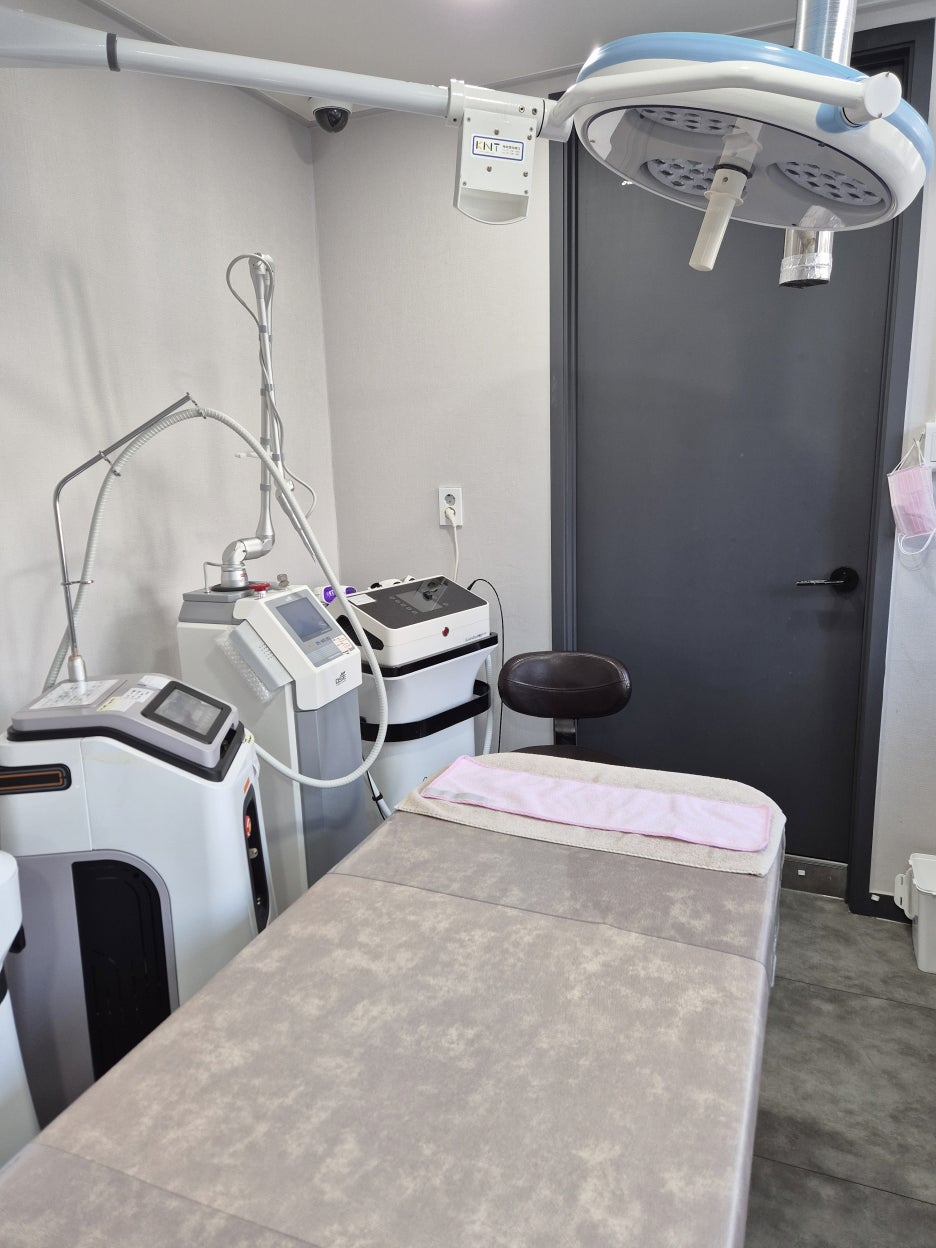
CLO scar restoration procedure, a multi-layered approach to complex scars
At Lee Jiham Dermatology,
we apply the CLO scar restoration
procedure to those concerned about
Nonhyeon acne scars.
CLO is a method that combines
Chemical, Laser, and Operational
treatments according to the scar type.
The chemical treatment, CROSS,
involves directly injecting a drug called TCA into the scar area to stimulate dermal fibroblasts
and induce collagen and elastin synthesis.
It is highly useful for narrow and deep
ice pick scars.
For laser treatment,
fractional lasers are used.
By creating thousands of tiny
columns of thermal stimulation in the skin,
they promote collagen production in the dermis,
and a pore-reducing effect can also
be expected.
Surgical treatment consists of subcision and punch techniques.
Subcision is a method that cuts the fibrotic band
pulling the scar tissue downward using a dedicated needle, directly addressing a cause that is difficult to reach with surface laser treatment alone.
In this way, CLO operates treatment methods with different mechanisms of action at the same time, making it especially useful when multiple scar types are scattered together.
Diagnosis comes first, and the treatment plan follows
In addressing Nonhyeon acne scars,
what Lee Jiham Dermatology considers
important is classifying the scar type
before treatment.
Even on the same face, the depth and shape of scars differ by area, so after carefully identifying the distribution and types, we plan which methods to apply and in what order.
In most cases, the CLO scar restoration procedure can be expected to bring positive changes over 3 to 5 sessions, but the interval and composition may vary depending on the individual skin condition.
The time the skin needs to recover after treatment, and why it is important not to rush
After fractional laser or CROSS treatment,
redness and swelling may appear
for a few days.
This is a normal response that occurs as the skin
produces new collagen.
During this period, it is advisable to avoid strong cleansing or exfoliation and focus on moisturizing.
Since exposure to ultraviolet light may cause pigmentation, we recommend consistently using sun protection, and we also advise avoiding environments such as saunas or jjimjilbangs that rapidly raise the skin temperature.

Steadily, without overdoing it, at each person’s own skin pace
Every skin is different.
Even with the same Nonhyeon acne scars, skin thickness, pigmentation response, and recovery speed differ from person to person, which is why individualized diagnosis goes beyond a simple principle and is practically important.
At Lee Jiham Dermatology,
our goal is to create a comfortable face rather than excessive change.
Rather than trying to change too much at once, we believe that a step-by-step approach that matches each person’s skin recovery speed ultimately leads to better results.
With honest care and thorough diagnosis,
we will remain a hospital you can trust
for a long time.

Previous image
Next image










Previous image
Next image









Previous image
Next image









Previous image
Next image