
The Beginning of Changes in Elasticity,
You Need to Look
Deep Inside the Skin
One concern we frequently encounter in the consultation room is, “My skin doesn’t feel as firm as it used to.” The cheeks begin to sag, the jawline becomes less defined, and the skin itself may feel thinner.
Because these changes progress gradually, many people only become aware of them suddenly at some point.
For those who feel that their facial elasticity in Sinnonhyeon has changed compared with the past, the first treatment they often look into is lifting. However, the term “lifting” encompasses several methods with different mechanisms of action.
Let’s examine which equipment may be right for you and the basis for making that decision from a dermatological perspective.
Understanding the Structures Beneath the Skin
Makes Lifting Easier to Understand
The key structures that maintain facial elasticity in Sinnonhyeon are located in the dermis.
The dermis consists of collagen and elastin fibers, and this fiber network gives the skin firmness and resilience.
As we age, particularly from the late 30s onward, collagen synthesis cannot keep up with the rate of breakdown, causing this structure to loosen.
As dermal density decreases, the skin becomes thinner. At the same time, the subcutaneous fat layer atrophies and the SMAS layer (superficial muscular aponeurotic system) relaxes.
The superficial fascia supports the facial tissues beneath the skin. When it stretches, the cheeks may descend and sagging, such as deeper nasolabial folds, may appear.
Understanding that this is a structural change rather than simply a problem on the skin’s surface is the starting point for a lifting approach.

The Approach Depends on the Cause of Sagging and Reduced Elasticity
“Sagging” and “reduced elasticity” are often used to mean the same thing, but the approach differs depending on where the main cause lies.
When structural sagging caused by tissue descent below the SMAS layer is prominent, ultrasound lifting, which delivers energy to deeper layers, becomes central.
On the other hand, if the main concern is tightening—the dermis itself has become thinner, moisture and radiance have decreased, and the skin overall has become loose—a method that evenly applies thermal energy throughout the dermis to induce collagen production may be helpful.
The two conditions often coexist, so it is especially important during the diagnostic stage to determine which is more prominent.
Ultrasound Lifting: The Depth Reached by the Energy Differs by Device
Many people who visit us because of changes in facial elasticity in Sinnonhyeon first consider ultrasound lifting.
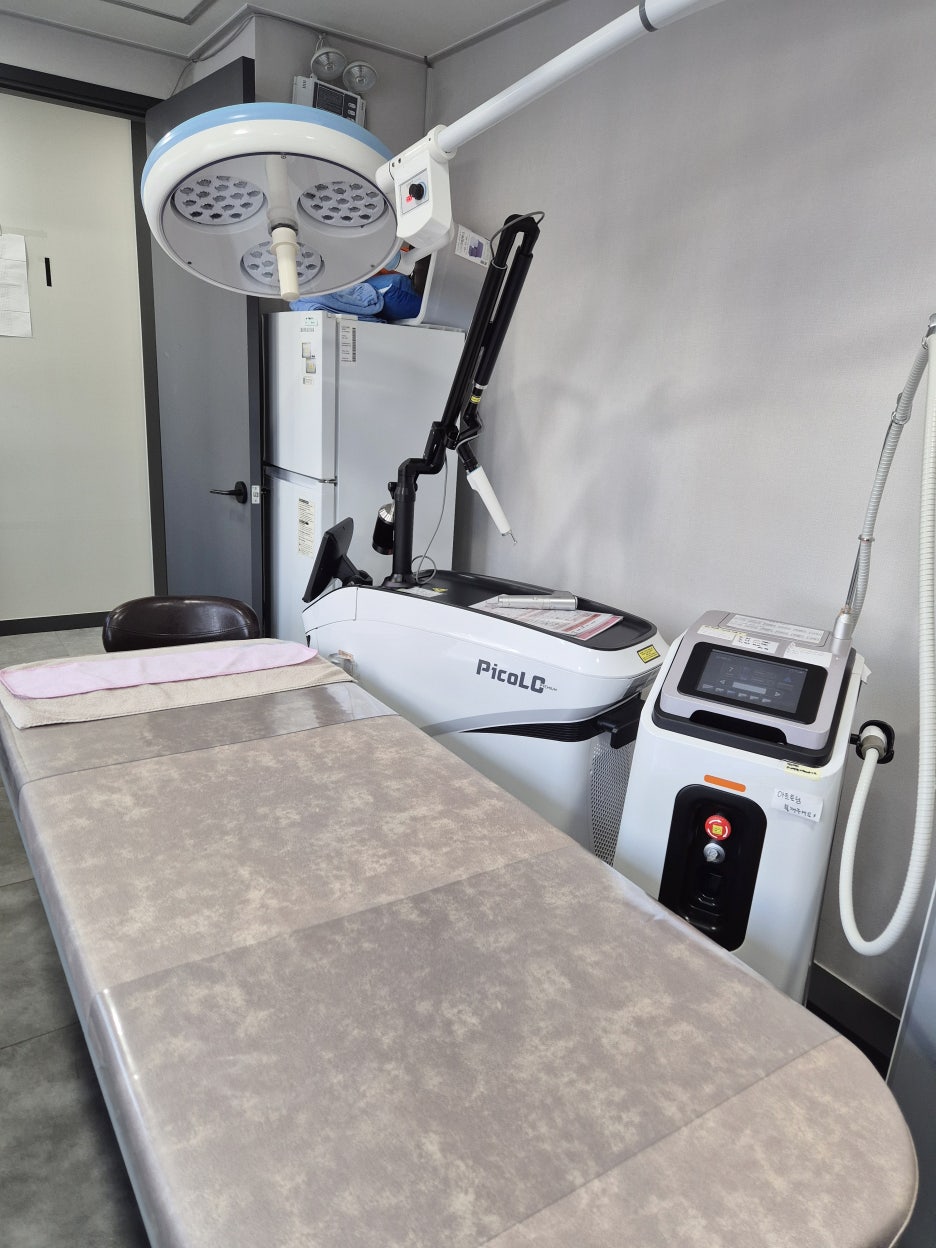
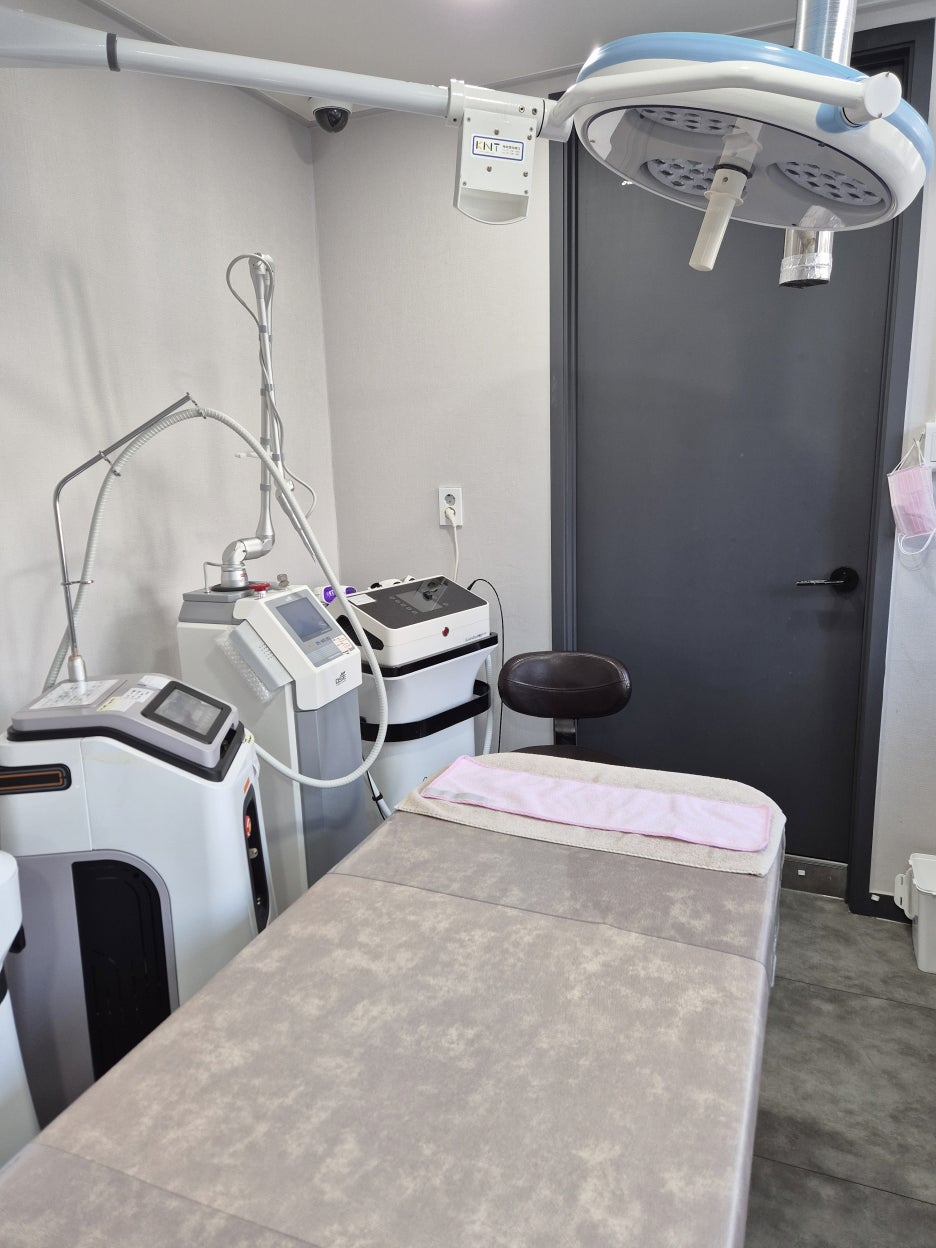
The ultrasound lifting devices used at 이지함피부과 include Doublo Gold, V-RO, Shurink, and Ulthera.
All four devices are based on HIFU technology, but they differ in the depth and method used to focus the energy.
Doublo Gold can deliver energy to deep tissues, including the SMAS layer, allowing for the expectation of fascial contraction and a lifting effect. V-RO and Shurink can each adjust the depth of energy according to their design characteristics and the area’s skin thickness and degree of sagging.
The same settings should not be applied to people with thick and thin skin, or to those with advanced sagging and those in the early stages.
That is the difference between personalized diagnosis and a uniform approach.

Radiofrequency and Onda: Selection Criteria Based on Skin Type
Radiofrequency lifting, represented by Thermage, delivers thermal energy broadly from the skin’s surface to the deeper dermis.
As collagen fibers contract, an immediate change in which the skin feels firmer can be expected. Over the following several months, the production of new collagen may also provide an additional effect.
It may be considered for areas such as around the eyes, where the skin is thin and a precise approach is needed, or when overall skin tightening is the primary goal.
Onda lifting uses microwave technology to selectively deliver energy to the dermis and subcutaneous fat layer while reducing stimulation to the skin’s surface.
It may be considered when heaviness extends to the facial contours or for those who find the energy stimulation from ultrasound lifting burdensome.

Post-Lifting Care Affects How Long the Changes Last
If you undergo lifting to manage facial elasticity in Sinnonhyeon, subsequent care can affect how long the changes last.
For about one week after lifting, it is advisable to avoid high-temperature environments such as saunas and jjimjilbangs, and to refrain from strenuous exercise.
Sun protection is necessary throughout the year, but please apply it especially carefully when your skin is more sensitive after lifting.
Adequate water intake and moisturizing care can help maintain an environment conducive to collagen production.
Combining skin boosters such as Juvelook and Rejuran with lifting may create synergy in maintaining elasticity and hydration at the same time, but the combination and sequence vary depending on the condition of the skin.

Diagnosis Comes First, Followed by Lifting
For those concerned about reduced facial elasticity in Sinnonhyeon, the point I would like to emphasize is that even the same degree of “sagging” can have entirely different causes and severity.
Because skin thickness, the distribution of the fat layer, and the degree of fascial relaxation all differ, an approach based on an accurate diagnosis should come before simply comparing which device is better.
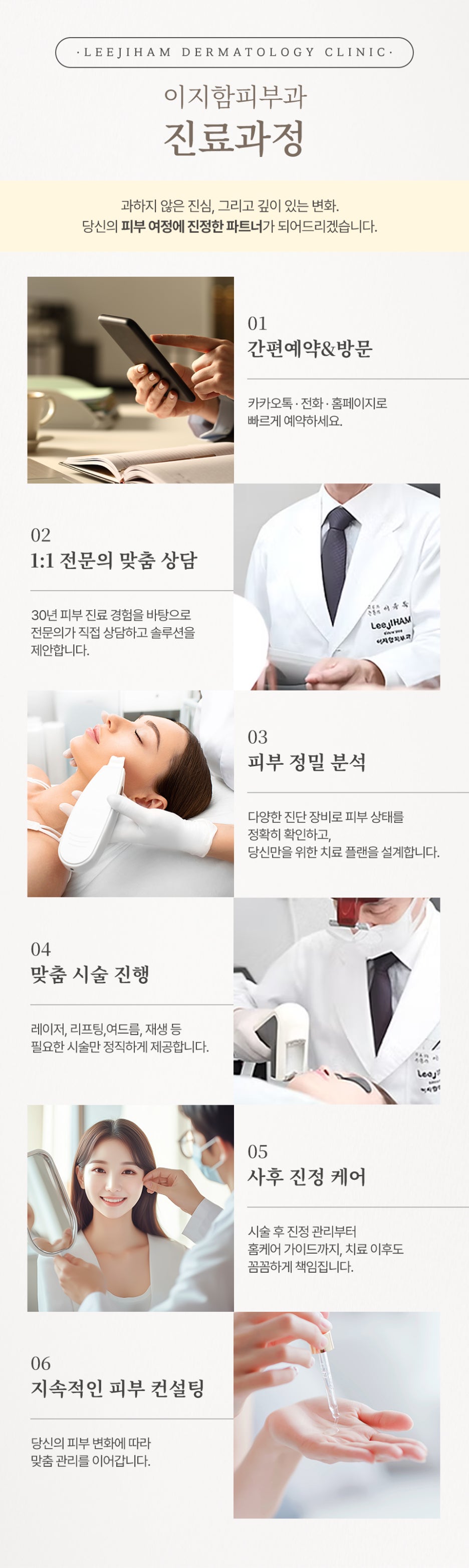
이지함피부과 aims to create a comfortable-looking face rather than excessive changes.
The goal is not simply to apply a device, but to provide a diagnosis and solution suited to each person’s skin.
Carefully assessing the current condition of your skin is the wisest place to begin.
Previous image
Next image










Previous image
Next image









Previous image
Next image