Have you ever stood in front of the mirror,
looked at your sagging cheek line,
and let out a sigh?
One of the things I hear most often from people seated across from me in the consultation room is, “I want a lifting treatment, but I’m afraid my cheeks will become hollow.”
You want to restore firmness, but you certainly want to avoid looking gaunt and older.
I believe the essence of lifting is not simply pulling as strongly as possible, but finding the balance that suits your face.
Because I understand those concerns well, today I would like to explain, step by step, how I approach the know-how behind Gangnam Ulthera treatments without cheek hollowing.

For those who worry that
their face may look even thinner
the more treatments they receive
“I’ve been visiting a dermatology clinic
for five years,
but it feels like the results
only last for the moment,”
many people confide.
You spend the money,
but when it comes down to it,
you are not sure whether
the treatment has really worked.
It is only natural to hesitate over your next choice when a treatment you received does not feel satisfactory.
I also often meet people who worry, “I’m only in my late twenties, but I already feel like I’m starting to sag.”
Underlying these concerns is the fear that lifting will reduce facial volume and make them look older.
So, if you read this article to the end, you will be able to consider how to preserve volume while refining only the sagging contours.

Let us first look at which layer of the skin Ulthera treats and how
Ulthera is a lifting method that concentrates ultrasound energy in the deeper layers of the skin.
Like focusing sunlight on a single point with a magnifying glass, it creates thermal points only in the underlying fascial layer without disturbing the surface.
This fascial layer is the internal meshwork that supports the face from within.
As we age, this meshwork becomes looser, and the cheeks and jawline descend.
When the supporting layer is held firmly, the skin above it can also settle comfortably in its proper position.
The starting point of the know-how behind Gangnam Ulthera treatments without cheek hollowing is clearly distinguishing and treating this supporting layer separately from the fatty layer that contains facial volume.

I will explain why cheeks may appear hollow
and how to plan treatment to avoid it
Cheek hollowing can occur when heat reaches the cheek’s fat cushion excessively instead of being directed at the supporting layer.
When heat is concentrated in the cushion, its volume may decrease, making the face look thinner.
That is why I first examine the amount of facial fat and the areas prone to hollowing before treatment.
In areas such as the center of the cheek, where volume can be easily lost, I reduce the energy and number of shots.
For contour lines where sagging is more pronounced, I approach them at different depths.
Even with the same device, the result can vary depending on where and how much heat is applied.
Using cartridges at different depths for each area is at the heart of the know-how behind Gangnam Ulthera treatments without cheek hollowing.

We take a two-pronged approach:
lifting the contours
and restoring hollowed volume
Even if sagging contours are refined with ultrasound, it is difficult to fill volume that has already been lost using ultrasound alone.
In such cases, we consider ways to supplement both hydration and volume with a skin booster.
For example, firmness can be supported with Ulthera, while hollow areas can be supplemented with a booster such as Juvelook to create a more comfortable-looking appearance.
Rather than trying to change everything at once, it is better to proceed step by step while assessing each stage, as this approach tends to last longer.
Temporary swelling or redness may appear after treatment, but it generally subsides within a few days.
Ultimately,
the know-how behind Gangnam Ulthera treatments without cheek hollowing is, in my view, a sense of balance: identifying what should be reduced and what should be supplemented, rather than pursuing too much with a single approach.

The director personally answers
the questions most frequently heard
in the consultation room
Q1. I heard that Ulthera causes cheek hollowing. Is that really true?
A. It can happen if too much energy is concentrated in one area. However, by examining the amount of fat and adjusting treatment for each area, it can be planned to refine the contours while preserving volume.
Q2. I am sensitive to pain. Will it hurt a lot?
A. You may feel a prickling sensation or warmth around the bones, so the treatment is performed after applying numbing cream. The intensity is adjusted according to the condition of your skin.
Q3. I’m only in my late twenties, but I already feel like I’m starting to sag. Can I still receive the treatment?
A. If the sagging is not severe, a lighter approach may be used. Alternatively, a hydration-focused treatment may be more suitable, and this will be assessed during the consultation.
Q4. When do results become visible, and how long do they last?
A. Some changes may be felt immediately after treatment. Results generally become more apparent gradually over four to twelve weeks. Although there are individual differences, they tend to last approximately six months to one year.

I hope today’s summary
will help guide your decision
In summary, preserving volume means distinguishing the supporting layer from the fat cushion and treating each area differently.
The beginning is to set aside impatience and first understand the characteristics of your own face.
I also believe that the know-how behind Gangnam Ulthera treatments without cheek hollowing does not come from some grand secret, but from honest care that carefully examines each person’s face.
We will always consider together how to maintain a comfortable-looking face for a long time.
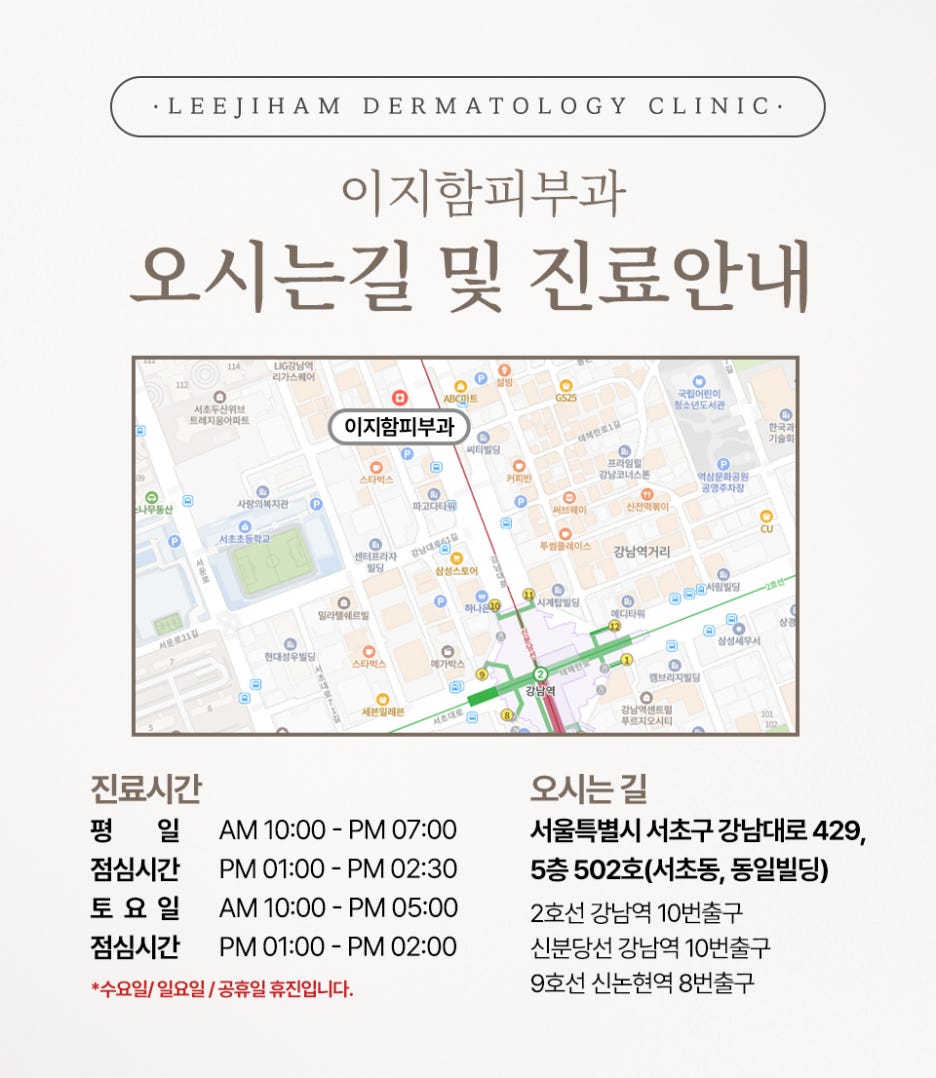
📍 Location
429 Gangnam-daero, Seocho-gu, Seoul,
5th floor, Room 502 (Seocho-dong, Dongil Building)
Located near Gangnam Station and Sinnonhyeon Station.
📞 Phone: 02-567-5900
🕙 Clinic Hours
· Monday, Tuesday, Thursday, Friday: 10:00–19:00
· Saturday: 10:00–17:00
· Lunch break: Weekdays, 13:00–14:30
· Closed: Wednesday, Sunday, and public holidays












Previous image
Next image









Previous image
Next image