
Why You Need to Understand
How Marks Form
After receiving a laser treatment for moles, blemishes, or pigmentation, you may have felt your heart sink when a faint brown mark appeared in the treated area every time you looked in the mirror.
You underwent the treatment hoping for clearer skin, but when that area looks even more noticeable, it can be upsetting to wonder, “Did I do something wrong?”
Many people visit our clinic with these concerns. So today, I would like to walk you through practical ways to manage your skin at home and explain how regenerative cream can help prevent hyperpigmentation after laser treatment.
By reading to the end, you will have a clearer standard for post-treatment care that may have previously felt uncertain.
Those Marks Did Not
Appear Because You Were Careless
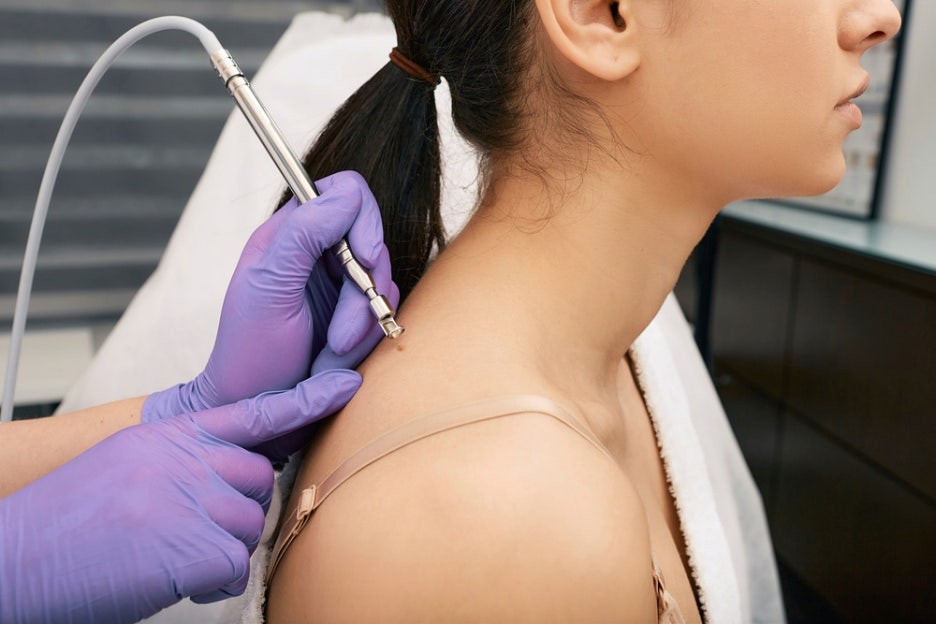
Laser treatment sends light energy toward pigmentation or moles
to break them down.
During this process, the skin receives irritation
that is similar to a minor burn.
When our skin is irritated,
it produces more melanin
to protect itself.
The brown marks that form this way are called
post-inflammatory hyperpigmentation.
People with darker skin tones, in particular,
tend to show this response
somewhat more clearly.
Rather than being caused by inadequate care,
this is a natural response
that can appear in anyone
during the recovery process.
Why People Say the Two Weeks After Treatment Matter Most
After laser treatment, the skin becomes sensitive,
with its protective barrier temporarily
becoming thinner.
Regenerative cream helps soothe the skin
by replenishing the moisture and protective ingredients
that have become insufficient during this time.
Ingredients such as panthenol, ceramides, and cica
help comfort the temporarily weakened barrier.
As the barrier gradually stabilizes,
the process that causes melanin to become excessively active
also begins to subside.
In other words, the more quickly the skin settles,
the less opportunity there is
for pigmentation to become established.
Therefore,
the starting point for preventing hyperpigmentation
with regenerative cream after laser treatment
is to properly allow this soothing period
to take place.

If You Have Been Applying It but Wondered Whether You Were Doing It Right
First, gently cleanse the treated area
with lukewarm water,
without rubbing.
Dispense the regenerative cream onto your hands,
warm it with your body temperature,
then spread a thin layer by pressing it gently onto the skin.
Whenever your skin feels dry,
it is better to reapply the cream frequently
to maintain moisture.
Even if a scab or flakes develop,
do not force them off.
Allow them to fall away naturally.
These habits, which reduce irritation,
are a reliable first step toward preventing hyperpigmentation
with regenerative cream after laser treatment.
What to Use Alongside It When Cream Alone Is Not Enough
In fact, an equally important partner
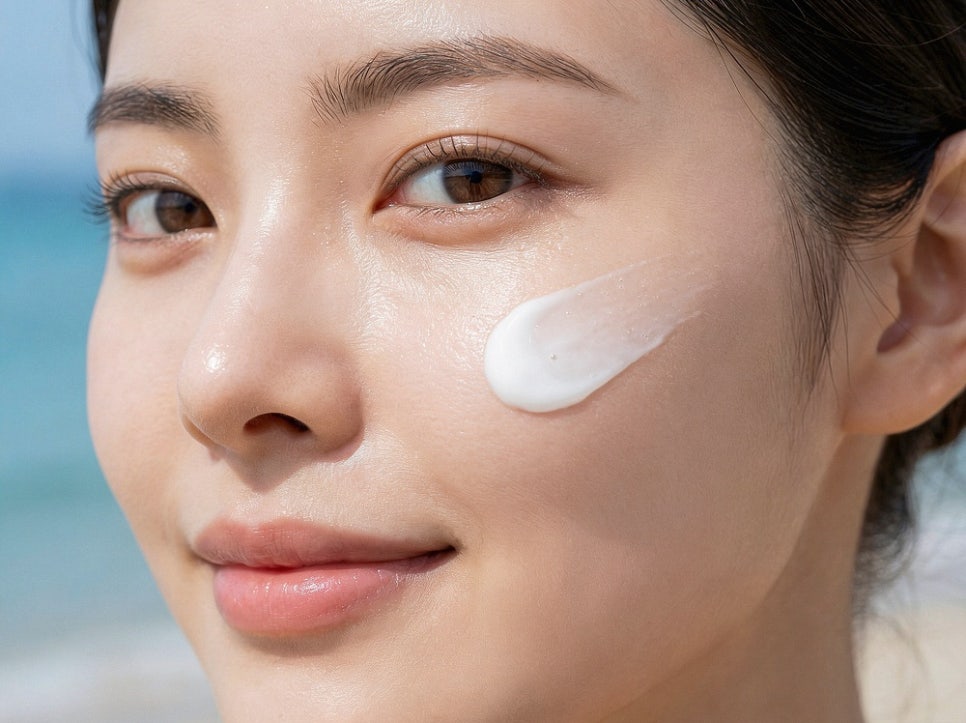
to regenerative cream is sun protection.
Ultraviolet rays in sunlight are one of the most common
triggers that reactivate melanin.
Apply sunscreen before going outside,
and add a hat or parasol
to reduce your exposure even further.
If a mark has already become dark,
you may also consider pigmentation treatments
such as dual toning or IPL.
In other words,
preventing hyperpigmentation with regenerative cream
after laser treatment becomes more effective
when cream, sun protection, and daily habits
work together.
The Importance of Remembering That Every Skin Type Has a Different Answer
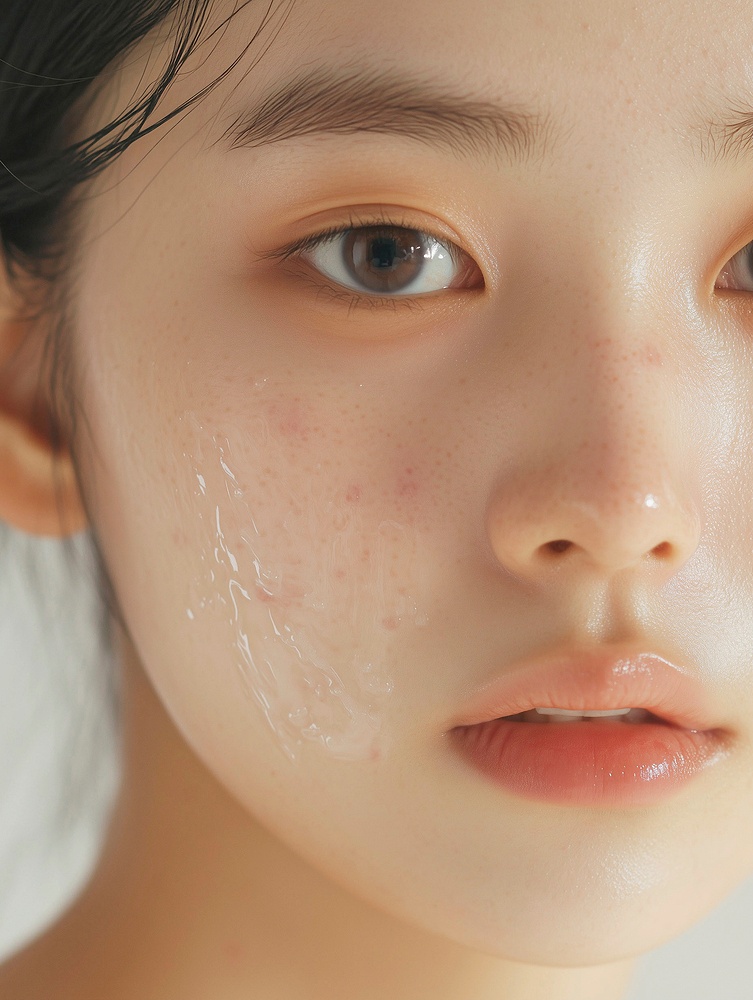
Even when people receive the same laser treatment,
recovery speed and pigmentation responses
differ from person to person.
The care each person needs also varies
depending on skin tone, treatment intensity,
and usual habits.
That is why I value
a comfortable, natural-looking skin texture
more than a single visible change.
This is also why 이지함피부과 strives to uphold
honest consultations and proven treatments.
I believe that care is a process
of finding a diagnosis and management plan
suited to each person’s skin.
I Hope You Will Remember What We Covered Today
Brown marks after laser treatment
are not your fault;
they are a recovery signal sent by your skin.
Helping soothe the skin with regenerative cream,
blocking ultraviolet rays,
and reducing irritation—
when these small habits come together,
they can give the marks more time to fade.
On the other hand, even a few days of carelessness
can cause marks to become darker,
so consistency is the key.
There is no need to feel impatient.
Your skin will steadily find its own path
in time.
I hope today’s discussion
on preventing hyperpigmentation with regenerative cream
after laser treatment
has made you feel a little more at ease
when looking in the mirror.

The Questions We Hear Most Often in the Consultation Room,
Answered Directly by the Director
Q1. Can applying regenerative cream properly prevent pigmentation marks?
A. Regenerative cream helps soothe the skin
and restore the skin barrier,
which can help reduce the risk of marks becoming darker.
However, one cream cannot prevent every type of pigmentation,
so it is best to manage your skin consistently
alongside sun protection.
Q2. When can I start applying regenerative cream after treatment?
A. It depends on the treatment area and type of procedure,
but in many cases, it can be applied lightly
for soothing purposes starting on the day of treatment.
If you experience stinging or oozing,
do not force yourself to apply it;
follow the instructions of your medical professional.
Q3. A brown mark has already appeared. Will it disappear if I simply leave it alone?
A. Post-inflammatory hyperpigmentation often becomes lighter over time,
but the rate varies from person to person.
Protect yourself carefully from ultraviolet rays
and observe how it progresses.
If it fades slowly, you may also discuss
pigmentation treatment with your medical professional.
Q4. Are pigmentation treatments painful?
A. Dual toning or IPL may cause warmth or stinging
that feels like a light snap from a rubber band,
so numbing cream may be applied when necessary.
Pain levels vary from person to person,
so please feel free to let us know how you feel before treatment.
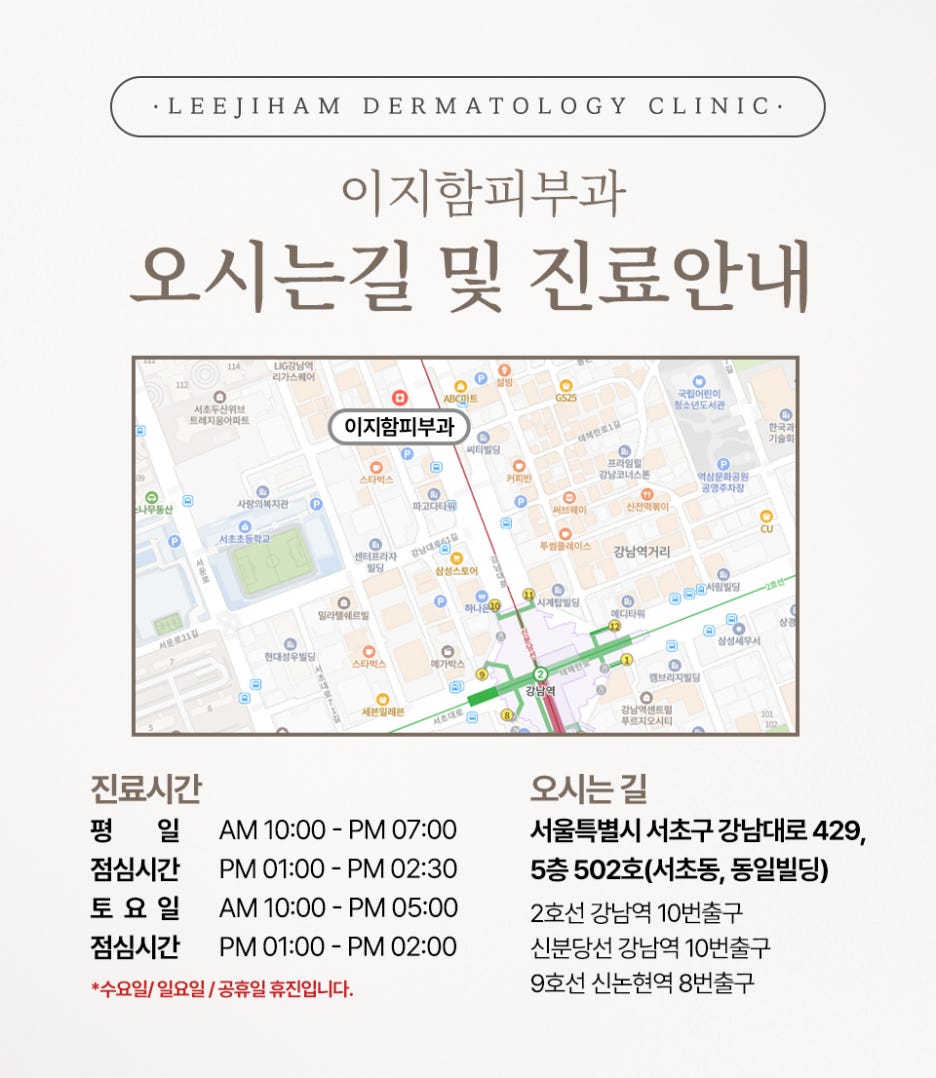
📍 Location
Room 502, 5th Floor, 429 Gangnam-daero, Seocho-gu, Seoul (Seocho-dong, Dongil Building)
Near Gangnam Station and Sinnonhyeon Station
☎ Phone
02-567-5900
🕒 Hours
· Monday, Tuesday, Thursday, Friday: 10:00–19:00
· Saturday: 10:00–17:00
· Lunch break: Weekdays 13:00–14:30
· Closed: Wednesday, Sunday, and public holidays










Previous image
Next image









Previous image
Next image