In your late 30s,
if you have begun to notice
the subtle signals
your skin is sending,
When you happen to see your profile while washing your face and notice that your jawline is no longer as defined as it used to be, you may have paused without realizing it.
We very often meet people in the consultation room who, as they enter their late 30s, feel that their facial contours are no longer what they used to be.
We often hear that the lines around the mouth seem to have sagged slightly when smiling, and that by evening the jawline looks blurred, making them hesitant to take photos.
So if you searched for “late-30s Ulthera 300 shots” and arrived at this post, I imagine you were hoping to hear something useful to know before deciding on the procedure—not vague advertising copy.
Today, in response to those concerns, I will explain things step by step so that you can make a choice suited to your skin without being swayed by the single number of shots.
You were tired of seeing things improve briefly
only to return again and again
I fully understand how you feel
Many people tell us that they have been visiting dermatology clinics for years,
but feel that the results only last for the moment,
leaving them exhausted.
You may have felt dejected because
you spent the money,
but saw no noticeable change
you could truly feel.
You are not even 40 yet,
but already feel that your skin is sagging,
and I understand the anxiety
of wondering what will happen if you wait any longer.
If you read this post to the end,
you will be able to judge for yourself
how Ulthera works,
how to look at the number of shots,
and who it may be well suited for.
Even after searching through countless reviews,
you may have felt more confused
because everyone says something different.
This is a direct transcription
of the explanations we actually give
in the consultation room,
not an advertisement.
A lifting treatment that concentrates
and delivers ultrasound energy
deep within the skin
Ulthera is a lifting
treatment that uses ultrasound energy.
Rather than targeting the skin’s surface, it delivers thermal energy to the SMAS layer, the fascia beneath the skin.
The SMAS layer is precisely the layer that is pulled upward during a facelift.
Just as focusing sunlight through a magnifying glass on one point makes paper hot, you can think of ultrasound as being concentrated at one point to create small coagulation points in a deep layer.
In response to this stimulation, the skin gradually produces new collagen over time, drawing elasticity upward from within.
Therefore,
for those considering
late-30s Ulthera 300 shots,
it is helpful to first understand
that this treatment strengthens
the skin from the inside rather than
simply changing its outer appearance.

A larger number does not automatically
mean a better result—what matters is
where and how the shots are delivered
Many people think that the more shots they receive, the greater the effect will be.
However, the number of shots is simply the number of times energy is delivered; it does not determine the result by itself.
Even with the same 300 shots, the outcome can be completely different depending on whether they are distributed broadly across sagging cheeks, the jawline, and the neck, or concentrated in only one area.
That is why,
when considering the combination of
late-30s Ulthera and 300 shots,
you should first examine which areas
of your face have sagged,
rather than focusing on the number.
The appropriate number of shots and treatment depth vary from person to person depending on skin thickness, the degree of sagging, and bone structure.
This is why satisfaction can differ even among people who receive the same number of shots.
Rather than being led by a number,
it is more helpful to design the treatment according to an assessment.
It can look more natural when considered
alongside devices with different characteristics
rather than used alone
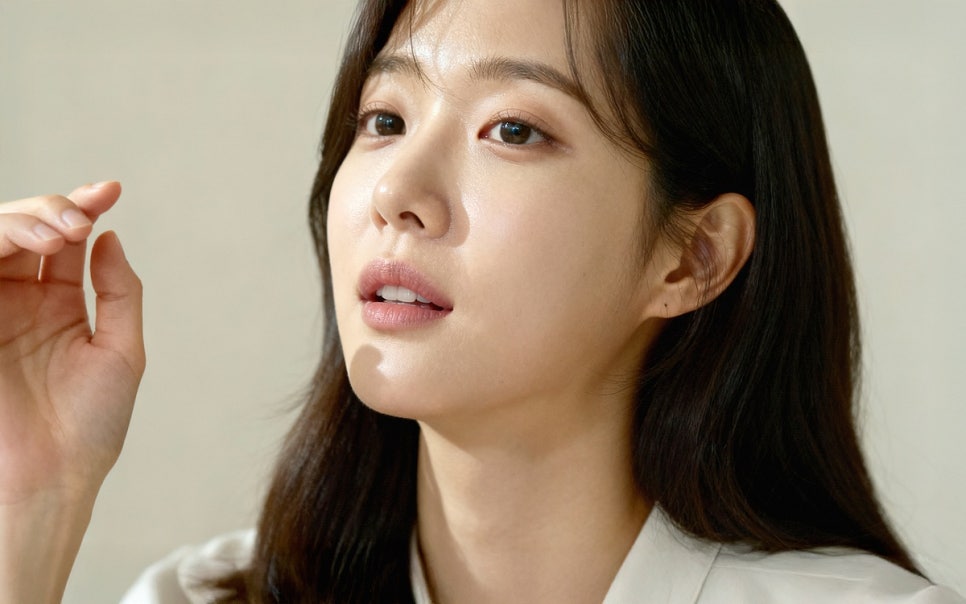
Ultrasound lifting treatments such as Ulthera are particularly useful for lifting sagging contours from within.
Other treatments in the same ultrasound category, such as Doublelo Gold, Viro, and Shurink, also help support elasticity by adjusting the depth in their own ways.
Adding the radiofrequency device Thermage can also address overall skin firmness and contour definition across a broader area.
If ultrasound raises the supporting structure, radiofrequency is closer to smoothing and refining the surface.
Therefore, rather than considering late-30s Ulthera 300 shots on its own, it is more appropriate to discuss together what should be added or omitted for your skin to achieve a natural result.
Our approach is to preserve a comfortable, familiar-looking face rather than make excessive changes.

Answers to the questions
we hear most often in the consultation room
Q. Is the Ulthera treatment very painful?
A. You may feel a tingling sensation, warmth, or stinging around the bones.
If needed, a numbing cream is applied beforehand to help reduce discomfort.
Q. Will 300 shots produce a better result?
A. It is difficult to conclude that more shots necessarily lead to better results.
The depth and treatment-area design suited to your skin condition are more important.
Q. When do the effects begin, and how long do they last?
A. You may notice gradual changes immediately after the procedure, while more significant changes generally appear between 4 and 12 weeks.
Because new collagen is formed over time, the changes settle in gradually rather than appearing all at once.
Although there are individual differences, the results generally last around 6 months to 1 year.
Q. Can I return to my daily activities immediately after the procedure?
A. Yes, in most cases.
There may be slight swelling or redness, but it generally subsides within 1 to 3 days.

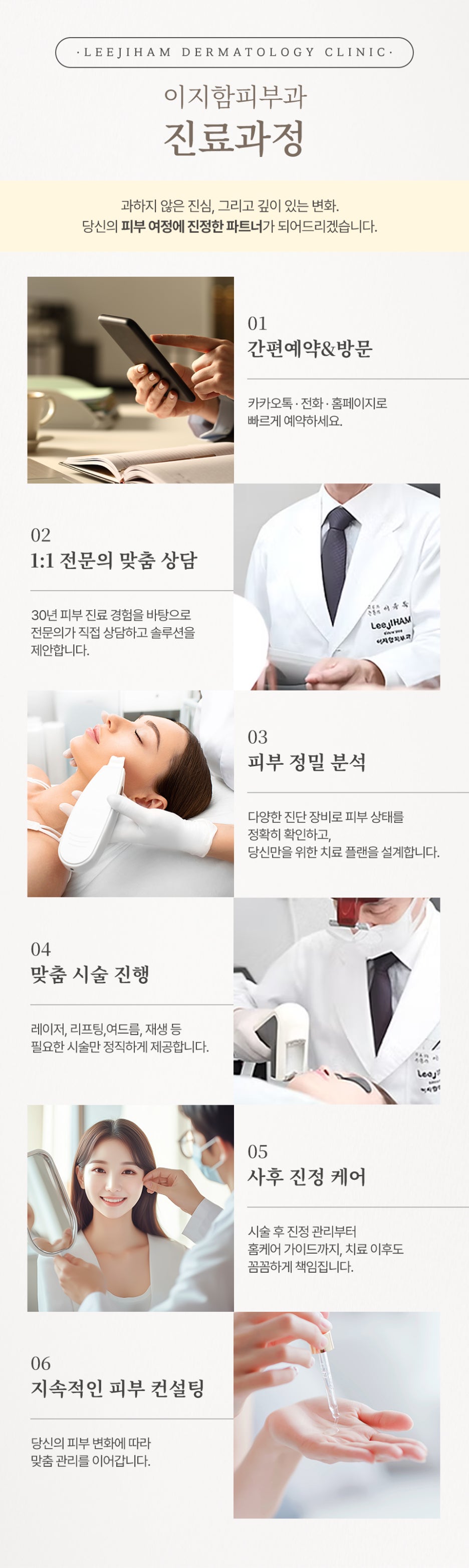
A consultation that looks at your face,
not just a single number,
comes first
If you have read this far,
you have probably realized that
late-30s Ulthera 300 shots
is not simply a competition over numbers.
Even with the same treatment, the quality of the result can differ depending on who assesses your skin and how the treatment is designed.
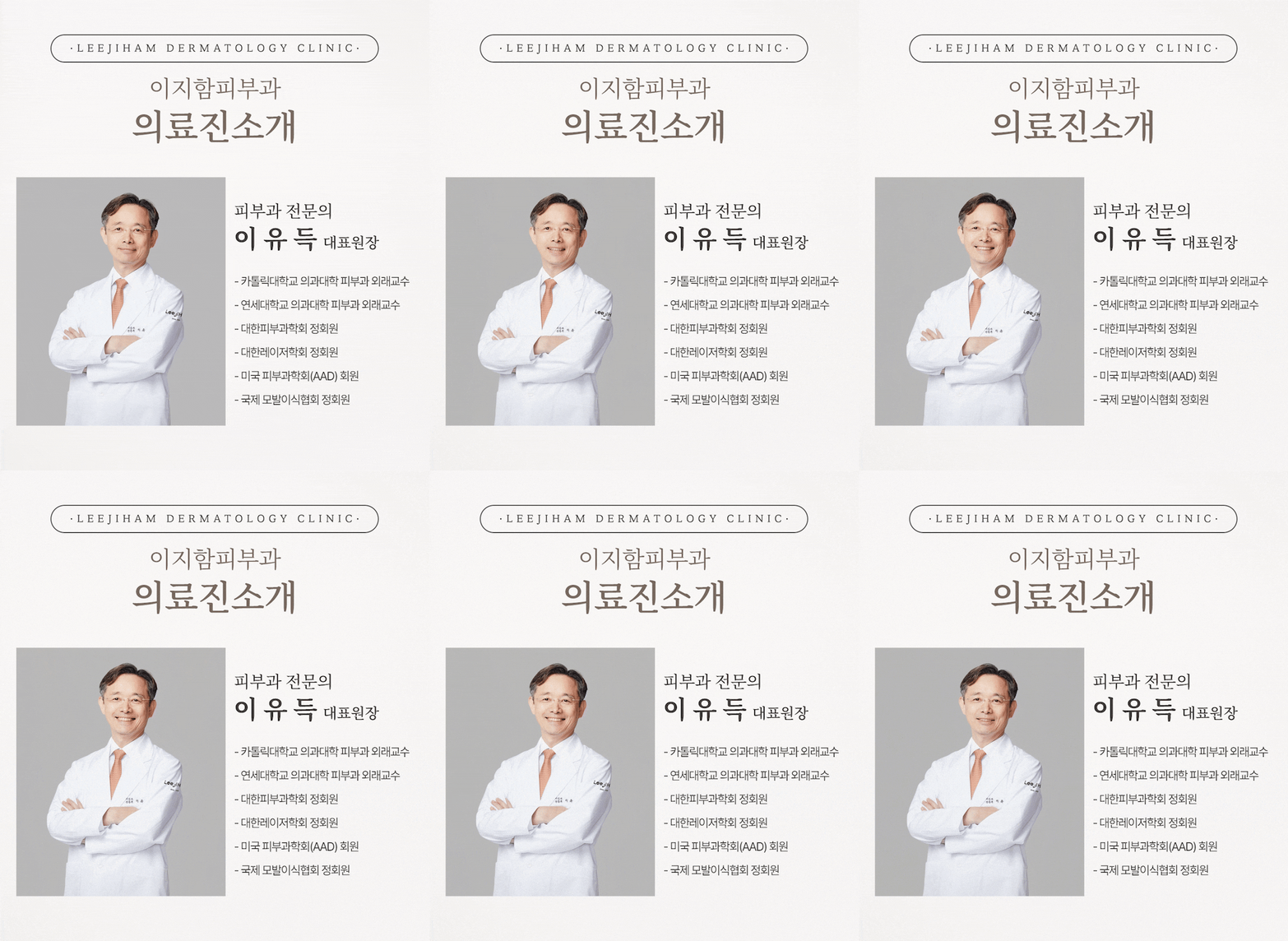
Easyham Dermatology aims to preserve a comfortable, natural-looking face for a long time through honest consultations and proven treatments, rather than excessive changes.
I hope the information summarized today has helped ease your vague concerns, even if only a little.
Take enough time to consider your options,
and I hope you can calmly make
the choice that suits your skin.
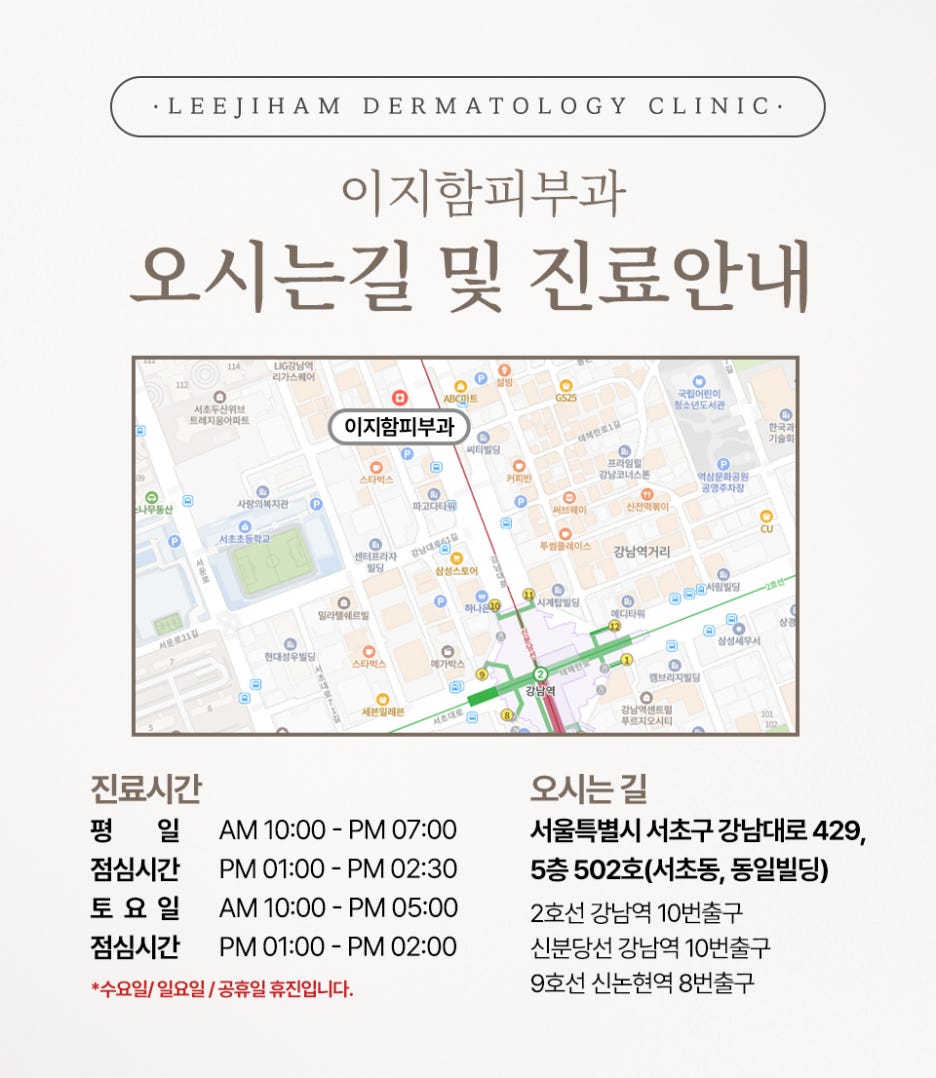
📍 Location | 5F, Suite 502, 429 Gangnam-daero, Seocho-gu, Seoul (Seocho-dong, Dongil Building)
It is conveniently located near Gangnam Station and Sinnonhyeon Station.
📞 Phone | 02-567-5900
🕙 Consultation hours
· Monday, Tuesday, Thursday, Friday 10:00–19:00
· Saturday 10:00–17:00
· Weekday lunch break 13:00–14:30
· Closed Wednesday, Sunday, and public holidays










Previous image
Next image









Previous image
Next image