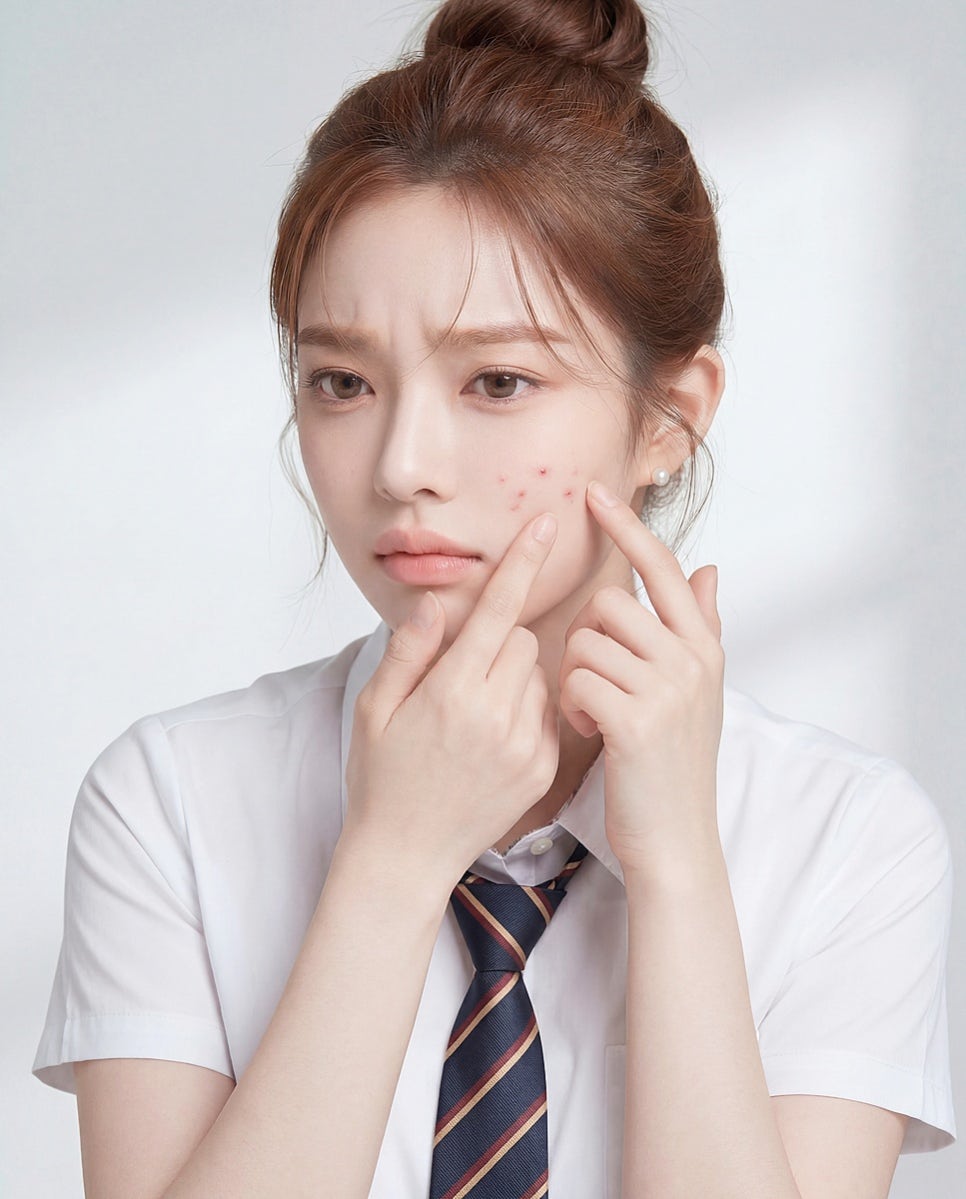
Even when they look like the same acne marks,
red marks and depressed scars
are different in nature.
Many people tell us in the consultation room that no matter how carefully they apply foundation, the marks eventually show under café lighting.
They say that red marks and indented scars are mixed together on one face, leaving them unsure where to start.
We also often hear from people who have visited several dermatology clinics but felt that the results only lasted for the time being.
If you are reading this while searching for acne scar treatment in Bundang, rather than choosing a procedure by name today, it may be helpful to first sort out what type of marks remain on your face and what should be addressed first.
Knowing the proper sequence before you begin can reduce unnecessary visits.
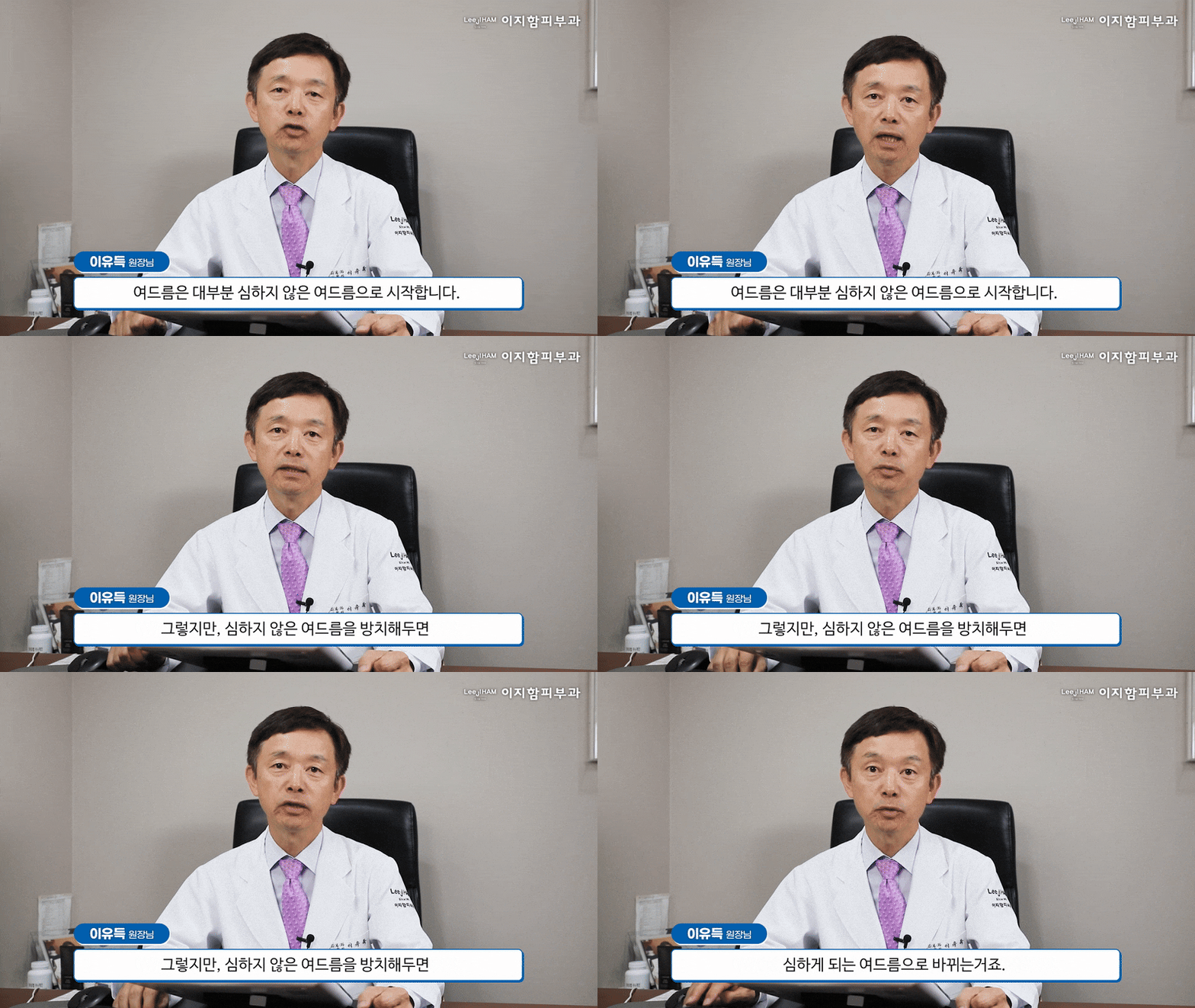
Scars are marks left behind
as the skin fills in a wound
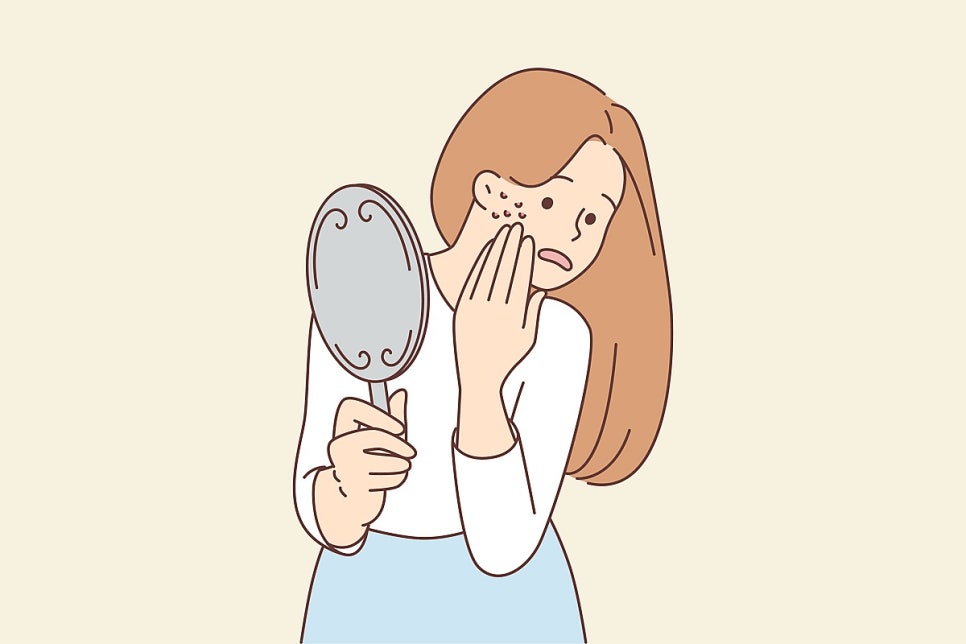
Acne scars are marks left behind during the skin’s self-repair process when inflammation extends into the dermal layer.
When collagen fills in insufficiently,
it creates a depressed mark,
and when it fills in excessively,
it creates a raised mark.
It may be easiest to understand this by thinking of filling a hole in a wall: applying too little putty leaves it indented, while applying too much makes it bulge outward.
That is why it is common for marks with different characteristics to be mixed together on the same face.
Redness is not a scar;
it is lingering heat from inflammation that has not yet fully settled
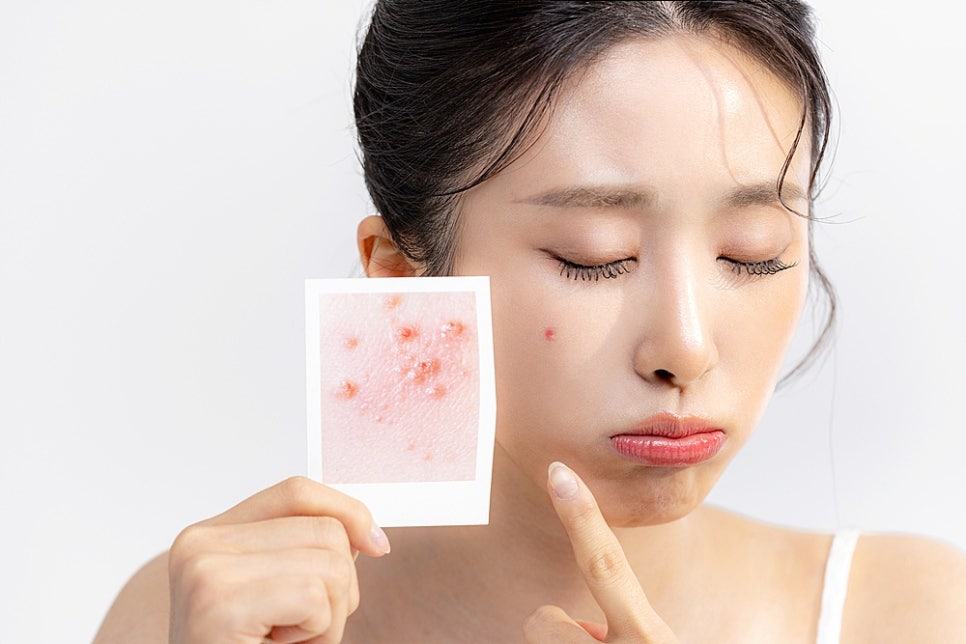
Marks that appear red are, in most cases, post-inflammatory erythema.
They occur when blood vessels remain dilated where inflammation was present, and the skin surface is often not depressed.
They are similar to residual heat that remains for a while even after a fire has gone out.
They may fade over time, but when combined with ultraviolet exposure and recurring breakouts, they can develop into brown pigmentation.
Many people concerned about acne scars in Bundang are actually still at this red-mark stage.
The way depressed scars are treated
depends on their shape
In contrast, depressed scars are a condition in which tissue has actually been lost.
They are generally considered as narrow and deep ice-pick scars, sharply indented boxcar scars, or gently undulating rolling scars.
Rolling scars often have fibrous bands beneath the scar that pull the skin downward.
As a result, the unevenness may remain even when only the surface is smoothed.
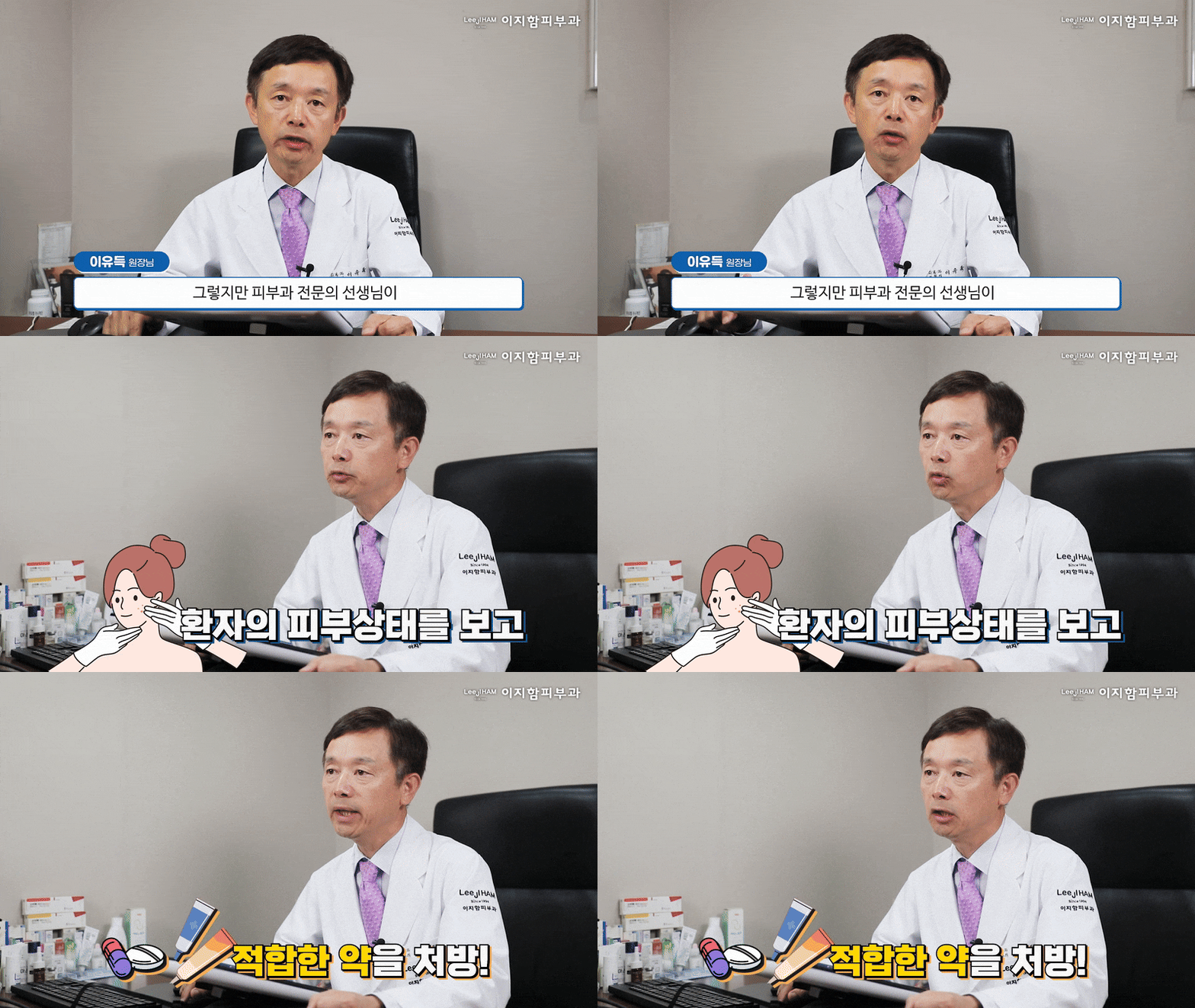
Because this single term, “acne scars in Bundang,” can include marks with such different shapes, we first identify the type in the consultation room by changing the lighting.
First put out the fire,
then fill in the wall
The treatment sequence can be organized as follows.
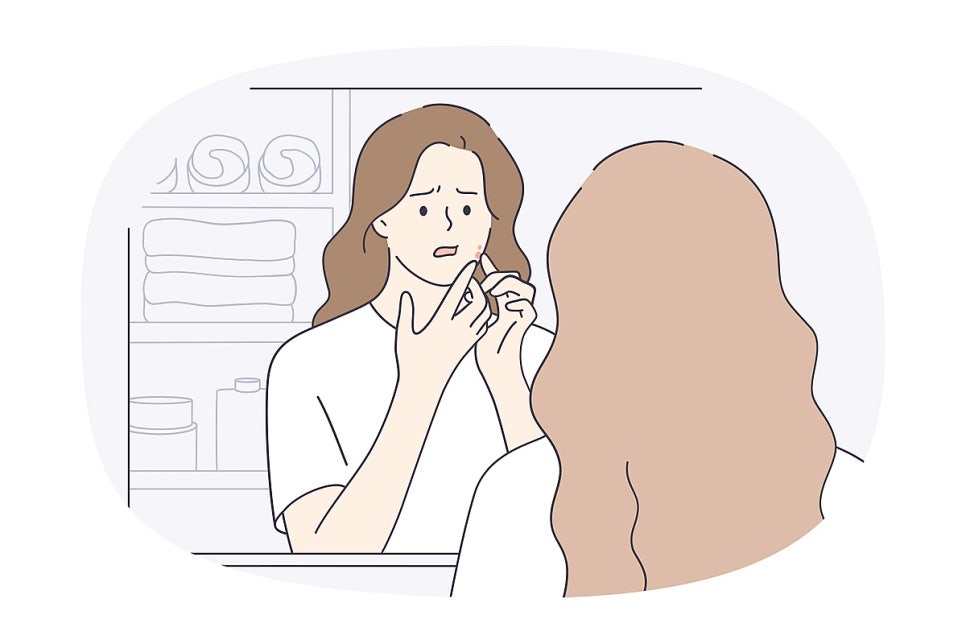
If active acne remains, calming it down comes first.
If depressed scars are treated while inflammation continues to appear, new marks may develop again.
We use Artlaser to regulate sebum production, while using scaling and IPL to gradually address redness and erythema together.
Only after the source of inflammation has been controlled and the redness has subsided do we move on to addressing the unevenness of depressed scars.
When we listen to people who have struggled with acne scars in Bundang for a long time, we often find that this sequence was reversed.
Depressed scars often require
more than one method
At the depressed-scar stage, we also use the CLO scar restoration procedure.
CROSS is a chemical method that applies TCA to deep scarred areas to stimulate fibroblasts in the dermis and promote collagen production.
Fractional lasers create microscopic channels to stimulate the dermis and may also help improve pore texture.
The surgical method, dermabrasion, severs the bands that pull the skin downward.
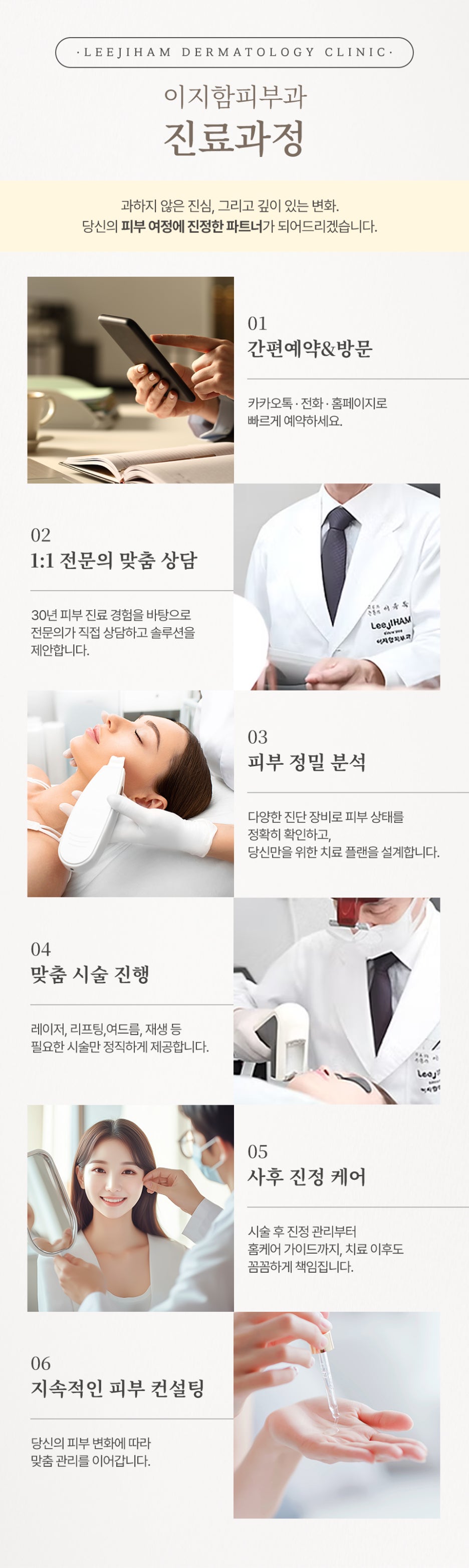
Treatment is usually performed three to five times at intervals, but the number of sessions and response vary from person to person.
You may experience a stinging sensation and warmth during the procedure, and we can apply numbing cream if needed.
We also want to let you know in advance that redness or flaking may remain for several days.
Even if it takes time,
we will proceed together in an honest sequence
Scars are not marks that disappear overnight.
However, when they are classified by type and treated in the proper order, the skin can respond meaningfully.
We aim for a comfortable, natural-looking face rather than excessive change.
Rather than promising dramatic changes right away, we want to explain established methods honestly and build progress together over time.
If you are worn out from dealing with acne scars in Bundang, we recommend starting by checking what stage your marks are currently in.
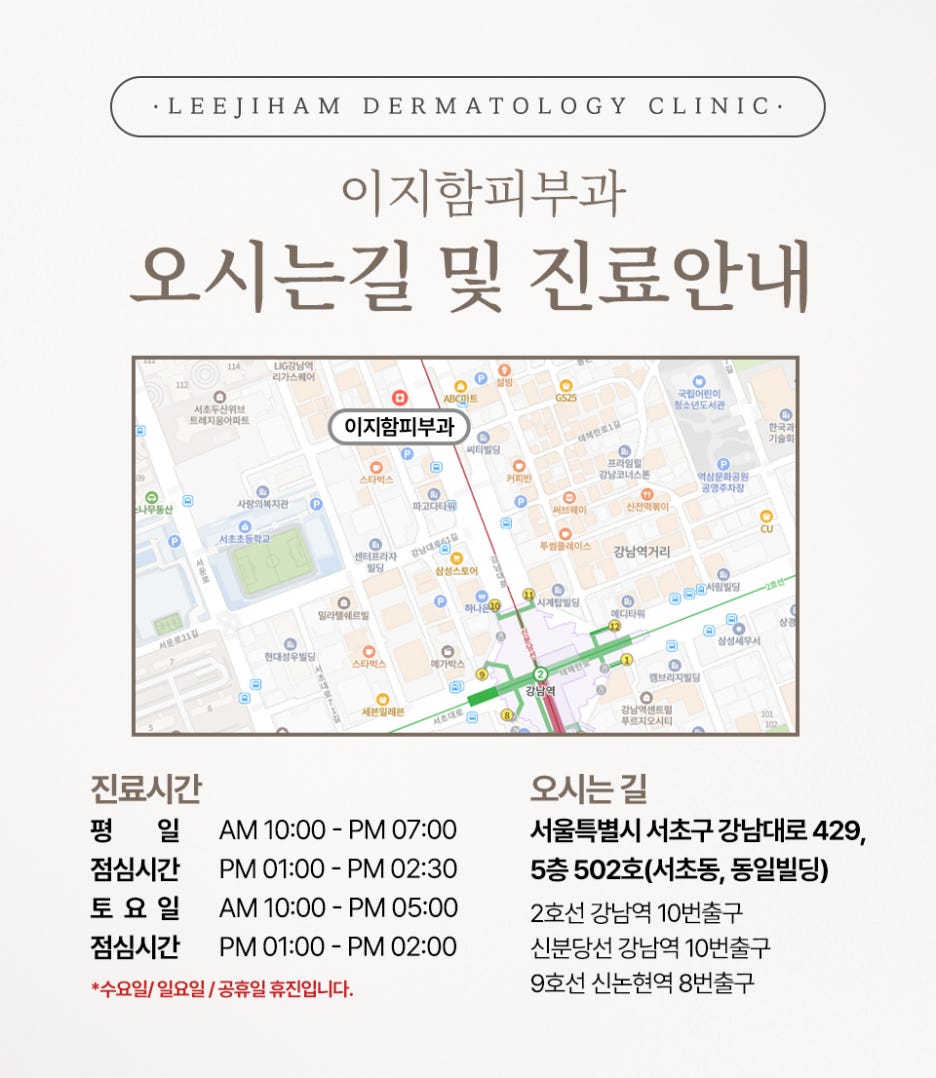
For reference, our clinic is located on Gangnam-daero in Seocho-gu, Seoul—not in Seongnam’s Bundang—and is situated between Gangnam Station and Sinnonhyeon Station.

The clinic director answers directly
Q1. Why do acne scars develop?
A.
When inflammation extends into the dermis and damages tissue, marks remain because collagen does not fill in evenly during the repair process.
The deeper and longer-lasting the inflammation, the deeper the marks tend to be.
Q2. Do red marks disappear if I simply leave them alone?
A.
They may fade in some cases, but when combined with ultraviolet exposure and recurring breakouts, they may remain as brown pigmentation.
Use sunscreen consistently, and if the marks persist for a long time, consider care such as IPL.
Q3. Can acne and acne scars be treated at the same time?
A.
When active acne is present, it is generally better to calm it first and then move on to the scar-treatment stage.
However, depending on the condition, treatment may sometimes proceed together, so this is decided after an examination.
Q4. I received a procedure, but the change was not significant.
Why might that be?
A.
The procedure may not have been suited to the type of scar.
When fibrous bands pull from underneath, as with rolling scars, unevenness may remain with surface-focused laser treatment alone.
Q5. What changes when I receive help from a dermatology clinic?
A.
The type and depth of the marks can be assessed separately, and the treatment sequence can be determined.
However, results vary from person to person, and we also want to make clear that complete removal cannot be promised.
📍 Directions
Seoul, Seocho-gu, Gangnam-daero 429,
5th floor, Room 502 (Seocho-dong, Dongil Building)
Located near Gangnam Station and Sinnonhyeon Station.
📞 Phone: 02-567-5900
🕒 Clinic hours
· Monday, Tuesday, Thursday, Friday: 10:00–19:00
· Saturday: 10:00–17:00
· Lunch break: Weekdays 13:00–14:30
· Closed: Wednesday, Sunday, and public holidays
The clinic is closed on Wednesdays, Sundays, and public holidays, so please check the day of the week before visiting.