For those who have undergone toning
but feel that their skin has become
more uneven instead
I often meet patients in the consultation room who are upset because they expected their skin to clear up quickly after a few toning sessions, but when they look in the mirror, it seems duller and more uneven in places.
Not long ago, a patient in her early forties cautiously asked, “This is a treatment I started because I was sure it would improve my skin, so why has the pigmentation become more noticeable?”
In fact, pigmentation after laser toning is a fairly common experience, so today I would like to explain in an easy-to-understand way why it occurs, whether it really fades on its own over time, and what may happen if you simply leave it alone.
What exactly is this reaction
that has appeared on my face?
Toning is a treatment that gradually fades pigmentation by delivering very low laser energy in multiple passes.
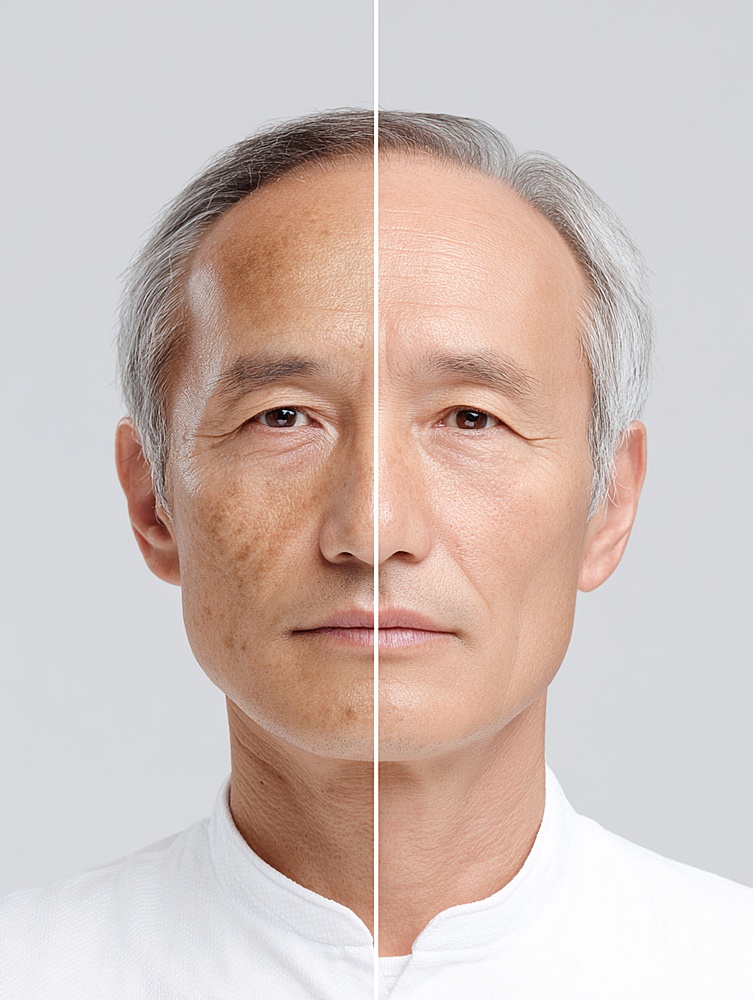
When the skin is stimulated during this process, pigmentation that was originally faint may temporarily become darker, or brownish patches may appear in areas where there was no visible pigmentation before.
It may help to think of it as similar to rubbing a piece of paper too hard with an eraser, causing that area to become dark instead.
It is common for the entire face to look hazy and slightly darker, or for areas that received more stimulation—such as the cheekbones and under-eye area—to look particularly dark.

Why did this happen to me in particular?
Pigmentation after laser toning often occurs because the skin reacts sensitively, causing the melanocytes to work excessively for a short time.
It is more likely to occur when the treatment intervals are too short, the energy is slightly too strong for your skin, or you have not adequately protected your skin from ultraviolet rays after treatment.
In particular, skin with active melanin production, as is common among people in Korea, tends to produce more pigmentation as a defensive response even to minor stimulation.
That is why individual differences occur: some people’s skin becomes clearer after the same treatment, while others are left with uneven patches.
Will it disappear on its own if I leave it alone, or will it not?
This is what many people are most curious about.
Pigmentation that appears temporarily right after treatment often fades and settles along with skin flakes within one to two weeks.
However, if the pigmentation after laser toning remains unchanged or becomes darker even after several weeks, it may not resolve on its own simply by waiting.
If left untreated, it may become more deeply established when combined with ultraviolet exposure, and later it may fade more slowly than it did at first.
That is why it is important to distinguish between whether you should observe it a little longer and whether you should have it assessed now.
The care you can receive now
can be divided as follows
The first step is to readjust the treatment intensity and intervals.
We give the skin time to calm down and, if necessary, adjust the approach to gently manage the pigmentation, such as with dual toning.
Adding IPL to even out a blotchy complexion, along with brightening care, can help the overall skin tone look more balanced.
When dealing with pigmentation after laser toning, the most reliable companion is actually sun protection.
No matter how much care you receive, the pigmentation may reappear if you do not protect your skin from sunlight.
However, toning treatments may cause a stinging sensation, so we apply numbing cream when necessary to reduce discomfort.
The rate at which pigmentation fades varies from person to person depending on its depth and the condition of the skin.
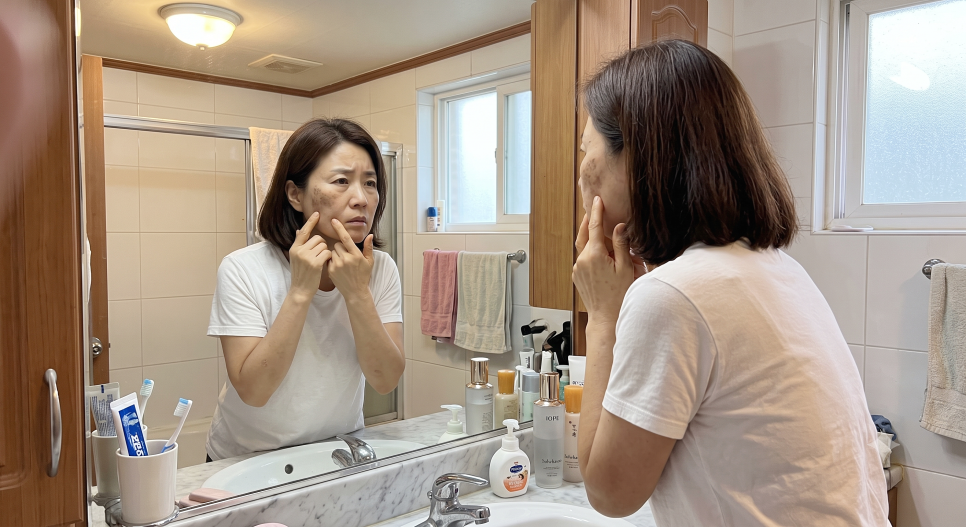
How is the patient I mentioned earlier doing now?
For the patient mentioned earlier, I first recommended stopping intensive treatments for about two months and allowing her skin to rest.
Instead, she was advised to protect her skin from ultraviolet rays every day without fail, while gradually continuing care to even out her skin tone.
At first, she was anxious and said, “What if this gets even worse?” But a few weeks later, after looking in the mirror and seeing the uneven patches fade, she smiled and said she felt relieved.
Rather than pushing too quickly, I believe that setting a course according to your skin’s own pace is the most honest way to address pigmentation.
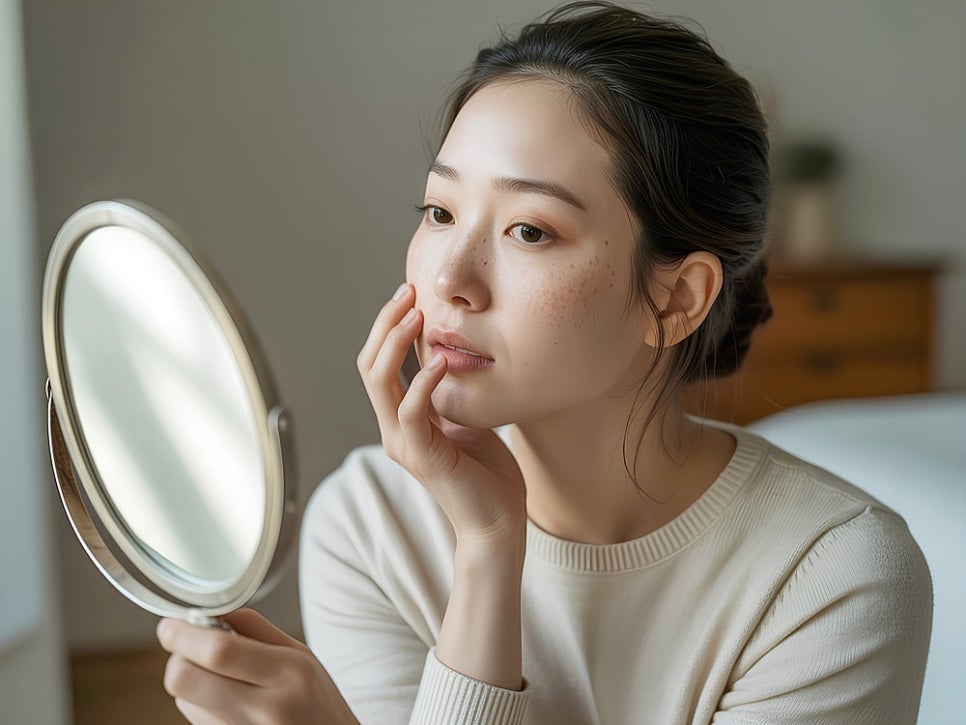
When you let go of impatience,
your skin responds, too
Pigmentation after laser toning is not proof of failure. It is closer to a signal that tells you what condition your skin is currently in.
Rather than pushing too hard, I believe that gently refining the skin’s texture and honestly assessing its condition is the approach that lasts.
If you have been feeling troubled while looking in the mirror, please do not blame yourself too much. Take a moment to calmly read the signals your skin is sending.
I hope this has offered you at least a little support.

Director Lee Yoo-deuk answers your questions directly
Q1. Why does the pigmentation become more noticeable after toning?
A. This happens because the skin reacts sensitively to stimulation, temporarily producing an excessive amount of melanin.
It is strongly affected by the treatment interval and how well you protect your skin from ultraviolet rays after treatment.
Q2. Will it fade on its own over time?
A. Pigmentation that appears temporarily right after treatment often fades within one to two weeks, but if it remains unchanged after several weeks, it is better to have the condition assessed rather than simply waiting indefinitely.
Q3. What are the benefits of receiving professional care?
A. The depth of pigmentation varies from person to person, so the rate of improvement differs as well. However, evening out the skin tone while protecting it from ultraviolet rays can help the complexion look more balanced.
The greatest advantage is being able to establish an appropriate direction instead of simply trying to guess on your own.
Q4. Why is it better to seek help from a dermatology clinic?
A. It allows you to determine together whether the pigmentation that has appeared is a normal reaction or has reached a stage that requires care.
You can create a plan suited to your skin’s pace while reducing stimulation.

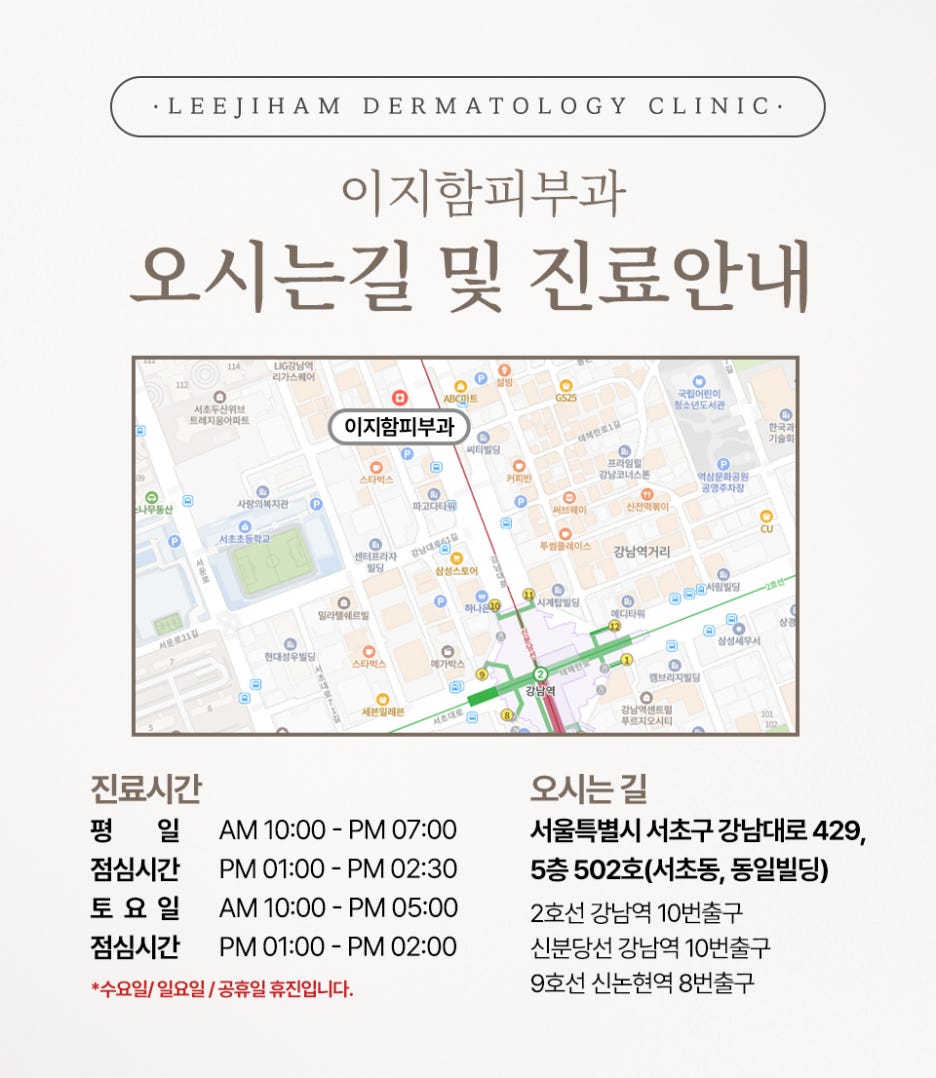
🏥 이지함피부과
📍 429 Gangnam-daero, Seocho-gu, Seoul
5th floor, Suite 502
(Seocho-dong, Dongil Building)
ㄴ Near Gangnam Station and Sinnonhyeon Station
📞 02-567-5900
🕒 Consultation hours
· Monday, Tuesday, Thursday, Friday 10:00–19:00
· Saturday 10:00–17:00
· Lunch break (weekdays) 13:00–14:30
· Closed Wednesdays, Sundays, and public holidays