Some of you may be starting your day
in front of the mirror
with a somewhat heavy heart.
That is why I am writing this.
I often meet people in the examination room who are emotionally exhausted because of acne.
Not long ago, a 29-year-old patient came to see me. “Doctor, I’ve been going to dermatology clinics for five years already. I’ve spent a lot of money, but it seems to improve only briefly whenever I go.” The way their eyes reddened as they said this has stayed with me.
In this post, I would like to calmly explain to those who visit a dermatology clinic near Seohyeon Station because of these concerns the order in which acne should be understood and managed.
If you read to the end, your vague concerns may become a little clearer and more focused.

Why does acne keep
tormenting me like this?
Let me tell you a little more
about this patient’s story.
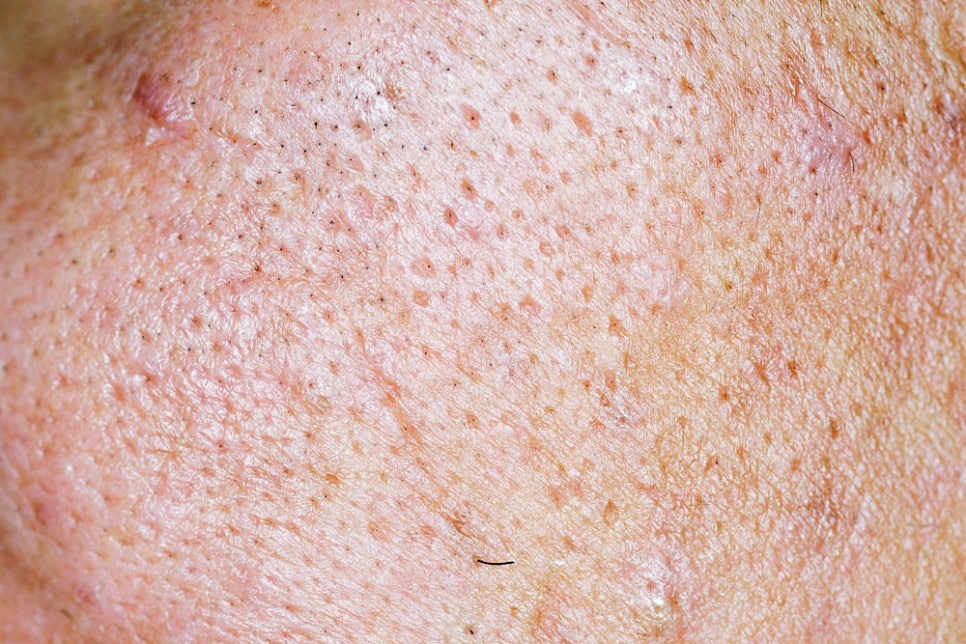
The blackheads around their nose
showed no sign of disappearing, and they said that after waking up, one or two red pimples would appear on their chin and cheeks.
Even when they covered them with makeup, they became noticeable again by evening,
and they said they kept covering their face in front of other people.
They had cleansed diligently
and tried every cosmetic product that was supposed to be good,
but their voice trembled slightly as they asked why this was happening only to them.
I first said this to them.
“Acne is absolutely not
evidence of laziness.
It is not because you have failed to care for your skin;
you simply have not found the cause yet.”
I remember seeing their shoulders relax a little at those words.
What is
acne?
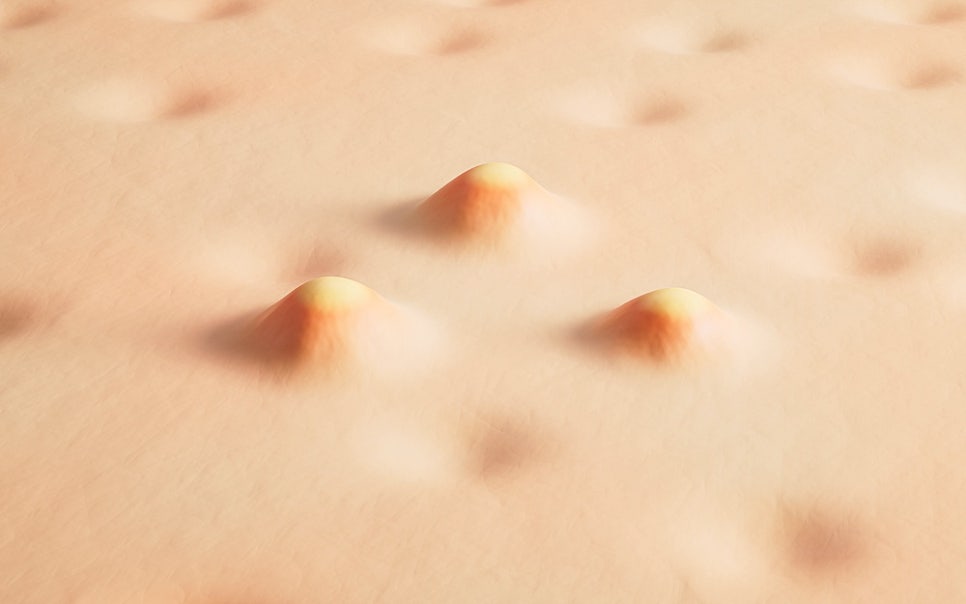
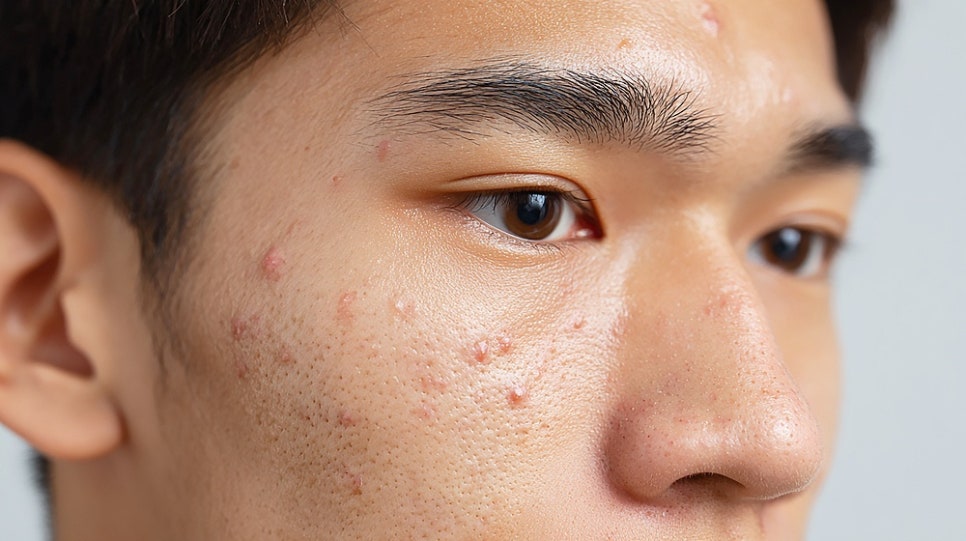
Acne begins when the sebaceous glands inside the pores produce excessive sebum and dead skin cells block the pore openings.
It may be easier to understand if you imagine cars crowding into a narrow alley and causing a traffic jam.
When bacteria take hold inside a blocked pore, it can become red and swollen and may also develop pus.
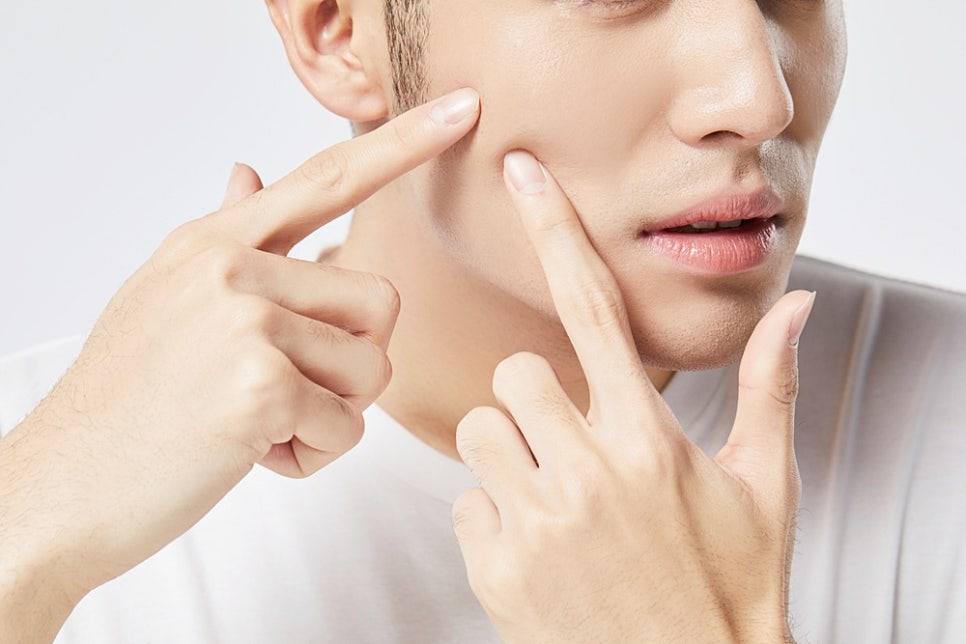
There are various forms, from whiteheads and blackheads to red papules and yellowish pustules.
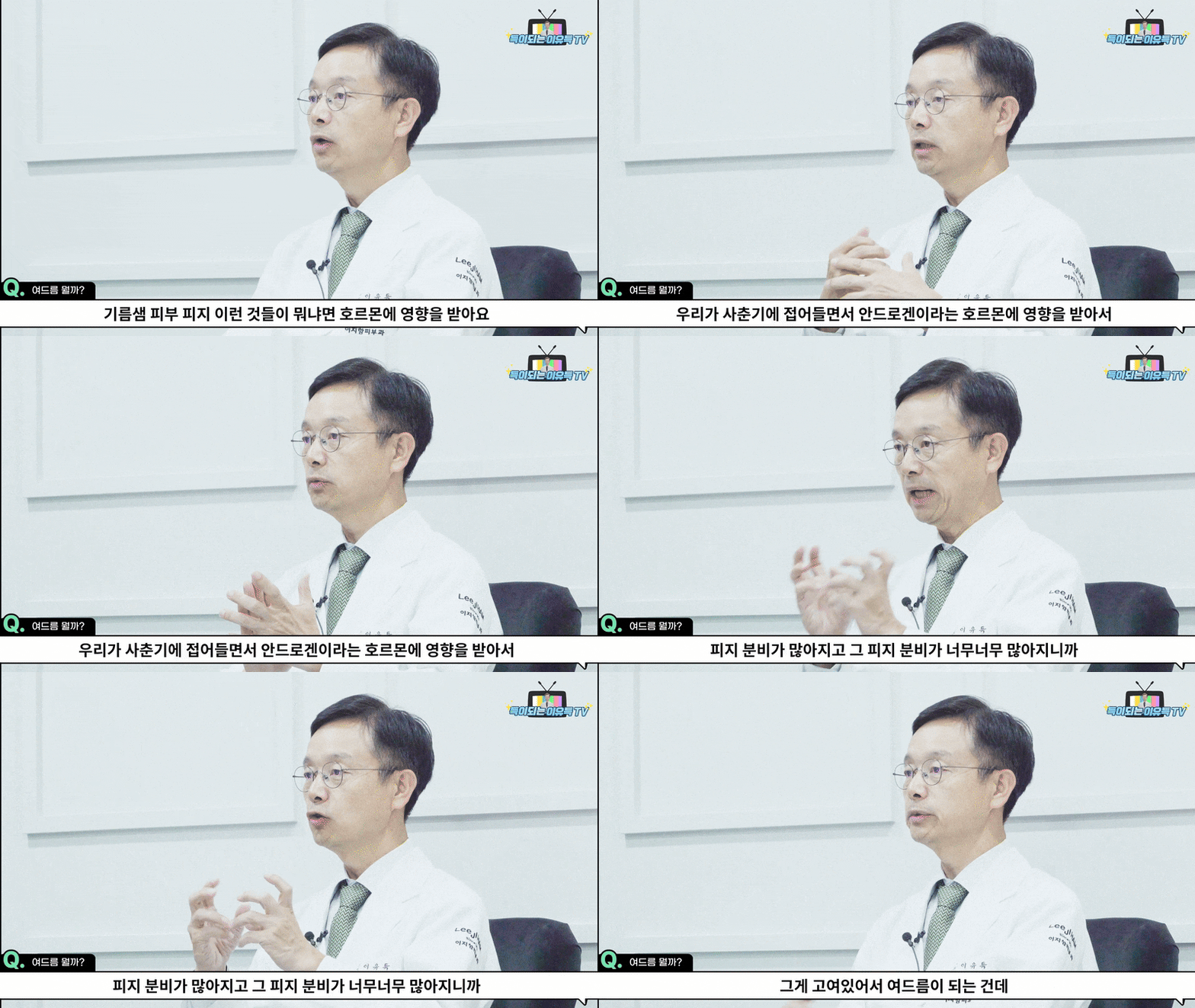
They often become more severe when hormonal changes, stress, lack of sleep, and the use of unsuitable cosmetics overlap.
That is why it is especially important to first understand what is causing the acne.
The Four-Step
Acne Care Process Organized by the Clinic Director
There is an order that I always emphasize to patients in the examination room at a dermatology clinic near Seohyeon Station.
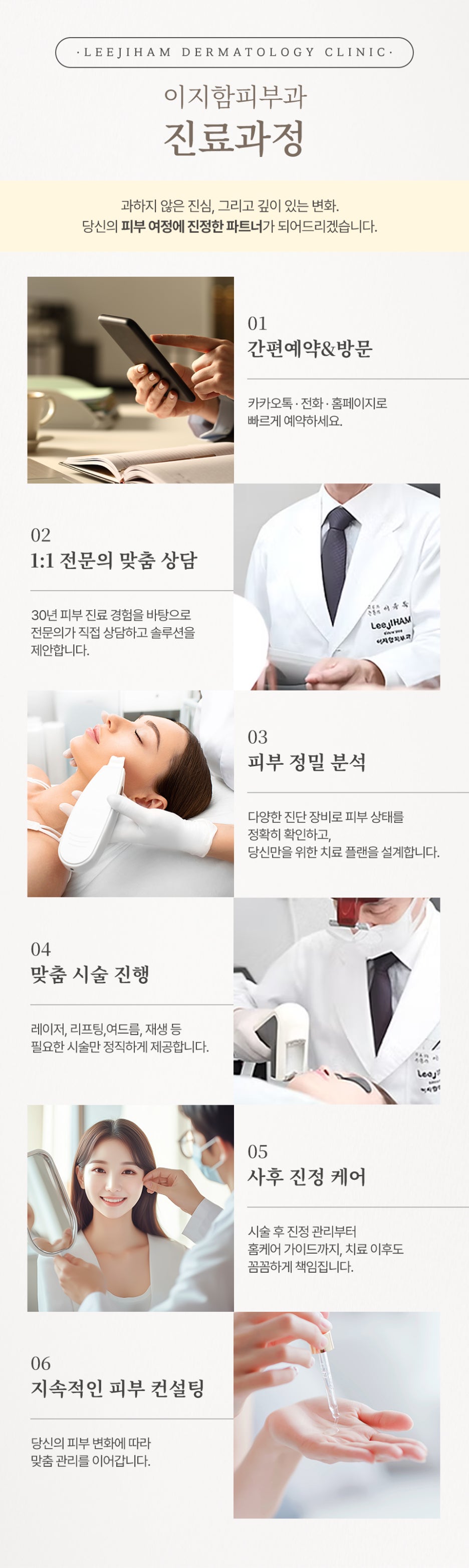
Step 1 is an accurate diagnosis.
We first need to determine whether the problem is excessive sebum production, dead skin cells, or lingering marks before we can establish the right direction.
Step 2 is managing sebum and dead skin cells.
Skin scaling and PDT scaling gently clear away impurities from blocked pores, while Artlaser helps reduce sebum production and break the cycle of recurring acne.
Artlaser acts selectively on the sebaceous glands and may also help reduce the appearance of enlarged pores.
Marks and Scars,
and Maintenance Care
Step 3 is caring for the remaining marks.
Red marks or flushing often remain where acne has subsided, and IPL is used to improve redness and erythema.
It is generally performed twice as part of an eight-week program, and red marks tend to fade relatively earlier than brown marks.
Step 4 is maintenance care.
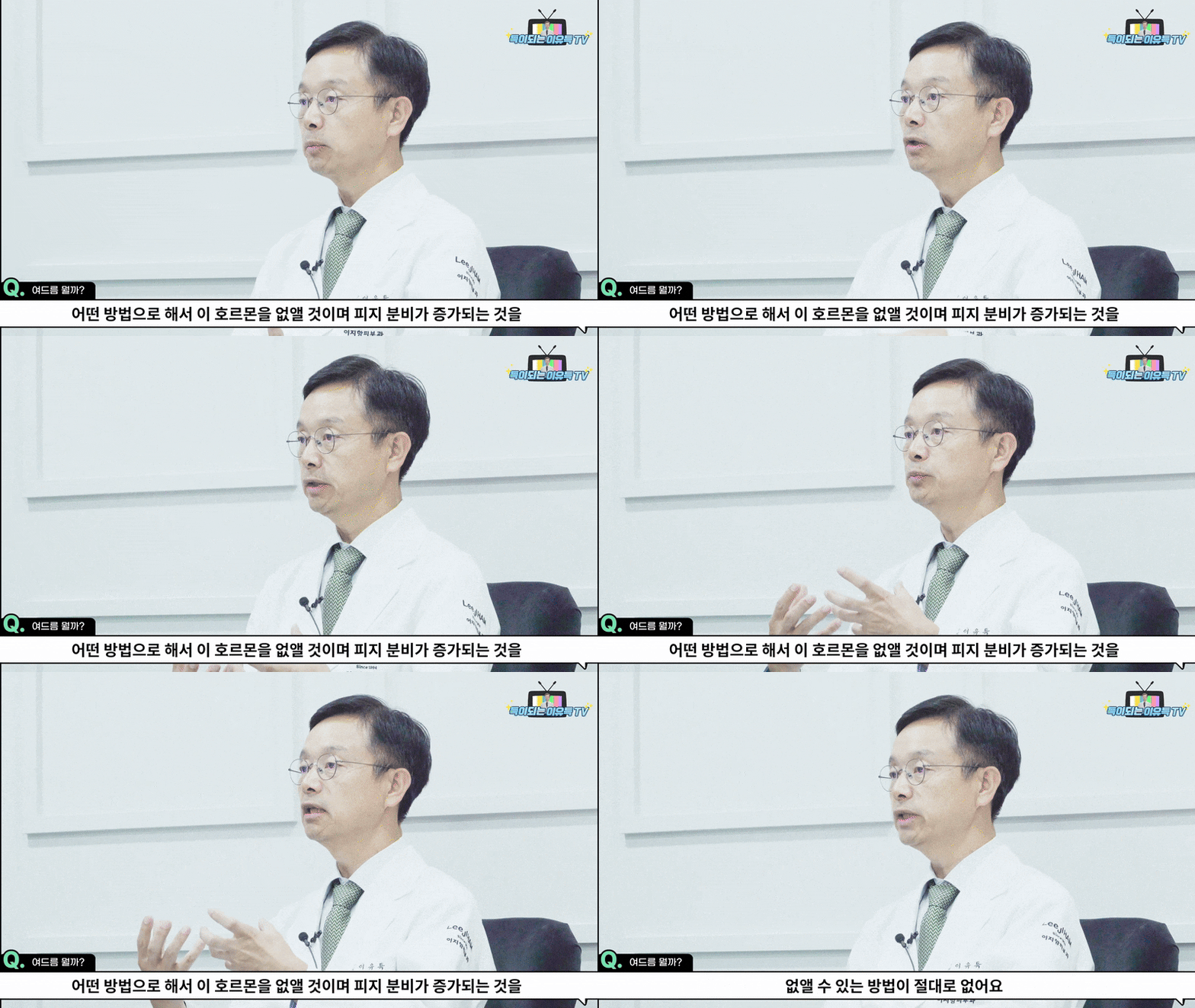
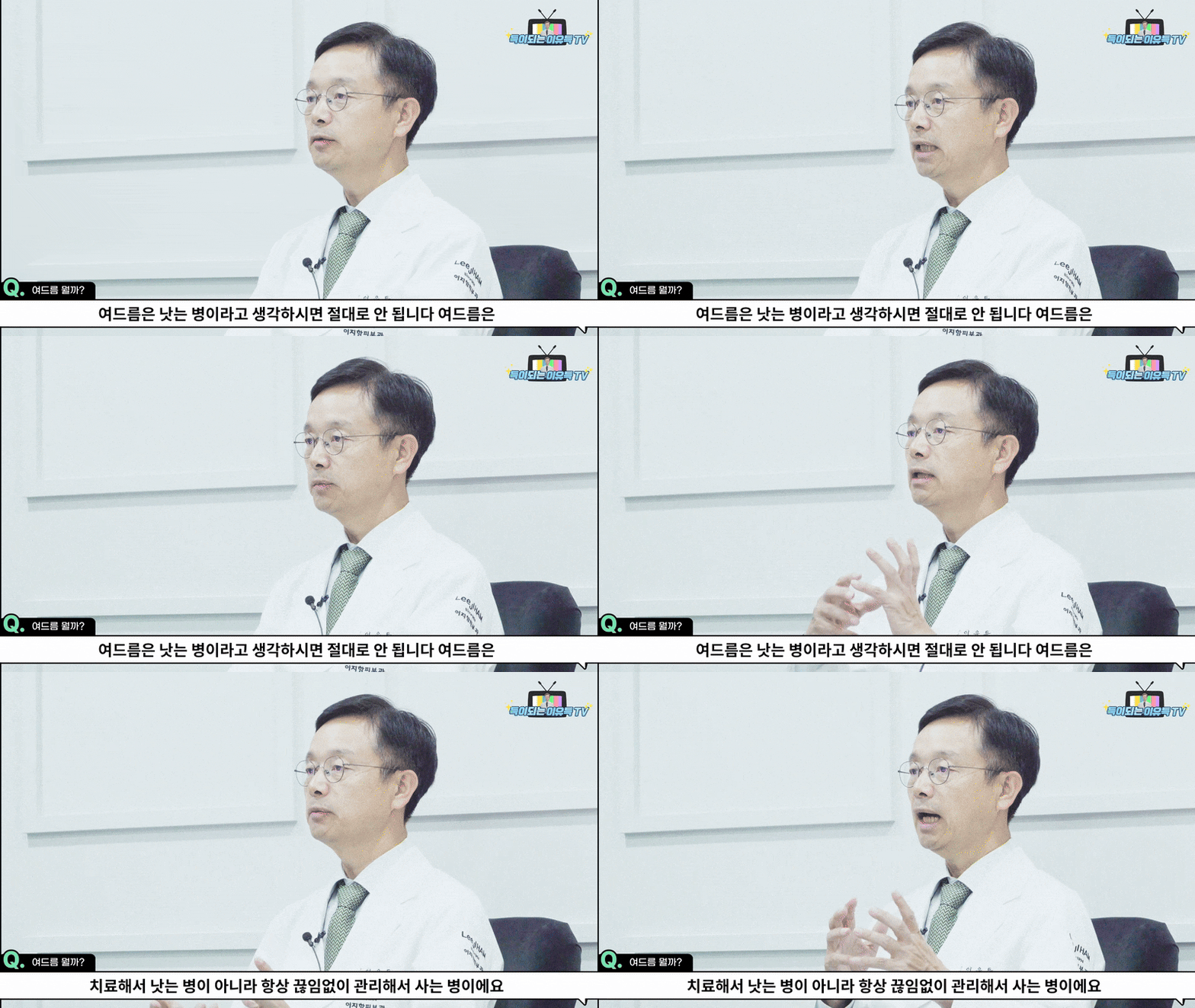
Regular cleansing, appropriate moisturization, and adjustments to eating habits and sleep should be combined to help reduce recurrence.
This final step is something I discuss at greatest length at the dermatology clinic near Seohyeon Station, just as much as the treatment itself.

The Clinic Director Answers
Your Acne Questions
Q1. Why does acne
keep coming back?
A. Sebum production, dead skin cells, bacteria, and hormones are all interconnected.
If you address only one factor, another can easily reignite the problem.
That is why it is important to manage the causes together from multiple angles.
If your skin improves briefly and then breaks out again, it may not be a sign that your care was insufficient, but rather an indication that a contributing cause was overlooked.
Q2. My marks have lasted a long time.
Will they disappear?
A. The course varies depending on the type of mark.
Red marks often fade over time, while pigmented marks require somewhat more consistent care.
It can help to let go of impatience and focus on moving through the steps one at a time.
Q3. Is it okay to visit a dermatology clinic
just because I have one pimple?
A. Of course.
In many cases, it is easier to manage acne when it is examined early, before it spreads significantly.
You do not have to hesitate and wonder whether your condition is “serious enough” to visit.
Q4. Why can dermatology care
be helpful?
A. In some cases, home care alone cannot adequately manage sebum deep inside the pores or remaining marks.
That is why the process of examining your skin and finding an approach suited to its condition and stage can be meaningful.
The person who used to sigh in front of the mirror is now gradually looking brighter.
There is no magical transformation into completely different skin overnight, but when you know the right direction and keep moving forward, the weight on your heart can begin to feel lighter.
I hope this post can serve as a small compass for those thinking about visiting a dermatology clinic near Seohyeon Station.
I sincerely hope your skin concerns lead to a more comfortable appearance and lasting trust.

이지함피부과 Information
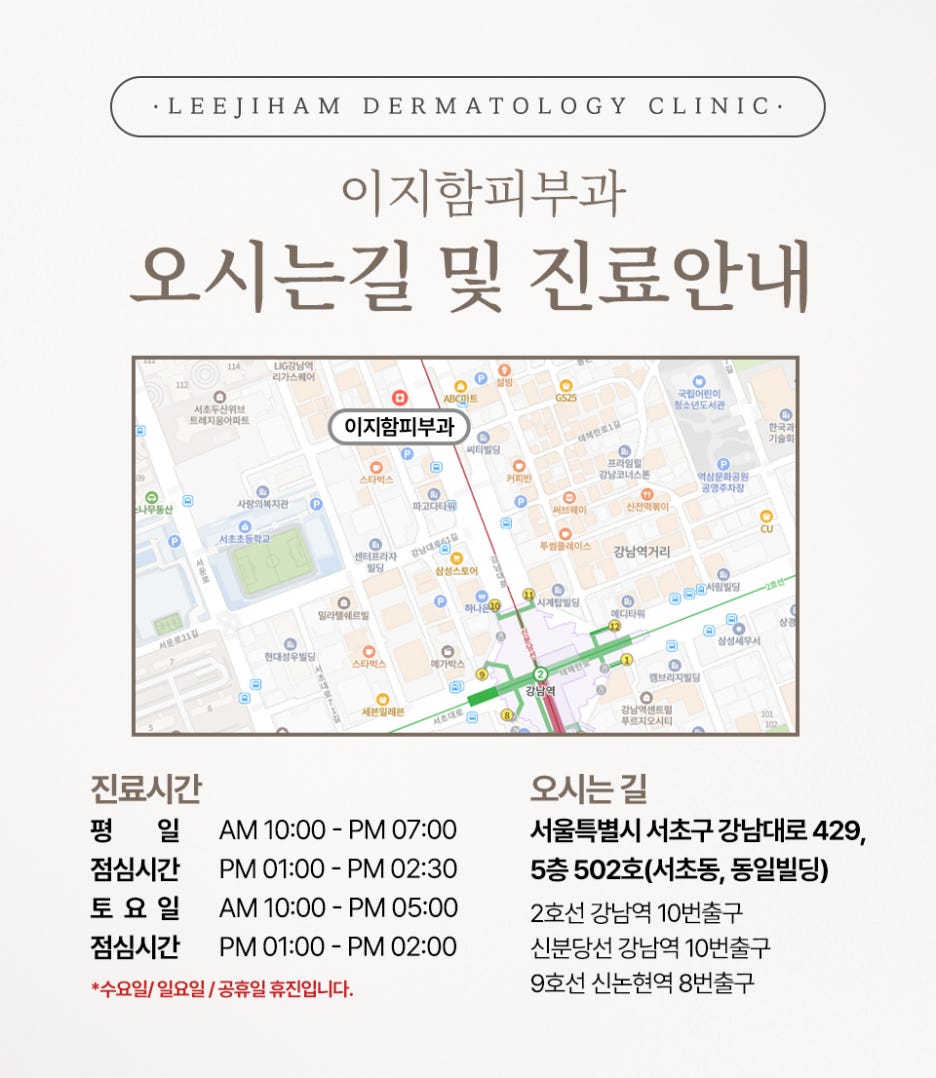
📞 Phone: 02-567-5900
📍 Location: 5th floor, Suite 502, 429 Gangnam-daero,
Seocho-gu, Seoul
(Seocho-dong, Dongil Building)
🕒 Hours
-
Monday, Tuesday, Thursday, Friday: 10:00–19:00
-
Saturday: 10:00–17:00
-
Lunch break: 13:00–14:30 (Saturday 13:00–14:00)
-
Closed: Every Wednesday and Sunday, and public holidays
A comfortable appearance, with natural-looking changes.
We will strive to be a dermatology clinic that remains by your side for a long time through honest care.