Has your acne calmed down,
but left only marks behind?
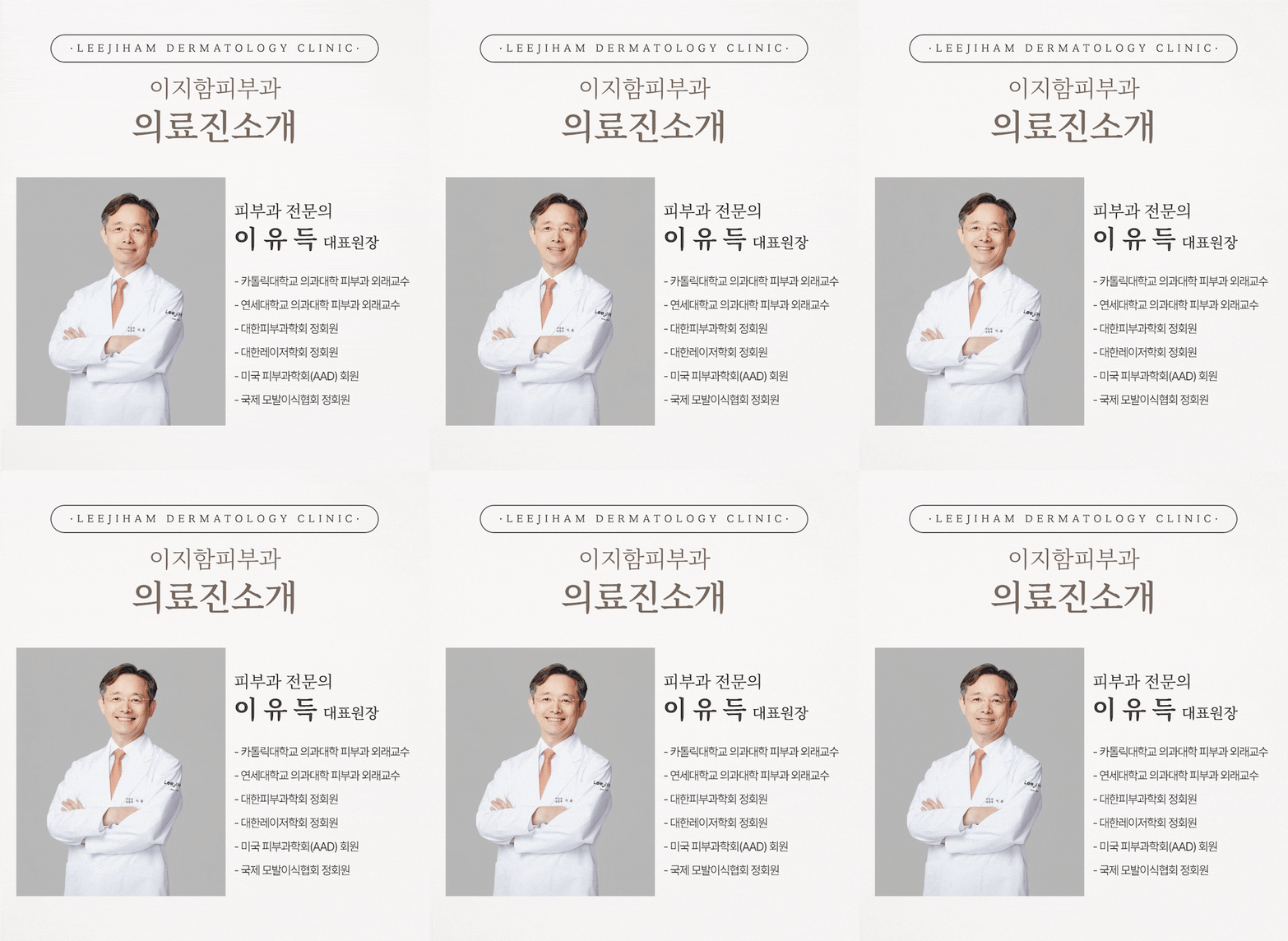
Hello. I am Dr. Lee Yoo-deuk, and I care for patients' skin at Ezhim Dermatology Clinic in Gangnam.
A patient in their late 30s whom I met in the consultation room some time ago has stayed in my memory. The acne itself had subsided to some extent, but the red marks left behind would not fade at all and were difficult to cover even with makeup. They were very distressed.
After looking into various options and searching for “acne red mark lasers,” they became even more unsure about what to choose because one place recommended one laser while another said a different treatment was better.
Perhaps some of you reading this are feeling the same way. Today, drawing on the conversation I had with that patient, I would like to explain why it is important to first understand “what kind of mark you have” rather than deciding “which laser to undergo.”
The nature of the marks
left behind after acne settles
Even after acne has calmed down,
the skin often retains
a record of what happened.
Red marks develop when blood vessels
remain enlarged in areas where there was inflammation,
or when pigment settles
within the skin.
It may be easiest to understand
if you think of how the area around a newly healed wound
can remain flushed
for a while.
In most cases, the marks
slowly become lighter over time,
but because there are individual differences,
it is also known that they may remain unchanged
even after several months.
In particular, repeatedly touching the marks
or frequent exposure to UV rays
can cause them to become darker
or last longer.
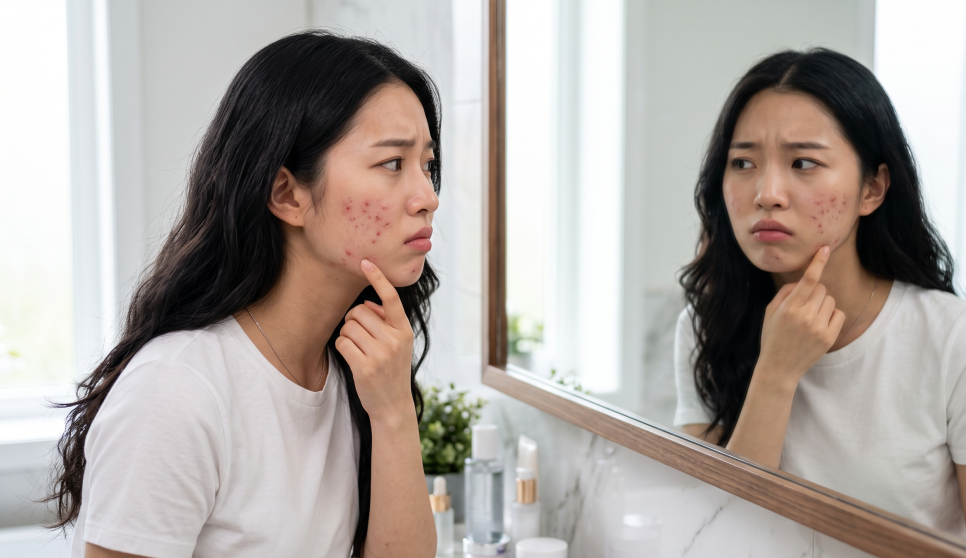
The acne has clearly subsided,
but when only the redness remains,
you may find yourself repeatedly checking
your reflection and photos,
thinking, “It looks like it has healed,
so why does my face still look flushed?”
I encounter that frustration
in the consultation room
every day,
and I know that it is far from insignificant.
Even red marks can have different roots
Although they may look like the same red marks
on the surface, their causes
can generally be divided
into two categories.
One is vascular redness that shows through
because of enlarged blood vessels,
and the other is a pigmented mark
that appears reddish or brownish
because melanin pigment remains.
It may be easier to distinguish them
if you imagine a red curtain reflected
in a window
and a stain absorbed
into the glass itself.
What shows through and what has soaked in
would require different ways
to remove them, right?
Therefore,
when considering a laser for acne red marks,
the first thing you need to do
is not decide on the name of a treatment,
but examine which type
your mark is more similar to.
Choosing the type of light
that matches the underlying pattern
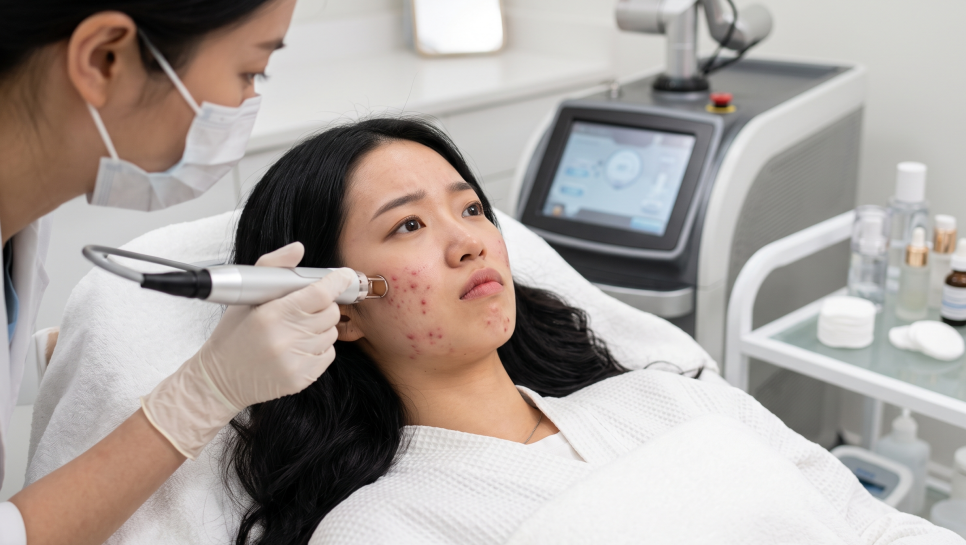
For vascular redness,
IPL, which uses light across a broad range of wavelengths,
is commonly used.
It is known to work by selectively responding
to enlarged blood vessels
and softening the appearance of redness.
If pigment is also present,
dual toning, which focuses on pigment
using specific wavelengths,
may also be considered.
For people with a combination of both patterns,
treatments may be combined
depending on the condition of the skin.
It may be easiest to understand
if you picture light sending a gentle signal
only to enlarged blood vessels
or remaining pigment,
while disturbing the surrounding healthy skin
as little as possible.
Regardless of which laser for acne red marks is used,
rather than promising a dramatic change after one treatment,
it is generally more natural to expect
a gradual brightening process
over several sessions spaced a few weeks apart.
Red-toned marks are known to tend
to respond somewhat earlier
than brown marks.
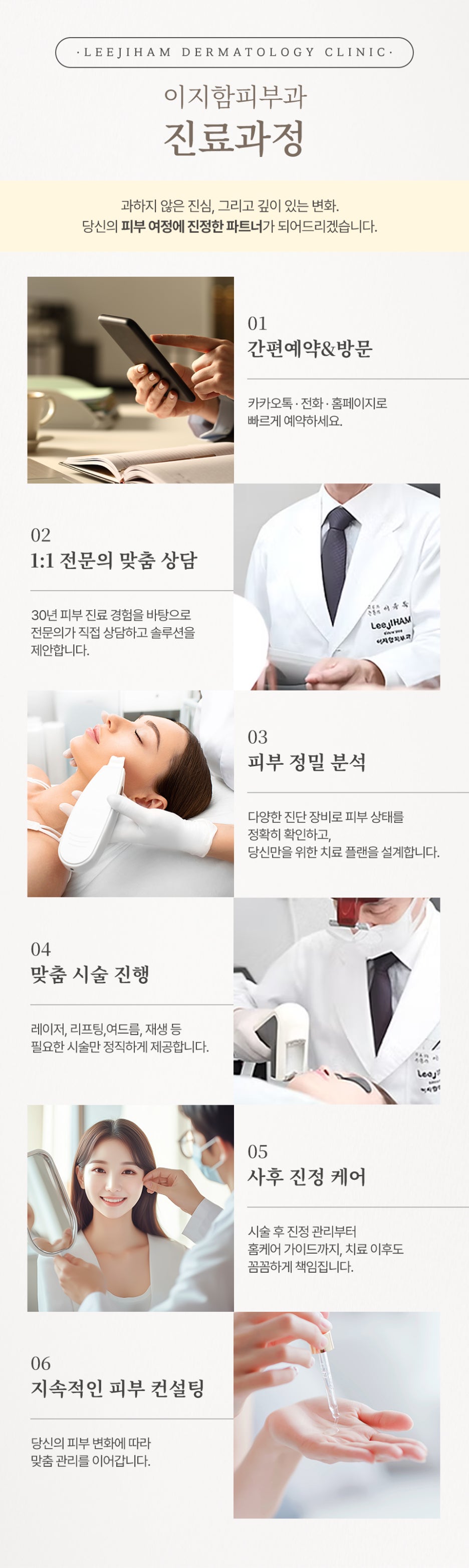
What I told that patient
I did not begin by mentioning
the name of a treatment
to the patient I mentioned earlier.
When I carefully examined the marks
with a magnifying glass,
the vascular tendency, with prominent redness,
was somewhat stronger.
So rather than listing the types
of lasers for acne red marks,
I first explained the nature of the marks
that remained,
the expected course,
and how many sessions might be appropriate
before assessing the progress.
I remember the patient looking as though
some of their confusion had eased
when I explained that “understanding your own skin accurately”
comes before “what treatment you receive.”
They said that they had heard different explanations
at every clinic and did not know what to believe,
and that simply having their marks explained
as they actually were
made them feel much more at ease.
Of course, during the treatment,
you may experience a stinging sensation or warmth
that feels like a light snap from a rubber band.
If needed, we apply numbing cream in advance
to help reduce discomfort.
Being honest about these sensations
and explaining them beforehand
is also one of the principles
we strive to uphold.
What matters even more after light treatment
In fact, it would not be an exaggeration
to say that half of mark care takes place
after the treatment.
Because skin that has received light treatment
becomes sensitive to UV rays for a while,
carefully applying sunscreen
is especially important.
For several days immediately after treatment,
it is best to postpone saunas, jjimjilbangs,
and strenuous exercise,
and avoid forcibly removing
any flaking skin that appears.
When this type of care supports the treatment,
the results often continue more smoothly.
On the other hand, if aftercare is neglected,
marks that had gradually lightened
may become darker again.
This is something I always emphasize
in the consultation room.
Adequate sleep and moisturization,
along with the small habit of not frequently touching
the marks with your hands,
come together to form a strong protective barrier
that helps preserve the changes achieved through treatment.
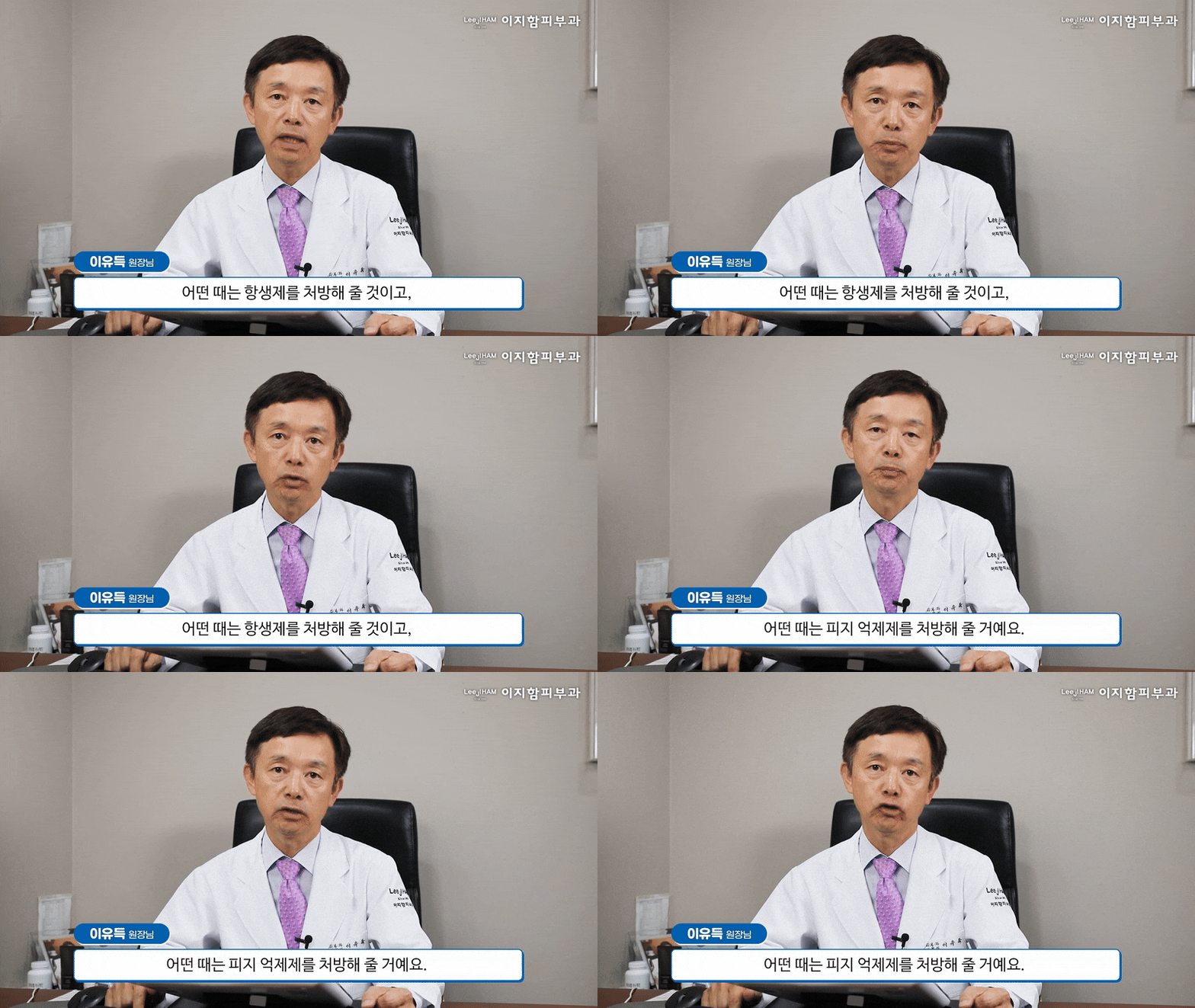
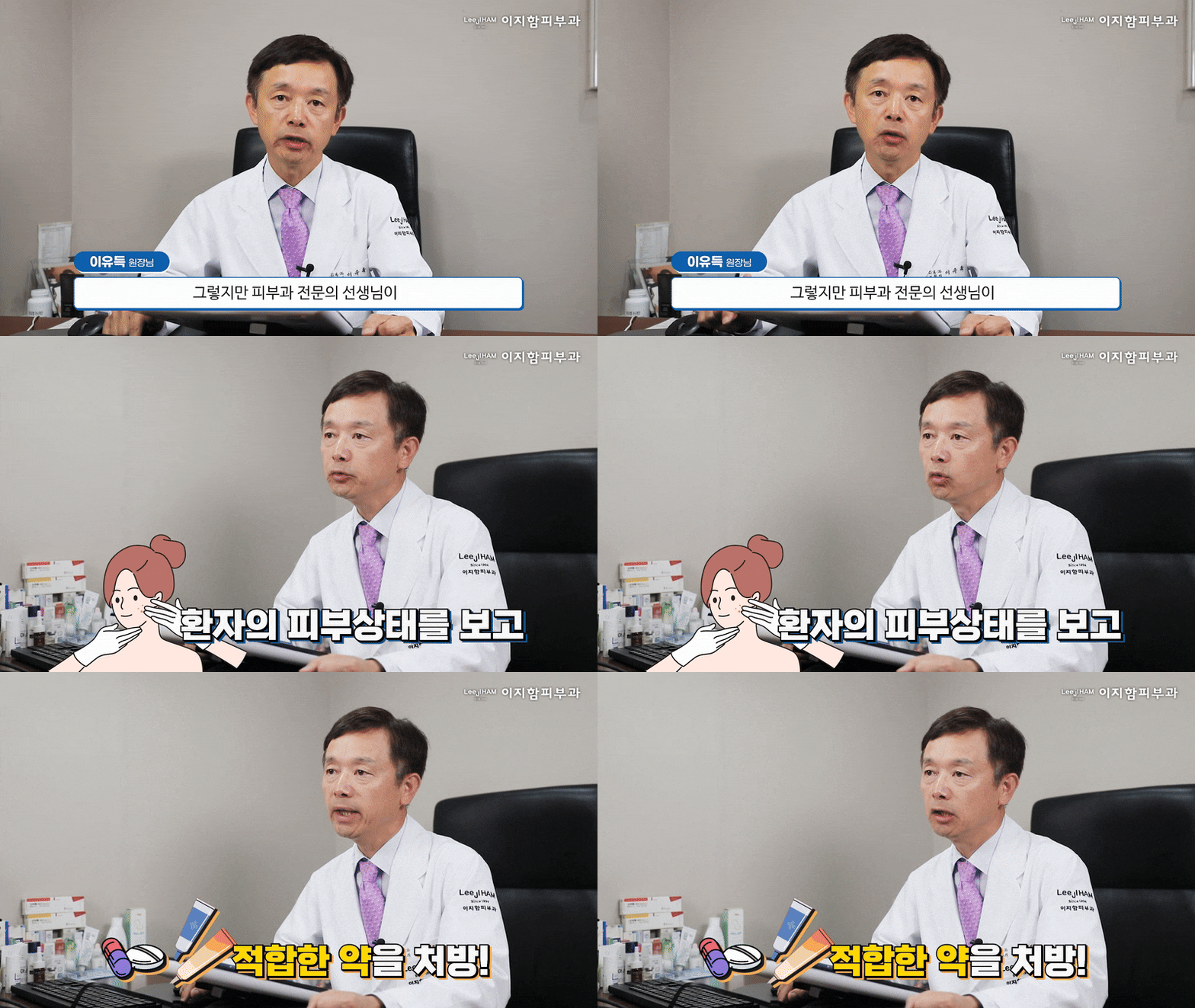
To become a place you can trust for a long time
I believe that a comfortable-looking face
lasts longer than an excessive change.
That is why I see laser treatment for acne red marks
not as a process centered on impressive equipment names,
but as a process of first understanding
the root of each mark
and finding the approach that suits it.
Through honest consultations
and proven treatments,
I will be here to help people
whose red marks have caused them
to feel self-conscious
move through their days
with slightly lighter steps.
I hope this post has provided
a small clue to help untangle
the concerns that have felt overwhelming.

FAQ · Answers directly from Dr. Lee Yoo-deuk
Q1. My acne has completely healed,
so why are only the red marks left behind?
A. Red marks are skin “records”
that develop when blood vessels become enlarged
in areas where there was inflammation,
or when pigment remains.
You can think of them as similar
to the flushed color that remains
around a healed wound for a while.
They usually fade gradually,
but because there are individual differences,
they may remain for a long time in some cases.
Q2. Are red marks and brown marks
managed differently?
A. Yes, because they have different roots.
The wavelengths of light to which
redness caused by visible blood vessels
and marks containing pigment respond
are different.
It is therefore best to first distinguish
the condition and then decide on the approach.
When both patterns are present,
treatments may be combined
and assessed accordingly.
Q3. They may fade if I consistently use
only skincare products. Do I really need
help from a dermatology clinic?
A. Mild marks may improve with home care.
However, if they remain unchanged
even after using several products,
examining the nature of your marks
with a magnifying glass
and taking an approach suited to them
may help reduce the time spent trying
random options.
Before deciding “what to apply,”
it is important to know “what remains.”
Q4. I heard that red marks improve
faster than brown marks. Is that true?
A. In general, red-toned marks
are known to respond somewhat earlier
than brown-toned marks.
However, individual differences depend
on the depth of the marks
and the condition of the skin,
so we recommend calmly observing
the progress over several sessions.
Ezhim Dermatology Clinic · Dr. Lee Yoo-deuk
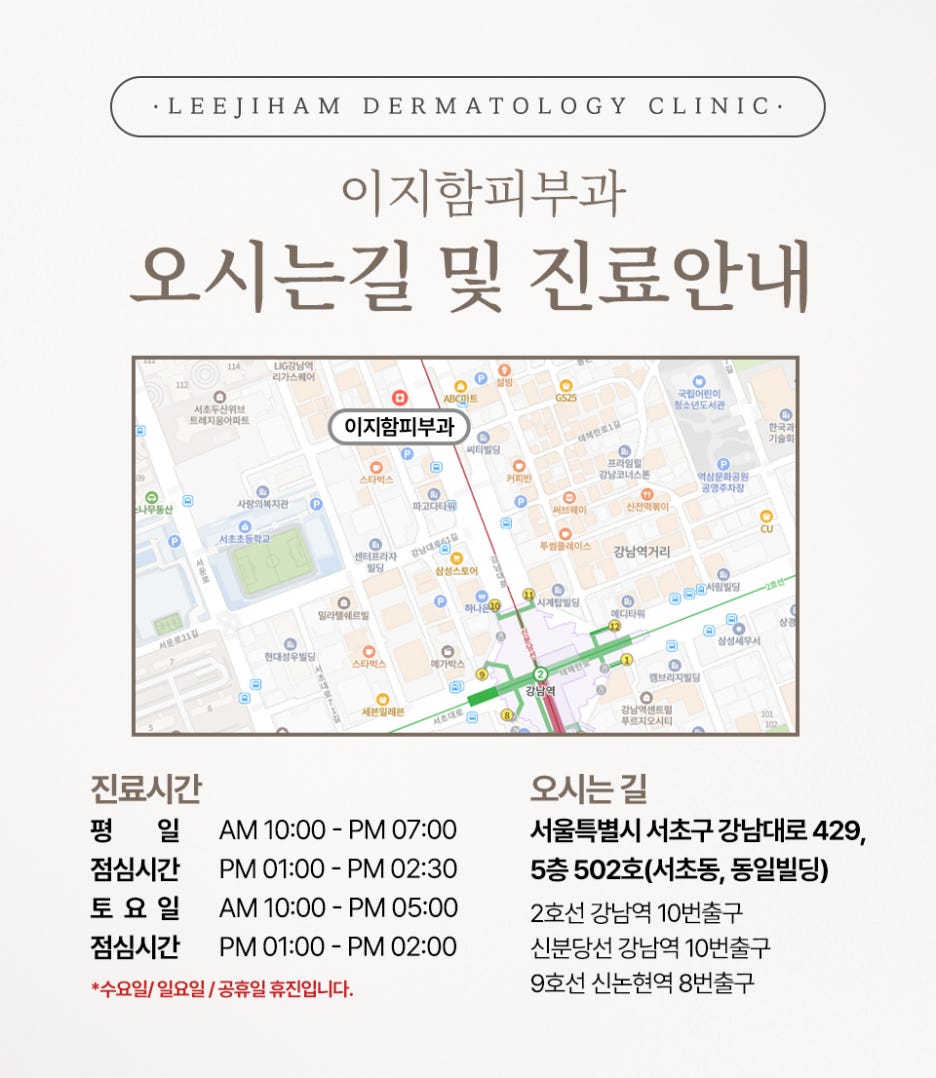
📍 Location
Room 502, 5th Floor, 429 Gangnam-daero,
Seocho-gu, Seoul (Seocho-dong, Dongil Building)
· Near Gangnam Station and Sinnonhyeon Station
📞 Phone 02-567-5900
🕒 Hours
· Monday, Tuesday, Thursday, Friday 10:00–19:00
· Saturday 10:00–17:00
· Lunch break (weekdays) 13:00–14:30
· Closed Wednesdays, Sundays, and public holidays
Located between Gangnam Station and Sinnonhyeon Station,
it is a convenient place to stop by
and discuss your skin concerns
while you are in the area.